
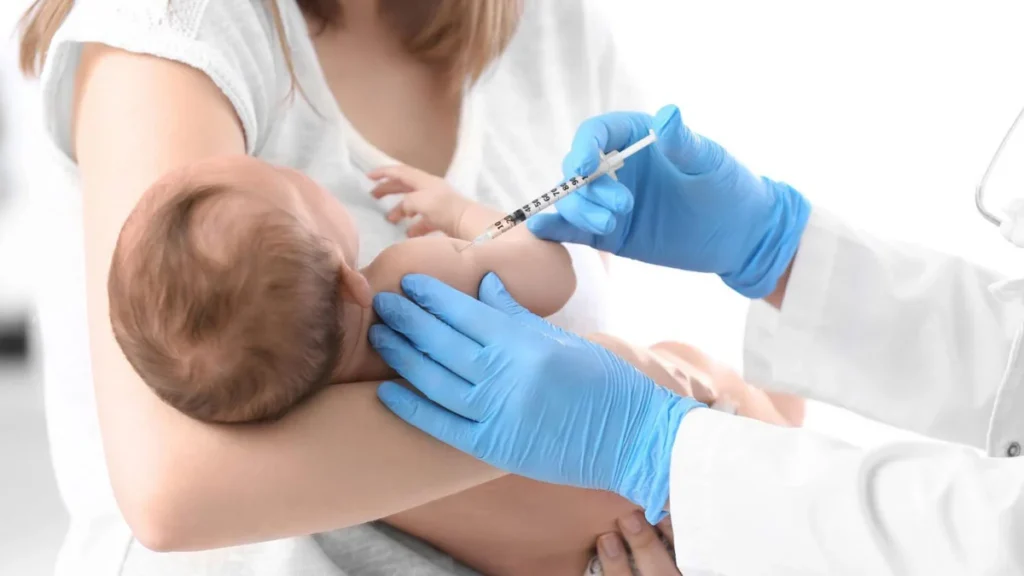
Importance of Vaccinations in Infancy

Importance of Vaccinations in Infancy

The first year of a baby’s life is a period of rapid growth and development. During this time, infants are particularly vulnerable to infections because their immune systems are still developing. Vaccinations play a crucial role in protecting babies from serious and potentially life-threatening diseases. By stimulating the body’s natural defenses, vaccines help infants build immunity before they are exposed to harmful illnesses.

Understanding the Importance of Vaccinations in Infancy can help parents make informed healthcare decisions and ensure their children receive the protection they need during their earliest stages of life.

What Are Vaccinations?

Vaccinations are medical interventions designed to help the immune system recognize and fight specific diseases. Vaccines contain weakened, inactive, or carefully prepared components of germs that stimulate an immune response without causing the illness itself.

When a baby receives a vaccine, the immune system learns how to identify and combat the disease in the future. This protection can significantly reduce the risk of infection and serious complications.

Why Infants Need Vaccinations

Newborns have some protection from antibodies passed from their mothers during pregnancy. However, this protection gradually decreases after birth.

Infants need vaccinations because:

  • Their immune systems are still developing
  • They are more vulnerable to infections
  • Certain diseases can cause severe complications in young children
  • Early protection helps prevent serious illness

Vaccines provide a safe and effective way to strengthen a baby’s immunity during this critical period.

Protection Against Serious Diseases

One of the main reasons vaccinations are important is their ability to protect infants from dangerous illnesses.

Vaccines help prevent diseases such as:

  • Measles
  • Mumps
  • Rubella
  • Polio
  • Diphtheria
  • Tetanus
  • Whooping cough (pertussis)
  • Hepatitis B
  • Rotavirus
  • Pneumococcal disease

Many of these illnesses can lead to hospitalization, long-term health problems, or even death in severe cases.

How Vaccines Work

Vaccines train the immune system to recognize harmful germs.

After vaccination:

  1. The immune system detects the vaccine components.
  2. Protective antibodies are produced.
  3. Immune memory develops.
  4. The body becomes better prepared to fight the disease if exposure occurs later.

This process helps provide protection without requiring a child to experience the illness itself.

Building Community Protection

Vaccinations benefit not only individual children but also entire communities.

When a large percentage of people are vaccinated, the spread of infectious diseases becomes more difficult. This concept is often referred to as community immunity or herd immunity.

Community protection helps safeguard:

  • Newborns who are too young for certain vaccines
  • Individuals with weakened immune systems
  • People who cannot receive specific vaccines for medical reasons

High vaccination rates contribute to healthier communities overall.

Following the Recommended Immunization Schedule

Healthcare organizations develop immunization schedules based on extensive scientific research.

Vaccines are scheduled at specific ages because:

  • Infants are most vulnerable during certain periods
  • Early protection is essential
  • Timing helps maximize vaccine effectiveness

Following the recommended schedule ensures babies receive protection when they need it most.

Parents should consult their pediatrician regarding the vaccination schedule appropriate for their child.

Vaccine Safety

Vaccines undergo extensive testing before approval and continue to be monitored for safety after they become available.

Safety measures include:

  • Clinical trials
  • Regulatory review
  • Ongoing monitoring
  • Scientific evaluation

Most vaccine side effects are mild and temporary.

Common reactions may include:

  • Mild fever
  • Redness at the injection site
  • Temporary fussiness
  • Mild swelling

Serious adverse reactions are rare, and healthcare providers are trained to manage them appropriately.

Addressing Common Vaccine Concerns

Parents often have questions about vaccinations, which is completely understandable.

Are Vaccines Necessary?

Yes. Vaccines protect against diseases that can cause severe complications, especially in infants.

Can Vaccines Overload a Baby’s Immune System?

No. Babies encounter numerous germs daily, and vaccines represent only a small challenge to the immune system compared to natural exposures.

Why Are Multiple Vaccines Given During Infancy?

Early vaccination provides timely protection during a period when infants are highly vulnerable to infections.

Healthcare providers can help answer specific questions and address concerns about vaccine safety and effectiveness.

Benefits Beyond Disease Prevention

Vaccinations offer several benefits beyond protecting individual children from illness.

These benefits include:

  • Reduced hospitalizations
  • Lower healthcare costs
  • Fewer missed workdays for parents
  • Improved quality of life
  • Greater public health protection

Preventing disease through vaccination is often far more effective than treating illnesses after they occur.

What Happens If Infants Are Not Vaccinated?

Children who do not receive recommended vaccinations may be at higher risk for serious infections.

Potential consequences include:

  • Increased susceptibility to disease
  • Greater risk of complications
  • Higher likelihood of disease outbreaks
  • Increased transmission to others

Vaccination helps minimize these risks and supports long-term health.

Supporting Your Baby During Vaccination Visits

Parents can help make vaccination appointments more comfortable by:

  • Remaining calm and reassuring
  • Holding or comforting the baby
  • Bringing a favorite toy or blanket
  • Following healthcare provider recommendations

Most babies recover quickly from routine vaccinations and can resume normal activities shortly afterward.

The Role of Pediatricians

Pediatricians play an important role in guiding families through the vaccination process.

They help:

  • Monitor immunization schedules
  • Provide vaccine information
  • Address parental concerns
  • Ensure vaccines are administered safely

Regular pediatric visits help ensure infants receive recommended preventive care.

Looking Toward a Healthier Future

Vaccinations have contributed to dramatic reductions in many serious childhood diseases worldwide. Diseases that once caused widespread illness and death are now far less common because of successful immunization programs.

By vaccinating infants according to recommended schedules, parents help protect not only their own children but also future generations.

Dr. Nikil Sudarsan is a highly experienced Pediatrician in Dubai, dedicated to providing comprehensive healthcare for infants, children, and adolescents. With expertise in Pediatric Neurology, Child Development, Autism, ADHD, Epilepsy, Genetics, and Developmental Disorders, he offers personalized, evidence-based care tailored to each child’s unique needs. Using the latest medical advancements and a family-centered approach, Dr. Nikil Sudarsan focuses on promoting healthy growth, early diagnosis, effective treatment, and long-term well-being, ensuring the best possible outcomes for every child. 
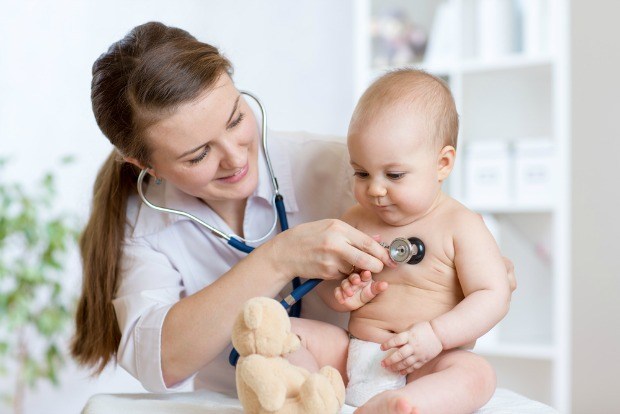
The Importance of Preventive Pediatric Care

The Importance of Preventive Pediatric Care

Children experience rapid physical, emotional, and cognitive growth throughout their early years. Ensuring they receive the right healthcare during this critical period is essential for supporting healthy development and preventing future health problems. This is where preventive pediatric care plays a vital role.

Understanding The Importance of Preventive Pediatric Care helps parents recognize the value of regular checkups, vaccinations, screenings, and healthy lifestyle guidance. Rather than focusing solely on treating illnesses, preventive care aims to keep children healthy, identify potential concerns early, and promote lifelong well-being.

What Is Preventive Pediatric Care?

Preventive pediatric care refers to healthcare services designed to monitor, protect, and improve a child’s health before illnesses or developmental issues arise. These services focus on prevention, early detection, and health education.

Preventive pediatric care typically includes:

  • Routine wellness visits
  • Growth and development monitoring
  • Immunizations
  • Health screenings
  • Nutritional guidance
  • Behavioral assessments
  • Parent education

By addressing health concerns early, pediatricians can help children achieve optimal growth and development.

Why Preventive Care Matters for Children

Children’s healthcare needs change rapidly as they grow. Regular preventive visits allow healthcare providers to track these changes and ensure that development is progressing appropriately.

Preventive care helps:

  • Detect health issues early
  • Monitor physical growth
  • Assess developmental milestones
  • Prevent serious illnesses
  • Support emotional well-being
  • Promote healthy habits

Early intervention often leads to better health outcomes and can reduce the need for more extensive treatments later.

Monitoring Growth and Development

One of the primary goals of preventive pediatric care is tracking a child’s growth and developmental progress.

During routine visits, healthcare providers assess:

  • Height and weight
  • Head circumference in infants
  • Motor skills
  • Speech and language development
  • Social and emotional milestones

Monitoring these indicators helps identify any delays or concerns that may benefit from additional support or intervention.

The Role of Vaccinations

Vaccinations are one of the most important components of preventive pediatric care.

Immunizations protect children from serious and potentially life-threatening diseases such as:

  • Measles
  • Mumps
  • Rubella
  • Polio
  • Whooping cough
  • Hepatitis
  • Influenza

Vaccines not only protect individual children but also help reduce the spread of infectious diseases within communities.

Following the recommended vaccination schedule is an essential part of maintaining children’s health.

Early Detection of Health Conditions

Many childhood health conditions can be managed more effectively when detected early.

Routine preventive visits often include screenings for:

  • Vision problems
  • Hearing difficulties
  • Anemia
  • Developmental disorders
  • Behavioral concerns
  • Growth abnormalities

Early diagnosis allows healthcare providers to begin treatment promptly, improving long-term outcomes.

Supporting Healthy Nutrition

Nutrition plays a significant role in a child’s growth and overall health.

Pediatricians often provide guidance on:

  • Age-appropriate nutrition
  • Healthy eating habits
  • Breastfeeding and infant feeding
  • Managing picky eating
  • Maintaining healthy weight

Nutritional counseling helps parents make informed decisions that support healthy development.

Promoting Physical Activity

Regular physical activity is important for children’s physical and mental well-being.

Preventive pediatric care encourages:

  • Active play
  • Participation in sports
  • Limiting sedentary behavior
  • Reducing excessive screen time

Healthy activity habits established during childhood often continue into adulthood.

Addressing Behavioral and Emotional Health

Children’s emotional and mental health is just as important as their physical health.

Preventive care visits provide opportunities to discuss:

  • Social development
  • Emotional well-being
  • School performance
  • Behavioral challenges
  • Sleep habits

Pediatricians can identify concerns early and provide guidance or referrals when needed.

Building Healthy Habits for Life

Preventive pediatric care helps families establish healthy routines that can benefit children throughout their lives.

Topics often discussed include:

  • Oral hygiene
  • Handwashing
  • Sleep routines
  • Injury prevention
  • Healthy eating
  • Physical activity

Teaching these habits early promotes long-term wellness and disease prevention.

Strengthening Parent-Provider Relationships

Regular preventive visits allow families to build trusting relationships with their child’s healthcare provider.

These ongoing relationships offer opportunities to:

  • Ask questions
  • Discuss concerns
  • Receive personalized guidance
  • Monitor health over time

Parents often feel more confident when they have a trusted healthcare professional to support their child’s development.

Preventing Childhood Illnesses and Injuries

Preventive care extends beyond vaccinations and screenings.

Pediatricians also educate families about:

  • Safety measures
  • Injury prevention
  • Proper car seat use
  • Water safety
  • Safe sleep practices
  • Illness prevention strategies

This guidance helps reduce avoidable risks and supports safer environments for children.

Supporting School Readiness

Healthy children are often better prepared for learning and social interaction.

Preventive pediatric care helps ensure that children enter school with:

  • Appropriate developmental skills
  • Good physical health
  • Proper vision and hearing
  • Healthy social development

Addressing concerns before school entry can support academic success and confidence.

Long-Term Benefits of Preventive Pediatric Care

The benefits of preventive care extend far beyond childhood.

Children who receive regular preventive healthcare may experience:

  • Better overall health
  • Earlier diagnosis of medical conditions
  • Improved developmental outcomes
  • Reduced healthcare costs
  • Healthier lifestyle habits
  • Enhanced quality of life

Investing in preventive care during childhood helps establish a strong foundation for lifelong health.

How Often Should Children Have Preventive Visits?

Healthcare providers typically recommend regular wellness visits throughout childhood.

These visits are often more frequent during infancy and early childhood because growth and development occur rapidly during these years.

The exact schedule may vary based on age, health status, and individual needs. Parents should follow their pediatrician’s recommendations regarding routine checkups.

Tips for Parents

To make the most of preventive pediatric care:

  • Attend all scheduled wellness visits
  • Keep immunizations up to date
  • Track developmental milestones
  • Discuss any concerns openly
  • Encourage healthy habits at home
  • Follow healthcare provider recommendations

Active parental involvement plays an important role in supporting children’s health.

Dr. Nikil Sudarsan is a highly experienced Pediatrician in Dubai, dedicated to providing comprehensive healthcare for infants, children, and adolescents. With expertise in Pediatric Neurology, Child Development, Autism, ADHD, Epilepsy, Genetics, and Developmental Disorders, he offers personalized, evidence-based care tailored to each child’s unique needs. Using the latest medical advancements and a family-centered approach, Dr. Nikil Sudarsan focuses on promoting healthy growth, early diagnosis, effective treatment, and long-term well-being, ensuring the best possible outcomes for every child. 

The Role of Hydration in Children’s Health

The Role of Hydration in Children's Health

Water is essential for life, and it plays a particularly important role in the growth and development of children. From supporting physical activity to maintaining healthy body functions, proper hydration is vital for a child’s overall well-being. Because children are often active and may not always recognize when they are thirsty, parents and caregivers must pay close attention to their hydration needs.

Understanding The Role of Hydration in Children’s Health can help families establish healthy habits that support growth, learning, and long-term wellness.

Why Hydration Is Important for Children

A child’s body contains a higher percentage of water than an adult’s body. Water is involved in nearly every bodily function and is necessary for maintaining overall health.

Proper hydration helps:

  • Regulate body temperature
  • Support digestion
  • Transport nutrients throughout the body
  • Remove waste products
  • Lubricate joints
  • Maintain healthy skin
  • Support brain function

Without enough fluids, children may experience dehydration, which can affect both physical and mental performance.

How Water Supports Growth and Development

During childhood, the body undergoes rapid growth and development. Water helps deliver essential nutrients and oxygen to cells, supporting healthy tissues and organs.

Adequate hydration contributes to:

  • Healthy muscle function
  • Bone development
  • Proper circulation
  • Organ efficiency
  • Cellular growth

Ensuring children drink enough water each day helps support these important developmental processes.

Hydration and Brain Function

The brain relies heavily on proper hydration to function effectively.

Even mild dehydration may affect:

  • Concentration
  • Memory
  • Attention span
  • Mood
  • Learning ability

Children who stay hydrated are often better able to focus during school, participate in classroom activities, and perform daily tasks effectively.

Providing water throughout the day can help support academic performance and cognitive development.

Supporting Physical Activity

Children are naturally active and often spend time running, playing, and participating in sports.

Physical activity increases fluid loss through sweat, making hydration especially important.

Benefits of proper hydration during activity include:

  • Improved endurance
  • Better coordination
  • Reduced fatigue
  • Enhanced physical performance
  • Lower risk of overheating

Encouraging children to drink water before, during, and after physical activity helps maintain energy levels and supports healthy exercise habits.

Maintaining Healthy Digestion

Water plays an important role in digestive health.

Adequate hydration helps:

  • Break down food
  • Absorb nutrients
  • Support regular bowel movements
  • Prevent constipation

Children who do not drink enough fluids may experience digestive discomfort and constipation, which can affect their overall well-being.

Combining proper hydration with a balanced diet rich in fruits, vegetables, and fiber supports healthy digestion.

Helping Regulate Body Temperature

Children may be more vulnerable to overheating because their bodies regulate temperature differently than adults.

Water helps cool the body through sweating and supports temperature regulation during:

  • Outdoor play
  • Sports activities
  • Warm weather
  • Illness involving fever

Maintaining proper hydration can reduce the risk of heat-related illnesses and help children stay comfortable and active.

Signs of Dehydration in Children

Recognizing the signs of dehydration is important for early intervention.

Common symptoms include:

  • Dry mouth or lips
  • Thirst
  • Fatigue
  • Headache
  • Dizziness
  • Dark-colored urine
  • Reduced urination
  • Irritability

In more severe cases, dehydration may require medical attention.

Parents should encourage regular fluid intake, especially during hot weather, illness, or physical activity.

How Much Water Do Children Need?

Fluid needs vary based on age, activity level, climate, and overall health.

Generally, children should drink water consistently throughout the day rather than waiting until they feel thirsty.

Factors that increase fluid needs include:

  • Exercise
  • Hot temperatures
  • Fever
  • Vomiting
  • Diarrhea

Parents can consult healthcare providers for personalized recommendations based on their child’s specific needs.

Best Sources of Hydration

Water is the best choice for maintaining hydration.

Other healthy sources of fluids include:

  • Milk
  • Water-rich fruits
  • Water-rich vegetables
  • Soups
  • Smoothies made with nutritious ingredients

Examples of hydrating foods include:

  • Watermelon
  • Cucumber
  • Strawberries
  • Oranges
  • Lettuce

These foods contribute to overall fluid intake while providing important nutrients.

Drinks to Limit

Some beverages may not be ideal for children’s hydration needs.

Parents should limit:

  • Sugary soft drinks
  • Energy drinks
  • Excessively sweetened beverages
  • Drinks with high caffeine content

These beverages may contribute to excess sugar consumption and do not provide the same hydration benefits as water.

Encouraging water as the primary beverage helps establish healthier habits.

Tips for Encouraging Children to Drink More Water

Some children may need encouragement to stay hydrated.

Helpful strategies include:

Make Water Easily Accessible

Keep water bottles available at home, school, and during activities.

Create Fun Routines

Use colorful reusable bottles or allow children to choose their favorite water container.

Offer Water Regularly

Encourage drinking water throughout the day, especially during meals and physical activity.

Include Hydrating Foods

Serve fruits and vegetables with high water content as snacks and meal additions.

Lead by Example

Children are more likely to drink water when they see parents and caregivers doing the same.

Hydration During Illness

Children may lose fluids more quickly when they are sick.

Conditions such as:

  • Fever
  • Vomiting
  • Diarrhea

can increase the risk of dehydration.

During illness, parents should:

  • Encourage frequent fluid intake
  • Monitor for signs of dehydration
  • Follow medical guidance when necessary

Prompt attention to hydration helps support recovery and overall health.

Building Lifelong Healthy Habits

Teaching children the importance of hydration from an early age can create habits that last into adulthood.

Healthy hydration habits may contribute to:

  • Better overall health
  • Improved energy levels
  • Enhanced physical performance
  • Stronger concentration
  • Reduced risk of dehydration-related problems

Consistent encouragement helps children understand the value of making healthy beverage choices.

Dr. Nikil Sudarsan is a highly experienced Pediatrician in Dubai, dedicated to providing comprehensive healthcare for infants, children, and adolescents. With expertise in Pediatric Neurology, Child Development, Autism, ADHD, Epilepsy, Genetics, and Developmental Disorders, he offers personalized, evidence-based care tailored to each child’s unique needs. Using the latest medical advancements and a family-centered approach, Dr. Nikil Sudarsan focuses on promoting healthy growth, early diagnosis, effective treatment, and long-term well-being, ensuring the best possible outcomes for every child. 

Understanding Baby’s Crying Patterns

Understanding Baby's Crying Patterns

For newborns and infants, crying is the primary way of communicating with the world. Since babies cannot use words to express their needs, they rely on different types of cries to signal hunger, discomfort, fatigue, or the need for attention. While crying is a normal part of infant development, it can sometimes leave parents feeling confused, concerned, or overwhelmed.

Understanding Baby’s Crying Patterns can help parents respond more confidently to their baby’s needs and strengthen the bond between caregiver and child. Although every baby is unique, recognizing common crying cues can make it easier to determine what your little one may be trying to communicate.

Why Do Babies Cry?

Crying is a natural and healthy behavior in infants. It serves as their primary method of communication during the first months of life.

Babies cry to express various needs, including:

  • Hunger
  • Fatigue
  • Discomfort
  • Pain
  • Loneliness
  • Overstimulation
  • Illness

As babies grow and develop, parents often become more skilled at interpreting their baby’s different cries and signals.

Is It Normal for Babies to Cry Frequently?

Yes, frequent crying is completely normal, especially during the first few months of life.

Most babies cry:

  • A few hours each day
  • More often during the evening
  • During growth spurts
  • When adjusting to new environments

Crying typically increases during the first six to eight weeks of life and gradually decreases as babies mature.

Understanding this normal developmental pattern can help reduce parental anxiety.

Common Types of Baby Cries

While every baby sounds different, certain crying patterns are often associated with specific needs.

Hunger Cry

Hunger is one of the most common reasons babies cry.

Signs that a baby may be hungry include:

  • Rooting (turning toward touch)
  • Sucking on fingers or hands
  • Smacking lips
  • Searching movements

A hunger cry often starts softly and becomes louder if feeding is delayed.

Responding early to feeding cues may prevent intense crying episodes.

Tired Cry

Babies can become fussy when they are tired but unable to fall asleep on their own.

Signs of fatigue may include:

  • Yawning
  • Eye rubbing
  • Looking away
  • Fussiness

A tired cry is often repetitive and whiny.

Creating a calm sleep environment can help soothe an overtired baby.

Discomfort Cry

Babies may cry when they are physically uncomfortable.

Common causes include:

  • Wet or dirty diapers
  • Clothing that is too tight
  • Being too hot or too cold
  • Uncomfortable sleeping positions

Checking for basic comfort needs is often a good first step when responding to a crying baby.

Pain Cry

A pain-related cry usually sounds different from other cries.

Characteristics may include:

  • Sudden onset
  • High-pitched tone
  • Intense volume
  • Longer crying episodes

Pain cries may occur due to:

  • Illness
  • Injury
  • Teething discomfort
  • Gas pain

If pain is suspected or crying seems unusual, consult a healthcare professional.

Need for Comfort or Attention

Babies thrive on physical closeness and emotional connection.

Some babies cry because they want:

  • Cuddling
  • Holding
  • Rocking
  • Reassurance

Responding to a baby’s need for comfort helps support emotional development and secure attachment.

Overstimulation Cry

Babies can become overwhelmed by excessive activity, noise, lights, or unfamiliar surroundings.

Signs of overstimulation may include:

  • Fussiness
  • Turning away
  • Arching the back
  • Increased crying

Providing a quiet, calming environment can help your baby relax.

Gas and Digestive Discomfort

Digestive issues can cause temporary discomfort and crying.

Signs may include:

  • Pulling legs toward the stomach
  • Squirming
  • Passing gas
  • Crying after feeding

Gentle burping, tummy time, and proper feeding techniques may help relieve discomfort.

Understanding the “Witching Hour”

Many parents notice increased crying during the late afternoon or evening.

This period is often referred to as the “witching hour.”

Possible contributing factors include:

  • Fatigue
  • Overstimulation
  • Digestive discomfort
  • Normal developmental changes

Evening fussiness is common and often improves as babies grow older.

Colic and Excessive Crying

Some babies experience colic, characterized by prolonged periods of intense crying without an obvious cause.

Healthcare providers often define colic as:

  • Crying more than three hours a day
  • Occurring more than three days a week
  • Lasting for several weeks

Although colic can be challenging, it usually improves by three to four months of age.

Parents should consult a pediatrician if they suspect colic or have concerns about excessive crying.

How to Soothe a Crying Baby

Every baby responds differently to soothing techniques.

Common strategies include:

Feeding

If hunger is the cause, feeding may quickly resolve the crying.

Holding and Cuddling

Physical contact provides comfort and security.

Rocking

Gentle rocking or swaying motions can be calming.

Swaddling

Some newborns feel more secure when wrapped snugly in a lightweight blanket.

White Noise

Soft background sounds may mimic the environment of the womb and promote relaxation.

Pacifiers

Non-nutritive sucking can provide comfort for some babies.

When Should Parents Be Concerned?

Most crying is normal, but certain situations require medical attention.

Contact a healthcare provider if your baby:

  • Has a fever
  • Refuses feeding
  • Appears unusually lethargic
  • Has difficulty breathing
  • Experiences vomiting or diarrhea
  • Cries inconsolably for extended periods
  • Shows signs of illness or injury

Trust your instincts and seek professional advice if something seems unusual.

Caring for Yourself as a Parent

A crying baby can be emotionally and physically exhausting.

Parents should remember to:

  • Take breaks when needed
  • Ask for support from family or friends
  • Practice self-care
  • Stay calm and patient

If you feel overwhelmed, place your baby safely in their crib and take a few moments to regroup before returning.

Caring for yourself helps you care for your baby more effectively.

How Crying Changes Over Time

As babies grow, they gradually develop new ways to communicate.

Crying often decreases as they learn to:

  • Smile
  • Babble
  • Gesture
  • Express preferences

Over time, parents become more familiar with their child’s unique communication style.

Dr. Nikil Sudarsan is a highly experienced Pediatrician in Dubai, dedicated to providing comprehensive healthcare for infants, children, and adolescents. With expertise in Pediatric Neurology, Child Development, Autism, ADHD, Epilepsy, Genetics, and Developmental Disorders, he offers personalized, evidence-based care tailored to each child’s unique needs. Using the latest medical advancements and a family-centered approach, Dr. Nikil Sudarsan focuses on promoting healthy growth, early diagnosis, effective treatment, and long-term well-being, ensuring the best possible outcomes for every child. 
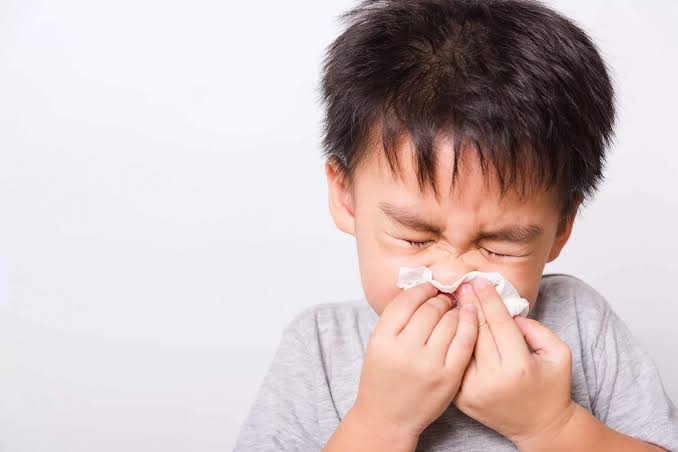
Understanding Childhood Allergies

Understanding Childhood Allergies

Allergies are among the most common health conditions affecting children worldwide. While some allergies cause only mild discomfort, others can significantly impact a child’s daily life and overall well-being. Recognizing allergy symptoms early and understanding how to manage them can help parents protect their children and reduce the risk of complications.

This guide to Understanding Childhood Allergies explores the causes, symptoms, diagnosis, treatment options, and preventive measures that every parent should know.

What Are Childhood Allergies?

An allergy occurs when the immune system mistakenly identifies a normally harmless substance as a threat. In response, the body releases chemicals such as histamine, which trigger allergy symptoms.

The substances that cause allergic reactions are known as allergens.

Common allergens include:

  • Pollen
  • Dust mites
  • Pet dander
  • Mold
  • Certain foods
  • Insect stings
  • Medications

Allergies can develop at any age, but many begin during childhood.

Why Do Children Develop Allergies?

The exact cause of allergies is not always clear, but several factors can increase a child’s risk.

Genetics

Children with a family history of allergies, asthma, or eczema are more likely to develop allergies themselves.

Environmental Exposure

Exposure to allergens in the home, school, or outdoor environment may contribute to allergic reactions.

Immune System Response

Allergies occur when the immune system overreacts to substances that are typically harmless to most people.

A combination of genetic and environmental factors often plays a role.

Common Types of Childhood Allergies

Children can experience various types of allergies, each with unique triggers and symptoms.

Food Allergies

Food allergies occur when the immune system reacts to specific foods.

Common food allergens include:

  • Milk
  • Eggs
  • Peanuts
  • Tree nuts
  • Soy
  • Wheat
  • Fish
  • Shellfish

Food allergies can range from mild to severe.

Seasonal Allergies

Seasonal allergies, also known as hay fever or allergic rhinitis, are often triggered by:

  • Tree pollen
  • Grass pollen
  • Weed pollen

Symptoms tend to worsen during certain times of the year when pollen levels are high.

Indoor Allergies

Indoor allergens may affect children year-round.

Common indoor triggers include:

  • Dust mites
  • Pet dander
  • Mold spores

These allergies can be particularly challenging because exposure may occur daily.

Skin Allergies

Skin allergies often cause irritation and inflammation.

Examples include:

  • Eczema
  • Contact dermatitis
  • Hives

Skin reactions may occur after exposure to allergens, irritants, or certain materials.

Insect Sting Allergies

Some children experience allergic reactions to insect stings from:

  • Bees
  • Wasps
  • Hornets

Severe reactions require immediate medical attention.

Common Symptoms of Childhood Allergies

Allergy symptoms vary depending on the allergen and the affected body system.

Respiratory Symptoms

  • Sneezing
  • Runny nose
  • Nasal congestion
  • Itchy nose
  • Coughing
  • Wheezing

Eye Symptoms

  • Itchy eyes
  • Redness
  • Excessive tearing
  • Swelling around the eyes

Skin Symptoms

  • Rash
  • Hives
  • Itching
  • Dry skin
  • Eczema flare-ups

Digestive Symptoms

Food allergies may cause:

  • Stomach pain
  • Nausea
  • Vomiting
  • Diarrhea

Severe Symptoms

In rare cases, allergies can lead to anaphylaxis, a serious medical emergency.

Signs may include:

  • Difficulty breathing
  • Swelling of the throat
  • Dizziness
  • Rapid heartbeat
  • Loss of consciousness

Emergency medical care is required immediately if anaphylaxis is suspected.

How Childhood Allergies Are Diagnosed

If allergies are suspected, a healthcare provider may recommend further evaluation.

Diagnostic methods may include:

Medical History Review

The provider will discuss symptoms, triggers, and family history.

Physical Examination

A physical exam helps identify signs of allergic reactions.

Allergy Testing

Testing may include:

  • Skin prick tests
  • Blood tests
  • Elimination diets for food allergies

Accurate diagnosis helps guide treatment and management strategies.

Managing Childhood Allergies

Although allergies cannot always be cured, effective management can significantly reduce symptoms and improve quality of life.

Avoiding Allergens

The most effective strategy is minimizing exposure to known triggers.

Examples include:

  • Keeping windows closed during high pollen seasons
  • Using dust-mite-proof bedding
  • Reducing indoor mold
  • Avoiding allergenic foods

Medications

Healthcare providers may recommend medications such as:

  • Antihistamines
  • Nasal sprays
  • Eye drops
  • Asthma medications when appropriate

Always follow medical guidance regarding medication use.

Allergy Immunotherapy

For certain allergies, immunotherapy may help reduce sensitivity over time.

This treatment involves controlled exposure to allergens under medical supervision.

Helping Children Cope with Allergies

Managing allergies can sometimes be stressful for children and families.

Parents can help by:

  • Educating children about their allergies
  • Teaching them to recognize symptoms
  • Informing caregivers and teachers
  • Preparing emergency action plans
  • Encouraging open communication

Knowledge and preparation help children feel more confident and safe.

Preventing Allergy Complications

Proper allergy management can help prevent complications such as:

  • Chronic sinus problems
  • Asthma flare-ups
  • Sleep disturbances
  • Poor school performance
  • Severe allergic reactions

Regular medical follow-up is important for monitoring symptoms and adjusting treatment plans when necessary.

When Should Parents Seek Medical Advice?

Parents should consult a healthcare provider if:

  • Symptoms are frequent or severe
  • Allergies interfere with daily activities
  • Over-the-counter treatments are ineffective
  • Breathing difficulties occur
  • Severe reactions are suspected

Early intervention often leads to better symptom control and improved outcomes.

Living Well with Childhood Allergies

Many children with allergies lead healthy, active lives when their condition is properly managed.

Successful allergy management involves:

  • Identifying triggers
  • Following treatment plans
  • Maintaining regular medical care
  • Staying informed about allergy prevention

With the right support, children can safely participate in school, sports, and other everyday activities.

Dr. Nikil Sudarsan is a highly experienced Pediatrician in Dubai, dedicated to providing comprehensive healthcare for infants, children, and adolescents. With expertise in Pediatric Neurology, Child Development, Autism, ADHD, Epilepsy, Genetics, and Developmental Disorders, he offers personalized, evidence-based care tailored to each child’s unique needs. Using the latest medical advancements and a family-centered approach, Dr. Nikil Sudarsan focuses on promoting healthy growth, early diagnosis, effective treatment, and long-term well-being, ensuring the best possible outcomes for every child. 

How to Build Healthy Habits in Children

How to Build Healthy Habits in Children

Healthy habits developed during childhood often last a lifetime. The routines and behaviors children learn at an early age can significantly influence their physical health, emotional well-being, and overall quality of life as they grow. Parents and caregivers play a vital role in helping children develop positive habits that support healthy development and long-term wellness.

Understanding How to Build Healthy Habits in Children can help families create a strong foundation for healthier lifestyles, better decision-making, and improved overall well-being.

Why Healthy Habits Matter

Children learn by observing and interacting with the world around them. Establishing healthy routines early helps them understand the importance of caring for their bodies and minds.

Healthy habits can:

  • Support physical growth and development
  • Strengthen the immune system
  • Improve academic performance
  • Promote emotional well-being
  • Reduce the risk of chronic health conditions
  • Encourage lifelong healthy behaviors

The earlier healthy habits are introduced, the easier they are to maintain throughout life.

Start with a Positive Example

Children often imitate the behaviors of parents and caregivers.

If adults demonstrate healthy habits such as:

  • Eating nutritious foods
  • Exercising regularly
  • Practicing good hygiene
  • Managing stress effectively

children are more likely to adopt similar behaviors.

Leading by example is one of the most effective ways to encourage healthy habits.

Encourage a Balanced Diet

Good nutrition is essential for healthy growth and development.

Offer Nutritious Foods

Include a variety of:

  • Fruits
  • Vegetables
  • Whole grains
  • Lean proteins
  • Dairy products or healthy alternatives

Providing balanced meals helps children receive the nutrients they need for healthy development.

Limit Processed Foods

Reduce consumption of:

  • Sugary snacks
  • Soft drinks
  • Fast food
  • Highly processed foods

Teaching children to make healthier food choices can support lifelong nutritional habits.

Promote Regular Physical Activity

Physical activity is important for both physical and mental health.

Benefits of Exercise for Children

Regular activity can:

  • Strengthen muscles and bones
  • Improve cardiovascular health
  • Support healthy weight management
  • Enhance mood and concentration
  • Promote better sleep

Make Activity Fun

Encourage activities such as:

  • Playing outdoors
  • Riding bicycles
  • Dancing
  • Swimming
  • Participating in sports

When exercise feels enjoyable, children are more likely to remain active.

Establish Healthy Sleep Routines

Sleep plays a critical role in growth, learning, and emotional regulation.

Create Consistent Bedtimes

A regular sleep schedule helps children develop healthy sleep habits.

Develop a Relaxing Bedtime Routine

Helpful activities may include:

  • Reading books
  • Taking a warm bath
  • Listening to calming music

Limiting screen time before bed can also improve sleep quality.

Children who get enough sleep often have better concentration, mood, and overall health.

Teach Good Hygiene Practices

Proper hygiene helps protect children from illness and supports overall well-being.

Important habits include:

  • Washing hands regularly
  • Brushing teeth twice daily
  • Bathing regularly
  • Covering coughs and sneezes

Teaching these habits early can help reduce the spread of germs and promote lifelong cleanliness.

Encourage Hydration

Water is essential for healthy body function.

Encourage children to:

  • Drink water throughout the day
  • Choose water over sugary beverages
  • Carry a reusable water bottle when appropriate

Proper hydration supports energy levels, concentration, and overall health.

Limit Screen Time

Technology is an important part of modern life, but excessive screen use can affect physical and emotional health.

Potential Effects of Too Much Screen Time

  • Reduced physical activity
  • Sleep disturbances
  • Eye strain
  • Decreased social interaction

Promote Balance

Encourage a healthy balance between:

  • Screen-based activities
  • Outdoor play
  • Reading
  • Family interactions
  • Creative hobbies

Establishing reasonable screen limits can support healthier lifestyles.

Foster Emotional Well-Being

Healthy habits extend beyond physical health.

Encourage Open Communication

Create opportunities for children to express their thoughts and feelings.

Teach Emotional Skills

Help children learn how to:

  • Recognize emotions
  • Manage frustration
  • Solve problems
  • Show empathy

Strong emotional skills contribute to resilience and positive mental health.

Create Consistent Daily Routines

Children thrive when they know what to expect.

Daily routines can include:

  • Regular meal times
  • Homework schedules
  • Physical activity
  • Bedtime routines

Consistency helps children feel secure while making healthy habits easier to maintain.

Use Positive Reinforcement

Encouragement and praise can motivate children to continue practicing healthy behaviors.

Examples include:

  • Acknowledging effort
  • Celebrating achievements
  • Offering positive feedback

Focusing on progress rather than perfection helps build confidence and motivation.

Involve Children in Decision-Making

Children are more likely to embrace healthy habits when they feel involved.

Allow them to:

  • Choose healthy snacks
  • Help prepare meals
  • Select physical activities
  • Participate in planning routines

Giving children appropriate choices encourages responsibility and independence.

Encourage Social Connections

Positive relationships contribute to emotional and social development.

Support opportunities for children to:

  • Spend time with family
  • Build friendships
  • Participate in group activities
  • Engage in community programs

Healthy social connections can improve confidence, communication skills, and emotional well-being.

Be Patient and Consistent

Developing healthy habits takes time.

Parents may encounter challenges, resistance, or setbacks along the way. Consistency, patience, and encouragement are key to long-term success.

Remember that small daily actions often lead to lasting positive changes.

Common Challenges Parents Face

Building healthy habits is not always easy.

Common obstacles include:

  • Busy schedules
  • Picky eating
  • Resistance to routines
  • Excessive screen use
  • Limited physical activity

Addressing challenges gradually and maintaining realistic expectations can make the process more manageable.

Long-Term Benefits of Healthy Habits

Children who develop healthy habits early often experience benefits that extend into adulthood.

These may include:

  • Better physical health
  • Improved mental well-being
  • Stronger self-esteem
  • Healthy relationships
  • Greater independence
  • Reduced risk of chronic diseases

Healthy habits provide a foundation for lifelong wellness and success.

Dr. Nikil Sudarsan is a highly experienced Pediatrician in Dubai, dedicated to providing comprehensive healthcare for infants, children, and adolescents. With expertise in Pediatric Neurology, Child Development, Autism, ADHD, Epilepsy, Genetics, and Developmental Disorders, he offers personalized, evidence-based care tailored to each child’s unique needs. Using the latest medical advancements and a family-centered approach, Dr. Nikil Sudarsan focuses on promoting healthy growth, early diagnosis, effective treatment, and long-term well-being, ensuring the best possible outcomes for every child. 

Why Mental Health Matters in Childhood

Childhood is a critical stage of emotional, cognitive, and social development. During these early years, children begin to form their understanding of the world, build relationships, and develop coping skills that will shape their future. While physical health is often prioritized, mental health is equally important in ensuring a child’s overall well-being.

Understanding Why Mental Health Matters in Childhood helps parents, educators, and caregivers recognize the importance of emotional support, early intervention, and a nurturing environment. Healthy mental development in childhood lays the foundation for confidence, resilience, and lifelong emotional stability.

What Is Mental Health in Children?

Mental health in children refers to their emotional, psychological, and social well-being. It affects how children think, feel, behave, and interact with others.

Good mental health helps children:

  • Develop healthy relationships
  • Manage emotions effectively
  • Cope with stress and challenges
  • Build self-confidence
  • Learn and focus better

Mental well-being is just as important as physical health for overall development.

Importance of Early Emotional Development

Early childhood is when emotional patterns begin to form. Children learn how to express feelings, respond to situations, and interact with others.

Strong emotional development helps children:

  • Understand their emotions
  • Build empathy toward others
  • Develop self-control
  • Handle frustration and disappointment

Positive emotional experiences during childhood create a strong foundation for mental well-being later in life.

Building Self-Esteem and Confidence

One of the key aspects of Why Mental Health Matters in Childhood is its role in building self-esteem.

Children with good mental health are more likely to:

  • Believe in their abilities
  • Take on new challenges
  • Develop independence
  • Feel secure and valued

Encouragement, praise, and support from adults play a major role in shaping a child’s confidence.

Impact on Learning and Academic Performance

Mental health directly influences a child’s ability to learn and perform academically.

Good mental well-being supports:

  • Better concentration
  • Improved memory
  • Increased motivation
  • Strong problem-solving skills

Children who feel emotionally secure are more likely to engage in learning and perform well in school.

Emotional Regulation and Behavior

Mental health plays a key role in how children manage their emotions and behavior.

Healthy emotional regulation helps children:

  • Control anger and frustration
  • Handle stress effectively
  • Respond calmly to challenges
  • Make thoughtful decisions

Without proper emotional support, children may struggle with behavioral difficulties.

Building Healthy Relationships

Social development is closely linked to mental health. Children learn how to interact with others through family, friends, and school environments.

Good mental health helps children:

  • Form positive friendships
  • Communicate effectively
  • Develop empathy and respect
  • Work well in groups

Healthy relationships contribute to emotional stability and happiness.

Coping with Stress and Change

Children may experience stress due to school pressure, family changes, or social challenges. Mental health support helps them cope with these situations.

Healthy coping skills include:

  • Talking about feelings
  • Seeking support from trusted adults
  • Engaging in play and hobbies
  • Practicing relaxation techniques

Teaching coping strategies early helps children manage future challenges more effectively.

The Role of Family in Mental Health

Family environment plays a major role in shaping a child’s mental well-being.

Supportive families help children feel:

  • Safe and secure
  • Loved and valued
  • Understood and accepted

Positive parenting practices include:

  • Open communication
  • Emotional support
  • Consistent routines
  • Positive reinforcement

A nurturing home environment is essential for healthy mental development.

Importance of School Environment

Schools also play a vital role in supporting children’s mental health.

A healthy school environment promotes:

  • Emotional safety
  • Respectful relationships
  • Anti-bullying measures
  • Support systems for students

Teachers and school counselors can help identify early signs of emotional distress.

Early Identification of Mental Health Issues

Recognizing mental health concerns early is important for timely intervention.

Signs may include:

  • Withdrawal from social activities
  • Sudden changes in behavior
  • Difficulty concentrating
  • Excessive fear or anxiety
  • Persistent sadness

Early support can prevent long-term emotional difficulties.

Role of Play in Mental Development

Play is essential for emotional and mental growth in children.

Through play, children learn to:

  • Express emotions
  • Develop creativity
  • Solve problems
  • Build social skills

Play also helps reduce stress and improve mood.

Healthy Habits for Strong Mental Health

Daily habits can significantly support a child’s mental well-being.

These include:

  • Regular physical activity
  • Adequate sleep
  • Balanced nutrition
  • Limited screen time
  • Positive social interaction

A healthy lifestyle contributes to emotional balance and stability.

Reducing Stigma Around Mental Health

One of the challenges in supporting children’s mental health is the stigma associated with emotional struggles.

It is important to:

  • Encourage open discussions
  • Normalize seeking help
  • Avoid labeling children negatively
  • Promote understanding and empathy

Breaking stigma ensures children receive the support they need without fear.

Role of Parents and Caregivers

Parents are the primary support system for a child’s mental health.

They can help by:

  • Listening without judgment
  • Providing emotional support
  • Encouraging expression of feelings
  • Seeking professional help when needed

Parental involvement is crucial for emotional stability.

When to Seek Professional Help

Professional support may be needed if a child shows persistent emotional or behavioral concerns.

Consult a specialist if there are:

  • Ongoing anxiety or sadness
  • Behavioral problems
  • Difficulty in school performance
  • Social withdrawal
  • Emotional instability

Early intervention improves outcomes significantly.

Long-Term Benefits of Good Mental Health

Strong mental health in childhood leads to lifelong benefits:

  • Better academic success
  • Stronger relationships
  • Improved emotional resilience
  • Higher self-confidence
  • Reduced risk of mental health disorders

Healthy emotional development creates a strong foundation for adulthood.

Dr. Nikil Sudarsan is a highly experienced Pediatrician in Dubai, dedicated to providing comprehensive healthcare for infants, children, and adolescents. With expertise in Pediatric Neurology, Child Development, Autism, ADHD, Epilepsy, Genetics, and Developmental Disorders, he offers personalized, evidence-based care tailored to each child’s unique needs. Using the latest medical advancements and a family-centered approach, Dr. Nikil Sudarsan focuses on promoting healthy growth, early diagnosis, effective treatment, and long-term well-being, ensuring the best possible outcomes for every child. 

Healthy Lifestyle Habits for Teenagers

Healthy Lifestyle Habits for Teenagers

Teenage years are a period of rapid physical growth, emotional development, and increasing independence. During this stage, the habits formed can strongly influence long-term health and well-being. Developing a balanced lifestyle helps teenagers stay physically fit, mentally strong, and socially confident.

Understanding Healthy Lifestyle Habits for Teenagers is essential for parents, educators, and teens themselves, as it encourages positive daily routines that support growth, academic success, and emotional stability. Healthy habits established during adolescence often continue into adulthood, shaping lifelong wellness.

Why Healthy Habits Matter During Teenage Years

Teenagers experience significant changes in hormones, brain development, and body structure. This makes it an important time to build strong health foundations.

Healthy lifestyle habits help teenagers:

  • Improve physical fitness and strength
  • Support brain development and learning
  • Maintain emotional balance
  • Reduce stress and anxiety
  • Prevent lifestyle-related diseases
  • Build confidence and self-discipline

These habits contribute to both short-term performance and long-term health.

Balanced Nutrition for Teenagers

Proper nutrition is one of the most important Healthy Lifestyle Habits for Teenagers.

Importance of Healthy Eating

A balanced diet supports:

  • Growth and development
  • Energy levels
  • Brain function
  • Immune system strength

Healthy Food Choices

Teenagers should include:

  • Fruits and vegetables
  • Whole grains
  • Lean proteins
  • Dairy or calcium-rich alternatives
  • Healthy fats

Limiting Unhealthy Foods

It is important to reduce:

  • Sugary snacks and drinks
  • Fast food
  • Processed foods
  • Excess caffeine

Good nutrition helps maintain energy and supports academic performance.

Regular Physical Activity

Exercise plays a key role in teenage health.

Benefits of Staying Active

  • Strong bones and muscles
  • Healthy weight management
  • Improved mood and confidence
  • Better focus and concentration
  • Reduced risk of chronic diseases

Recommended Activities

  • Sports (football, basketball, cricket)
  • Running or jogging
  • Swimming
  • Cycling
  • Gym workouts (age-appropriate)
  • Dance or fitness classes

Active teens are generally healthier and more energetic.

Importance of Adequate Sleep

Sleep is essential for growth, mental clarity, and emotional balance.

Benefits of Good Sleep

  • Improved memory and concentration
  • Better academic performance
  • Stronger immunity
  • Reduced stress

Healthy Sleep Habits

  • Consistent sleep schedule
  • Avoiding screens before bed
  • Creating a calm sleep environment
  • Getting 7–9 hours of sleep

Good sleep supports overall teenage development.

Managing Screen Time

Excessive screen time can affect health, sleep, and productivity.

Healthy Screen Habits

  • Setting daily limits
  • Taking breaks from devices
  • Avoiding screens during meals
  • Engaging in outdoor activities

Balancing screen use helps improve focus and physical activity levels.

Hydration and Water Intake

Proper hydration is essential for energy and overall health.

Benefits of Drinking Water

  • Improves concentration
  • Supports digestion
  • Maintains energy levels
  • Enhances physical performance

Teenagers should drink water regularly throughout the day, especially during physical activity.

Mental and Emotional Well-Being

Teenage years can be emotionally challenging due to academic pressure and social changes.

Healthy Emotional Habits

  • Expressing feelings openly
  • Managing stress effectively
  • Practicing mindfulness
  • Seeking support when needed

Stress Management Techniques

  • Exercise
  • Deep breathing
  • Hobbies and creative activities
  • Talking to trusted individuals

Emotional balance is just as important as physical health.

Personal Hygiene and Self-Care

Good hygiene is a key part of a healthy lifestyle.

Essential Hygiene Habits

  • Daily bathing
  • Brushing teeth twice a day
  • Regular handwashing
  • Clean clothing
  • Skin care routines

Proper hygiene boosts confidence and prevents illness.

Avoiding Harmful Habits

Teenagers should be aware of behaviors that negatively affect health.

Habits to Avoid

  • Smoking or vaping
  • Alcohol consumption
  • Substance abuse
  • Poor eating patterns
  • Excessive junk food intake

Avoiding harmful habits protects long-term physical and mental health.

Building Social and Healthy Relationships

Healthy relationships contribute to emotional well-being.

Positive Social Habits

  • Respecting others
  • Building friendships
  • Communicating effectively
  • Working in teams

Strong social connections help teenagers feel supported and confident.

Time Management and Discipline

Managing time effectively helps teenagers balance studies, activities, and rest.

Benefits of Good Time Management

  • Reduced stress
  • Improved academic performance
  • Better productivity
  • More free time for hobbies

Discipline supports long-term success in life.

Importance of Outdoor Activities

Spending time outdoors is beneficial for both physical and mental health.

Benefits

  • Improved mood
  • Better physical fitness
  • Reduced screen dependency
  • Enhanced creativity

Outdoor activities also encourage social interaction and active living.

Role of Parents and Schools

Parents and schools play a key role in encouraging healthy habits.

Support Strategies

  • Encouraging sports participation
  • Providing healthy meals
  • Setting good examples
  • Educating about health and wellness

A supportive environment helps teenagers adopt better habits.

Long-Term Benefits of Healthy Habits

Healthy lifestyle habits during teenage years lead to lifelong advantages:

  • Reduced risk of chronic diseases
  • Strong physical and mental health
  • Better academic and career success
  • Improved quality of life
  • Greater emotional resilience

These habits shape a healthier future.

Dr. Nikil Sudarsan is a highly experienced Pediatrician in Dubai, dedicated to providing comprehensive healthcare for infants, children, and adolescents. With expertise in Pediatric Neurology, Child Development, Autism, ADHD, Epilepsy, Genetics, and Developmental Disorders, he offers personalized, evidence-based care tailored to each child’s unique needs. Using the latest medical advancements and a family-centered approach, Dr. Nikil Sudarsan focuses on promoting healthy growth, early diagnosis, effective treatment, and long-term well-being, ensuring the best possible outcomes for every child. 
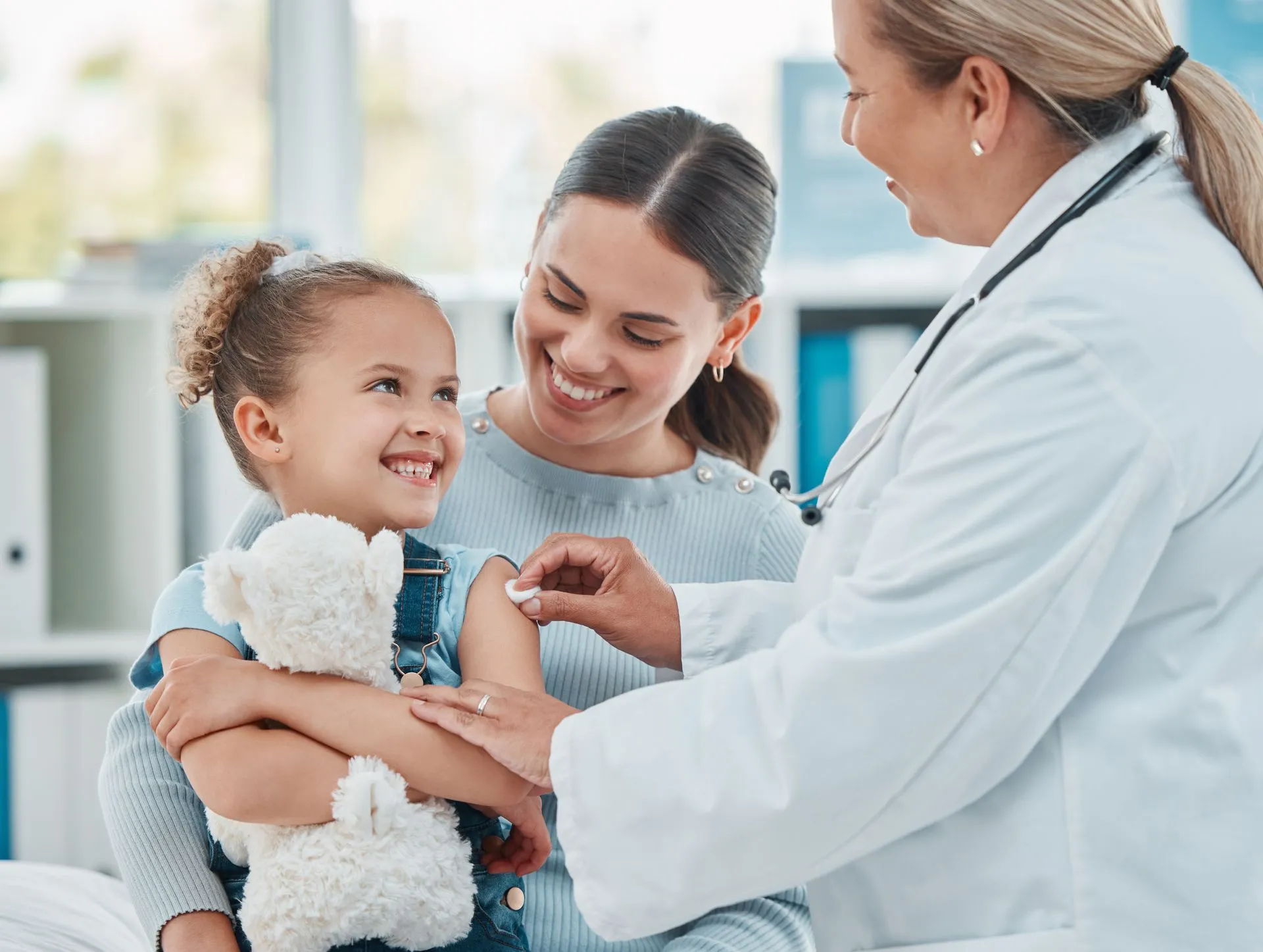
Preventive Healthcare for Children

Preventive Healthcare for Children

Children’s health requires continuous care, attention, and early intervention to ensure proper growth and development. Instead of waiting for illnesses to occur, preventive healthcare focuses on stopping health problems before they begin. This approach is one of the most effective ways to support lifelong wellness in children.

Understanding Preventive Healthcare for Children helps parents take proactive steps to protect their child’s physical, emotional, and developmental health. From vaccinations and routine checkups to nutrition and hygiene, preventive care plays a vital role in building a strong foundation for a healthy future.

What Is Preventive Healthcare?

Preventive healthcare refers to medical practices and lifestyle measures that aim to prevent diseases, detect health issues early, and promote overall well-being.

In children, preventive healthcare includes:

  • Routine pediatric checkups
  • Vaccinations
  • Growth and development monitoring
  • Nutrition guidance
  • Health screenings
  • Safety education

The goal is to reduce the risk of illness and ensure early detection of potential concerns.

Why Preventive Healthcare Is Important for Children

Children are more vulnerable to infections and developmental changes due to their growing immune systems and rapid physical development.

Preventive care helps:

  • Reduce risk of serious illnesses
  • Support healthy growth and development
  • Detect health issues early
  • Improve long-term health outcomes
  • Lower healthcare costs
  • Promote overall well-being

Early care ensures children develop in a safe and healthy environment.

Role of Vaccinations in Preventive Healthcare

Vaccinations are one of the most important components of Preventive Healthcare for Children. They protect children from many infectious diseases that can cause serious complications.

Vaccines help prevent diseases such as:

  • Measles
  • Polio
  • Hepatitis
  • Whooping cough
  • Diphtheria
  • Tetanus

Benefits of vaccination include:

  • Strong immunity development
  • Reduced risk of outbreaks
  • Protection for vulnerable individuals
  • Long-term disease prevention

Following the recommended immunization schedule is essential for full protection.

Regular Pediatric Checkups

Routine health checkups help monitor a child’s growth, development, and overall health.

During checkups, doctors:

  • Measure height and weight
  • Track developmental milestones
  • Conduct physical examinations
  • Review vaccinations
  • Identify early health concerns

Regular visits ensure timely intervention and continuous health monitoring.

Growth and Development Monitoring

Preventive healthcare includes tracking how a child grows physically, mentally, and emotionally.

Monitoring helps assess:

  • Physical growth patterns
  • Cognitive development
  • Motor skills
  • Social behavior

Early identification of developmental delays allows for timely support and treatment.

Importance of Nutrition in Preventive Care

Proper nutrition is essential for building strong immunity and supporting growth.

A healthy diet for children should include:

  • Fruits and vegetables
  • Whole grains
  • Lean proteins
  • Dairy or calcium-rich foods
  • Healthy fats

Good nutrition helps:

  • Strengthen immunity
  • Support brain development
  • Improve energy levels
  • Promote healthy growth

Preventive healthcare strongly emphasizes balanced eating habits.

Hygiene and Infection Prevention

Teaching children proper hygiene habits is a key part of disease prevention.

Important hygiene practices include:

  • Regular handwashing
  • Brushing teeth twice daily
  • Bathing regularly
  • Keeping nails clean
  • Avoiding contact with sick individuals

Good hygiene helps reduce the spread of infections and supports overall health.

Role of Physical Activity

Physical activity is essential for maintaining a child’s physical and mental well-being.

Benefits include:

  • Strong bones and muscles
  • Healthy weight maintenance
  • Improved immunity
  • Better concentration
  • Reduced stress

Active children are generally healthier and more resilient.

Importance of Early Disease Detection

Preventive healthcare focuses on identifying health issues before they become serious.

Common conditions detected early include:

  • Vision problems
  • Hearing issues
  • Nutritional deficiencies
  • Growth delays
  • Chronic conditions

Early detection allows for timely treatment and better outcomes.

Mental and Emotional Health Support

Preventive healthcare also includes emotional and behavioral well-being.

Children may be assessed for:

  • Anxiety or stress
  • Behavioral changes
  • Social interaction difficulties
  • Learning challenges

Early support helps improve emotional resilience and overall development.

Safety and Injury Prevention

Preventing injuries is an important part of child healthcare.

Safety measures include:

  • Proper use of car seats
  • Safe home environments
  • Supervision during play
  • Road safety education
  • Avoiding hazardous objects

Preventive safety practices reduce the risk of accidents and injuries.

Importance of Sleep in Child Health

Adequate sleep supports growth, brain development, and immune function.

Healthy sleep habits include:

  • Consistent sleep schedule
  • Age-appropriate sleep duration
  • Comfortable sleep environment
  • Limited screen time before bed

Good sleep is essential for overall preventive care.

Parental Role in Preventive Healthcare

Parents play a crucial role in ensuring children receive proper preventive care.

Responsibilities include:

  • Scheduling regular checkups
  • Following vaccination schedules
  • Encouraging healthy habits
  • Monitoring development
  • Seeking medical advice when needed

Parental involvement ensures consistent and effective healthcare.

Benefits of Preventive Healthcare for Children

Preventive healthcare offers long-term advantages, including:

  • Reduced risk of disease
  • Better physical development
  • Improved mental health
  • Stronger immunity
  • Lower healthcare costs
  • Better quality of life

These benefits contribute to lifelong wellness.

When to Consult a Pediatrician

Parents should seek medical advice if a child shows:

  • Delayed development
  • Frequent illness
  • Sudden behavioral changes
  • Poor appetite or growth issues
  • Ongoing health concerns

Timely consultation ensures proper diagnosis and care.

Building a Lifelong Foundation for Health

Preventive healthcare during childhood sets the foundation for lifelong well-being. Healthy habits developed early often continue into adulthood, reducing the risk of chronic diseases later in life.

A strong preventive approach includes:

  • Balanced nutrition
  • Regular physical activity
  • Routine medical care
  • Healthy lifestyle habits
  • Emotional support

Dr. Nikil Sudarsan is a highly experienced Pediatrician in Dubai, dedicated to providing comprehensive healthcare for infants, children, and adolescents. With expertise in Pediatric Neurology, Child Development, Autism, ADHD, Epilepsy, Genetics, and Developmental Disorders, he offers personalized, evidence-based care tailored to each child’s unique needs. Using the latest medical advancements and a family-centered approach, Dr. Nikil Sudarsan focuses on promoting healthy growth, early diagnosis, effective treatment, and long-term well-being, ensuring the best possible outcomes for every child. 

Importance of Regular Pediatric Checkups

Importance of Regular Pediatric Checkups

A child’s health is constantly evolving, especially during the early years of rapid growth and development. Regular medical care plays a crucial role in ensuring that children grow in a healthy and well-monitored environment. One of the most effective ways to support a child’s overall well-being is through routine visits to a pediatrician.

Understanding the Importance of Regular Pediatric Checkups helps parents recognize how preventive healthcare can detect issues early, support healthy development, and ensure timely medical guidance. These routine visits are not only for treating illness but also for monitoring growth, development, nutrition, and overall wellness.

What Are Pediatric Checkups?

Pediatric checkups are routine medical visits where a doctor evaluates a child’s physical, emotional, and developmental health. These visits are scheduled at regular intervals, even when the child is not sick.

During a typical checkup, a pediatrician may:

  • Measure height, weight, and head circumference
  • Monitor growth and development milestones
  • Conduct physical examinations
  • Review vaccination status
  • Discuss nutrition and lifestyle habits
  • Address parental concerns

These checkups help ensure that children are developing appropriately at each stage of life.

Why Regular Pediatric Checkups Are Important

Routine pediatric visits are essential for maintaining long-term health and preventing future complications.

Key benefits include:

  • Early detection of health issues
  • Monitoring growth and development
  • Preventive healthcare guidance
  • Timely vaccinations
  • Nutritional assessment
  • Developmental milestone tracking

Consistent checkups help create a strong foundation for lifelong health.

Early Detection of Health Problems

One of the most important aspects of Importance of regular Pediatric Checkups is the ability to identify potential health concerns early.

Regular screenings can help detect:

  • Vision or hearing issues
  • Developmental delays
  • Nutritional deficiencies
  • Growth abnormalities
  • Chronic health conditions

Early detection allows for timely intervention, which often leads to better outcomes.

Monitoring Growth and Development

Children grow rapidly, especially in the first few years of life. Pediatric checkups help ensure that growth is on track.

Doctors monitor:

  • Height and weight progression
  • Physical development
  • Cognitive milestones
  • Motor skill development

Tracking these factors helps identify whether a child is developing within expected ranges.

Ensuring Timely Vaccinations

Vaccinations are a vital part of preventive healthcare. Pediatric visits ensure that children receive vaccines according to recommended schedules.

Vaccinations help:

  • Protect against serious diseases
  • Strengthen immunity
  • Prevent outbreaks in communities
  • Reduce risk of complications

Regular checkups help maintain accurate vaccination records and timely administration.

Nutritional Guidance and Healthy Growth

Proper nutrition is essential for a child’s development. Pediatricians provide valuable guidance on healthy eating habits based on age and growth needs.

They may help with:

  • Balanced diet recommendations
  • Managing picky eating habits
  • Addressing food allergies
  • Preventing nutritional deficiencies

Good nutrition supports physical growth, brain development, and overall health.

Developmental Milestone Tracking

Children reach different milestones as they grow, such as walking, talking, and social interaction. Pediatric checkups help ensure these milestones are achieved at appropriate stages.

Milestones include:

  • Language development
  • Motor skills
  • Social behavior
  • Cognitive abilities

Monitoring development helps identify early signs of delays that may require support.

Building a Strong Doctor-Parent Relationship

Regular visits help build trust and communication between parents and healthcare providers. This relationship is important for effective child healthcare.

Benefits include:

  • Open communication about concerns
  • Better understanding of child health needs
  • Personalized medical advice
  • Improved healthcare decisions

A strong relationship ensures better long-term care for the child.

Preventive Healthcare and Early Intervention

Pediatric checkups focus not only on treatment but also on prevention. Preventive care helps reduce the risk of illness and long-term health complications.

Preventive measures include:

  • Health screenings
  • Lifestyle guidance
  • Immunizations
  • Early treatment recommendations

Prevention is always more effective than treatment after illness develops.

Addressing Behavioral and Emotional Health

Children’s emotional and behavioral health is just as important as physical health. Pediatricians help identify concerns related to behavior, learning, and emotional development.

They may assess:

  • Attention and focus
  • Emotional regulation
  • Social interaction
  • Behavioral patterns

Early support can improve long-term emotional well-being.

Supporting Parents with Guidance and Education

Raising a child comes with many questions and challenges. Pediatric checkups provide an opportunity for parents to receive expert guidance.

Parents can learn about:

  • Sleep routines
  • Safety practices
  • Nutrition plans
  • Screen time management
  • Developmental expectations

This support helps parents make informed decisions about their child’s care.

Strengthening Immunity Through Routine Care

Regular visits ensure that a child’s immune system is supported through timely vaccinations and health monitoring.

Benefits include:

  • Protection from preventable diseases
  • Improved immune response
  • Reduced infection risks
  • Long-term health protection

A strong immune system is essential for healthy growth.

Creating Healthy Lifestyle Habits Early

Pediatric checkups encourage the development of healthy habits from an early age.

These include:

  • Balanced nutrition
  • Regular physical activity
  • Good sleep habits
  • Hygiene practices

Early lifestyle habits often continue into adulthood, shaping long-term health.

When Should Children Visit a Pediatrician?

In addition to routine scheduled visits, children should see a pediatrician when:

  • They experience frequent illness
  • Growth concerns arise
  • Developmental delays are noticed
  • Behavioral changes occur
  • Parents have health-related concerns

Timely consultation ensures proper care and peace of mind.

Importance of Consistency in Checkups

Consistency is key when it comes to pediatric care. Missing regular appointments may lead to delayed detection of health issues or missed vaccinations.

Regular visits ensure:

  • Continuous health monitoring
  • Updated medical records
  • Timely preventive care
  • Better long-term outcomes

Consistency supports a child’s overall health journey.

Dr. Nikil Sudarsan is a highly experienced Pediatrician in Dubai, dedicated to providing comprehensive healthcare for infants, children, and adolescents. With expertise in Pediatric Neurology, Child Development, Autism, ADHD, Epilepsy, Genetics, and Developmental Disorders, he offers personalized, evidence-based care tailored to each child’s unique needs. Using the latest medical advancements and a family-centered approach, Dr. Nikil Sudarsan focuses on promoting healthy growth, early diagnosis, effective treatment, and long-term well-being, ensuring the best possible outcomes for every child.