
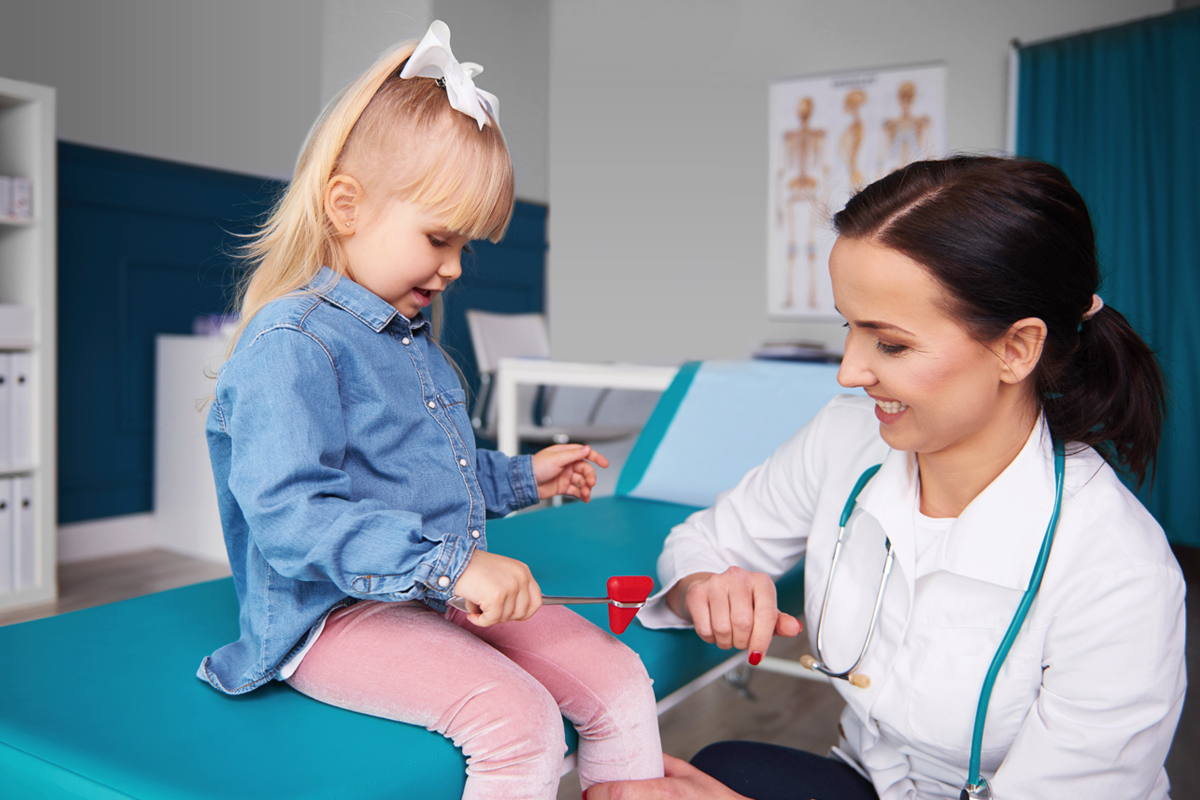
Every parent wants their child to grow up healthy, happy, and confident. Building healthy habits during childhood lays the foundation for lifelong physical, mental, and emotional well-being. From balanced nutrition and regular physical activity to quality sleep and routine healthcare, small daily choices can have a lasting impact. Understanding Practical Tips for Raising Healthy Children helps parents create a supportive environment where children can thrive.
In this article, we’ll explore simple yet effective strategies to promote healthy growth and development at every stage of childhood.
Why Healthy Habits Matter
Childhood is a period of rapid growth and development. During these years, children develop physically, emotionally, socially, and intellectually. Healthy routines not only reduce the risk of illness but also improve concentration, learning, emotional resilience, and overall quality of life.
Parents and caregivers play a vital role in shaping these lifelong habits through consistent guidance and positive role modeling.
Provide a Balanced and Nutritious Diet
One of the most important Practical Tips for Raising Healthy Children is ensuring they receive balanced nutrition.
Offer meals that include:
- Fresh fruits and vegetables
- Whole grains
- Lean proteins such as fish, chicken, eggs, and beans
- Dairy products or calcium-rich alternatives
- Healthy fats from nuts, seeds, and avocados
Limit sugary drinks, highly processed foods, and excessive snacks. Encourage children to drink plenty of water throughout the day to stay hydrated.
Encourage Daily Physical Activity
Regular physical activity supports healthy growth, strengthens muscles and bones, improves heart health, and enhances mood.
Encourage children to participate in activities they enjoy, such as:
- Running and outdoor games
- Cycling
- Swimming
- Dancing
- Team sports
- Playground activities
Aim for at least 60 minutes of age-appropriate physical activity most days of the week.
Prioritize Quality Sleep
Sleep is essential for healthy brain development, learning, memory, and emotional well-being.
Establish healthy sleep habits by:
- Maintaining a consistent bedtime routine
- Keeping regular sleep and wake times
- Creating a quiet and comfortable sleep environment
- Limiting screen time before bedtime
Children of different ages require varying amounts of sleep, so follow age-appropriate sleep recommendations.
Support Emotional Well-Being
A child’s emotional health is just as important as physical health.
Parents can support emotional development by:
- Listening without judgment
- Encouraging children to express their feelings
- Praising effort rather than perfection
- Spending quality family time together
- Teaching healthy ways to manage stress
A nurturing environment helps children build confidence, resilience, and strong relationships.
Encourage Good Personal Hygiene
Teaching proper hygiene helps prevent infections and promotes lifelong healthy habits.
Important hygiene practices include:
- Brushing teeth twice daily with fluoride toothpaste
- Flossing once teeth begin touching
- Washing hands before meals and after using the bathroom
- Bathing regularly
- Covering coughs and sneezes
- Keeping fingernails clean and trimmed
Leading by example encourages children to adopt these routines naturally.
Limit Screen Time
While technology offers educational benefits, excessive screen use can affect sleep, physical activity, attention, and social interaction.
Set healthy limits by:
- Encouraging outdoor play
- Promoting reading and creative activities
- Establishing screen-free family times
- Avoiding screens during meals and before bedtime
Balancing digital and offline activities supports healthy development.
Schedule Regular Health Checkups
Routine visits with your pediatrician help monitor your child’s growth and development while identifying health concerns early.
Regular checkups include:
- Growth monitoring
- Developmental assessments
- Vision and hearing screenings
- Immunizations
- Nutritional guidance
- Preventive healthcare advice
Preventive care helps keep children healthy as they grow.
Keep Vaccinations Up to Date
Vaccinations protect children from many serious infectious diseases.
Follow your healthcare provider’s recommended immunization schedule to reduce the risk of preventable illnesses and support community health.
If you have questions about vaccines, discuss them with your child’s pediatrician.
Encourage Learning Through Play
Play is an essential part of healthy child development.
Activities such as:
- Reading books
- Building with blocks
- Drawing and coloring
- Pretend play
- Music and singing
- Educational games
help develop language, creativity, problem-solving, and social skills while making learning enjoyable.
Teach Healthy Eating Habits
Healthy eating involves more than choosing nutritious foods.
Parents can encourage lifelong healthy habits by:
- Eating meals together as a family
- Introducing a variety of healthy foods
- Allowing children to recognize hunger and fullness cues
- Avoiding food as a reward or punishment
- Involving children in meal planning and preparation
Positive mealtime experiences foster healthy relationships with food.
Ensure Safety at Home and Outdoors
Creating a safe environment is another essential aspect of Practical Tips for Raising Healthy Children.
Safety measures include:
- Using age-appropriate car seats and seat belts
- Supervising children near water
- Installing safety gates and outlet covers for young children
- Encouraging helmet use while cycling
- Keeping medicines and hazardous products out of reach
Simple precautions help prevent accidents and injuries.
Encourage Open Communication
Children should feel comfortable talking with parents about their thoughts, concerns, and experiences.
Create opportunities for meaningful conversations by:
- Asking open-ended questions
- Listening attentively
- Respecting their opinions
- Providing reassurance during difficult situations
Strong communication builds trust and supports emotional health.
Be a Positive Role Model
Children often learn by observing adults.
Parents who demonstrate healthy eating, regular exercise, kindness, good hygiene, and positive coping strategies encourage children to adopt these behaviors naturally.
Consistency between words and actions has a lasting influence.
When Should Parents Seek Professional Advice?
Consult your child’s healthcare provider if you notice:
- Delayed developmental milestones
- Persistent behavioral changes
- Difficulty eating or sleeping
- Frequent illnesses
- Learning concerns
- Emotional difficulties
- Significant changes in growth or weight
Early evaluation allows concerns to be addressed before they become more serious.
Dr. Nikil Sudarsan is a highly experienced Pediatrician in Dubai, dedicated to providing comprehensive healthcare for infants, children, and adolescents. With expertise in Pediatric Neurology, Child Development, Autism, ADHD, Epilepsy, Genetics, and Developmental Disorders, he offers personalized, evidence-based care tailored to each child’s unique needs. Using the latest medical advancements and a family-centered approach, Dr. Nikil Sudarsan focuses on promoting healthy growth, early diagnosis, effective treatment, and long-term well-being, ensuring the best possible outcomes for every child.