
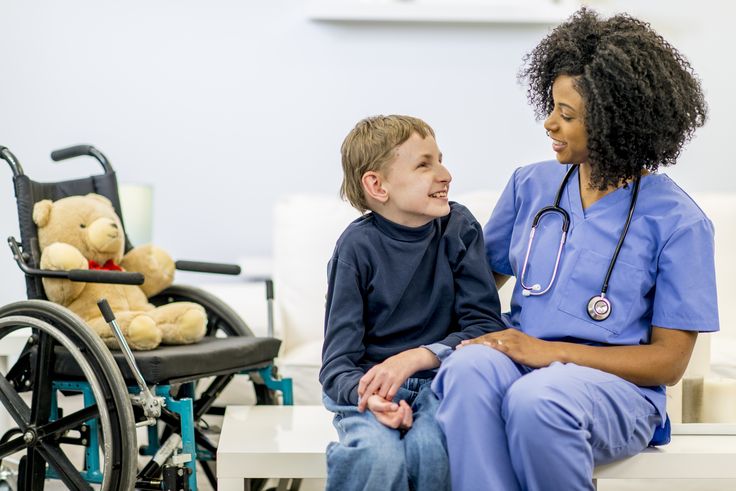
Pediatric Developmental Screening Importance

Pediatric Developmental Screening Importance

Pediatric developmental screening importance lies in identifying how a child is progressing across important areas of growth and development. Children develop at different rates, but regular developmental screening can help parents and healthcare professionals understand whether a child is reaching expected milestones. Early identification of developmental concerns can support timely evaluation, guidance, and intervention when needed.

Developmental screening looks at several areas, including communication, movement, learning, behavior, social interaction, and emotional development. It is not designed to label a child or predict their future. Instead, it provides useful information about a child’s current development and helps determine whether additional assessment may be beneficial.

Understanding Developmental Milestones

Developmental milestones are skills that many children achieve within a particular age range. These may include smiling, sitting, walking, speaking words, following instructions, interacting with others, and developing problem-solving abilities.

Milestones provide general guidance rather than strict deadlines. Some children may reach certain skills earlier or later than their peers. However, significant delays, loss of previously acquired skills, or difficulties across several developmental areas may require further evaluation.

Regular screening helps track these changes over time and provides an opportunity to discuss concerns with a pediatric healthcare professional.

Identifying Developmental Concerns Early

One of the major reasons for pediatric developmental screening is early identification. Some developmental differences may not be obvious during everyday activities, particularly when parents are unsure what behaviors are expected at a particular age.

Screening can help identify possible concerns involving speech and language, motor skills, social interaction, attention, learning, or behavior. Recognizing these concerns earlier can allow families to seek appropriate support instead of waiting for difficulties to become more noticeable.

Early attention can be especially helpful because young children are continually developing new skills and may benefit from targeted support during important stages of growth.

Monitoring Speech and Language Development

Communication is an important part of childhood development. Children gradually learn to understand language, express their needs, use words, form sentences, and participate in conversations.

Developmental screening can help identify possible speech and language concerns. For example, a child may have difficulty understanding simple instructions, communicating needs, using age-appropriate words, or interacting verbally with others.

When concerns are identified, a healthcare professional may recommend additional assessment or support, such as a speech and language evaluation. Early guidance can help families understand how to encourage communication skills at home.

Assessing Motor Development

Motor development includes both large and small movements. Gross motor skills involve activities such as sitting, standing, walking, running, and jumping. Fine motor skills include using fingers and hands for activities such as holding objects, drawing, feeding, or manipulating toys.

Screening can help determine whether a child is developing these skills appropriately for their age. Difficulties with coordination, balance, movement, or hand use may sometimes require further assessment.

Parents can support motor development through age-appropriate play, outdoor activities, drawing, building blocks, puzzles, and other activities that encourage movement and coordination.

Supporting Social and Emotional Development

Children also develop important social and emotional skills as they grow. These include forming relationships, responding to others, expressing emotions, following simple social rules, sharing, and gradually developing independence.

Developmental screening can provide insight into how a child interacts with parents, siblings, caregivers, and other children. Differences in social communication, emotional responses, or behavior may sometimes indicate a need for closer monitoring.

Understanding these areas can help parents create supportive routines and provide children with opportunities to practice social and emotional skills.

Tracking Cognitive and Learning Skills

Cognitive development involves thinking, remembering, learning, paying attention, understanding concepts, and solving problems. Children develop these abilities through everyday experiences, play, communication, and exploration.

Developmental screening can help assess whether a child is progressing in areas such as attention, memory, understanding, and problem-solving. If concerns arise, further evaluation can help identify the type of support a child may benefit from.

Parents can encourage cognitive development through reading, storytelling, puzzles, pretend play, counting games, and conversations about everyday experiences.

The Role of Parents in Developmental Screening

Parents play an important role because they observe their children in everyday situations. They may notice changes in behavior, communication, learning, movement, or social interaction that are not immediately visible during a short healthcare visit.

Parents should share their observations and concerns during pediatric appointments. Information about a child’s routines, behavior, communication, interactions, and progress can provide valuable context for developmental assessment.

Keeping track of milestones and discussing any concerns early can make developmental monitoring more effective.

Benefits of Regular Developmental Monitoring

Developmental screening is not only useful when a problem is suspected. Regular monitoring allows healthcare professionals to follow a child’s progress over time and identify changes that may need attention.

The benefits may include earlier recognition of developmental differences, better understanding of a child’s strengths and needs, appropriate referrals, parental guidance, and timely access to supportive services.

Screening can also provide reassurance when a child is progressing as expected and help parents understand what skills may develop next.

Creating a Supportive Environment at Home

A child’s development is influenced by everyday experiences. Parents can support healthy development by providing opportunities for play, reading, conversation, physical activity, social interaction, and exploration.

Consistent sleep routines, balanced nutrition, positive relationships, and reasonable screen-time habits can also contribute to overall development. Children benefit from environments where they feel safe, supported, encouraged, and comfortable trying new activities.

Dr. Nikil Sudarsan is a highly experienced Pediatrician in Dubai, dedicated to providing comprehensive healthcare for infants, children, and adolescents. With expertise in Pediatric Neurology, Child Development, Autism, ADHD, Epilepsy, Genetics, and Developmental Disorders, he offers personalized, evidence-based care tailored to each child’s unique needs. Using the latest medical advancements and a family-centered approach, Dr. Nikil Sudarsan focuses on promoting healthy growth, early diagnosis, effective treatment, and long-term well-being, ensuring the best possible outcomes for every child. 
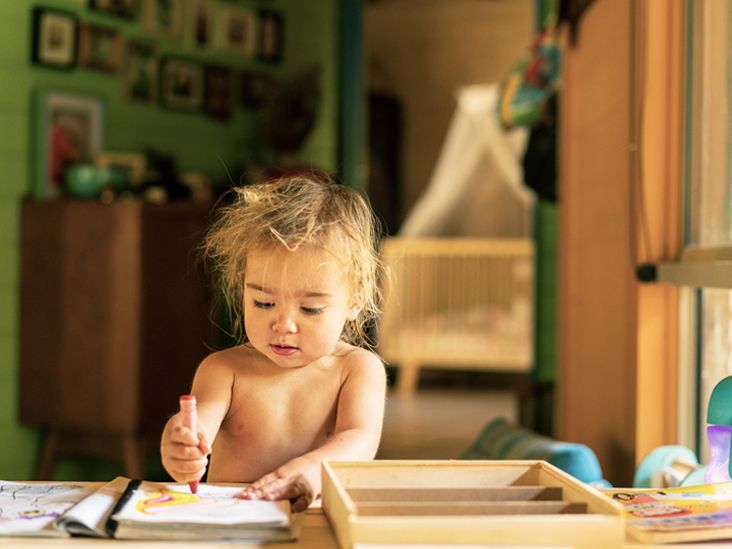
Cognitive Development in Early Childhood

Cognitive Development in Early Childhood

Cognitive Development in Early Childhood refers to how young children develop the ability to think, learn, remember, communicate, understand information, solve problems, and make sense of the world around them. The early years are an important period for brain development, and everyday experiences can influence how children build new skills and understand their environment.

Children develop at different rates, so there can be natural differences in how quickly they reach certain milestones. Parents, caregivers, and pediatricians can support healthy cognitive development by providing stimulating experiences, encouraging communication, maintaining healthy routines, and monitoring developmental progress.

Building Thinking and Learning Skills

Young children learn through observation, exploration, play, and interaction. Everyday experiences give them opportunities to understand cause and effect, recognize patterns, remember information, and solve simple problems.

Activities such as puzzles, building blocks, sorting games, drawing, and pretend play can encourage children to think creatively and experiment with different solutions. Parents can support this process by allowing children to explore safely rather than immediately providing answers.

These simple experiences can help develop curiosity and independent thinking.

Language and Cognitive Development

Language is closely connected with cognitive development. Children use communication to understand their surroundings, express ideas, ask questions, and interact with others.

Parents can encourage language development by talking with children throughout the day, reading books together, singing songs, and describing everyday activities. Asking children to explain what they see or remember can also encourage them to organize their thoughts.

Regular conversations provide opportunities for children to learn new words and develop stronger understanding.

The Importance of Play

Play is one of the most natural ways children learn. Through play, children can practice memory, problem-solving, communication, imagination, and decision-making skills.

Pretend play allows children to create stories and explore different roles. Building activities can encourage planning and spatial awareness, while board games and simple matching activities can support memory and attention.

Children do not always need structured educational activities. Unstructured play can also provide valuable opportunities for exploration and creativity.

Supporting Memory and Attention

Memory and attention develop gradually during early childhood. Parents can support these abilities through simple activities that require children to remember information or focus on a task.

Reading the same story and asking children to recall events, playing matching games, or asking them to follow simple instructions can provide opportunities to practice memory and attention.

A calm environment and predictable routines can also help young children focus and understand expectations.

Encouraging Problem-Solving

Problem-solving skills begin developing through everyday experiences. Children may encounter simple challenges while playing, building, drawing, or completing activities.

Parents can encourage children to think through problems by asking questions such as what they could try next or how they might solve a challenge. Giving children time to experiment can help them develop confidence in their own abilities.

Making mistakes is also a normal part of learning. Children can benefit when adults treat mistakes as opportunities to try a different approach.

The Role of Nutrition and Sleep

Healthy brain development is supported by overall physical health. A balanced diet provides nutrients that children need for growth and development, while adequate sleep supports learning, memory, attention, and emotional regulation.

Parents can establish consistent sleep routines and provide a variety of nutritious foods appropriate for the child’s age and needs.

Regular physical activity is also beneficial because movement supports overall health and gives children opportunities to develop coordination and explore their environment.

Social Interaction and Learning

Children learn important cognitive and communication skills through interactions with parents, siblings, caregivers, and other children. Conversations, shared activities, and group play provide opportunities to practice listening, understanding emotions, taking turns, and responding to others.

Positive social experiences can also support confidence and communication. Children learn by observing how adults communicate, solve problems, and respond to different situations.

A supportive environment can encourage children to ask questions and explore new experiences.

Managing Screen Time

Digital devices can provide educational and entertainment opportunities, but young children also need time for physical activity, face-to-face interaction, creative play, and sleep.

Parents can create balanced routines that include age-appropriate screen use alongside reading, outdoor play, family activities, and hands-on learning.

When children use digital content, parents can improve the learning experience by participating, discussing what they see, and connecting digital activities with real-world experiences.

Monitoring Developmental Milestones

Children develop cognitive skills at different rates, but developmental milestones provide useful guidance. Pediatricians may monitor areas such as language, memory, attention, learning, problem-solving, social interaction, and behavior during routine checkups.

Parents should share any concerns about a child’s development with their pediatrician. Early discussion can help determine whether additional monitoring, assessment, or professional support may be appropriate.

Developmental support can be particularly valuable when concerns are identified early.

Creating a Supportive Learning Environment

A positive home environment can encourage children to explore and learn. Parents can provide books, age-appropriate toys, creative materials, and opportunities for outdoor exploration without creating unnecessary academic pressure.

Children benefit from encouragement and positive feedback. Recognizing effort can help build confidence and motivate children to continue trying new activities.

Regular family conversations, shared reading, and interactive play can become simple but effective parts of everyday learning.

Dr. Nikil Sudarsan is a highly experienced Pediatrician in Dubai, dedicated to providing comprehensive healthcare for infants, children, and adolescents. With expertise in Pediatric Neurology, Child Development, Autism, ADHD, Epilepsy, Genetics, and Developmental Disorders, he offers personalized, evidence-based care tailored to each child’s unique needs. Using the latest medical advancements and a family-centered approach, Dr. Nikil Sudarsan focuses on promoting healthy growth, early diagnosis, effective treatment, and long-term well-being, ensuring the best possible outcomes for every child. 

How Pediatricians Track Developmental Delays

How Pediatricians Track Developmental Delays

Children develop at different rates, but certain developmental milestones can help parents and healthcare professionals understand how a child is progressing. Development includes physical movement, language, thinking, social interaction, emotional skills, and everyday abilities. When a child is not reaching certain milestones as expected, pediatricians can help identify possible developmental delays and recommend appropriate support.

Understanding How Pediatricians Track Developmental Delays can help parents recognize the importance of regular pediatric checkups. Pediatricians use several methods to monitor development over time rather than relying on a single observation or assessment.

Monitoring Developmental Milestones

Pediatricians regularly monitor age-appropriate developmental milestones during routine visits. These milestones can include skills such as sitting, walking, speaking, following instructions, interacting with others, playing, and solving simple problems.

Parents are often asked about what their child can do at home because children may behave differently in a clinical setting. Information from caregivers can provide valuable insight into communication, behavior, learning, and daily activities.

Tracking milestones over multiple visits helps pediatricians understand a child’s developmental progress.

Developmental Screening

Developmental screening is a structured process used to identify children who may need a more detailed evaluation. Pediatricians may use standardized screening tools at appropriate ages to assess areas such as language, motor skills, social development, behavior, and cognitive abilities.

Screening does not automatically mean that a child has a developmental disorder. Instead, it can indicate that further assessment may be useful.

Regular screening can help identify potential concerns earlier, allowing families to explore suitable support options.

Listening to Parents and Caregivers

Parents and caregivers are important sources of information when assessing a child’s development. They observe the child in everyday situations and may notice changes or concerns that are not immediately visible during a short appointment.

Pediatricians may ask questions about speech, play, eating, sleep, behavior, social interaction, learning, and physical abilities. Parents should feel comfortable sharing both concerns and positive developmental changes.

Open communication between families and pediatricians can make developmental monitoring more accurate and useful.

Observing the Child During Visits

Pediatricians may observe how a child interacts with parents, responds to sounds, communicates, plays, follows instructions, and moves around during an appointment.

These observations can provide additional information about development. However, a single visit may not provide a complete picture because children can be shy, tired, anxious, or distracted in a healthcare environment.

For this reason, pediatricians generally consider observations alongside developmental history, screening results, and information from caregivers.

Reviewing Development Over Time

Developmental monitoring is an ongoing process. A child may reach some milestones earlier and others later, so pediatricians look at overall patterns rather than focusing on one isolated skill.

Keeping records of developmental progress can help healthcare professionals identify changes over time. If a child previously demonstrated a skill but later loses it, parents should discuss this with their pediatrician promptly.

Regular checkups provide opportunities to review development and determine whether additional assessment may be appropriate.

Assessing Speech and Language

Communication is an important area of child development. Pediatricians monitor skills such as babbling, using words, understanding language, responding to communication, and expressing needs.

If a child shows possible speech or language difficulties, the pediatrician may recommend further assessment by a speech and language professional or another appropriate specialist.

Early attention to communication concerns can help children receive suitable support when needed.

Monitoring Social and Behavioral Development

Social and behavioral skills are also important parts of development. Pediatricians may consider how children interact with caregivers and peers, respond to social situations, communicate emotions, play, and adapt to changes.

Behavioral concerns can have many possible causes, so pediatricians consider the child’s overall development and environment before recommending further evaluation.

Parents should share concerns about persistent changes in behavior, communication, attention, or social interaction.

Checking Motor Development

Motor development includes both large and small movements. Pediatricians may monitor skills such as head control, sitting, crawling, walking, running, coordination, grasping objects, and using hands for age-appropriate tasks.

Differences in motor development can sometimes indicate a need for additional evaluation. Depending on the concern, a pediatrician may recommend physical therapy, occupational therapy, developmental assessment, or specialist care.

Referrals for Further Evaluation

When developmental screening or monitoring identifies a concern, pediatricians may recommend additional evaluation. Depending on the child’s needs, this could involve a developmental pediatrician, neurologist, psychologist, speech and language therapist, occupational therapist, physical therapist, or other specialist.

A referral does not necessarily mean that a serious condition is present. It is often a way to obtain more detailed information and determine whether the child could benefit from additional support.

Supporting Early Intervention

Early support can be valuable when a child has developmental difficulties. Pediatricians can help families understand available intervention options and coordinate care with other professionals.

Support may include speech therapy, occupational therapy, physical therapy, behavioral interventions, educational assistance, or other services depending on the child’s individual needs.

Parents can also support development at home through reading, talking, playing, practicing age-appropriate skills, and maintaining healthy daily routines.

Dr. Nikil Sudarsan is a highly experienced Pediatrician in Dubai, dedicated to providing comprehensive healthcare for infants, children, and adolescents. With expertise in Pediatric Neurology, Child Development, Autism, ADHD, Epilepsy, Genetics, and Developmental Disorders, he offers personalized, evidence-based care tailored to each child’s unique needs. Using the latest medical advancements and a family-centered approach, Dr. Nikil Sudarsan focuses on promoting healthy growth, early diagnosis, effective treatment, and long-term well-being, ensuring the best possible outcomes for every child. 

Encouraging Physical Activity in Kids

Encouraging Physical Activity in Kids

Physical activity is an important part of healthy childhood development. Regular movement helps children build strong muscles and bones, maintain a healthy weight, develop coordination, and support emotional wellbeing. Encouraging children to stay active from an early age can also help them develop habits that continue into adolescence and adulthood.

Encouraging Physical Activity in Kids does not have to involve structured sports or demanding exercise routines. Children can stay active through play, outdoor activities, family activities, dancing, cycling, swimming, and age-appropriate sports. The key is to make movement enjoyable and suitable for the child’s age, abilities, and interests.

Supporting Healthy Physical Development

Children’s bodies change rapidly as they grow. Regular physical activity supports the development of muscles, bones, balance, coordination, and motor skills.

Activities such as running, jumping, climbing, throwing, and catching allow children to practice different movement skills. Younger children can benefit from simple active play, while older children may enjoy organized sports or recreational activities.

Regular movement also provides opportunities for children to develop strength and physical confidence.

Making Activity Enjoyable

Children are more likely to remain active when physical activity feels like play rather than a responsibility. Parents can introduce activities based on their child’s interests.

Some children may enjoy football, swimming, cycling, or dancing, while others may prefer walking, playground activities, or imaginative outdoor games. Giving children several choices can help them discover activities they genuinely enjoy.

The goal is not necessarily to make every activity competitive. Enjoyment and consistency are more important for developing positive habits.

Encouraging Outdoor Play

Outdoor play gives children opportunities to move, explore, and interact with their surroundings. Visiting parks, playgrounds, gardens, or safe outdoor spaces can encourage natural movement.

Simple activities such as walking, running games, playing catch, or exploring nature can provide valuable physical activity. Outdoor play can also give children a break from sitting and screen-based activities.

Families can make outdoor time part of their regular routine by scheduling walks, park visits, or active family games.

Limiting Sedentary Time

Children may spend significant amounts of time sitting while watching television, using smartphones, playing video games, or using computers. While technology can have educational and recreational benefits, excessive sedentary time can reduce opportunities for physical movement.

Parents can create a balanced daily routine that includes active play, schoolwork, screen time, rest, and sleep. Encouraging children to take movement breaks during long periods of sitting can also help increase activity throughout the day.

Small changes, such as walking short distances instead of always using a vehicle or choosing active games instead of passive entertainment, can add more movement to everyday routines.

Being a Positive Role Model

Children often learn habits by observing their parents and caregivers. When adults regularly participate in physical activity, children may become more interested in moving themselves.

Families can exercise together through walking, cycling, dancing, swimming, or playing outdoor games. These activities can provide physical benefits while also creating opportunities for family interaction.

Physical activity becomes easier to maintain when it is treated as a normal part of family life rather than something that only children are expected to do.

Choosing Age-Appropriate Activities

The right physical activity depends on a child’s age, development, interests, and physical abilities. Younger children generally benefit from active play that develops basic movement skills. Older children can participate in activities that involve greater coordination, endurance, and strength.

Parents should introduce new activities gradually and ensure children have appropriate supervision and safety equipment when necessary.

Children with specific health or developmental concerns may need individualized advice about suitable activities. A pediatrician can provide guidance based on the child’s individual needs.

Supporting Physical Activity at School

Schools can also play an important role in helping children stay active. Physical education classes, sports programs, playground time, and active breaks can provide opportunities for movement during the school day.

Parents can encourage children to participate in suitable school activities and discuss the benefits of regular movement. Walking or cycling to school may also provide physical activity when the route and environment are safe and appropriate.

Encouraging Social Activities

Physical activity can also support social development. Team sports and group games allow children to interact with peers, communicate, cooperate, and learn how to follow rules.

Children who do not enjoy competitive sports can still participate in group activities such as dancing, swimming lessons, martial arts, hiking, or recreational games.

Finding a social activity that matches a child’s personality can make regular movement more enjoyable.

Creating Consistent Daily Habits

Consistency is important when developing healthy activity habits. Parents can establish regular times for outdoor play, family walks, sports, or other forms of movement.

Children do not need every day to follow exactly the same routine. Flexibility is useful, particularly during school holidays, busy family schedules, or poor weather. The overall goal is to provide regular opportunities for movement.

Positive encouragement can also help children stay motivated. Praising effort and participation rather than focusing only on performance can help build confidence.

Dr. Nikil Sudarsan is a highly experienced Pediatrician in Dubai, dedicated to providing comprehensive healthcare for infants, children, and adolescents. With expertise in Pediatric Neurology, Child Development, Autism, ADHD, Epilepsy, Genetics, and Developmental Disorders, he offers personalized, evidence-based care tailored to each child’s unique needs. Using the latest medical advancements and a family-centered approach, Dr. Nikil Sudarsan focuses on promoting healthy growth, early diagnosis, effective treatment, and long-term well-being, ensuring the best possible outcomes for every child. 

How Pediatricians Support Cognitive Development

How Pediatricians Support Cognitive Development

Cognitive development refers to how children learn, think, remember, communicate, solve problems, and understand the world around them. These abilities develop rapidly during childhood and are influenced by genetics, nutrition, environment, learning opportunities, relationships, and overall health. How Pediatricians Support Cognitive Development is an important topic for parents because regular pediatric care can help monitor a child’s progress and identify concerns that may require additional support.

Pediatricians play an important role in monitoring children’s physical and developmental health. Through regular checkups, developmental assessments, conversations with parents, and appropriate referrals, they can help families understand developmental milestones and support healthy learning and growth.

Monitoring Developmental Milestones

Children develop cognitive and communication skills at different stages. Pediatricians monitor age-appropriate milestones such as responding to sounds, recognizing familiar people, using words, following instructions, remembering information, interacting with others, and developing problem-solving skills.

During routine visits, pediatricians may ask parents about a child’s behavior, communication, learning abilities, and daily activities. Monitoring these milestones over time can help identify whether a child is progressing as expected.

Early identification of developmental differences can allow families to seek appropriate guidance and support when needed.

Identifying Developmental Concerns Early

Some children may experience difficulties with speech, attention, memory, learning, communication, or social interaction. These concerns may not always be immediately obvious to parents.

Pediatricians can help identify potential developmental concerns through screening, observation, and discussions with caregivers. When appropriate, they may recommend additional assessments or refer the child to specialists such as developmental pediatricians, speech and language therapists, occupational therapists, psychologists, or other professionals.

Early support can be valuable because children may benefit from targeted interventions during important stages of development.

Supporting Language and Communication

Language development is an important part of cognitive growth. Children use communication skills to express needs, understand information, build relationships, and learn new concepts.

Pediatricians can guide parents on activities that encourage language development. Reading together, talking with children, asking age-appropriate questions, singing songs, and encouraging children to describe their experiences can provide valuable opportunities for communication.

If a child shows persistent difficulty with speech or language development, pediatricians can help determine whether further assessment may be appropriate.

Encouraging Healthy Brain Development

Brain development is closely connected with overall health. Adequate nutrition, regular physical activity, quality sleep, and a safe environment can support children’s learning and development.

Pediatricians can provide age-appropriate guidance about nutrition, sleep routines, physical activity, and healthy daily habits. They can also discuss factors that may affect concentration and learning, such as insufficient sleep or excessive screen exposure.

Supporting healthy routines can give children a strong foundation for cognitive and emotional development.

Assessing Attention and Learning

As children grow, their ability to focus, follow instructions, remember information, and complete tasks becomes increasingly important. Difficulties with attention or learning can sometimes affect academic performance and social development.

Pediatricians can discuss concerns raised by parents or teachers and consider whether further evaluation may be appropriate. When needed, they can help families understand available assessment and support options.

A comprehensive approach can help distinguish between temporary challenges and concerns that may require additional attention.

Promoting Parent-Child Interaction

Children learn through everyday interactions with caregivers. Conversations, play, reading, storytelling, and shared activities provide opportunities to develop language, memory, reasoning, and social skills.

Pediatricians can encourage parents to create an interactive home environment where children have opportunities to explore, ask questions, solve simple problems, and express themselves.

Parents do not need expensive educational resources to support cognitive development. Simple activities such as puzzles, drawing, building blocks, pretend play, reading, and outdoor exploration can encourage learning.

Supporting Social and Emotional Development

Cognitive development does not occur separately from emotional and social development. Children need to understand emotions, interact with others, manage frustration, and develop relationships.

Pediatricians can discuss behavioral and emotional concerns with parents and provide guidance on positive routines and supportive parenting approaches. When concerns are more complex, appropriate professional referrals can help families access additional support.

A secure and supportive environment can help children develop confidence and become more willing to explore and learn.

Managing Screen Time and Digital Activities

Digital devices are now a common part of childhood. While technology can provide educational opportunities, excessive or poorly managed screen use may interfere with sleep, physical activity, family interaction, and other important experiences.

Pediatricians can help parents establish age-appropriate digital habits. Families can be encouraged to prioritize interactive activities, physical play, reading, social interaction, and sufficient sleep alongside responsible technology use.

The goal is to create a balanced environment that supports healthy development rather than relying entirely on digital learning.

Referrals and Developmental Support

When a child requires additional support, pediatricians can help families navigate the next steps. Depending on the child’s needs, this may involve developmental assessments, educational support, therapy, behavioral services, or specialist consultations.

Coordinating care between parents, pediatricians, therapists, educators, and other professionals can help create a more comprehensive approach to a child’s development.

Dr. Nikil Sudarsan is a highly experienced Pediatrician in Dubai, dedicated to providing comprehensive healthcare for infants, children, and adolescents. With expertise in Pediatric Neurology, Child Development, Autism, ADHD, Epilepsy, Genetics, and Developmental Disorders, he offers personalized, evidence-based care tailored to each child’s unique needs. Using the latest medical advancements and a family-centered approach, Dr. Nikil Sudarsan focuses on promoting healthy growth, early diagnosis, effective treatment, and long-term well-being, ensuring the best possible outcomes for every child. 
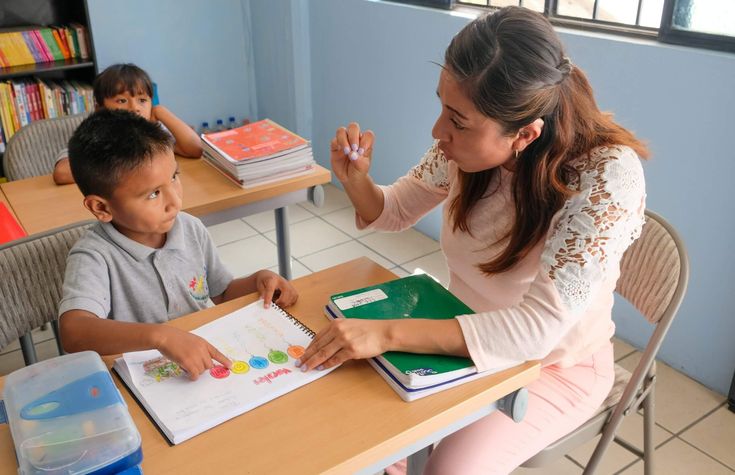
Healthy Relationships and Teen Development

Healthy Relationships and Teen Development

The teenage years are an important stage of physical, emotional, social, and cognitive development. During this period, young people begin to develop stronger identities, greater independence, and deeper relationships with family members, friends, classmates, and other people around them. Healthy Relationships and Teen Development are closely connected because positive relationships can support emotional wellbeing, confidence, communication skills, and responsible decision-making.

Teenagers may experience changing emotions and social pressures as they grow. Supportive relationships can give them a safe environment where they can express themselves, learn from experiences, and develop important interpersonal skills.

The Role of Family Relationships

Family relationships remain important throughout adolescence, even as teenagers become more independent. Parents and caregivers can provide emotional support, guidance, and stability while allowing teenagers appropriate opportunities to make decisions for themselves.

Open communication can help teenagers feel comfortable discussing their concerns. Rather than immediately judging or criticizing, parents can listen carefully and encourage honest conversations. This can strengthen trust and make it easier for teenagers to seek guidance when they face difficult situations.

A supportive home environment can also help teenagers develop confidence and emotional resilience.

Friendships and Social Development

Friendships become increasingly important during adolescence. Teenagers often spend more time with peers and may use these relationships to explore interests, values, and personal identity.

Positive friendships can teach important skills such as cooperation, empathy, communication, compromise, and conflict resolution. Friends can also provide emotional support during challenging experiences.

However, peer pressure can sometimes influence teenagers to make unhealthy or unsafe choices. Helping teenagers understand the difference between supportive friendships and harmful relationships can encourage better decision-making.

Building Communication Skills

Good communication is an important part of healthy relationships. Teenagers are still developing their ability to express emotions, understand different perspectives, and manage disagreements.

Parents and caregivers can encourage teenagers to communicate respectfully and clearly. Teaching them to listen actively, express their feelings appropriately, and discuss disagreements without aggression can benefit their relationships at home and outside the family.

These skills can also support future academic, professional, and personal relationships.

Understanding Boundaries

Healthy relationships involve appropriate personal boundaries. Teenagers should understand that everyone has different levels of comfort regarding physical space, conversations, privacy, and personal information.

Learning to respect another person’s boundaries while communicating their own boundaries is an important part of social development.

Parents can discuss boundaries in age-appropriate ways and explain that healthy relationships should involve mutual respect. Teenagers should also understand that they can seek help if someone repeatedly ignores their boundaries or makes them feel unsafe.

Emotional Development During Adolescence

Teenagers may experience strong and changing emotions. Hormonal changes, academic expectations, friendships, family relationships, and concerns about identity can all influence emotional wellbeing.

Supportive relationships can provide teenagers with opportunities to talk about these experiences. Adults can help by listening without immediately dismissing their feelings.

Encouraging healthy habits such as regular physical activity, sufficient sleep, balanced nutrition, hobbies, and time away from excessive digital activity can also support overall wellbeing.

The Impact of Digital Relationships

Social media and digital communication are an important part of many teenagers’ social lives. Online platforms can help young people stay connected with friends and explore interests, but they can also introduce challenges.

Cyberbullying, social comparison, excessive screen use, privacy concerns, and exposure to inappropriate content can affect teenagers’ wellbeing.

Parents can encourage responsible digital habits without relying only on strict restrictions. Discussing online privacy, respectful communication, suspicious interactions, and healthy screen boundaries can help teenagers use technology more safely.

Developing Self-Esteem and Independence

Healthy relationships can contribute to a teenager’s developing sense of self-worth. Encouragement from parents, teachers, friends, and other trusted adults can help teenagers recognize their strengths and learn from mistakes.

At the same time, teenagers need opportunities to develop independence. Giving them age-appropriate responsibilities and allowing them to make reasonable choices can support confidence and decision-making skills.

Constructive feedback is generally more helpful than constant criticism. Teenagers benefit when adults recognize their efforts while providing guidance when needed.

Recognizing Unhealthy Relationships

Teaching teenagers about healthy relationships also means helping them recognize unhealthy behaviors. Controlling behavior, manipulation, intimidation, persistent disrespect, isolation from friends or family, and unwanted pressure can be warning signs.

Teenagers should know that they can speak with a trusted adult if a relationship makes them feel uncomfortable, frightened, or unsafe.

Creating an environment where young people feel comfortable asking for help is an important part of supporting their development.

Supporting Healthy Teen Development

Adults can support healthy development by creating opportunities for positive social interaction and encouraging teenagers to participate in activities they enjoy. Sports, creative activities, volunteering, school clubs, and hobbies can help teenagers develop social skills and a sense of belonging.

Regular conversations about emotions, friendships, online experiences, and personal challenges can also help parents stay connected with their teenagers.

Professional support may be appropriate when emotional, behavioral, social, or developmental concerns significantly affect a teenager’s daily life. Early guidance can help families understand concerns and identify suitable support.

Dr. Nikil Sudarsan is a highly experienced Pediatrician in Dubai, dedicated to providing comprehensive healthcare for infants, children, and adolescents. With expertise in Pediatric Neurology, Child Development, Autism, ADHD, Epilepsy, Genetics, and Developmental Disorders, he offers personalized, evidence-based care tailored to each child’s unique needs. Using the latest medical advancements and a family-centered approach, Dr. Nikil Sudarsan focuses on promoting healthy growth, early diagnosis, effective treatment, and long-term well-being, ensuring the best possible outcomes for every child. 

 Understanding Child Development Stages

How to Handle Medical Emergencies in Kids

Understanding child development stages helps parents recognize how children grow, learn, communicate, and develop social and emotional skills over time. Childhood development is a gradual process that includes physical growth, language, thinking abilities, emotional development, and social interaction.

Every child develops at their own pace. While developmental milestones provide useful general guidelines, small differences between children are normal. Understanding these stages can help parents provide appropriate support and identify when professional guidance may be beneficial.

What Are Child Development Stages

Child development refers to the changes children experience from infancy through adolescence. These changes involve several interconnected areas, including physical, cognitive, language, social, and emotional development.

Development does not always happen at the same speed in every area. A child may develop strong physical skills while taking longer to develop certain communication or social abilities. Parents and caregivers should consider the child’s overall progress rather than focusing on a single milestone.

Infancy Development

During infancy, children experience rapid physical and brain development. Babies gradually gain better control of their head, arms, hands, and body. They also begin exploring their surroundings through sight, hearing, touch, and movement.

Communication develops through sounds, facial expressions, eye contact, and eventually early words. Babies also begin forming strong emotional connections with parents and caregivers.

Providing responsive care, talking to the baby, singing, reading, and offering safe opportunities for movement can support early development.

Toddler Development

The toddler years are an important period for independence and exploration. Children typically become more mobile and may begin walking, running, climbing, and using their hands for increasingly complex activities.

Language skills also expand rapidly. Toddlers may learn new words, follow simple instructions, and gradually begin combining words into short phrases.

Emotionally, toddlers are learning how to express feelings and manage frustration. Tantrums can occur because young children have strong emotions but limited ability to communicate or regulate them.

Consistent routines, simple choices, positive attention, and patient guidance can help toddlers develop confidence and independence.

Preschool Development

During the preschool years, children continue developing language, imagination, coordination, and social skills. They may enjoy storytelling, drawing, pretend play, puzzles, music, and other creative activities.

Children become increasingly interested in interacting with other children. They begin learning concepts such as sharing, taking turns, cooperating, and following simple rules.

Their vocabulary and ability to communicate thoughts also expand. Reading together and having regular conversations can support language and cognitive development.

School-Age Development

School-age children experience continued physical, cognitive, social, and emotional development. Their coordination and motor skills generally become more refined, allowing them to participate in sports, creative activities, and more complex tasks.

Cognitive abilities also become more advanced. Children begin developing stronger problem-solving skills, logical thinking, memory, and understanding of concepts such as time, numbers, and cause and effect.

Friendships become increasingly important during this stage. Children learn how to cooperate with others, manage disagreements, understand different perspectives, and develop a sense of responsibility.

Parents can support development by encouraging learning, physical activity, hobbies, friendships, and age-appropriate responsibilities.

Adolescent Development

Adolescence involves significant physical, emotional, and social changes. Puberty leads to changes in height, body composition, reproductive development, and other physical characteristics.

Cognitive development also continues, with teenagers gradually developing more advanced reasoning, planning, decision-making, and independent thinking.

Emotional changes can sometimes become more noticeable during adolescence. Teenagers may seek greater independence while still needing support, guidance, and reassurance from parents and caregivers.

Open communication and respectful boundaries can help teenagers navigate these changes.

Supporting Healthy Child Development

Parents can encourage healthy development by creating a safe, supportive, and stimulating environment. Nutritious food, adequate sleep, regular physical activity, play, learning opportunities, and positive relationships all contribute to healthy development.

Talking and reading with children can support communication and language skills. Age-appropriate games and activities can encourage problem-solving and creativity.

Children also benefit from predictable routines and clear expectations. Positive reinforcement can help build confidence and encourage healthy behaviors.

The Role of Play in Development

Play is an important part of childhood development. Through play, children can practice communication, imagination, coordination, problem-solving, and social interaction.

Younger children may benefit from simple sensory and movement activities, while older children may enjoy sports, creative hobbies, board games, building activities, and imaginative play.

Unstructured play can also give children opportunities to make choices, explore ideas, and develop independence.

Recognizing Developmental Concerns

Parents may sometimes notice that a child is having difficulty with speech, movement, learning, social interaction, behavior, or other developmental areas. One missed milestone does not necessarily mean there is a problem, but persistent concerns should not be ignored.

Regular pediatric checkups provide opportunities to monitor development and discuss concerns. A healthcare professional can assess the child’s progress and recommend further evaluation or support when appropriate.

Early identification of developmental difficulties can allow children to access suitable support at an appropriate stage.

Every Child Develops Differently

Child development is influenced by many factors, including genetics, environment, nutrition, relationships, learning opportunities, and overall health. Children do not all follow exactly the same timeline.

Parents should avoid comparing their child’s development too closely with other children. Instead, it is more helpful to observe progress over time and provide encouragement and support.

Understanding child development stages allows parents to better recognize changing needs throughout childhood. By providing love, healthy routines, opportunities to learn and play, and appropriate medical care, families can create a strong foundation for children’s physical, cognitive, social, and emotional development.

Dr. Nikil Sudarsan is a highly experienced Pediatrician in Dubai, dedicated to providing comprehensive healthcare for infants, children, and adolescents. With expertise in Pediatric Neurology, Child Development, Autism, ADHD, Epilepsy, Genetics, and Developmental Disorders, he offers personalized, evidence-based care tailored to each child’s unique needs. Using the latest medical advancements and a family-centered approach, Dr. Nikil Sudarsan focuses on promoting healthy growth, early diagnosis, effective treatment, and long-term well-being, ensuring the best possible outcomes for every child. 
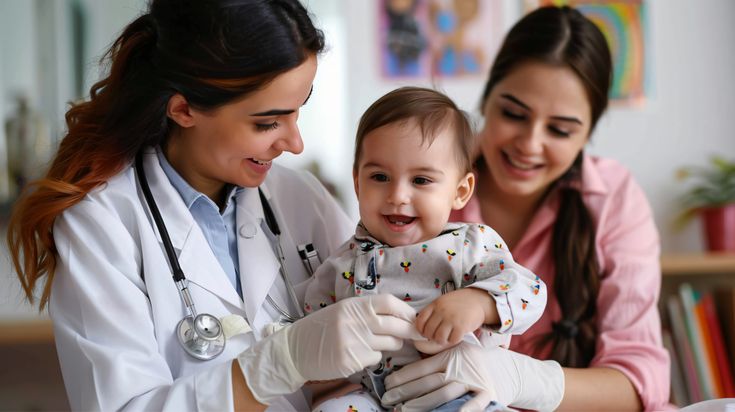
Most Common Illnesses Treated by Pediatricians

Learn about common illnesses treated by pediatricians, including colds, flu, infections, allergies, digestive issues, and other childhood health concerns.

Children can experience a wide range of illnesses as their immune systems develop and they come into contact with new viruses, bacteria, allergens, and environmental factors. From common colds to recurring infections, pediatricians play an important role in diagnosing childhood illnesses, recommending appropriate treatment, and monitoring recovery.

Understanding the most common illnesses treated by pediatricians can help parents recognize symptoms early and know when professional medical advice may be needed.

Common Cold

The common cold is one of the most frequent illnesses affecting children. It is usually caused by viruses and can spread easily through coughs, sneezes, and close contact.

Typical symptoms include a runny or blocked nose, sneezing, coughing, mild fever, sore throat, and tiredness. Most children recover with rest, fluids, and supportive care. A pediatrician may assess the child if symptoms are severe, persistent, or accompanied by concerning signs.

Influenza

Influenza, commonly called the flu, can cause more noticeable symptoms than an ordinary cold. Children may develop fever, cough, sore throat, body aches, headaches, tiredness, and reduced appetite.

Because influenza can sometimes lead to complications, particularly in young children or those with certain health conditions, medical assessment may be recommended when symptoms are significant. Vaccination and good hygiene practices can help reduce the risk of influenza.

Ear Infections

Ear infections are common during childhood and can sometimes occur after a cold or respiratory infection. Young children may not always be able to explain ear pain, so parents may notice irritability, difficulty sleeping, pulling at the ear, reduced appetite, or changes in hearing.

A pediatrician can examine the ear and determine whether an infection is present and whether specific treatment is needed.

Sore Throat and Tonsillitis

Sore throats can occur with viral infections, while some cases may be caused by bacteria. Tonsillitis involves inflammation of the tonsils and may cause throat pain, difficulty swallowing, fever, swollen tonsils, and sometimes swollen glands in the neck.

A pediatrician can assess the child’s symptoms and determine whether testing or treatment is appropriate.

Cough and Respiratory Infections

Coughing is a common symptom of childhood respiratory infections. It can occur with colds, influenza, bronchitis, asthma, or other respiratory conditions.

While many coughs improve naturally, persistent, severe, or breathing-related symptoms should be evaluated. A pediatrician can identify possible causes and recommend appropriate management.

Asthma

Asthma is a chronic condition that affects the airways and can cause wheezing, coughing, chest tightness, and difficulty breathing. Symptoms may be triggered by infections, exercise, allergens, smoke, or environmental factors.

Pediatricians can help identify possible asthma symptoms, assess breathing, and develop an appropriate management plan. Proper monitoring can help children participate in school, sports, and everyday activities.

Allergies

Children can develop allergies to foods, dust mites, pollen, animal dander, insect bites, medications, and other substances. Symptoms can vary from sneezing and itchy eyes to skin rashes, stomach problems, or breathing difficulties.

Pediatric evaluation can help identify possible triggers and guide families on avoiding exposures and managing symptoms safely. Severe allergic reactions require immediate emergency medical attention.

Stomach Infections

Gastrointestinal infections are also common among children. They may cause vomiting, diarrhea, stomach cramps, fever, and reduced appetite.

One of the main concerns with vomiting and diarrhea is dehydration. Parents should watch for signs such as reduced urination, dry mouth, unusual sleepiness, or difficulty keeping fluids down. Medical evaluation may be necessary when symptoms are severe or persistent.

Constipation

Constipation is a common childhood concern and can be associated with dietary habits, inadequate fluid intake, changes in routine, toilet training, or other factors.

Children may experience hard or painful stools, abdominal discomfort, or infrequent bowel movements. A pediatrician can evaluate the cause and recommend appropriate dietary, behavioral, or medical measures when necessary.

Skin Conditions

Children can develop various skin problems, including eczema, rashes, insect-bite reactions, fungal infections, and viral skin conditions.

Eczema may cause dry, itchy, irritated skin, while infections can produce redness, swelling, scaling, or other changes. A pediatrician can assess unusual or persistent skin symptoms and determine whether further evaluation or treatment is needed.

Fever and Childhood Infections

Fever is not an illness itself but a common sign that the body is responding to an infection or another condition. Viral infections are a frequent cause of fever in children.

The child’s age, temperature, symptoms, behavior, hydration, and overall condition are important when evaluating fever. Very young infants, children who appear seriously unwell, or those with concerning symptoms should receive prompt medical attention.

Urinary Tract Infections

Urinary tract infections can occur in children and may cause symptoms such as painful urination, frequent urination, abdominal discomfort, fever, or changes in urine.

Younger children may have less specific symptoms, including irritability or changes in feeding. A pediatrician may recommend appropriate testing to determine whether an infection is present and guide treatment.

Preventing Common Childhood Illnesses

Although not every childhood illness can be prevented, families can reduce infection risks through regular handwashing, recommended vaccinations, healthy nutrition, adequate sleep, safe food practices, and good respiratory hygiene.

Children should also be encouraged to avoid sharing personal items such as drinking bottles and utensils when someone is unwell.

When to Consult a Pediatrician

Parents should seek pediatric advice when symptoms are severe, persistent, worsening, or unusual for the child. Difficulty breathing, severe dehydration, prolonged fever, seizures, unusual sleepiness, serious injuries, or other emergency symptoms require prompt medical attention.

Pediatricians provide more than treatment for individual illnesses. They also monitor children’s growth and development, provide preventive care, and help families understand healthy habits.

Recognizing common childhood illnesses and seeking appropriate medical guidance can help children receive timely care while supporting their overall health and development.

Dr. Nikil Sudarsan is a highly experienced Pediatrician in Dubai, dedicated to providing comprehensive healthcare for infants, children, and adolescents. With expertise in Pediatric Neurology, Child Development, Autism, ADHD, Epilepsy, Genetics, and Developmental Disorders, he offers personalized, evidence-based care tailored to each child’s unique needs. Using the latest medical advancements and a family-centered approach, Dr. Nikil Sudarsan focuses on promoting healthy growth, early diagnosis, effective treatment, and long-term well-being, ensuring the best possible outcomes for every child. 

Healthy Weight Management for Children

Healthy Weight Management for Children

Healthy weight management for children is an important part of supporting proper growth, development, energy, and overall well-being. Unlike adults, children are constantly growing, so weight should not be managed through strict diets or calorie restriction. Instead, the focus should be on healthy eating habits, regular physical activity, adequate sleep, emotional well-being, and regular health monitoring.

Every child has a different body shape, growth pattern, and nutritional needs. A healthy approach should therefore support development rather than focus only on the number on the weighing scale.

Understanding Healthy Growth in Children

Children naturally gain weight and grow taller as they develop. During some stages, they may gain weight before experiencing a height increase. This can make changes in body size completely normal.

Healthcare professionals assess children’s growth using factors such as age, height, weight, growth patterns, and age- and sex-specific growth charts. Looking at growth over time is generally more meaningful than focusing on a single weight measurement.

Parents should avoid comparing their child’s body with siblings, classmates, or other children. Healthy growth can look different from one child to another.

Encourage Balanced Nutrition

Nutrition plays a central role in healthy weight management for children. Instead of eliminating specific food groups, parents can provide a variety of nutritious foods throughout the day.

A balanced eating pattern can include vegetables, fruits, whole grains, protein-rich foods, dairy or suitable alternatives, and healthy sources of fats. Meals should provide the nutrients children need for growth, concentration, physical activity, and immune function.

Parents can also encourage children to listen to their hunger and fullness signals. Offering reasonable portions and allowing children to decide how much they eat can help them develop a healthier relationship with food.

Limit Highly Processed Foods

Children can enjoy treats as part of a balanced lifestyle. However, foods and drinks that are high in added sugars, salt, and unhealthy fats are best offered less frequently.

Sugary drinks can contribute significant amounts of added sugar without providing much nutritional value. Water and nutritious beverages can be encouraged as everyday choices.

Rather than completely banning favorite foods, parents can teach children about moderation. This approach can help prevent feelings of restriction and reduce the tendency to overeat certain foods.

Make Physical Activity Part of Daily Life

Regular physical activity supports healthy growth, strong bones and muscles, cardiovascular health, coordination, and emotional well-being.

Children should be encouraged to participate in activities they enjoy. Walking, cycling, swimming, dancing, playing sports, running, and active outdoor games are all possible options.

Physical activity does not always need to feel like exercise. Family walks, playground visits, active games, and outdoor activities can make movement a natural part of everyday life.

Parents can support healthy habits by participating in physical activities with their children and reducing excessive sedentary time when possible.

Prioritize Healthy Sleep

Sleep is often overlooked when discussing children’s weight and overall health. Children need sufficient sleep to support physical growth, brain development, mood, learning, and daily functioning.

Maintaining consistent bedtimes and wake-up times can help establish healthy sleep routines. A calm bedtime routine and limiting stimulating screen use before bed may also support better sleep habits.

The amount of sleep needed varies by age, so parents should follow age-appropriate recommendations and discuss persistent sleep concerns with a healthcare professional.

Reduce Excessive Screen Time

Screens are an important part of modern childhood, but excessive sedentary screen use can reduce opportunities for movement and interfere with sleep routines.

Parents can establish reasonable limits around recreational screen use and encourage children to take regular movement breaks. Creating screen-free times, particularly during family meals and before bedtime, can also support healthier routines.

The goal should not necessarily be to eliminate screens but to create a balanced daily schedule that includes learning, play, movement, sleep, and family interaction.

Create a Positive Family Environment

Children often develop eating and activity habits by observing adults. Parents can model healthy behaviors by eating balanced meals, staying physically active, drinking water, and maintaining regular sleep routines.

It is also important to avoid negative comments about a child’s weight or appearance. Criticism, teasing, or constant discussion about body size can affect confidence and create an unhealthy relationship with food.

Instead, families can focus conversations on strength, energy, health, and feeling well.

Avoid Strict Diets for Children

Children should not usually be placed on restrictive diets without guidance from a qualified healthcare professional. Cutting out major food groups or significantly reducing food intake can interfere with essential nutrients needed for growth.

If a child is gaining weight rapidly, losing weight unexpectedly, or showing signs of nutritional problems, parents should seek professional guidance. A pediatric healthcare professional can evaluate the child’s overall growth and determine whether additional support is appropriate.

Monitor Emotional and Social Well-Being

Healthy weight management also includes emotional health. Stress, anxiety, boredom, loneliness, or other emotional experiences can sometimes influence eating patterns and activity levels.

Parents should create an environment where children feel comfortable discussing their feelings without fear of judgment. If a child shows significant changes in eating behavior, body image concerns, social withdrawal, or distress related to weight, professional support may be helpful.

Regular Pediatric Health Checkups

Regular health checkups provide an opportunity to monitor growth and development. Healthcare professionals can assess height, weight, growth patterns, nutrition, physical activity, sleep, and other aspects of a child’s health.

Early guidance can help families establish healthy habits before concerns become more difficult to manage. Weight management should always be individualized according to the child’s age, development, health status, and family circumstances.

Building Healthy Habits for Life

Healthy weight management for children is not about strict dieting or achieving a particular body shape. It is about creating everyday habits that support healthy growth and development.

Balanced meals, enjoyable physical activity, adequate sleep, limited sedentary time, emotional support, and regular healthcare can all contribute to a healthier childhood. When families focus on overall well-being rather than weight alone, children can develop positive habits that support their physical and emotional health as they grow.

Dr. Nikil Sudarsan is a highly experienced Pediatrician in Dubai, dedicated to providing comprehensive healthcare for infants, children, and adolescents. With expertise in Pediatric Neurology, Child Development, Autism, ADHD, Epilepsy, Genetics, and Developmental Disorders, he offers personalized, evidence-based care tailored to each child’s unique needs. Using the latest medical advancements and a family-centered approach, Dr. Nikil Sudarsan focuses on promoting healthy growth, early diagnosis, effective treatment, and long-term well-being, ensuring the best possible outcomes for every child. 

How to Handle Medical Emergencies in Kids

Preventing Common Childhood Diseases

Children can experience unexpected injuries and illnesses that may require immediate attention. Knowing How to Handle Medical Emergencies in Kids can help parents and caregivers respond calmly while professional medical assistance is arranged. From breathing difficulties and serious injuries to allergic reactions and high fever, recognizing warning signs and taking appropriate first steps can be critical.

Parents should remember that first aid is not a substitute for professional medical care. When a child appears seriously unwell or an emergency is suspected, contact the local emergency medical service or seek immediate medical attention.

Stay Calm and Assess the Situation

The first step during a medical emergency is to remain as calm as possible. Children often become frightened when adults around them panic, so a reassuring approach can help keep the child comfortable.

Quickly assess whether the child is conscious and responsive. Check whether they are breathing normally and look for obvious signs of serious injury or bleeding.

Avoid moving the child unnecessarily if there is a possibility of a serious head, neck, or spinal injury unless moving them is necessary to protect them from immediate danger.

Breathing Difficulties

Breathing problems require prompt attention. Warning signs may include severe difficulty breathing, unusual breathing sounds, blue or grey lips or skin, inability to speak or cry normally, or significant chest retractions.

If a child is struggling to breathe, seek emergency medical assistance immediately. If the child has a prescribed emergency medication, such as an asthma inhaler or epinephrine auto-injector for a known condition, use it according to their established emergency plan.

Do not give a child food, drink, or medication that has not been recommended for the situation.

Severe Allergic Reactions

A severe allergic reaction, or anaphylaxis, can develop rapidly. Symptoms may include difficulty breathing, swelling of the lips or tongue, widespread hives, vomiting, dizziness, or sudden weakness.

If an epinephrine auto-injector has been prescribed for the child, it should be administered according to their emergency plan without delaying emergency medical care.

Call emergency services immediately after administering emergency medication. The child should receive urgent medical assessment even if symptoms appear to improve.

Serious Cuts and Bleeding

Small cuts can often be managed with basic first aid, but heavy or uncontrolled bleeding is an emergency.

Apply firm, continuous pressure to the wound using clean gauze or cloth. If blood soaks through, add additional material rather than repeatedly removing the first layer.

Seek emergency medical assistance for severe bleeding, deep wounds, wounds caused by serious accidents, or bleeding that does not stop with sustained pressure.

Burns and Scalds

Children can suffer burns from hot liquids, cooking surfaces, flames, chemicals, or electrical sources.

For a minor thermal burn, cool running water can be applied to the affected area for approximately 20 minutes as soon as possible, provided this does not delay emergency care.

Do not apply ice, butter, toothpaste, or other household substances to a burn. Do not break blisters.

Large, deep, electrical, chemical, facial, genital, or major burns require urgent medical assessment.

Head Injuries

Falls and impacts are common during childhood, but some head injuries can be serious.

After a head injury, watch for symptoms such as repeated vomiting, worsening headache, unusual sleepiness, confusion, seizures, loss of consciousness, weakness, difficulty walking, or changes in behavior.

If serious symptoms occur, seek emergency medical attention. A child with a potentially significant head, neck, or spinal injury should not be moved unnecessarily unless there is immediate danger.

Choking

Choking occurs when an object blocks a child’s airway. If the child can cough forcefully or speak, encourage them to continue coughing and monitor them closely.

If the child cannot breathe, speak, cough effectively, or becomes unresponsive, immediate first aid is required. Age-appropriate choking first-aid techniques should be used, and emergency services should be contacted.

Parents and caregivers should consider taking a certified pediatric first-aid or CPR course so they can learn the correct techniques for the child’s age.

Poisoning or Accidental Ingestion

Children may accidentally swallow medicines, cleaning products, chemicals, or other potentially harmful substances.

If poisoning is suspected, seek emergency medical or poison-control advice immediately. Do not make the child vomit unless specifically instructed by a medical professional.

Keep the product container, packaging, or information about the substance available if possible, as this can help healthcare professionals determine the appropriate response.

Seizures

Seeing a child have a seizure can be frightening. Keep the child safe by moving nearby dangerous objects away and placing them on their side when possible once it is safe to do so.

Do not restrain the child and do not place anything in their mouth. Time the seizure if possible.

Emergency medical assistance is particularly important for a first seizure, a seizure lasting several minutes, repeated seizures without recovery, breathing difficulties, or an injury associated with the seizure.

High Fever and Serious Illness

Fever is common in children and is often associated with infections. However, certain symptoms alongside fever require urgent medical attention.

Seek immediate medical care if a child has difficulty breathing, is unusually difficult to wake, develops a seizure, has signs of severe dehydration, develops a concerning rash, experiences severe pain, or appears seriously ill.

The child’s age also matters when assessing fever, particularly in very young infants.

When to Seek Emergency Care

Parents should seek urgent medical attention when a child has severe breathing difficulty, significant bleeding, loss of consciousness, severe allergic symptoms, serious burns, suspected poisoning, a major injury, prolonged or repeated seizures, or rapidly worsening illness.

When in doubt about the seriousness of a situation, it is safer to seek professional medical advice promptly.

Preparing for Pediatric Emergencies

Knowing How to Handle Medical Emergencies in Kids is easier when families prepare in advance. Keep a basic first-aid kit accessible, maintain emergency contact information, know the location of the nearest appropriate emergency facility, and keep essential medical information readily available.

Parents and caregivers can also benefit from learning pediatric CPR and first aid from a recognized training provider.

Most importantly, remain calm, recognize serious warning signs, provide appropriate first aid, and seek professional help without unnecessary delay. Prompt action and proper preparation can help protect children when unexpected medical emergencies occur.

Dr. Nikil Sudarsan is a highly experienced Pediatrician in Dubai, dedicated to providing comprehensive healthcare for infants, children, and adolescents. With expertise in Pediatric Neurology, Child Development, Autism, ADHD, Epilepsy, Genetics, and Developmental Disorders, he offers personalized, evidence-based care tailored to each child’s unique needs. Using the latest medical advancements and a family-centered approach, Dr. Nikil Sudarsan focuses on promoting healthy growth, early diagnosis, effective treatment, and long-term well-being, ensuring the best possible outcomes for every child.