
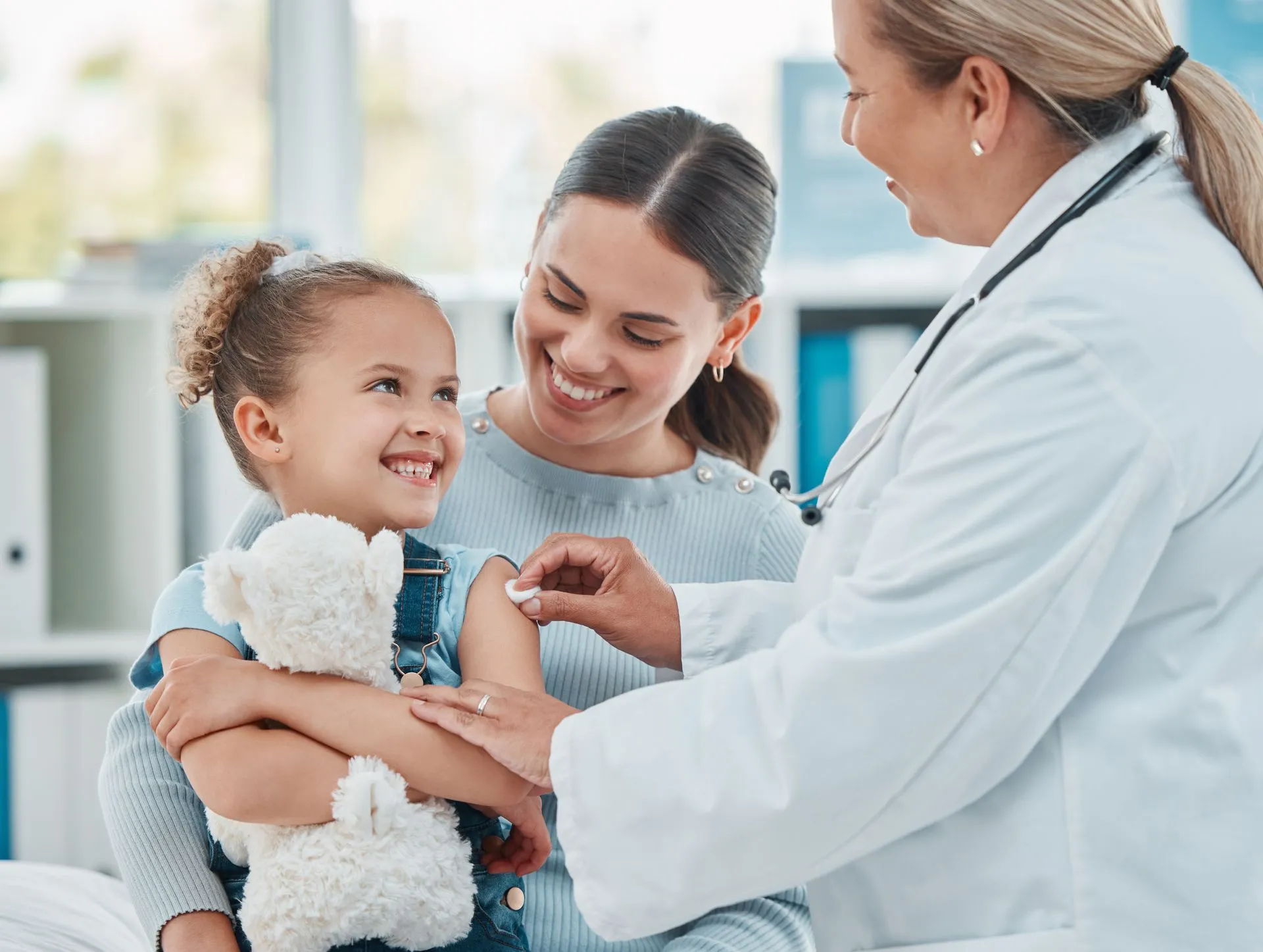
Children’s health requires continuous care, attention, and early intervention to ensure proper growth and development. Instead of waiting for illnesses to occur, preventive healthcare focuses on stopping health problems before they begin. This approach is one of the most effective ways to support lifelong wellness in children.
Understanding Preventive Healthcare for Children helps parents take proactive steps to protect their child’s physical, emotional, and developmental health. From vaccinations and routine checkups to nutrition and hygiene, preventive care plays a vital role in building a strong foundation for a healthy future.
What Is Preventive Healthcare?
Preventive healthcare refers to medical practices and lifestyle measures that aim to prevent diseases, detect health issues early, and promote overall well-being.
In children, preventive healthcare includes:
- Routine pediatric checkups
- Vaccinations
- Growth and development monitoring
- Nutrition guidance
- Health screenings
- Safety education
The goal is to reduce the risk of illness and ensure early detection of potential concerns.
Why Preventive Healthcare Is Important for Children
Children are more vulnerable to infections and developmental changes due to their growing immune systems and rapid physical development.
Preventive care helps:
- Reduce risk of serious illnesses
- Support healthy growth and development
- Detect health issues early
- Improve long-term health outcomes
- Lower healthcare costs
- Promote overall well-being
Early care ensures children develop in a safe and healthy environment.
Role of Vaccinations in Preventive Healthcare
Vaccinations are one of the most important components of Preventive Healthcare for Children. They protect children from many infectious diseases that can cause serious complications.
Vaccines help prevent diseases such as:
- Measles
- Polio
- Hepatitis
- Whooping cough
- Diphtheria
- Tetanus
Benefits of vaccination include:
- Strong immunity development
- Reduced risk of outbreaks
- Protection for vulnerable individuals
- Long-term disease prevention
Following the recommended immunization schedule is essential for full protection.
Regular Pediatric Checkups
Routine health checkups help monitor a child’s growth, development, and overall health.
During checkups, doctors:
- Measure height and weight
- Track developmental milestones
- Conduct physical examinations
- Review vaccinations
- Identify early health concerns
Regular visits ensure timely intervention and continuous health monitoring.
Growth and Development Monitoring
Preventive healthcare includes tracking how a child grows physically, mentally, and emotionally.
Monitoring helps assess:
- Physical growth patterns
- Cognitive development
- Motor skills
- Social behavior
Early identification of developmental delays allows for timely support and treatment.
Importance of Nutrition in Preventive Care
Proper nutrition is essential for building strong immunity and supporting growth.
A healthy diet for children should include:
- Fruits and vegetables
- Whole grains
- Lean proteins
- Dairy or calcium-rich foods
- Healthy fats
Good nutrition helps:
- Strengthen immunity
- Support brain development
- Improve energy levels
- Promote healthy growth
Preventive healthcare strongly emphasizes balanced eating habits.
Hygiene and Infection Prevention
Teaching children proper hygiene habits is a key part of disease prevention.
Important hygiene practices include:
- Regular handwashing
- Brushing teeth twice daily
- Bathing regularly
- Keeping nails clean
- Avoiding contact with sick individuals
Good hygiene helps reduce the spread of infections and supports overall health.
Role of Physical Activity
Physical activity is essential for maintaining a child’s physical and mental well-being.
Benefits include:
- Strong bones and muscles
- Healthy weight maintenance
- Improved immunity
- Better concentration
- Reduced stress
Active children are generally healthier and more resilient.
Importance of Early Disease Detection
Preventive healthcare focuses on identifying health issues before they become serious.
Common conditions detected early include:
- Vision problems
- Hearing issues
- Nutritional deficiencies
- Growth delays
- Chronic conditions
Early detection allows for timely treatment and better outcomes.
Mental and Emotional Health Support
Preventive healthcare also includes emotional and behavioral well-being.
Children may be assessed for:
- Anxiety or stress
- Behavioral changes
- Social interaction difficulties
- Learning challenges
Early support helps improve emotional resilience and overall development.
Safety and Injury Prevention
Preventing injuries is an important part of child healthcare.
Safety measures include:
- Proper use of car seats
- Safe home environments
- Supervision during play
- Road safety education
- Avoiding hazardous objects
Preventive safety practices reduce the risk of accidents and injuries.
Importance of Sleep in Child Health
Adequate sleep supports growth, brain development, and immune function.
Healthy sleep habits include:
- Consistent sleep schedule
- Age-appropriate sleep duration
- Comfortable sleep environment
- Limited screen time before bed
Good sleep is essential for overall preventive care.
Parental Role in Preventive Healthcare
Parents play a crucial role in ensuring children receive proper preventive care.
Responsibilities include:
- Scheduling regular checkups
- Following vaccination schedules
- Encouraging healthy habits
- Monitoring development
- Seeking medical advice when needed
Parental involvement ensures consistent and effective healthcare.
Benefits of Preventive Healthcare for Children
Preventive healthcare offers long-term advantages, including:
- Reduced risk of disease
- Better physical development
- Improved mental health
- Stronger immunity
- Lower healthcare costs
- Better quality of life
These benefits contribute to lifelong wellness.
When to Consult a Pediatrician
Parents should seek medical advice if a child shows:
- Delayed development
- Frequent illness
- Sudden behavioral changes
- Poor appetite or growth issues
- Ongoing health concerns
Timely consultation ensures proper diagnosis and care.
Building a Lifelong Foundation for Health
Preventive healthcare during childhood sets the foundation for lifelong well-being. Healthy habits developed early often continue into adulthood, reducing the risk of chronic diseases later in life.
A strong preventive approach includes:
- Balanced nutrition
- Regular physical activity
- Routine medical care
- Healthy lifestyle habits
- Emotional support
Dr. Nikil Sudarsan is a highly experienced Pediatrician in Dubai, dedicated to providing comprehensive healthcare for infants, children, and adolescents. With expertise in Pediatric Neurology, Child Development, Autism, ADHD, Epilepsy, Genetics, and Developmental Disorders, he offers personalized, evidence-based care tailored to each child’s unique needs. Using the latest medical advancements and a family-centered approach, Dr. Nikil Sudarsan focuses on promoting healthy growth, early diagnosis, effective treatment, and long-term well-being, ensuring the best possible outcomes for every child.