
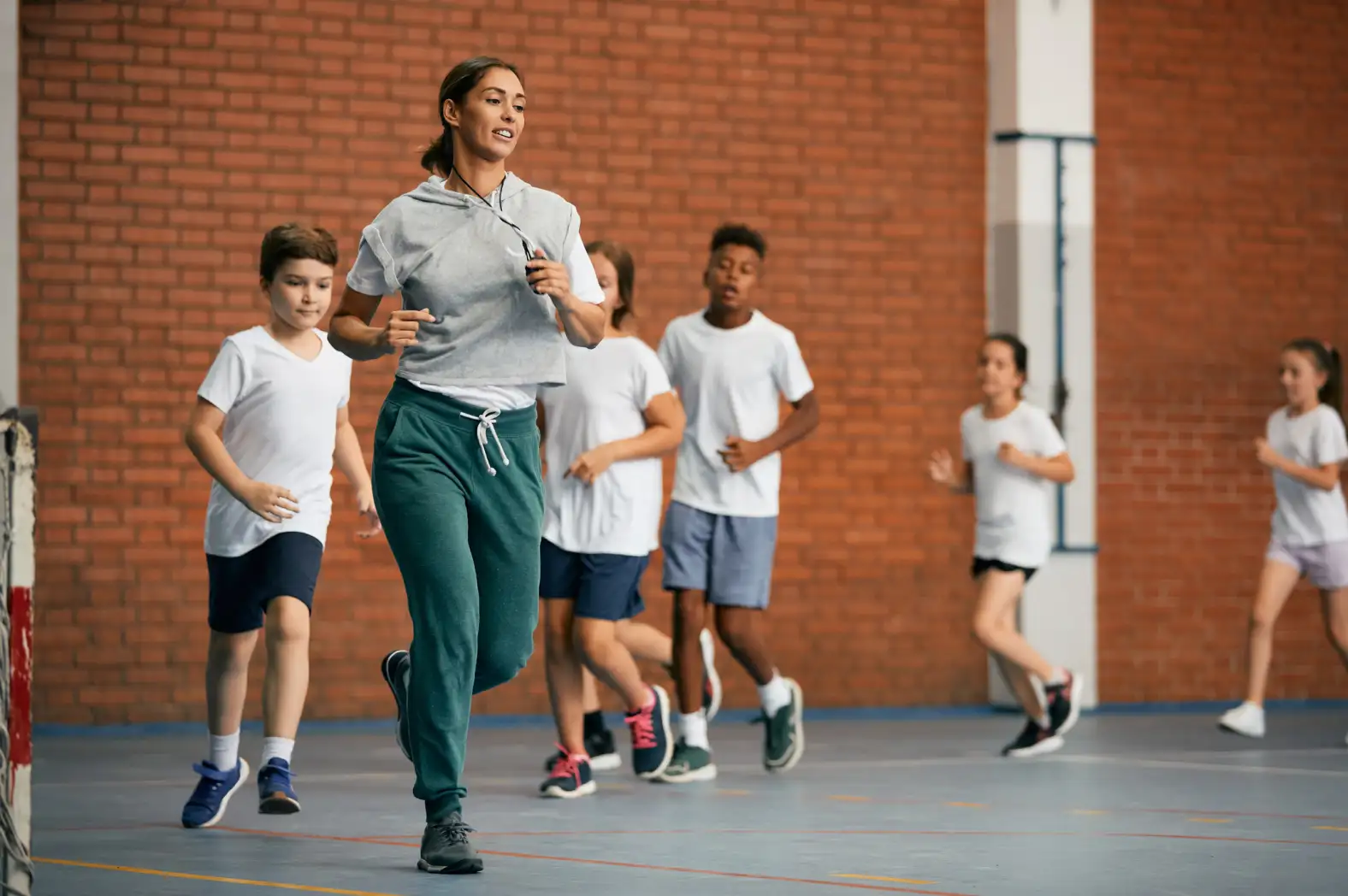
Importance of Physical Activity for Teenagers

Importance of Physical Activity for Teenagers

Teenage years are a critical stage of growth and development, marked by rapid physical, emotional, and cognitive changes. During this period, establishing healthy habits can have a long-lasting impact on overall well-being. One of the most important habits teenagers can develop is regular physical activity.

Understanding the Importance of Physical Activity for Teenagers helps highlight how exercise supports not only physical fitness but also mental health, academic performance, and social development. In today’s increasingly digital lifestyle, encouraging teens to stay active is more important than ever.

Why Physical Activity Matters for Teenagers

Physical activity is essential for maintaining a healthy body and mind. It supports growth, improves energy levels, and helps teenagers manage the challenges of adolescence.

Regular exercise helps teenagers:

  • Improve physical fitness
  • Support healthy growth and development
  • Strengthen bones and muscles
  • Maintain a healthy weight
  • Enhance mood and mental health
  • Improve focus and concentration

Active teenagers are more likely to develop healthy habits that continue into adulthood.

Supports Healthy Physical Growth

During adolescence, the body undergoes rapid growth, including increases in height, muscle development, and bone strength. Physical activity plays a key role in supporting this development.

Exercise helps:

  • Strengthen bones through weight-bearing activity
  • Improve muscle development
  • Enhance flexibility and coordination
  • Support healthy posture

Activities such as running, cycling, swimming, and sports help teenagers build a strong physical foundation.

Improves Mental Health and Emotional Well-Being

One of the most significant Importance of Physical Activity for Teenagers is its positive impact on mental health. Exercise helps regulate mood and reduce stress levels.

Regular physical activity can:

  • Reduce anxiety and stress
  • Improve mood and emotional stability
  • Increase self-confidence
  • Help manage symptoms of depression
  • Promote better sleep quality

Exercise stimulates the release of endorphins, often called “feel-good hormones,” which contribute to a positive mental state.

Enhances Academic Performance

Physical activity is closely linked to improved brain function and academic success. Teenagers who stay active often perform better in school.

Benefits include:

  • Improved concentration and memory
  • Better problem-solving skills
  • Increased alertness
  • Enhanced classroom behavior
  • Improved cognitive function

Even short bursts of physical activity can help improve focus during study sessions.

Helps Maintain a Healthy Weight

With changing hormones and lifestyle habits, teenagers may be at risk of weight gain or unhealthy eating patterns. Regular physical activity helps maintain a balanced weight.

Exercise supports:

  • Calorie balance
  • Fat reduction
  • Muscle development
  • Metabolic health

Combined with proper nutrition, physical activity plays a key role in maintaining overall health.

Builds Strong Bones and Muscles

Teenage years are the peak time for building bone density. Physical activity strengthens the musculoskeletal system, reducing the risk of future bone-related issues.

Weight-bearing activities such as:

  • Running
  • Jumping
  • Dancing
  • Team sports

help increase bone strength and muscle endurance.

Encourages Healthy Lifestyle Habits

Active teenagers are more likely to adopt other healthy behaviors that benefit long-term health.

These include:

  • Better eating habits
  • Reduced screen time
  • Improved sleep routines
  • Lower risk of harmful behaviors

Developing these habits early sets the foundation for a healthy adult life.

Boosts Social Interaction and Teamwork

Many physical activities involve group participation, which helps teenagers develop social skills.

Participation in sports or group activities can:

  • Improve communication skills
  • Build teamwork and cooperation
  • Increase self-esteem
  • Create friendships
  • Develop leadership skills

These social benefits contribute to emotional growth and confidence.

Reduces Risk of Chronic Diseases

Regular physical activity during adolescence helps reduce the risk of developing chronic health conditions later in life.

It can help prevent:

  • Obesity
  • Type 2 diabetes
  • Heart disease
  • High blood pressure
  • Metabolic disorders

Healthy habits formed in teenage years often continue into adulthood, reducing long-term health risks.

Improves Sleep Quality

Teenagers often experience irregular sleep patterns, but physical activity can help improve sleep quality and duration.

Exercise helps:

  • Regulate sleep cycles
  • Reduce insomnia
  • Promote deeper sleep
  • Improve overall restfulness

Better sleep also supports mental and physical recovery.

Encourages Discipline and Time Management

Balancing school, activities, and personal time requires structure and discipline. Physical activity teaches teenagers valuable life skills.

It helps them:

  • Manage time effectively
  • Stay consistent with routines
  • Set and achieve goals
  • Develop responsibility

These skills are beneficial in both academic and personal life.

Reduces Stress from Academic and Social Pressure

Teenagers often face pressure from studies, exams, and social expectations. Physical activity serves as a healthy outlet for stress.

It helps:

  • Release tension
  • Clear the mind
  • Improve emotional resilience
  • Provide a break from academic stress

Even short walks or recreational activities can make a significant difference.

Types of Physical Activities for Teenagers

Teenagers can choose from a wide range of activities based on their interests.

Popular options include:

  • Team sports (football, basketball, cricket)
  • Swimming
  • Cycling
  • Dancing
  • Running or jogging
  • Gym workouts (age-appropriate)
  • Outdoor games

Choosing enjoyable activities increases consistency and motivation.

Encouraging Regular Physical Activity

Parents, schools, and communities play an important role in encouraging teenagers to stay active.

Helpful strategies include:

  • Encouraging participation in sports
  • Limiting screen time
  • Providing safe outdoor spaces
  • Supporting school physical education programs
  • Being role models for active living

A supportive environment makes it easier for teens to stay active.

Balancing Activity with Rest

While physical activity is important, rest and recovery are equally essential.

Teenagers should:

  • Get adequate sleep
  • Avoid overtraining
  • Take rest days when needed
  • Listen to their body

Balanced routines help prevent fatigue and injury.

When to Seek Guidance

If teenagers experience pain, fatigue, or health concerns related to physical activity, it is important to consult a healthcare professional.

Medical advice may be needed for:

  • Persistent injuries
  • Extreme fatigue
  • Breathing difficulties during exercise
  • Underlying health conditions

Proper guidance ensures safe participation in physical activities.

Dr. Nikil Sudarsan is a highly experienced Pediatrician in Dubai, dedicated to providing comprehensive healthcare for infants, children, and adolescents. With expertise in Pediatric Neurology, Child Development, Autism, ADHD, Epilepsy, Genetics, and Developmental Disorders, he offers personalized, evidence-based care tailored to each child’s unique needs. Using the latest medical advancements and a family-centered approach, Dr. Nikil Sudarsan focuses on promoting healthy growth, early diagnosis, effective treatment, and long-term well-being, ensuring the best possible outcomes for every child. 

Importance of Childhood Vaccinations

Importance of Childhood Vaccinations

Childhood vaccinations are one of the most effective public health measures ever developed to protect children from serious and potentially life-threatening diseases. Vaccines help the body build immunity against infections before a child is exposed to them, significantly reducing the risk of illness, complications, and long-term health issues.

Understanding the Importance of Childhood Vaccinations is essential for parents, caregivers, and communities. Vaccination not only protects individual children but also helps prevent the spread of diseases within families, schools, and society at large.

What Are Childhood Vaccinations?

Vaccinations are medical preparations that help the immune system recognize and fight specific infections. They contain weakened or inactive parts of a virus or bacteria (or instructions to produce them) that stimulate the body’s natural defense system without causing the disease itself.

Once vaccinated, the immune system develops “memory,” allowing it to respond quickly and effectively if exposed to the real infection in the future.

Why Childhood Vaccinations Are Important

Vaccines play a crucial role in protecting children during their most vulnerable years.

Key benefits include:

  • Protection from serious diseases
  • Reduced risk of complications
  • Prevention of disease outbreaks
  • Stronger community immunity
  • Lower healthcare burden
  • Improved long-term health outcomes

By following recommended vaccination schedules, parents can ensure their children are protected during critical stages of development.

Protection Against Life-Threatening Diseases

One of the most significant aspects of the Importance of Childhood Vaccinations is protection against dangerous diseases that once caused widespread illness and death.

Vaccines help prevent diseases such as:

  • Measles
  • Polio
  • Diphtheria
  • Whooping cough (pertussis)
  • Hepatitis B
  • Tetanus
  • Mumps
  • Rubella

Many of these diseases can lead to severe complications, including long-term disability or death, especially in young children.

Strengthening the Immune System

Children’s immune systems are still developing, making them more vulnerable to infections. Vaccines help strengthen immune responses by training the body to recognize harmful pathogens.

Vaccination helps:

  • Build long-term immunity
  • Improve immune response speed
  • Reduce severity of infections
  • Support healthy immune development

This early protection is crucial for overall health and well-being.

Preventing Disease Outbreaks

Vaccination not only protects individuals but also helps control the spread of infectious diseases in communities.

When a large percentage of the population is vaccinated, it creates “herd immunity,” which:

  • Reduces disease transmission
  • Protects vulnerable individuals
  • Prevents outbreaks in schools and communities
  • Limits the spread of contagious illnesses

This is especially important for children who cannot be vaccinated due to medical reasons.

Protecting Newborns and Vulnerable Individuals

Infants, elderly individuals, and people with weakened immune systems are more susceptible to infections. Childhood vaccinations help reduce the spread of diseases, indirectly protecting these vulnerable groups.

Vaccination contributes to:

  • Community-wide protection
  • Reduced infection risk for infants
  • Safer environments in schools and public spaces

This shared protection is a key benefit of widespread immunization.

Preventing Long-Term Complications

Some childhood diseases can cause serious long-term health issues if not prevented through vaccination.

Potential complications may include:

  • Brain damage
  • Hearing loss
  • Respiratory problems
  • Organ damage
  • Chronic health conditions

Vaccines help prevent these outcomes by stopping infections before they occur.

Reducing Healthcare Costs and Burden

Preventing disease through vaccination is far more cost-effective than treating illnesses after they occur.

Benefits include:

  • Fewer hospital visits
  • Reduced medical expenses
  • Lower burden on healthcare systems
  • Less need for emergency care

Vaccination helps families and healthcare systems manage resources more efficiently.

Supporting Healthy Growth and Development

Healthy children are better able to grow, learn, and develop properly. Illnesses during early childhood can interfere with nutrition, schooling, and overall development.

Vaccinations support:

  • Consistent school attendance
  • Better physical development
  • Improved cognitive growth
  • Reduced risk of illness-related setbacks

This helps children reach their full developmental potential.

Following the Recommended Vaccination Schedule

Health authorities provide vaccination schedules designed to protect children at the right age and time.

A typical schedule ensures:

  • Early protection in infancy
  • Timely booster doses
  • Long-term immunity maintenance
  • Continuous protection during growth stages

Following the schedule is essential for maximum effectiveness.

Safety of Childhood Vaccines

Vaccines undergo extensive testing and monitoring before approval to ensure safety and effectiveness.

Common side effects are usually mild and temporary, such as:

  • Low-grade fever
  • Soreness at injection site
  • Mild fatigue

Serious side effects are extremely rare, and the benefits of vaccination far outweigh the risks.

Addressing Common Concerns

Parents may have concerns or questions about vaccinations, which is natural. However, reliable medical evidence consistently supports vaccine safety and effectiveness.

Important facts include:

  • Vaccines do not cause the diseases they prevent
  • They are carefully tested before approval
  • They are continuously monitored for safety
  • They are essential for public health protection

Consulting qualified healthcare professionals can help address specific concerns.

The Role of Parents and Caregivers

Parents play a critical role in ensuring children receive timely vaccinations.

Responsibilities include:

  • Following immunization schedules
  • Keeping vaccination records updated
  • Consulting healthcare providers
  • Ensuring regular pediatric visits

Informed decisions help protect children’s health and future well-being.

Global Impact of Childhood Vaccinations

Vaccines have significantly reduced the prevalence of many once-common diseases worldwide. In some cases, vaccination efforts have led to the near elimination of certain infections in many regions.

Global benefits include:

  • Reduced child mortality rates
  • Improved life expectancy
  • Control of infectious diseases
  • Stronger public health systems

Vaccination programs remain a cornerstone of global health initiatives.

Dr. Nikil Sudarsan is a highly experienced Pediatrician in Dubai, dedicated to providing comprehensive healthcare for infants, children, and adolescents. With expertise in Pediatric Neurology, Child Development, Autism, ADHD, Epilepsy, Genetics, and Developmental Disorders, he offers personalized, evidence-based care tailored to each child’s unique needs. Using the latest medical advancements and a family-centered approach, Dr. Nikil Sudarsan focuses on promoting healthy growth, early diagnosis, effective treatment, and long-term well-being, ensuring the best possible outcomes for every child. 

Why Nutrition Matters for Active Children

Why Nutrition Matters for Active Children

Physical activity increases the body’s demand for nutrients and energy. Children who regularly participate in sports or active play need adequate nutrition to support growth, muscle function, recovery, and overall performance.

Proper nutrition helps:

  • Maintain energy levels
  • Support healthy growth and development
  • Strengthen bones and muscles
  • Improve concentration and focus
  • Support recovery after physical activity
  • Promote overall health and wellness

A balanced diet provides the essential nutrients children need to stay active and healthy.

Focus on Balanced Meals

One of the most important Nutrition Tips for Active Children is ensuring that meals contain a balance of key nutrients.

A healthy meal should include:

  • Fruits and vegetables
  • Whole grains
  • Lean proteins
  • Healthy fats
  • Dairy or calcium-rich alternatives

Balanced meals provide sustained energy and support healthy growth.

Prioritize Complex Carbohydrates

Carbohydrates are the body’s primary source of energy, especially for active children.

Healthy carbohydrate sources include:

  • Whole-grain bread
  • Brown rice
  • Oats
  • Whole-grain pasta
  • Sweet potatoes
  • Fruits

These foods provide lasting energy and help children stay active throughout the day.

Include Protein for Growth and Recovery

Protein plays a crucial role in building and repairing tissues, supporting muscle development, and promoting growth.

Good protein sources include:

  • Lean poultry
  • Fish
  • Eggs
  • Beans
  • Lentils
  • Yogurt
  • Milk
  • Nuts and seeds

Including protein in meals and snacks can help support recovery after physical activity.

Don’t Forget Healthy Fats

Healthy fats are important for growth, brain development, and energy production.

Nutritious fat sources include:

  • Avocados
  • Nuts
  • Seeds
  • Olive oil
  • Fatty fish

Healthy fats should be included as part of a balanced diet while maintaining appropriate portion sizes.

Encourage Regular Hydration

Hydration is essential for active children. Water helps regulate body temperature, transport nutrients, and support physical performance.

Tips for staying hydrated include:

  • Drinking water throughout the day
  • Encouraging water before, during, and after activity
  • Offering water with meals
  • Increasing fluid intake during hot weather

Children should be encouraged to drink water regularly, even before they feel thirsty.

Start the Day with a Nutritious Breakfast

Breakfast provides the energy needed to begin the day and supports concentration and physical performance.

Healthy breakfast ideas include:

  • Oatmeal with fruit
  • Whole-grain toast and eggs
  • Yogurt with berries
  • Smoothies made with nutritious ingredients
  • Whole-grain cereal with milk

A balanced breakfast helps active children stay energized throughout the morning.

Choose Healthy Snacks

Active children often benefit from nutritious snacks between meals.

Healthy snack options include:

  • Fresh fruit
  • Yogurt
  • Cheese
  • Whole-grain crackers
  • Nuts (age-appropriate)
  • Vegetable sticks with healthy dips

Nutritious snacks can help maintain energy levels and prevent excessive hunger.

Nutrition Before Physical Activity

Eating before physical activity helps provide energy for movement and performance.

Pre-activity meals or snacks should:

  • Be easy to digest
  • Include healthy carbohydrates
  • Provide moderate protein
  • Be consumed with enough time before activity

Examples include fruit with yogurt, whole-grain toast, or oatmeal.

Nutrition After Physical Activity

After exercise or sports, children benefit from meals or snacks that support recovery and replenish energy stores.

Post-activity nutrition may include:

  • Protein-rich foods
  • Healthy carbohydrates
  • Water for hydration
  • Balanced meals

Examples include yogurt with fruit, a sandwich on whole-grain bread, or a balanced family meal.

Encourage Fruits and Vegetables

Fruits and vegetables provide important vitamins, minerals, antioxidants, and fiber that support overall health.

Benefits include:

  • Immune system support
  • Healthy digestion
  • Improved recovery
  • Nutrient-rich energy sources

Aim to include a variety of colorful fruits and vegetables throughout the day.

Support Strong Bones with Calcium and Vitamin D

Active children place regular demands on their bones through movement and exercise.

Nutrients important for bone health include:

  • Calcium
  • Vitamin D
  • Magnesium

Sources may include:

  • Milk
  • Yogurt
  • Cheese
  • Fortified foods
  • Leafy green vegetables

Strong bones are essential for healthy growth and physical activity.

Limit Highly Processed Foods

While occasional treats are part of a balanced lifestyle, highly processed foods should not replace nutrient-dense options.

Limiting excessive amounts of:

  • Sugary snacks
  • Sweetened beverages
  • Highly processed foods

can help support better overall nutrition and sustained energy levels.

Create Healthy Family Eating Habits

Children often learn eating habits from their families.

Parents can encourage healthy choices by:

  • Eating balanced meals together
  • Offering nutritious food options
  • Being positive role models
  • Encouraging variety in the diet
  • Maintaining regular meal schedules

Healthy habits established during childhood can continue into adulthood.

Recognize Individual Nutritional Needs

Every child has different nutritional requirements based on factors such as:

  • Age
  • Growth stage
  • Activity level
  • Health status
  • Personal preferences

Parents should focus on providing a variety of nutrient-rich foods while supporting healthy eating behaviors.

Supporting Active Lifestyles Beyond Nutrition

Nutrition is just one part of supporting active children. Overall wellness also includes:

  • Adequate sleep
  • Regular physical activity
  • Proper hydration
  • Stress management
  • Routine healthcare visits

A comprehensive approach helps children thrive physically and emotionally.

When to Seek Professional Guidance

Parents who have concerns about their child’s growth, nutrition, or sports-related dietary needs should consult a healthcare professional or registered dietitian.

Professional guidance may be helpful for:

  • Picky eating habits
  • Growth concerns
  • Food allergies
  • Dietary restrictions
  • Competitive sports participation

Personalized recommendations can help ensure children receive the nutrients they need for healthy development.

Dr. Nikil Sudarsan is a highly experienced Pediatrician in Dubai, dedicated to providing comprehensive healthcare for infants, children, and adolescents. With expertise in Pediatric Neurology, Child Development, Autism, ADHD, Epilepsy, Genetics, and Developmental Disorders, he offers personalized, evidence-based care tailored to each child’s unique needs. Using the latest medical advancements and a family-centered approach, Dr. Nikil Sudarsan focuses on promoting healthy growth, early diagnosis, effective treatment, and long-term well-being, ensuring the best possible outcomes for every child. 

Essential Newborn Care Tips for First-Time Parents

Essential Newborn Care Tips for First-Time Parents

Welcoming a newborn into the family is one of life’s most exciting and rewarding experiences. For first-time parents, however, it can also bring uncertainty and countless questions about how to provide the best possible care. Newborns require attention, patience, and a nurturing environment to support their growth and development during the first few months of life.

Understanding Essential Newborn Care Tips for First-Time Parents can help build confidence and ensure your baby receives the care needed for a healthy start. From feeding and sleep routines to hygiene and safety practices, these essential guidelines can help parents navigate the early stages of newborn care.

Understanding Your Newborn’s Needs

Newborns rely entirely on their caregivers for comfort, nutrition, warmth, and protection. During the first few weeks, babies spend most of their time sleeping, feeding, and adapting to life outside the womb.

Every baby is unique, but common newborn needs include:

  • Regular feeding
  • Adequate sleep
  • Clean diapers
  • Physical comfort
  • Safe sleeping environments
  • Emotional bonding

Learning to recognize your baby’s cues can make caregiving more effective and less stressful.

Feeding Your Newborn

Proper nutrition is one of the most important aspects of newborn care.

Feed on Demand

Newborns typically need frequent feedings throughout the day and night. Hunger cues may include:

  • Rooting behavior
  • Sucking motions
  • Hand-to-mouth movements
  • Increased alertness

Responding to these cues helps ensure your baby receives adequate nutrition.

Monitor Feeding Patterns

Keep track of:

  • Feeding frequency
  • Feeding duration
  • Wet diapers
  • Weight gain

Regular monitoring can help ensure your newborn is feeding effectively and growing appropriately.

Safe Sleep Practices

Sleep is essential for healthy growth and development.

Create a Safe Sleep Environment

To reduce sleep-related risks:

  • Place your baby on their back to sleep
  • Use a firm mattress
  • Keep the crib free of loose blankets and pillows
  • Avoid soft bedding and stuffed toys

A safe sleep space helps protect your newborn and promotes healthy rest.

Understand Newborn Sleep Patterns

Newborns often sleep between 14 and 17 hours per day, although sleep is usually divided into shorter periods throughout the day and night.

Diapering and Hygiene

Maintaining good hygiene helps keep your newborn comfortable and healthy.

Change Diapers Frequently

Regular diaper changes can help prevent irritation and discomfort.

Signs a diaper change is needed include:

  • Wetness
  • Soiling
  • Signs of discomfort

Keep the Diaper Area Clean

Gently clean the area during each diaper change and allow the skin to dry before putting on a fresh diaper.

Umbilical Cord Care

The umbilical cord stump requires gentle care until it naturally falls off.

Helpful tips include:

  • Keep the area clean and dry
  • Fold diapers below the stump if possible
  • Avoid pulling on the stump
  • Follow healthcare provider recommendations

The cord stump typically separates naturally within a few weeks after birth.

Bathing Your Newborn

Newborns do not require daily baths. Gentle bathing a few times per week is usually sufficient.

Bathing Tips

  • Use lukewarm water
  • Support your baby’s head and neck
  • Use mild baby-friendly cleansing products
  • Dry the skin gently after bathing

Always supervise your baby during bath time and never leave them unattended near water.

Supporting Healthy Skin

Newborn skin is delicate and sensitive.

To protect your baby’s skin:

  • Use gentle skincare products
  • Avoid harsh fragrances
  • Dress your baby in soft fabrics
  • Change wet clothing promptly

Normal newborn skin changes often improve naturally as the baby grows.

Recognizing Signs of Illness

First-time parents should become familiar with signs that may require medical attention.

Potential concerns may include:

  • Difficulty feeding
  • Unusual lethargy
  • Breathing difficulties
  • Persistent fever
  • Significant changes in behavior

If you have concerns about your newborn’s health, contact a qualified healthcare professional for guidance.

Bonding With Your Baby

Building a strong emotional connection is an important part of newborn care.

Ways to promote bonding include:

  • Holding your baby frequently
  • Talking and singing to your baby
  • Maintaining eye contact
  • Practicing skin-to-skin contact
  • Responding to your baby’s needs

These interactions help support emotional development and strengthen the parent-child relationship.

Understanding Crying

Crying is one of the primary ways newborns communicate.

Common reasons babies cry include:

  • Hunger
  • Tiredness
  • Dirty diapers
  • Discomfort
  • Need for comfort

Learning your baby’s patterns and cues can help you respond more effectively.

Newborn Safety Tips

Creating a safe environment is essential.

Car Seat Safety

Always use a properly installed infant car seat when traveling.

Avoid Overheating

Dress your baby appropriately for the environment and avoid excessive layers.

Supervised Tummy Time

When your baby is awake and supervised, tummy time can help support muscle development and prevent prolonged pressure on the back of the head.

Importance of Regular Checkups

Routine pediatric visits play a vital role in monitoring your baby’s growth and development.

These visits help:

  • Track growth milestones
  • Monitor feeding and nutrition
  • Assess overall health
  • Address parental concerns
  • Provide preventive healthcare guidance

Regular checkups ensure your newborn receives appropriate care during this important stage of development.

Caring for Yourself as a Parent

Newborn care can be demanding, especially for first-time parents.

Remember to:

  • Rest whenever possible
  • Accept help from trusted family and friends
  • Maintain healthy meals and hydration
  • Communicate with your support system
  • Seek professional guidance when needed

Taking care of your own well-being helps you provide better care for your baby.

Common Newborn Milestones

During the first few months, newborns begin adapting to the world around them.

You may notice:

  • Increased alertness
  • Improved eye contact
  • Recognition of familiar voices
  • Stronger movements
  • Early social responses

Every baby develops at their own pace, so focus on overall progress rather than comparing milestones.

Dr. Nikil Sudarsan is a highly experienced Pediatrician in Dubai, dedicated to providing comprehensive healthcare for infants, children, and adolescents. With expertise in Pediatric Neurology, Child Development, Autism, ADHD, Epilepsy, Genetics, and Developmental Disorders, he offers personalized, evidence-based care tailored to each child’s unique needs. Using the latest medical advancements and a family-centered approach, Dr. Nikil Sudarsan focuses on promoting healthy growth, early diagnosis, effective treatment, and long-term well-being, ensuring the best possible outcomes for every child. 

Make Room for Growth

Confidence doesn’t always arrive with a bold entrance. Sometimes, it builds quietly, step by step, as we show up for ourselves day after day. It grows when we choose to try, even when we’re unsure of the outcome. Every time you take action despite self-doubt, you reinforce the belief that you’re capable. Confidence isn’t about having all the answers — it’s about trusting that you can figure it out along the way.

The key to making things happen isn’t waiting for the perfect moment; it’s starting with what you have, where you are. Big goals can feel overwhelming when viewed all at once, but momentum builds through small, consistent action. Whether you’re working toward a personal milestone or a professional dream, progress comes from showing up — not perfectly, but persistently. Action creates clarity, and over time, those steps forward add up to something real.

You don’t need to be fearless to reach your goals, you just need to be willing. Willing to try, willing to learn, and willing to believe that you’re capable of more than you know. The road may not always be smooth, but growth rarely is. What matters most is that you keep going, keep learning, and keep believing in the version of yourself you’re becoming.

Turn Intention Into Action

Confidence doesn’t always arrive with a bold entrance. Sometimes, it builds quietly, step by step, as we show up for ourselves day after day. It grows when we choose to try, even when we’re unsure of the outcome. Every time you take action despite self-doubt, you reinforce the belief that you’re capable. Confidence isn’t about having all the answers — it’s about trusting that you can figure it out along the way.

The key to making things happen isn’t waiting for the perfect moment; it’s starting with what you have, where you are. Big goals can feel overwhelming when viewed all at once, but momentum builds through small, consistent action. Whether you’re working toward a personal milestone or a professional dream, progress comes from showing up — not perfectly, but persistently. Action creates clarity, and over time, those steps forward add up to something real.

You don’t need to be fearless to reach your goals, you just need to be willing. Willing to try, willing to learn, and willing to believe that you’re capable of more than you know. The road may not always be smooth, but growth rarely is. What matters most is that you keep going, keep learning, and keep believing in the version of yourself you’re becoming.

Small Steps Create Big Shifts

Confidence doesn’t always arrive with a bold entrance. Sometimes, it builds quietly, step by step, as we show up for ourselves day after day. It grows when we choose to try, even when we’re unsure of the outcome. Every time you take action despite self-doubt, you reinforce the belief that you’re capable. Confidence isn’t about having all the answers — it’s about trusting that you can figure it out along the way.

The key to making things happen isn’t waiting for the perfect moment; it’s starting with what you have, where you are. Big goals can feel overwhelming when viewed all at once, but momentum builds through small, consistent action. Whether you’re working toward a personal milestone or a professional dream, progress comes from showing up — not perfectly, but persistently. Action creates clarity, and over time, those steps forward add up to something real.

You don’t need to be fearless to reach your goals, you just need to be willing. Willing to try, willing to learn, and willing to believe that you’re capable of more than you know. The road may not always be smooth, but growth rarely is. What matters most is that you keep going, keep learning, and keep believing in the version of yourself you’re becoming.