
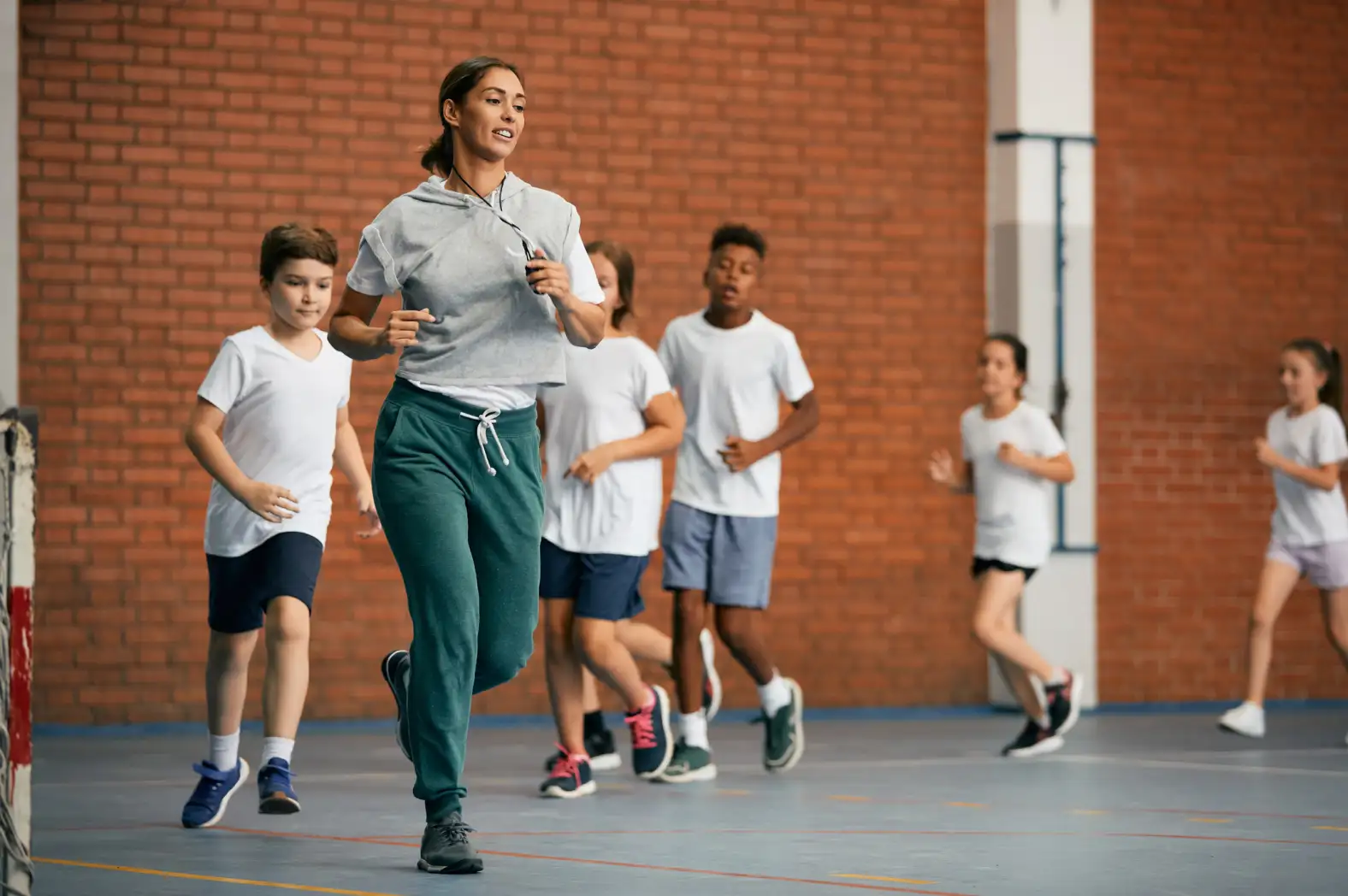
Teenage years are a critical stage of growth and development, marked by rapid physical, emotional, and cognitive changes. During this period, establishing healthy habits can have a long-lasting impact on overall well-being. One of the most important habits teenagers can develop is regular physical activity.
Understanding the Importance of Physical Activity for Teenagers helps highlight how exercise supports not only physical fitness but also mental health, academic performance, and social development. In today’s increasingly digital lifestyle, encouraging teens to stay active is more important than ever.
Why Physical Activity Matters for Teenagers
Physical activity is essential for maintaining a healthy body and mind. It supports growth, improves energy levels, and helps teenagers manage the challenges of adolescence.
Regular exercise helps teenagers:
- Improve physical fitness
- Support healthy growth and development
- Strengthen bones and muscles
- Maintain a healthy weight
- Enhance mood and mental health
- Improve focus and concentration
Active teenagers are more likely to develop healthy habits that continue into adulthood.
Supports Healthy Physical Growth
During adolescence, the body undergoes rapid growth, including increases in height, muscle development, and bone strength. Physical activity plays a key role in supporting this development.
Exercise helps:
- Strengthen bones through weight-bearing activity
- Improve muscle development
- Enhance flexibility and coordination
- Support healthy posture
Activities such as running, cycling, swimming, and sports help teenagers build a strong physical foundation.
Improves Mental Health and Emotional Well-Being
One of the most significant Importance of Physical Activity for Teenagers is its positive impact on mental health. Exercise helps regulate mood and reduce stress levels.
Regular physical activity can:
- Reduce anxiety and stress
- Improve mood and emotional stability
- Increase self-confidence
- Help manage symptoms of depression
- Promote better sleep quality
Exercise stimulates the release of endorphins, often called “feel-good hormones,” which contribute to a positive mental state.
Enhances Academic Performance
Physical activity is closely linked to improved brain function and academic success. Teenagers who stay active often perform better in school.
Benefits include:
- Improved concentration and memory
- Better problem-solving skills
- Increased alertness
- Enhanced classroom behavior
- Improved cognitive function
Even short bursts of physical activity can help improve focus during study sessions.
Helps Maintain a Healthy Weight
With changing hormones and lifestyle habits, teenagers may be at risk of weight gain or unhealthy eating patterns. Regular physical activity helps maintain a balanced weight.
Exercise supports:
- Calorie balance
- Fat reduction
- Muscle development
- Metabolic health
Combined with proper nutrition, physical activity plays a key role in maintaining overall health.
Builds Strong Bones and Muscles
Teenage years are the peak time for building bone density. Physical activity strengthens the musculoskeletal system, reducing the risk of future bone-related issues.
Weight-bearing activities such as:
- Running
- Jumping
- Dancing
- Team sports
help increase bone strength and muscle endurance.
Encourages Healthy Lifestyle Habits
Active teenagers are more likely to adopt other healthy behaviors that benefit long-term health.
These include:
- Better eating habits
- Reduced screen time
- Improved sleep routines
- Lower risk of harmful behaviors
Developing these habits early sets the foundation for a healthy adult life.
Boosts Social Interaction and Teamwork
Many physical activities involve group participation, which helps teenagers develop social skills.
Participation in sports or group activities can:
- Improve communication skills
- Build teamwork and cooperation
- Increase self-esteem
- Create friendships
- Develop leadership skills
These social benefits contribute to emotional growth and confidence.
Reduces Risk of Chronic Diseases
Regular physical activity during adolescence helps reduce the risk of developing chronic health conditions later in life.
It can help prevent:
- Obesity
- Type 2 diabetes
- Heart disease
- High blood pressure
- Metabolic disorders
Healthy habits formed in teenage years often continue into adulthood, reducing long-term health risks.
Improves Sleep Quality
Teenagers often experience irregular sleep patterns, but physical activity can help improve sleep quality and duration.
Exercise helps:
- Regulate sleep cycles
- Reduce insomnia
- Promote deeper sleep
- Improve overall restfulness
Better sleep also supports mental and physical recovery.
Encourages Discipline and Time Management
Balancing school, activities, and personal time requires structure and discipline. Physical activity teaches teenagers valuable life skills.
It helps them:
- Manage time effectively
- Stay consistent with routines
- Set and achieve goals
- Develop responsibility
These skills are beneficial in both academic and personal life.
Reduces Stress from Academic and Social Pressure
Teenagers often face pressure from studies, exams, and social expectations. Physical activity serves as a healthy outlet for stress.
It helps:
- Release tension
- Clear the mind
- Improve emotional resilience
- Provide a break from academic stress
Even short walks or recreational activities can make a significant difference.
Types of Physical Activities for Teenagers
Teenagers can choose from a wide range of activities based on their interests.
Popular options include:
- Team sports (football, basketball, cricket)
- Swimming
- Cycling
- Dancing
- Running or jogging
- Gym workouts (age-appropriate)
- Outdoor games
Choosing enjoyable activities increases consistency and motivation.
Encouraging Regular Physical Activity
Parents, schools, and communities play an important role in encouraging teenagers to stay active.
Helpful strategies include:
- Encouraging participation in sports
- Limiting screen time
- Providing safe outdoor spaces
- Supporting school physical education programs
- Being role models for active living
A supportive environment makes it easier for teens to stay active.
Balancing Activity with Rest
While physical activity is important, rest and recovery are equally essential.
Teenagers should:
- Get adequate sleep
- Avoid overtraining
- Take rest days when needed
- Listen to their body
Balanced routines help prevent fatigue and injury.
When to Seek Guidance
If teenagers experience pain, fatigue, or health concerns related to physical activity, it is important to consult a healthcare professional.
Medical advice may be needed for:
- Persistent injuries
- Extreme fatigue
- Breathing difficulties during exercise
- Underlying health conditions
Proper guidance ensures safe participation in physical activities.
Dr. Nikil Sudarsan is a highly experienced Pediatrician in Dubai, dedicated to providing comprehensive healthcare for infants, children, and adolescents. With expertise in Pediatric Neurology, Child Development, Autism, ADHD, Epilepsy, Genetics, and Developmental Disorders, he offers personalized, evidence-based care tailored to each child’s unique needs. Using the latest medical advancements and a family-centered approach, Dr. Nikil Sudarsan focuses on promoting healthy growth, early diagnosis, effective treatment, and long-term well-being, ensuring the best possible outcomes for every child.