
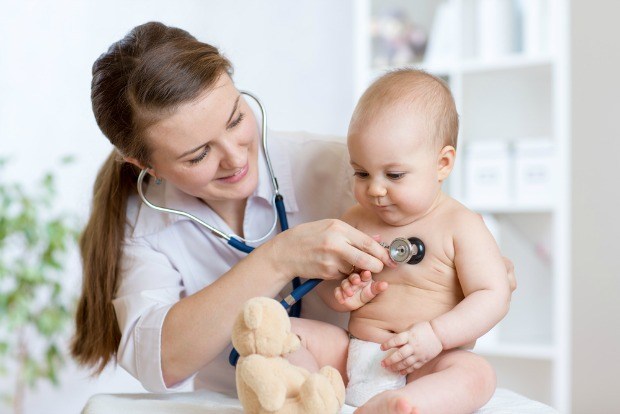
Children experience rapid physical, emotional, and cognitive growth throughout their early years. Ensuring they receive the right healthcare during this critical period is essential for supporting healthy development and preventing future health problems. This is where preventive pediatric care plays a vital role.
Understanding The Importance of Preventive Pediatric Care helps parents recognize the value of regular checkups, vaccinations, screenings, and healthy lifestyle guidance. Rather than focusing solely on treating illnesses, preventive care aims to keep children healthy, identify potential concerns early, and promote lifelong well-being.
What Is Preventive Pediatric Care?
Preventive pediatric care refers to healthcare services designed to monitor, protect, and improve a child’s health before illnesses or developmental issues arise. These services focus on prevention, early detection, and health education.
Preventive pediatric care typically includes:
- Routine wellness visits
- Growth and development monitoring
- Immunizations
- Health screenings
- Nutritional guidance
- Behavioral assessments
- Parent education
By addressing health concerns early, pediatricians can help children achieve optimal growth and development.
Why Preventive Care Matters for Children
Children’s healthcare needs change rapidly as they grow. Regular preventive visits allow healthcare providers to track these changes and ensure that development is progressing appropriately.
Preventive care helps:
- Detect health issues early
- Monitor physical growth
- Assess developmental milestones
- Prevent serious illnesses
- Support emotional well-being
- Promote healthy habits
Early intervention often leads to better health outcomes and can reduce the need for more extensive treatments later.
Monitoring Growth and Development
One of the primary goals of preventive pediatric care is tracking a child’s growth and developmental progress.
During routine visits, healthcare providers assess:
- Height and weight
- Head circumference in infants
- Motor skills
- Speech and language development
- Social and emotional milestones
Monitoring these indicators helps identify any delays or concerns that may benefit from additional support or intervention.
The Role of Vaccinations
Vaccinations are one of the most important components of preventive pediatric care.
Immunizations protect children from serious and potentially life-threatening diseases such as:
- Measles
- Mumps
- Rubella
- Polio
- Whooping cough
- Hepatitis
- Influenza
Vaccines not only protect individual children but also help reduce the spread of infectious diseases within communities.
Following the recommended vaccination schedule is an essential part of maintaining children’s health.
Early Detection of Health Conditions
Many childhood health conditions can be managed more effectively when detected early.
Routine preventive visits often include screenings for:
- Vision problems
- Hearing difficulties
- Anemia
- Developmental disorders
- Behavioral concerns
- Growth abnormalities
Early diagnosis allows healthcare providers to begin treatment promptly, improving long-term outcomes.
Supporting Healthy Nutrition
Nutrition plays a significant role in a child’s growth and overall health.
Pediatricians often provide guidance on:
- Age-appropriate nutrition
- Healthy eating habits
- Breastfeeding and infant feeding
- Managing picky eating
- Maintaining healthy weight
Nutritional counseling helps parents make informed decisions that support healthy development.
Promoting Physical Activity
Regular physical activity is important for children’s physical and mental well-being.
Preventive pediatric care encourages:
- Active play
- Participation in sports
- Limiting sedentary behavior
- Reducing excessive screen time
Healthy activity habits established during childhood often continue into adulthood.
Addressing Behavioral and Emotional Health
Children’s emotional and mental health is just as important as their physical health.
Preventive care visits provide opportunities to discuss:
- Social development
- Emotional well-being
- School performance
- Behavioral challenges
- Sleep habits
Pediatricians can identify concerns early and provide guidance or referrals when needed.
Building Healthy Habits for Life
Preventive pediatric care helps families establish healthy routines that can benefit children throughout their lives.
Topics often discussed include:
- Oral hygiene
- Handwashing
- Sleep routines
- Injury prevention
- Healthy eating
- Physical activity
Teaching these habits early promotes long-term wellness and disease prevention.
Strengthening Parent-Provider Relationships
Regular preventive visits allow families to build trusting relationships with their child’s healthcare provider.
These ongoing relationships offer opportunities to:
- Ask questions
- Discuss concerns
- Receive personalized guidance
- Monitor health over time
Parents often feel more confident when they have a trusted healthcare professional to support their child’s development.
Preventing Childhood Illnesses and Injuries
Preventive care extends beyond vaccinations and screenings.
Pediatricians also educate families about:
- Safety measures
- Injury prevention
- Proper car seat use
- Water safety
- Safe sleep practices
- Illness prevention strategies
This guidance helps reduce avoidable risks and supports safer environments for children.
Supporting School Readiness
Healthy children are often better prepared for learning and social interaction.
Preventive pediatric care helps ensure that children enter school with:
- Appropriate developmental skills
- Good physical health
- Proper vision and hearing
- Healthy social development
Addressing concerns before school entry can support academic success and confidence.
Long-Term Benefits of Preventive Pediatric Care
The benefits of preventive care extend far beyond childhood.
Children who receive regular preventive healthcare may experience:
- Better overall health
- Earlier diagnosis of medical conditions
- Improved developmental outcomes
- Reduced healthcare costs
- Healthier lifestyle habits
- Enhanced quality of life
Investing in preventive care during childhood helps establish a strong foundation for lifelong health.
How Often Should Children Have Preventive Visits?
Healthcare providers typically recommend regular wellness visits throughout childhood.
These visits are often more frequent during infancy and early childhood because growth and development occur rapidly during these years.
The exact schedule may vary based on age, health status, and individual needs. Parents should follow their pediatrician’s recommendations regarding routine checkups.
Tips for Parents
To make the most of preventive pediatric care:
- Attend all scheduled wellness visits
- Keep immunizations up to date
- Track developmental milestones
- Discuss any concerns openly
- Encourage healthy habits at home
- Follow healthcare provider recommendations
Active parental involvement plays an important role in supporting children’s health.
Dr. Nikil Sudarsan is a highly experienced Pediatrician in Dubai, dedicated to providing comprehensive healthcare for infants, children, and adolescents. With expertise in Pediatric Neurology, Child Development, Autism, ADHD, Epilepsy, Genetics, and Developmental Disorders, he offers personalized, evidence-based care tailored to each child’s unique needs. Using the latest medical advancements and a family-centered approach, Dr. Nikil Sudarsan focuses on promoting healthy growth, early diagnosis, effective treatment, and long-term well-being, ensuring the best possible outcomes for every child.