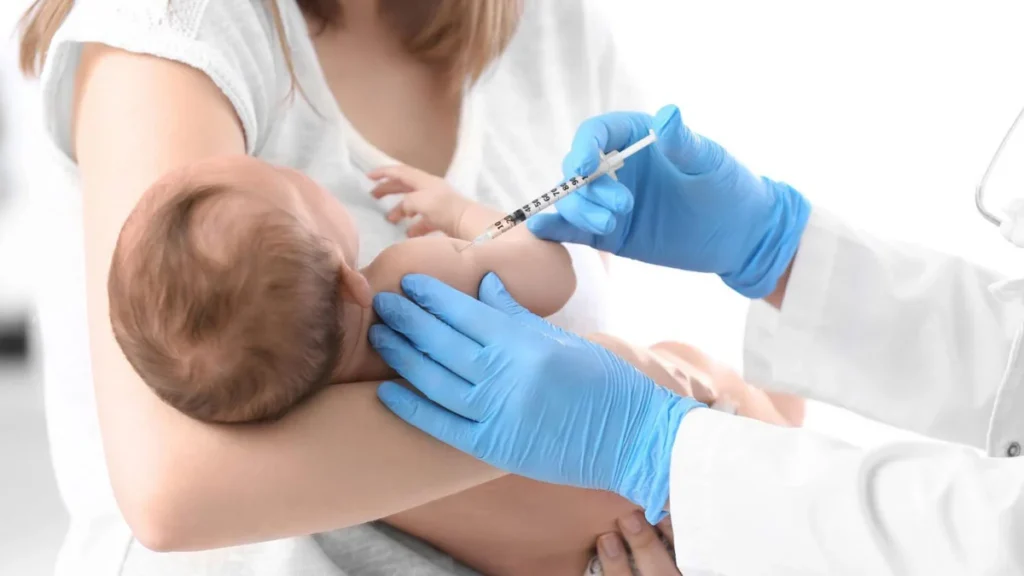
The first year of a baby’s life is a period of rapid growth and development. During this time, infants are particularly vulnerable to infections because their immune systems are still developing. Vaccinations play a crucial role in protecting babies from serious and potentially life-threatening diseases. By stimulating the body’s natural defenses, vaccines help infants build immunity before they are exposed to harmful illnesses.
Understanding the Importance of Vaccinations in Infancy can help parents make informed healthcare decisions and ensure their children receive the protection they need during their earliest stages of life.
What Are Vaccinations?
Vaccinations are medical interventions designed to help the immune system recognize and fight specific diseases. Vaccines contain weakened, inactive, or carefully prepared components of germs that stimulate an immune response without causing the illness itself.
When a baby receives a vaccine, the immune system learns how to identify and combat the disease in the future. This protection can significantly reduce the risk of infection and serious complications.
Why Infants Need Vaccinations
Newborns have some protection from antibodies passed from their mothers during pregnancy. However, this protection gradually decreases after birth.
Infants need vaccinations because:
- Their immune systems are still developing
- They are more vulnerable to infections
- Certain diseases can cause severe complications in young children
- Early protection helps prevent serious illness
Vaccines provide a safe and effective way to strengthen a baby’s immunity during this critical period.
Protection Against Serious Diseases
One of the main reasons vaccinations are important is their ability to protect infants from dangerous illnesses.
Vaccines help prevent diseases such as:
- Measles
- Mumps
- Rubella
- Polio
- Diphtheria
- Tetanus
- Whooping cough (pertussis)
- Hepatitis B
- Rotavirus
- Pneumococcal disease
Many of these illnesses can lead to hospitalization, long-term health problems, or even death in severe cases.
How Vaccines Work
Vaccines train the immune system to recognize harmful germs.
After vaccination:
- The immune system detects the vaccine components.
- Protective antibodies are produced.
- Immune memory develops.
- The body becomes better prepared to fight the disease if exposure occurs later.
This process helps provide protection without requiring a child to experience the illness itself.
Building Community Protection
Vaccinations benefit not only individual children but also entire communities.
When a large percentage of people are vaccinated, the spread of infectious diseases becomes more difficult. This concept is often referred to as community immunity or herd immunity.
Community protection helps safeguard:
- Newborns who are too young for certain vaccines
- Individuals with weakened immune systems
- People who cannot receive specific vaccines for medical reasons
High vaccination rates contribute to healthier communities overall.
Following the Recommended Immunization Schedule
Healthcare organizations develop immunization schedules based on extensive scientific research.
Vaccines are scheduled at specific ages because:
- Infants are most vulnerable during certain periods
- Early protection is essential
- Timing helps maximize vaccine effectiveness
Following the recommended schedule ensures babies receive protection when they need it most.
Parents should consult their pediatrician regarding the vaccination schedule appropriate for their child.
Vaccine Safety
Vaccines undergo extensive testing before approval and continue to be monitored for safety after they become available.
Safety measures include:
- Clinical trials
- Regulatory review
- Ongoing monitoring
- Scientific evaluation
Most vaccine side effects are mild and temporary.
Common reactions may include:
- Mild fever
- Redness at the injection site
- Temporary fussiness
- Mild swelling
Serious adverse reactions are rare, and healthcare providers are trained to manage them appropriately.
Addressing Common Vaccine Concerns
Parents often have questions about vaccinations, which is completely understandable.
Are Vaccines Necessary?
Yes. Vaccines protect against diseases that can cause severe complications, especially in infants.
Can Vaccines Overload a Baby’s Immune System?
No. Babies encounter numerous germs daily, and vaccines represent only a small challenge to the immune system compared to natural exposures.
Why Are Multiple Vaccines Given During Infancy?
Early vaccination provides timely protection during a period when infants are highly vulnerable to infections.
Healthcare providers can help answer specific questions and address concerns about vaccine safety and effectiveness.
Benefits Beyond Disease Prevention
Vaccinations offer several benefits beyond protecting individual children from illness.
These benefits include:
- Reduced hospitalizations
- Lower healthcare costs
- Fewer missed workdays for parents
- Improved quality of life
- Greater public health protection
Preventing disease through vaccination is often far more effective than treating illnesses after they occur.
What Happens If Infants Are Not Vaccinated?
Children who do not receive recommended vaccinations may be at higher risk for serious infections.
Potential consequences include:
- Increased susceptibility to disease
- Greater risk of complications
- Higher likelihood of disease outbreaks
- Increased transmission to others
Vaccination helps minimize these risks and supports long-term health.
Supporting Your Baby During Vaccination Visits
Parents can help make vaccination appointments more comfortable by:
- Remaining calm and reassuring
- Holding or comforting the baby
- Bringing a favorite toy or blanket
- Following healthcare provider recommendations
Most babies recover quickly from routine vaccinations and can resume normal activities shortly afterward.
The Role of Pediatricians
Pediatricians play an important role in guiding families through the vaccination process.
They help:
- Monitor immunization schedules
- Provide vaccine information
- Address parental concerns
- Ensure vaccines are administered safely
Regular pediatric visits help ensure infants receive recommended preventive care.
Looking Toward a Healthier Future
Vaccinations have contributed to dramatic reductions in many serious childhood diseases worldwide. Diseases that once caused widespread illness and death are now far less common because of successful immunization programs.
By vaccinating infants according to recommended schedules, parents help protect not only their own children but also future generations.
Dr. Nikil Sudarsan is a highly experienced Pediatrician in Dubai, dedicated to providing comprehensive healthcare for infants, children, and adolescents. With expertise in Pediatric Neurology, Child Development, Autism, ADHD, Epilepsy, Genetics, and Developmental Disorders, he offers personalized, evidence-based care tailored to each child’s unique needs. Using the latest medical advancements and a family-centered approach, Dr. Nikil Sudarsan focuses on promoting healthy growth, early diagnosis, effective treatment, and long-term well-being, ensuring the best possible outcomes for every child.