Allergies are among the most common health conditions affecting children worldwide. While some allergies cause only mild discomfort, others can significantly impact a child’s daily life and overall well-being. Recognizing allergy symptoms early and understanding how to manage them can help parents protect their children and reduce the risk of complications.
This guide to Understanding Childhood Allergies explores the causes, symptoms, diagnosis, treatment options, and preventive measures that every parent should know.
What Are Childhood Allergies?
An allergy occurs when the immune system mistakenly identifies a normally harmless substance as a threat. In response, the body releases chemicals such as histamine, which trigger allergy symptoms.
The substances that cause allergic reactions are known as allergens.
Common allergens include:
- Pollen
- Dust mites
- Pet dander
- Mold
- Certain foods
- Insect stings
- Medications
Allergies can develop at any age, but many begin during childhood.
Why Do Children Develop Allergies?
The exact cause of allergies is not always clear, but several factors can increase a child’s risk.
Genetics
Children with a family history of allergies, asthma, or eczema are more likely to develop allergies themselves.
Environmental Exposure
Exposure to allergens in the home, school, or outdoor environment may contribute to allergic reactions.
Immune System Response
Allergies occur when the immune system overreacts to substances that are typically harmless to most people.
A combination of genetic and environmental factors often plays a role.
Common Types of Childhood Allergies
Children can experience various types of allergies, each with unique triggers and symptoms.
Food Allergies
Food allergies occur when the immune system reacts to specific foods.
Common food allergens include:
- Milk
- Eggs
- Peanuts
- Tree nuts
- Soy
- Wheat
- Fish
- Shellfish
Food allergies can range from mild to severe.
Seasonal Allergies
Seasonal allergies, also known as hay fever or allergic rhinitis, are often triggered by:
- Tree pollen
- Grass pollen
- Weed pollen
Symptoms tend to worsen during certain times of the year when pollen levels are high.
Indoor Allergies
Indoor allergens may affect children year-round.
Common indoor triggers include:
- Dust mites
- Pet dander
- Mold spores
These allergies can be particularly challenging because exposure may occur daily.
Skin Allergies
Skin allergies often cause irritation and inflammation.
Examples include:
- Eczema
- Contact dermatitis
- Hives
Skin reactions may occur after exposure to allergens, irritants, or certain materials.
Insect Sting Allergies
Some children experience allergic reactions to insect stings from:
- Bees
- Wasps
- Hornets
Severe reactions require immediate medical attention.
Common Symptoms of Childhood Allergies
Allergy symptoms vary depending on the allergen and the affected body system.
Respiratory Symptoms
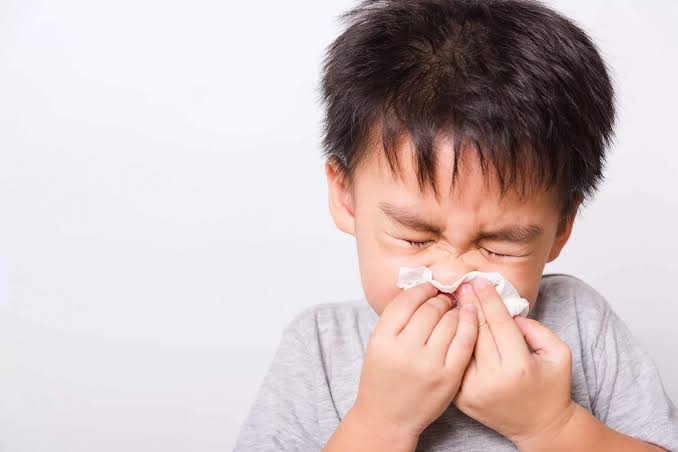
- Sneezing
- Runny nose
- Nasal congestion
- Itchy nose
- Coughing
- Wheezing
Eye Symptoms
- Itchy eyes
- Redness
- Excessive tearing
- Swelling around the eyes
Skin Symptoms
- Rash
- Hives
- Itching
- Dry skin
- Eczema flare-ups
Digestive Symptoms
Food allergies may cause:
- Stomach pain
- Nausea
- Vomiting
- Diarrhea
Severe Symptoms
In rare cases, allergies can lead to anaphylaxis, a serious medical emergency.
Signs may include:
- Difficulty breathing
- Swelling of the throat
- Dizziness
- Rapid heartbeat
- Loss of consciousness
Emergency medical care is required immediately if anaphylaxis is suspected.
How Childhood Allergies Are Diagnosed
If allergies are suspected, a healthcare provider may recommend further evaluation.
Diagnostic methods may include:
Medical History Review
The provider will discuss symptoms, triggers, and family history.
Physical Examination
A physical exam helps identify signs of allergic reactions.
Allergy Testing
Testing may include:
- Skin prick tests
- Blood tests
- Elimination diets for food allergies
Accurate diagnosis helps guide treatment and management strategies.
Managing Childhood Allergies
Although allergies cannot always be cured, effective management can significantly reduce symptoms and improve quality of life.
Avoiding Allergens
The most effective strategy is minimizing exposure to known triggers.
Examples include:
- Keeping windows closed during high pollen seasons
- Using dust-mite-proof bedding
- Reducing indoor mold
- Avoiding allergenic foods
Medications
Healthcare providers may recommend medications such as:
- Antihistamines
- Nasal sprays
- Eye drops
- Asthma medications when appropriate
Always follow medical guidance regarding medication use.
Allergy Immunotherapy
For certain allergies, immunotherapy may help reduce sensitivity over time.
This treatment involves controlled exposure to allergens under medical supervision.
Helping Children Cope with Allergies
Managing allergies can sometimes be stressful for children and families.
Parents can help by:
- Educating children about their allergies
- Teaching them to recognize symptoms
- Informing caregivers and teachers
- Preparing emergency action plans
- Encouraging open communication
Knowledge and preparation help children feel more confident and safe.
Preventing Allergy Complications
Proper allergy management can help prevent complications such as:
- Chronic sinus problems
- Asthma flare-ups
- Sleep disturbances
- Poor school performance
- Severe allergic reactions
Regular medical follow-up is important for monitoring symptoms and adjusting treatment plans when necessary.
When Should Parents Seek Medical Advice?
Parents should consult a healthcare provider if:
- Symptoms are frequent or severe
- Allergies interfere with daily activities
- Over-the-counter treatments are ineffective
- Breathing difficulties occur
- Severe reactions are suspected
Early intervention often leads to better symptom control and improved outcomes.
Living Well with Childhood Allergies
Many children with allergies lead healthy, active lives when their condition is properly managed.
Successful allergy management involves:
- Identifying triggers
- Following treatment plans
- Maintaining regular medical care
- Staying informed about allergy prevention
With the right support, children can safely participate in school, sports, and other everyday activities.
Dr. Nikil Sudarsan is a highly experienced Pediatrician in Dubai, dedicated to providing comprehensive healthcare for infants, children, and adolescents. With expertise in Pediatric Neurology, Child Development, Autism, ADHD, Epilepsy, Genetics, and Developmental Disorders, he offers personalized, evidence-based care tailored to each child’s unique needs. Using the latest medical advancements and a family-centered approach, Dr. Nikil Sudarsan focuses on promoting healthy growth, early diagnosis, effective treatment, and long-term well-being, ensuring the best possible outcomes for every child.