The Impact of Technology on Child Development

The Impact of Technology on Child Development

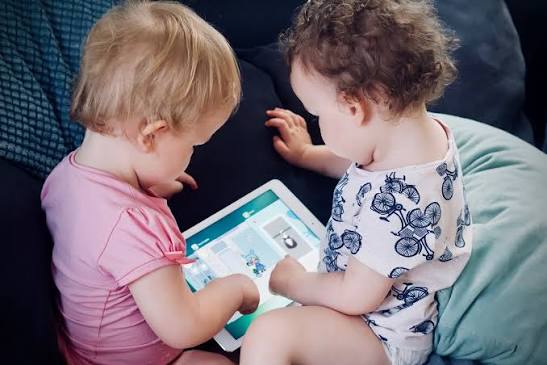
Technology has become a major part of modern childhood. From educational apps and online learning to video games and social media, children today are growing up in a highly digital environment. While technology offers many educational and developmental benefits, excessive or unregulated use can also affect physical, emotional, and cognitive growth.

The Impact of Technology on Child Development focuses on understanding both the positive and negative effects of technology and how parents can create a healthy balance for their children.

Positive Effects of Technology on Child Development

When used appropriately, technology can support learning and development in several ways.

Enhances Learning and Education

Educational apps, videos, and interactive platforms help children learn new concepts in engaging ways.

Benefits include:

  • Improved reading and math skills
  • Interactive learning experiences
  • Access to global educational resources
  • Personalized learning pace

Improves Cognitive Skills

Certain games and apps help develop problem-solving and critical thinking skills.

Examples:

  • Puzzle games
  • Memory-based activities
  • Strategy-based learning apps

Encourages Creativity

Technology allows children to explore creativity through:

  • Drawing apps
  • Music creation tools
  • Video storytelling platforms

Supports Communication and Social Learning

Digital platforms can help children connect with family and peers, especially in long-distance relationships.

Negative Effects of Technology on Child Development

Excessive or unmonitored use of technology can have several drawbacks.

Reduced Physical Activity

Too much screen time can lead to a sedentary lifestyle, increasing the risk of:

  • Obesity
  • Weak muscles
  • Poor posture

Delayed Social Skills

Excessive device use may reduce face-to-face interaction, affecting:

  • Communication skills
  • Emotional understanding
  • Social confidence

Sleep Disruption

Screen exposure, especially before bedtime, can:

  • Delay sleep onset
  • Reduce sleep quality
  • Affect brain development

Attention and Behavioral Issues

Overuse of fast-paced digital content may lead to:

  • Short attention span
  • Reduced focus
  • Irritability

Screen Time and Child Development

Screen time is one of the most important factors influencing child development in the digital age.

Recommended guidelines:

  • Under 2 years: minimal to no screen time
  • 2–5 years: limited, supervised screen time
  • 6+ years: balanced screen time with other activities

Balance is more important than complete restriction.

Impact on Physical Development

Excessive technology use can affect physical growth:

  • Reduced outdoor play
  • Eye strain and fatigue
  • Poor posture and back issues
  • Limited motor skill development

Encouraging active play helps counter these effects.

Impact on Cognitive Development

Technology can both help and hinder cognitive growth.

Positive:

  • Improved digital literacy
  • Faster information access
  • Interactive learning

Negative:

  • Reduced deep thinking
  • Dependency on devices for answers
  • Lower problem-solving patience

Impact on Emotional Development

Technology affects emotional growth in different ways:

Negative effects:

  • Reduced emotional expression
  • Exposure to inappropriate content
  • Social comparison through media

Positive effects:

  • Emotional learning through educational content
  • Access to supportive online communities

Impact on Social Development

Social skills can be influenced by digital habits.

Concerns include:

  • Less real-life interaction
  • Difficulty understanding social cues
  • Preference for virtual communication

However, controlled use can:

  • Improve collaboration through group learning apps
  • Enhance communication skills in moderated environments

Importance of Parental Guidance

Parents play a crucial role in managing technology use.

Key responsibilities:

  • Monitoring screen time
  • Choosing age-appropriate content
  • Encouraging offline activities
  • Setting digital boundaries

Active involvement helps ensure healthy usage.

Creating a Healthy Technology Balance

A balanced approach helps children benefit from technology without harm.

Strategies include:

  • Setting daily screen limits
  • Encouraging outdoor play
  • Scheduling device-free time (meals, bedtime)
  • Using technology for learning, not just entertainment

Educational Technology vs Entertainment Use

Not all screen time is equal.

Educational Use:

  • Learning apps
  • Online classes
  • Skill-building games

Entertainment Use:

  • Video streaming
  • Casual games
  • Social media

A healthy balance should prioritize educational content.

Encouraging Offline Activities

To reduce overdependence on technology, children should engage in:

  • Outdoor sports
  • Reading books
  • Creative arts
  • Family interaction
  • Physical games

These activities support holistic development.

Signs of Excessive Technology Use

Parents should watch for:

  • Irritability when devices are removed
  • Reduced interest in outdoor play
  • Poor academic focus
  • Sleep disturbances
  • Social withdrawal

Early intervention helps restore balance.

Safe and Responsible Technology Use

Safety guidelines include:

  • Using parental control tools
  • Monitoring online activity
  • Avoiding unsafe websites and apps
  • Teaching digital etiquette

Digital safety is essential for healthy development.

Dr. Nikil Sudarsan is a highly experienced Pediatrician in Dubai, dedicated to providing comprehensive healthcare for infants, children, and adolescents. With expertise in Pediatric Neurology, Child Development, Autism, ADHD, Epilepsy, Genetics, and Developmental Disorders, he offers personalized, evidence-based care tailored to each child’s unique needs. Using the latest medical advancements and a family-centered approach, Dr. Nikil Sudarsan focuses on promoting healthy growth, early diagnosis, effective treatment, and long-term well-being, ensuring the best possible outcomes for every child. 
The Role of Exercise in Child Health

The Role of Exercise in Child Health

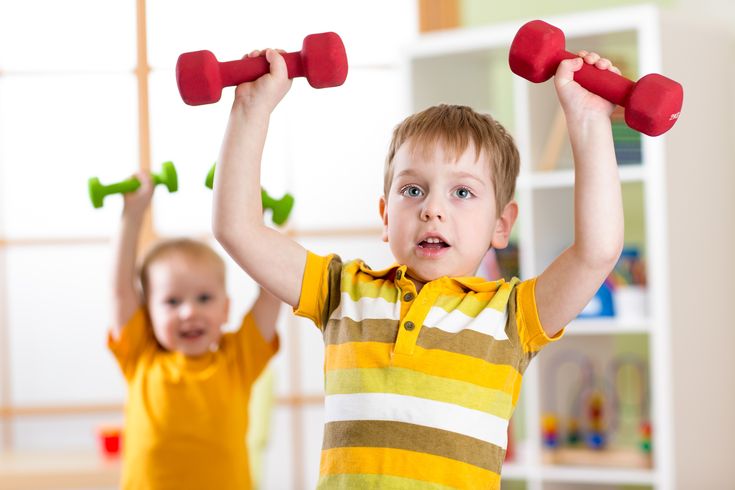
Physical activity is one of the most important factors in a child’s overall growth and development. Regular exercise supports not only physical strength but also mental, emotional, and social well-being. In today’s digital age, where screen time is increasing, encouraging children to stay active has become more important than ever.

The Role of Exercise in Child Health focuses on how movement and physical activity contribute to healthy development and how parents can help children build lifelong fitness habits.

Why Exercise Is Important for Children

Exercise plays a vital role in shaping a child’s overall health. It supports:

  • Healthy physical growth
  • Strong bones and muscles
  • Better coordination and balance
  • Improved immunity
  • Healthy weight management

Active children are generally healthier and more energetic.

Physical Benefits of Exercise

Regular physical activity provides several important physical health benefits:

Strong Bones and Muscles

Weight-bearing activities help build strong bones and muscles, reducing the risk of future injuries and bone-related issues.

Healthy Weight Control

Exercise helps balance calorie intake and prevents childhood obesity.

Improved Heart Health

Activities like running, swimming, and cycling strengthen the heart and improve circulation.

Better Motor Skills

Exercise enhances coordination, agility, and overall physical performance.

Mental Health Benefits

Exercise is not only good for the body but also for the mind.

Reduced Stress and Anxiety

Physical activity releases endorphins, which help improve mood and reduce stress.

Improved Concentration

Active children often show better focus and academic performance.

Better Sleep

Regular exercise supports healthier sleep patterns and deeper rest.

Emotional and Social Benefits

Exercise also supports emotional balance and social development.

Builds Confidence

Achieving physical goals improves self-esteem.

Encourages Teamwork

Group sports teach cooperation, sharing, and communication.

Emotional Regulation

Physical activity helps children manage emotions more effectively.

Types of Exercises for Children

Children benefit from a variety of physical activities:

Outdoor Play

  • Running
  • Jumping
  • Climbing
  • Playing tag

Sports Activities

  • Football
  • Cricket
  • Basketball
  • Swimming

Structured Exercise

  • Yoga for kids
  • Stretching routines
  • Dance classes

Everyday Activities

  • Walking to school
  • Cycling
  • Playing in the park

Recommended Exercise Duration

Health experts suggest:

  • At least 60 minutes of physical activity daily for children
  • A mix of moderate and vigorous activities
  • Regular movement throughout the day

Consistency is more important than intensity.

How Exercise Supports Growth and Development

Exercise contributes directly to healthy development:

  • Supports bone growth during childhood
  • Improves muscle development
  • Enhances brain function
  • Promotes hormonal balance

Active children tend to develop stronger physical and cognitive abilities.

Role of Exercise in Preventing Health Issues

Regular physical activity helps reduce the risk of:

  • Childhood obesity
  • Type 2 diabetes
  • Weak immunity
  • Poor posture
  • Cardiovascular issues later in life

Prevention through activity is more effective than treatment later.

Encouraging Children to Exercise

Parents play a key role in building active habits.

Helpful strategies include:

  • Making exercise fun and enjoyable
  • Encouraging outdoor play daily
  • Limiting screen time
  • Participating in activities together as a family
  • Enrolling children in sports or dance classes

Positive reinforcement works better than pressure.

Reducing Screen Time

Excess screen time often leads to inactivity.

Tips:

  • Set daily screen limits
  • Encourage outdoor games instead
  • Create tech-free play zones
  • Replace screen time with physical activities

Balance is key for healthy development.

Exercise and Nutrition Connection

Physical activity works best when combined with proper nutrition.

Healthy habits include:

  • Eating balanced meals
  • Staying hydrated
  • Avoiding junk food
  • Eating energy-rich foods before activity

Nutrition fuels performance and recovery.

Safety Tips for Children During Exercise

Safety is essential during physical activities:

  • Use proper footwear and equipment
  • Warm up before exercise
  • Stay hydrated
  • Avoid overexertion
  • Supervise younger children

Safe exercise ensures long-term benefits.

Age-Appropriate Exercise

Different ages require different types of activity:

Toddlers (1–3 years)

  • Simple play activities
  • Walking and running

Preschoolers (3–5 years)

  • Active play and games
  • Basic coordination activities

School-age children (6–12 years)

  • Sports and structured exercise
  • Team activities

When to Be Concerned

Parents should consult a doctor if:

  • Child avoids physical activity completely
  • Shows fatigue or pain during movement
  • Has difficulty with coordination
  • Experiences frequent injuries

Early evaluation ensures proper development.

Dr. Nikil Sudarsan is a highly experienced Pediatrician in Dubai, dedicated to providing comprehensive healthcare for infants, children, and adolescents. With expertise in Pediatric Neurology, Child Development, Autism, ADHD, Epilepsy, Genetics, and Developmental Disorders, he offers personalized, evidence-based care tailored to each child’s unique needs. Using the latest medical advancements and a family-centered approach, Dr. Nikil Sudarsan focuses on promoting healthy growth, early diagnosis, effective treatment, and long-term well-being, ensuring the best possible outcomes for every child. 

Understanding Newborn Sleep Patterns

Understanding Newborn Sleep Patterns

Sleep is one of the most important aspects of a newborn’s growth and development. In the early months of life, babies spend most of their time sleeping, but their sleep patterns are very different from adults. Newborn sleep is often irregular, short, and divided into multiple cycles throughout the day and night.

Understanding Newborn Sleep Patterns helps parents recognize normal sleep behavior, manage expectations, and create a safe and comfortable sleep environment for their baby. Knowing how newborn sleep works also helps reduce stress for new parents and supports healthy infant development.

How Much Do Newborns Sleep?

Newborns typically sleep between 14 to 17 hours a day, although some may sleep up to 18–19 hours. However, this sleep is not continuous.

Key characteristics include:

  • Sleep occurs in short intervals of 2–4 hours
  • No clear difference between day and night sleep
  • Frequent waking for feeding
  • Irregular sleep cycles

This pattern is completely normal during the first few months.

Sleep Cycles in Newborns

Newborn sleep is divided into two main stages:

Active (REM) Sleep

  • Baby may move, twitch, or make sounds
  • Brain activity is high
  • Easier to wake up

Quiet (Non-REM) Sleep

  • Deep, restful sleep
  • Less movement
  • Harder to wake up

Newborns spend more time in REM sleep compared to adults, which supports rapid brain development.

Why Newborn Sleep Is Irregular

Newborn sleep patterns are influenced by several factors:

  • Small stomach capacity requiring frequent feeding
  • Immature circadian rhythm (body clock)
  • Rapid brain development
  • Need for constant nourishment and comfort

As babies grow, their sleep gradually becomes more structured.

Day and Night Confusion

Many newborns experience “day-night confusion,” where they sleep more during the day and stay awake at night.

Common reasons:

  • Lack of established circadian rhythm
  • Excess daytime sleep
  • Night feeding patterns

This usually improves within the first 6–8 weeks.

Common Newborn Sleep Behaviors

Newborns may display behaviors that are completely normal but sometimes concerning for new parents:

  • Frequent waking
  • Short naps
  • Startle reflex during sleep
  • Noisy breathing or grunting
  • Movements during sleep

These behaviors are usually part of normal development.

Factors That Affect Newborn Sleep

Several factors influence how well a newborn sleeps:

  • Hunger and feeding schedule
  • Diaper discomfort
  • Room temperature
  • Noise and light levels
  • Growth spurts
  • Illness or colic

Understanding these factors helps parents improve sleep quality.

Tips for Better Newborn Sleep

Creating a calm and consistent environment can support better sleep patterns.

Establish a Gentle Routine

Even though newborns don’t follow strict schedules, simple routines help:

  • Bathing before bedtime
  • Soft lullabies
  • Dim lighting at night

Encourage Day-Night Awareness

  • Keep daytime bright and active
  • Use natural light during feeds
  • Keep nighttime quiet and dark

Safe Sleep Environment

  • Place baby on their back to sleep
  • Use a firm mattress
  • Avoid pillows, blankets, and toys in the crib
  • Maintain a cool and comfortable room temperature

Respond to Baby’s Needs

  • Feed when hungry
  • Comfort when crying
  • Change diapers regularly

Feeding and Sleep Connection

Newborn sleep is closely linked to feeding patterns.

  • Breastfed babies may wake more frequently
  • Formula-fed babies may sleep slightly longer stretches
  • Growth spurts may increase feeding and waking frequency

Feeding plays a key role in sleep regulation during early months.

Sleep Development Over Time

Newborn sleep gradually evolves:

0–2 Months

  • Irregular sleep cycles
  • Frequent waking
  • No fixed day-night pattern

3–4 Months

  • Longer nighttime sleep begins
  • Fewer daytime naps
  • Improved circadian rhythm

6 Months and Beyond

  • More structured sleep schedule
  • Longer continuous sleep at night
  • Reduced nighttime feeding

Common Sleep Challenges

Parents may face several challenges during newborn sleep stages:

  • Frequent night waking
  • Difficulty settling to sleep
  • Short naps
  • Colic-related discomfort

Most of these issues improve naturally with time.

When to Seek Medical Advice

Consult a doctor if the baby:

  • Sleeps significantly less than normal consistently
  • Has difficulty breathing during sleep
  • Shows extreme irritability or lethargy
  • Has feeding difficulties affecting sleep

Early evaluation ensures the baby’s health and comfort.

Importance of Sleep for Newborn Development

Sleep is essential for:

  • Brain development
  • Physical growth
  • Immune system strengthening
  • Memory formation
  • Emotional regulation

Quality sleep supports overall infant health.

Dr. Nikil Sudarsan is a highly experienced Pediatrician in Dubai, dedicated to providing comprehensive healthcare for infants, children, and adolescents. With expertise in Pediatric Neurology, Child Development, Autism, ADHD, Epilepsy, Genetics, and Developmental Disorders, he offers personalized, evidence-based care tailored to each child’s unique needs. Using the latest medical advancements and a family-centered approach, Dr. Nikil Sudarsan focuses on promoting healthy growth, early diagnosis, effective treatment, and long-term well-being, ensuring the best possible outcomes for every child. 
Child Development Through Different Ages

Child Development Through Different Ages

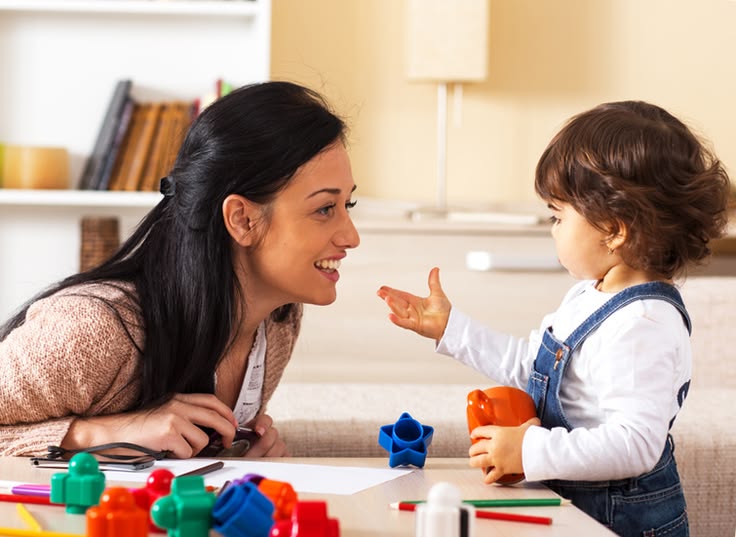
Child development is a continuous process that begins at birth and continues into adolescence and adulthood. Every stage of growth brings new physical abilities, emotional understanding, cognitive skills, and social behavior. While each child develops at their own pace, there are general patterns that help parents understand what to expect and how to support healthy development.

Child Development Through Different Ages focuses on the key milestones and changes that occur during different stages of childhood, helping parents provide the right support at the right time.

Understanding Child Development

Child development refers to the biological, psychological, and emotional changes that occur as a child grows. It includes four main areas:

  • Physical development (movement and growth)
  • Cognitive development (thinking and learning)
  • Emotional development (feelings and self-awareness)
  • Social development (interaction with others)

Each stage builds the foundation for the next.

Infancy Stage (0–1 Year)

The infancy stage is the fastest period of growth and development.

Physical Development

  • Lifting head and rolling over
  • Sitting and crawling
  • Beginning to stand and walk

Cognitive Development

  • Recognizing voices and faces
  • Exploring objects with senses
  • Responding to sounds

Emotional Development

  • Forming attachment with caregivers
  • Expressing emotions through crying and smiling

Social Development

  • Responding to social interaction
  • Showing interest in familiar people

This stage is highly dependent on caregiving and bonding.

Toddler Stage (1–3 Years)

Toddlers become more active, independent, and curious.

Physical Development

  • Walking, running, climbing
  • Improved hand coordination
  • Basic self-feeding skills

Cognitive Development

  • Understanding simple instructions
  • Beginning pretend play
  • Rapid vocabulary growth

Emotional Development

  • Showing strong emotions and tantrums
  • Developing independence

Social Development

  • Playing alongside other children
  • Beginning to share and interact

This stage focuses on exploration and independence.

Preschool Stage (3–5 Years)

Preschoolers develop stronger communication and social skills.

Physical Development

  • Improved balance and coordination
  • Drawing and basic writing skills
  • Better control of movements

Cognitive Development

  • Counting and recognizing shapes
  • Asking questions frequently
  • Understanding basic problem-solving

Emotional Development

  • Learning emotional control
  • Developing empathy

Social Development

  • Cooperative play
  • Following rules in games
  • Making friends

This stage prepares children for formal education.

Early School Age (6–9 Years)

Children begin structured learning and social expansion.

Physical Development

  • Increased strength and coordination
  • Participation in sports
  • Improved fine motor skills

Cognitive Development

  • Reading and writing skills
  • Logical thinking development
  • Better concentration

Emotional Development

  • Increased self-confidence
  • Awareness of achievements and failures

Social Development

  • Stronger friendships
  • Teamwork and group activities

This stage focuses on academic and social growth.

Late School Age (10–12 Years)

Children develop more complex thinking and independence.

Physical Development

  • Pre-adolescent growth spurts
  • Improved physical strength

Cognitive Development

  • Advanced problem-solving skills
  • Abstract thinking begins
  • Academic skill improvement

Emotional Development

  • Increased self-awareness
  • Emotional sensitivity

Social Development

  • Peer influence becomes stronger
  • Group identity formation

This stage prepares for adolescence.

Adolescence Stage (13–18 Years)

Adolescence is marked by rapid physical and emotional changes.

Physical Development

  • Puberty changes
  • Height and body development

Cognitive Development

  • Advanced reasoning skills
  • Decision-making ability improves

Emotional Development

  • Identity formation
  • Mood changes and emotional intensity

Social Development

  • Strong peer relationships
  • Independence from parents increases

This stage focuses on identity and independence.

Factors That Influence Child Development

Several factors affect how children grow:

  • Genetics
  • Nutrition
  • Environment
  • Parenting style
  • Education
  • Emotional support
  • Physical activity

A supportive environment encourages healthy development.

Role of Parents in Child Development

Parents play a key role at every stage.

Important responsibilities include:

  • Providing emotional support
  • Encouraging learning and curiosity
  • Maintaining healthy routines
  • Offering guidance and discipline
  • Creating a safe environment

Parental involvement improves developmental outcomes.

Supporting Healthy Development

To support children at all stages:

  • Encourage balanced nutrition
  • Promote regular physical activity
  • Support emotional expression
  • Limit screen time
  • Provide learning opportunities
  • Ensure regular health check-ups

Consistency is essential for healthy growth.

When to Be Concerned

Parents should seek advice if they notice:

  • Delayed speech or movement
  • Difficulty learning or socializing
  • Behavioral concerns
  • Loss of previously acquired skills

Early intervention helps address developmental concerns effectively.

Dr. Nikil Sudarsan is a highly experienced Pediatrician in Dubai, dedicated to providing comprehensive healthcare for infants, children, and adolescents. With expertise in Pediatric Neurology, Child Development, Autism, ADHD, Epilepsy, Genetics, and Developmental Disorders, he offers personalized, evidence-based care tailored to each child’s unique needs. Using the latest medical advancements and a family-centered approach, Dr. Nikil Sudarsan focuses on promoting healthy growth, early diagnosis, effective treatment, and long-term well-being, ensuring the best possible outcomes for every child. 
A Parent’s Guide to Supporting Overall Child Wellness

A Parent's Guide to Supporting Overall Child Wellness

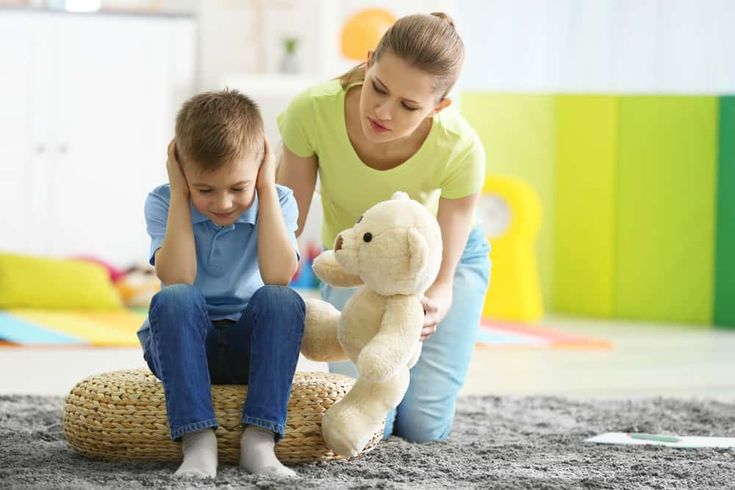
Child wellness goes beyond just physical health—it includes emotional balance, mental development, nutrition, sleep, social skills, and overall lifestyle habits. A well-rounded approach to wellness ensures that children grow into healthy, confident, and emotionally strong individuals. Parents play the most important role in shaping these foundations during early childhood.

A Parent’s Guide to Supporting Overall Child Wellness focuses on practical strategies that help parents create a balanced environment that supports every aspect of a child’s growth and development.

Understanding Child Wellness

Child wellness refers to the complete well-being of a child, including:

  • Physical health
  • Mental and emotional health
  • Social development
  • Cognitive growth
  • Behavioral balance

A healthy child is not only free from illness but also active, emotionally stable, and socially engaged.

Importance of Overall Child Wellness

Supporting wellness in childhood has long-term benefits such as:

  • Strong immune system
  • Better academic performance
  • Improved emotional resilience
  • Healthy lifestyle habits
  • Reduced risk of chronic diseases later in life

Early habits strongly influence future health outcomes.

Balanced Nutrition for Wellness

Nutrition is the foundation of child wellness.

Key practices include:

  • Providing a balanced diet with all food groups
  • Including fruits and vegetables daily
  • Ensuring adequate protein and calcium intake
  • Limiting sugar and processed foods
  • Encouraging proper hydration

A nutritious diet supports growth, energy, and brain development.

Importance of Physical Activity

Regular physical activity is essential for physical and mental health.

Benefits include:

  • Strong muscles and bones
  • Improved coordination
  • Better mood and focus
  • Reduced risk of obesity

Activities such as outdoor play, sports, cycling, and walking should be encouraged daily.

Healthy Sleep Habits

Sleep plays a critical role in child development and wellness.

Healthy sleep practices include:

  • Maintaining consistent bedtime routines
  • Ensuring age-appropriate sleep duration
  • Avoiding screens before bedtime
  • Creating a calm sleep environment

Good sleep improves memory, mood, and growth.

Emotional and Mental Well-being

Children need emotional support to develop confidence and resilience.

Parents can support mental wellness by:

  • Listening to children’s feelings
  • Encouraging open communication
  • Teaching emotional expression
  • Providing a supportive environment
  • Avoiding excessive pressure or criticism

Emotional stability is key to overall wellness.

Social Development and Interaction

Social skills are an important part of child wellness.

Encourage:

  • Group play and teamwork
  • Sharing and cooperation
  • Respect for others
  • Communication skills

Healthy social interactions build confidence and empathy.

Hygiene and Personal Care

Good hygiene habits protect children from illness and build discipline.

Important practices:

  • Regular handwashing
  • Daily bathing
  • Oral hygiene (brushing teeth twice daily)
  • Clean clothing and surroundings

These habits support both health and self-confidence.

Screen Time Balance

Excessive screen time can negatively affect physical and mental wellness.

Healthy habits include:

  • Setting daily screen limits
  • Encouraging outdoor activities
  • Choosing educational content
  • Avoiding screens during meals and bedtime

Balanced use of technology supports better development.

Importance of Routine and Structure

Children thrive in structured environments.

Benefits include:

  • Reduced anxiety
  • Better behavior
  • Improved discipline
  • Stronger time management skills

Daily routines for meals, sleep, and study create stability.

Preventive Healthcare and Check-ups

Regular health check-ups are essential for monitoring child wellness.

Key practices:

  • Routine pediatric visits
  • Vaccinations on schedule
  • Monitoring growth and development
  • Early detection of health issues

Preventive care ensures timely intervention when needed.

Role of Parents in Child Wellness

Parents are the primary influencers of a child’s lifestyle and habits.

Effective parenting includes:

  • Leading by example
  • Encouraging healthy habits consistently
  • Providing emotional support
  • Maintaining a safe environment
  • Being patient and understanding

Children learn most from what they observe at home.

Encouraging Independence

As children grow, they should be encouraged to take responsibility for their wellness.

Examples include:

  • Choosing healthy snacks
  • Maintaining personal hygiene
  • Organizing study routines
  • Participating in physical activities

This builds confidence and self-discipline.

Managing Stress in Children

Children can also experience stress from school, social pressure, or changes at home.

Support strategies:

  • Encouraging relaxation activities
  • Spending quality family time
  • Avoiding unnecessary pressure
  • Promoting hobbies and play

A stress-free environment supports healthy development.

Importance of Positive Environment

A nurturing home environment is essential for child wellness.

Key elements include:

  • Emotional safety
  • Encouragement and appreciation
  • Minimal conflict
  • Stable routines

A positive environment builds strong mental and emotional health.

Dr. Nikil Sudarsan is a highly experienced Pediatrician in Dubai, dedicated to providing comprehensive healthcare for infants, children, and adolescents. With expertise in Pediatric Neurology, Child Development, Autism, ADHD, Epilepsy, Genetics, and Developmental Disorders, he offers personalized, evidence-based care tailored to each child’s unique needs. Using the latest medical advancements and a family-centered approach, Dr. Nikil Sudarsan focuses on promoting healthy growth, early diagnosis, effective treatment, and long-term well-being, ensuring the best possible outcomes for every child. 
Understanding Speech and Language Development

Understanding Speech and Language Development

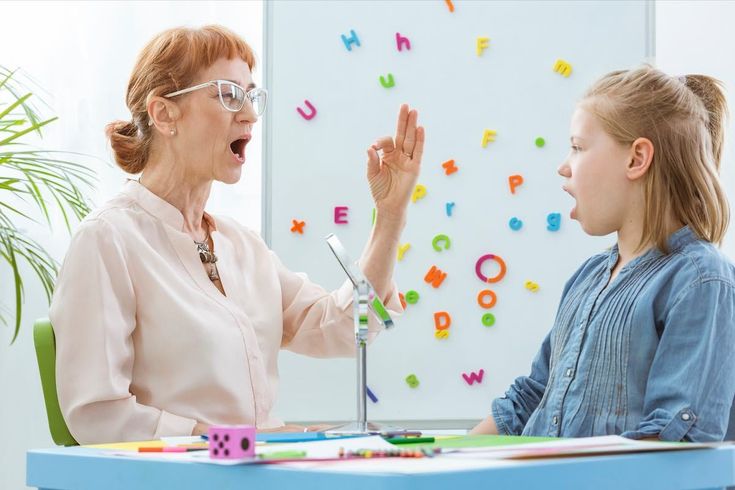
Speech and language development is a key part of early childhood growth that shapes how children communicate, express emotions, and interact with the world around them. From the first cry at birth to forming complete sentences in early childhood, communication skills evolve gradually through different stages.

Understanding Speech and Language Development helps parents recognize how children acquire language, what milestones to expect, and how to support healthy communication skills at every stage. Early attention to speech and language development plays an important role in learning, social interaction, and emotional well-being.

What Is Speech and Language Development?

Speech refers to how words are produced using sounds, articulation, and voice. Language refers to understanding and using words, sentences, and gestures to communicate meaning.

Both skills develop together and include:

  • Listening and understanding (receptive language)
  • Speaking and expressing thoughts (expressive language)
  • Non-verbal communication (gestures and facial expressions)

Strong speech and language skills are essential for learning, reading, and social interaction.

Early Stages of Language Development (0–12 Months)

In the first year of life, babies begin to recognize sounds and respond to voices.

Key milestones include:

  • Responding to familiar voices
  • Cooing and babbling
  • Making different sounds to express needs
  • Recognizing their name
  • Showing interest in speech and facial expressions

During this stage, communication is mostly non-verbal but highly responsive.

Toddler Speech Development (1–3 Years)

Toddlers begin to use words and simple sentences to communicate.

Key milestones include:

  • Saying first meaningful words
  • Using 2–3 word sentences
  • Following simple instructions
  • Naming familiar objects and people
  • Expanding vocabulary rapidly

At this stage, children begin to connect words with meanings and actions.

Preschool Language Development (3–5 Years)

Preschool years show significant growth in communication skills.

Key milestones include:

  • Speaking in complete sentences
  • Asking questions frequently
  • Telling simple stories
  • Understanding basic grammar rules
  • Following multi-step instructions

Children become more confident in expressing thoughts and emotions.

School-Age Language Development (5+ Years)

As children enter school, language becomes more structured and complex.

Key milestones include:

  • Using correct grammar
  • Reading and writing development
  • Understanding abstract ideas
  • Engaging in conversations
  • Expanding vocabulary significantly

Language skills at this stage strongly influence academic success.

Factors That Influence Speech and Language Development

Several factors affect how children develop communication skills:

  • Genetics and family history
  • Hearing ability
  • Exposure to language
  • Environmental stimulation
  • Emotional support
  • Screen time exposure

A rich communication environment supports better language development.

Importance of Early Communication

Early speech and language skills are important because they:

  • Support learning and education
  • Improve social interaction
  • Build emotional expression
  • Enhance cognitive development
  • Reduce communication delays

Early intervention can greatly improve outcomes if delays are identified.

Signs of Speech or Language Delay

Some children may experience delays in communication development.

Possible signs include:

  • Not speaking words by expected age
  • Difficulty understanding simple instructions
  • Limited vocabulary for age
  • Poor sentence formation
  • Lack of social interaction through speech

If concerns arise, early professional evaluation is recommended.

How Parents Can Support Speech Development

Parents play a major role in developing a child’s communication skills.

Helpful strategies include:

  • Talking to the child regularly
  • Reading books together daily
  • Naming objects during daily activities
  • Encouraging questions and conversations
  • Singing songs and storytelling

Consistent interaction helps strengthen language learning.

The Role of Play in Language Development

Play is a powerful tool for learning communication skills.

Examples include:

  • Pretend play (role-playing)
  • Interactive games
  • Story-based activities
  • Group play with other children

Play encourages natural expression and vocabulary growth.

Impact of Screen Time on Language Skills

Excessive screen time can limit real-life communication opportunities.

Guidelines:

  • Limit passive screen exposure
  • Encourage interactive learning content
  • Prioritize face-to-face communication
  • Engage in shared activities instead of solo viewing

Real conversations are essential for language development.

Encouraging Multilingual Development

Children can learn multiple languages naturally when exposed early.

Benefits include:

  • Improved cognitive flexibility
  • Better communication skills
  • Enhanced memory and learning ability

Consistency in exposure is key for multilingual development.

When to Seek Professional Help

Parents should consider consulting a specialist if:

  • Speech is significantly delayed
  • Child has difficulty understanding language
  • Limited progress in communication skills
  • Concerns persist over time

Early assessment helps identify underlying causes and supports timely intervention.

Dr. Nikil Sudarsan is a highly experienced Pediatrician in Dubai, dedicated to providing comprehensive healthcare for infants, children, and adolescents. With expertise in Pediatric Neurology, Child Development, Autism, ADHD, Epilepsy, Genetics, and Developmental Disorders, he offers personalized, evidence-based care tailored to each child’s unique needs. Using the latest medical advancements and a family-centered approach, Dr. Nikil Sudarsan focuses on promoting healthy growth, early diagnosis, effective treatment, and long-term well-being, ensuring the best possible outcomes for every child. 

Building Healthy Habits in Childhood

Building Healthy Habits in Childhood

Childhood is the most important stage for shaping lifelong behaviors, attitudes, and lifestyle choices. The habits formed during these early years often continue into adulthood, influencing physical health, emotional well-being, and overall quality of life. From nutrition and sleep to hygiene and physical activity, healthy routines play a vital role in a child’s growth and development.

Building Healthy Habits in Childhood focuses on creating consistent, positive routines that support physical strength, mental development, emotional balance, and social skills. When children are guided early in life, they are more likely to adopt behaviors that promote long-term wellness.

Why Healthy Habits in Childhood Matter

Habits formed during childhood become the foundation of adult behavior. Early exposure to structured routines helps children understand discipline, responsibility, and self-care.

Healthy habits in childhood help:

  • Support physical growth and development
  • Strengthen immunity and overall health
  • Improve concentration and learning ability
  • Encourage emotional stability
  • Reduce risk of lifestyle-related diseases later in life

Parents play a key role in shaping these habits through daily guidance and example.

Healthy Eating Habits

Nutrition is one of the most important areas for building healthy habits in childhood.

Key practices include:

  • Eating balanced meals with all food groups
  • Including fruits and vegetables daily
  • Limiting sugary snacks and junk food
  • Drinking plenty of water
  • Eating meals at regular times

Encouraging children to try different healthy foods helps develop long-term positive eating patterns.

Importance of Regular Sleep

Adequate sleep is essential for a child’s physical and mental development.

Healthy sleep habits include:

  • Maintaining a consistent bedtime routine
  • Getting age-appropriate sleep hours
  • Avoiding screens before bedtime
  • Creating a calm sleep environment

Good sleep supports memory, focus, growth, and emotional regulation.

Physical Activity and Exercise

Regular physical activity is essential for healthy growth and development.

Healthy activity habits include:

  • Outdoor play and sports
  • Walking or cycling
  • Structured physical exercise
  • Limiting sedentary screen time

Physical activity strengthens muscles, improves coordination, and supports mental well-being.

Personal Hygiene Habits

Good hygiene protects children from infections and builds self-care discipline.

Important habits include:

  • Brushing teeth twice daily
  • Washing hands before meals and after play
  • Bathing regularly
  • Keeping nails clean and trimmed
  • Wearing clean clothes

Teaching hygiene early helps children develop responsibility for their own health.

Healthy Screen Time Habits

Technology is part of modern life, but screen time must be balanced.

Guidelines include:

  • Setting daily screen time limits
  • Encouraging educational content
  • Avoiding screens during meals
  • Promoting outdoor activities instead

Balanced screen use supports better focus and social development.

Emotional and Social Habits

Emotional well-being is just as important as physical health.

Healthy emotional habits include:

  • Expressing feelings in a positive way
  • Learning to share and cooperate
  • Practicing empathy and kindness
  • Developing patience and self-control

These habits help children build strong relationships and emotional resilience.

Importance of Routine and Structure

Children thrive in structured environments where daily routines are predictable.

Benefits of routine include:

  • Improved discipline
  • Reduced anxiety
  • Better time management
  • Stronger sense of security

Simple routines like fixed meal times, study hours, and bedtime create stability.

Role of Parents in Habit Formation

Parents are the strongest influence in shaping childhood habits.

Effective parenting strategies include:

  • Leading by example
  • Encouraging consistency
  • Using positive reinforcement
  • Avoiding punishment-based learning
  • Being patient during habit formation

Children learn more from what they see than what they are told.

Encouraging Independence

As children grow, they should be encouraged to take responsibility for their own habits.

Examples include:

  • Packing school bags
  • Choosing healthy snacks
  • Managing personal hygiene routines
  • Completing small household tasks

This builds confidence and independence.

Overcoming Resistance to Healthy Habits

Children may resist new habits at first. Consistency and patience are essential.

Helpful strategies:

  • Making routines fun and engaging
  • Offering choices instead of commands
  • Using rewards and encouragement
  • Gradually introducing changes

Positive reinforcement is more effective than strict control.

Long-Term Benefits of Healthy Childhood Habits

Children who develop healthy habits early are more likely to:

  • Maintain a healthy weight
  • Perform better academically
  • Have stronger immunity
  • Develop better emotional control
  • Avoid harmful lifestyle behaviors

These benefits extend well into adulthood.

Dr. Nikil Sudarsan is a highly experienced Pediatrician in Dubai, dedicated to providing comprehensive healthcare for infants, children, and adolescents. With expertise in Pediatric Neurology, Child Development, Autism, ADHD, Epilepsy, Genetics, and Developmental Disorders, he offers personalized, evidence-based care tailored to each child’s unique needs. Using the latest medical advancements and a family-centered approach, Dr. Nikil Sudarsan focuses on promoting healthy growth, early diagnosis, effective treatment, and long-term well-being, ensuring the best possible outcomes for every child. 

Developmental Milestones Every Parent Should Know

Developmental Milestones Every Parent Should Know

Child development is a fascinating and important journey that begins at birth and continues through early childhood and beyond. Every child grows at their own pace, but there are certain developmental milestones that help parents understand whether their child is progressing in a healthy and typical way. These milestones include physical, cognitive, language, emotional, and social skills that emerge at different stages of growth.

Developmental Milestones Every Parent Should Know helps parents recognize key stages of development, identify early signs of delay, and support their child’s learning and growth in a meaningful way. Understanding these milestones allows parents to provide the right environment for healthy development.

What Are Developmental Milestones?

Developmental milestones are specific skills or behaviors that most children can perform by a certain age range. These milestones serve as guidelines for tracking growth and development.

They are generally grouped into five main areas:

  • Physical (motor skills)
  • Cognitive (thinking and learning)
  • Language and communication
  • Social skills
  • Emotional development

Each child may reach these milestones at slightly different times.

Physical Development Milestones

Physical development refers to a child’s ability to control their body movements and coordination.

Infants (0–12 months)

  • Lifting head and rolling over
  • Sitting without support
  • Crawling and standing with support
  • First steps toward walking

Toddlers (1–3 years)

  • Walking independently
  • Running and climbing
  • Holding objects and feeding themselves
  • Improved hand-eye coordination

Preschool Age (3–5 years)

  • Jumping and hopping
  • Drawing simple shapes
  • Using utensils properly
  • Improved balance and coordination

Physical development helps children explore their environment safely and confidently.

Cognitive Development Milestones

Cognitive development refers to thinking, problem-solving, and understanding the world.

Infants

  • Recognizing familiar faces
  • Responding to sounds
  • Exploring objects with hands and mouth

Toddlers

  • Understanding simple instructions
  • Identifying objects and people
  • Beginning pretend play

Preschoolers

  • Counting and recognizing numbers
  • Understanding cause and effect
  • Solving simple problems

Cognitive skills form the foundation for learning and education.

Language and Communication Milestones

Language development is essential for expressing needs, thoughts, and emotions.

Infants

  • Crying and making sounds
  • Responding to voices
  • Babbling

Toddlers

  • Saying simple words
  • Combining two-word phrases
  • Following basic instructions

Preschoolers

  • Speaking in full sentences
  • Asking questions
  • Telling simple stories

Strong language skills support social interaction and learning.

Social Development Milestones

Social development refers to how children interact with others.

Infants

  • Smiling at caregivers
  • Recognizing familiar people
  • Showing interest in faces

Toddlers

  • Playing alongside other children
  • Showing independence
  • Expressing preferences

Preschoolers

  • Sharing and taking turns
  • Playing cooperatively
  • Understanding rules in simple games

Social skills help children build relationships and friendships.

Emotional Development Milestones

Emotional development involves understanding and managing feelings.

Infants

  • Expressing emotions through crying or smiling
  • Showing attachment to caregivers

Toddlers

  • Showing frustration or tantrums
  • Beginning to express emotions verbally

Preschoolers

  • Understanding basic emotions
  • Showing empathy
  • Learning self-control

Emotional development is key for mental well-being and behavior regulation.

Milestones by Age Group Overview

0–12 Months

  • Rolling, sitting, crawling
  • Babbling and responding to sound
  • Recognizing familiar faces

1–3 Years

  • Walking and running
  • Speaking simple words
  • Beginning social play

3–5 Years

  • Improved coordination
  • Full sentences and storytelling
  • Cooperative play

Factors That Influence Child Development

Several factors can affect how and when children reach milestones:

  • Genetics
  • Nutrition
  • Environment
  • Parenting style
  • Access to healthcare
  • Emotional support

A supportive and nurturing environment encourages healthy development.

How Parents Can Support Development

Parents play a crucial role in helping children reach their milestones.

Helpful strategies include:

  • Talking and reading to the child regularly
  • Providing age-appropriate toys
  • Encouraging active play
  • Maintaining a healthy diet
  • Offering emotional support
  • Limiting screen time

Positive interaction strengthens learning and development.

When to Seek Professional Advice

While every child develops differently, certain signs may indicate developmental delays:

  • Not responding to sounds or names
  • Delayed speech development
  • Difficulty with movement or coordination
  • Lack of social interaction
  • Loss of previously acquired skills

Early evaluation can help address concerns effectively.

Importance of Early Childhood Development

Early childhood is a critical period for brain development. Experiences during these years shape learning abilities, behavior, and future success.

Benefits of early development support include:

  • Better academic performance
  • Improved social skills
  • Strong emotional resilience
  • Healthy cognitive growth

Early attention leads to better long-term outcomes.

Dr. Nikil Sudarsan is a highly experienced Pediatrician in Dubai, dedicated to providing comprehensive healthcare for infants, children, and adolescents. With expertise in Pediatric Neurology, Child Development, Autism, ADHD, Epilepsy, Genetics, and Developmental Disorders, he offers personalized, evidence-based care tailored to each child’s unique needs. Using the latest medical advancements and a family-centered approach, Dr. Nikil Sudarsan focuses on promoting healthy growth, early diagnosis, effective treatment, and long-term well-being, ensuring the best possible outcomes for every child. 

Child Safety Tips for Every Home

Explore practical child safety tips for every home to prevent accidents, create a secure environment, and ensure your child’s health, safety, and well-being.

A safe home environment is essential for a child’s healthy growth and development. Children are naturally curious, active, and unaware of potential dangers around them, which makes accidental injuries one of the most common risks in households. From kitchen hazards to electrical outlets and sharp objects, everyday items can become unsafe without proper precautions.

Child Safety Tips for Every Home focuses on creating a secure living space where children can explore, learn, and play without unnecessary risk. With a few simple adjustments and consistent supervision, parents and caregivers can significantly reduce the chances of accidents and ensure a safer home environment.

Why Child Safety at Home Matters

Most childhood accidents occur inside the home rather than outside. Falls, burns, poisoning, and choking are among the most common incidents involving young children. Since children spend a large amount of time at home, it becomes the first and most important place for safety awareness.

Ensuring child safety at home helps:

  • Prevent accidental injuries
  • Promote safe exploration
  • Reduce emergency situations
  • Build safer habits from an early age
  • Create peace of mind for parents

A proactive approach is always more effective than reacting to accidents after they happen.

Creating a Safe Living Environment

The first step in child safety is assessing the home environment from a child’s perspective. This means identifying potential hazards that may not be obvious to adults.

Key actions include:

  • Removing sharp or breakable objects from low surfaces
  • Securing heavy furniture to walls
  • Keeping floors clear of clutter
  • Installing safety gates near stairs
  • Using corner protectors on sharp furniture edges

A child-safe environment reduces everyday risks significantly.

Kitchen Safety for Children

The kitchen is one of the most dangerous areas for children due to heat, sharp objects, and chemicals.

Important safety measures:

  • Keep knives and sharp tools out of reach
  • Turn pot handles inward while cooking
  • Store cleaning chemicals in locked cabinets
  • Avoid leaving hot food or drinks unattended on counters
  • Use stove guards when possible

Children should never be left unsupervised in the kitchen, especially during cooking activities.

Electrical Safety Precautions

Electrical accidents can be serious and happen quickly if proper precautions are not taken.

Safety tips include:

  • Cover all unused electrical sockets
  • Keep electrical cords out of reach
  • Avoid overloading power outlets
  • Teach older children basic electrical safety rules
  • Keep appliances unplugged when not in use

Regular inspection of wires and devices also helps prevent hidden hazards.

Preventing Falls at Home

Falls are one of the most common causes of injury in young children.

To reduce risk:

  • Install safety gates on staircases
  • Use non-slip mats in bathrooms
  • Keep beds and furniture away from windows
  • Ensure proper lighting in all rooms
  • Avoid leaving toys on stairs or walkways

Supervision is especially important for toddlers who are learning to walk and climb.

Bathroom Safety Tips

Bathrooms contain multiple hazards including water, slippery floors, and cleaning products.

Safety measures:

  • Never leave young children alone in the bathroom
  • Use anti-slip mats in bathtubs and floors
  • Store medicines and toiletries in locked cabinets
  • Set safe water temperatures to prevent burns
  • Keep toilet lids closed

Drowning risks can occur even in small amounts of water, so constant supervision is essential.

Safe Storage of Medicines and Chemicals

Household medicines and cleaning agents can be extremely dangerous if accessed by children.

Precautions include:

  • Store all medicines in locked cabinets
  • Keep cleaning products in original containers
  • Never refer to medicine as “candy”
  • Dispose of expired medications safely
  • Keep emergency contact numbers accessible

Proper storage prevents accidental poisoning incidents.

Fire and Burn Prevention

Fire-related accidents can happen due to stoves, candles, or electrical faults.

Safety steps:

  • Keep matches and lighters out of reach
  • Do not leave candles unattended
  • Install smoke detectors in key areas
  • Teach children basic fire safety rules
  • Keep fire extinguishers accessible

Parents should also have a clear emergency exit plan.

Safe Sleeping Environment

Safe sleep practices are essential for infants and young children.

Guidelines include:

  • Use a firm mattress without loose bedding
  • Avoid pillows and heavy blankets for infants
  • Place babies on their back while sleeping
  • Keep cribs free from toys and soft objects
  • Ensure proper ventilation in the room

A safe sleep environment reduces health risks and improves comfort.

Supervision and Communication

No safety measure replaces proper supervision. Children require attention, especially in unfamiliar or potentially dangerous situations.

Best practices:

  • Always supervise young children during play
  • Teach simple safety rules early
  • Encourage children to ask before touching objects
  • Establish clear boundaries at home
  • Stay alert during high-risk activities

Communication helps children understand safety in a positive way.

Outdoor and Balcony Safety

If the home includes balconies, terraces, or outdoor spaces, additional precautions are needed.

Safety tips:

  • Install balcony railings with narrow gaps
  • Never leave children unattended on balconies
  • Secure windows with locks or grills
  • Keep outdoor areas free of hazardous objects
  • Supervise outdoor play at all times

Even a short moment of distraction can lead to accidents in elevated spaces.

Teaching Children About Safety

As children grow, they should be gradually taught about safety rules.

Important lessons include:

  • Not touching electrical sockets
  • Avoiding strangers and unsafe areas
  • Not playing with fire or sharp objects
  • Asking for help when needed
  • Following household safety rules

Education builds awareness and reduces dependency on constant supervision.

Emergency Preparedness at Home

Being prepared for emergencies is an essential part of child safety.

Parents should:

  • Keep emergency numbers visible
  • Have a basic first aid kit at home
  • Learn CPR and first aid basics
  • Create an emergency evacuation plan
  • Teach older children how to call for help

Preparedness helps reduce panic during unexpected situations.

Dr. Nikil Sudarsan is a highly experienced Pediatrician in Dubai, dedicated to providing comprehensive healthcare for infants, children, and adolescents. With expertise in Pediatric Neurology, Child Development, Autism, ADHD, Epilepsy, Genetics, and Developmental Disorders, he offers personalized, evidence-based care tailored to each child’s unique needs. Using the latest medical advancements and a family-centered approach, Dr. Nikil Sudarsan focuses on promoting healthy growth, early diagnosis, effective treatment, and long-term well-being, ensuring the best possible outcomes for every child. 
Understanding Why a 2 Part Autism Assessment Is Necessary

Understanding Why a 2 Part Autism Assessment Is Necessary

Recognizing the signs of autism is an important step toward ensuring individuals receive the support they need to thrive. However, diagnosing autism is not always straightforward. Every individual experiences autism differently, and symptoms can vary significantly depending on age, communication abilities, and developmental history. This is why a 2 part autism assessment is necessary. Rather than relying on a single appointment or screening tool, a two-stage assessment provides a comprehensive understanding of an individual’s strengths, challenges, and developmental profile.

A thorough autism assessment reduces the risk of misdiagnosis and helps healthcare professionals create accurate recommendations for education, therapy, and long-term support. Whether the assessment is for a young child, teenager, or adult, a structured two-part process offers a more reliable path to diagnosis.

Why a 2 Part Autism Assessment Is Necessary

The Purpose of a Two-Part Autism Assessment

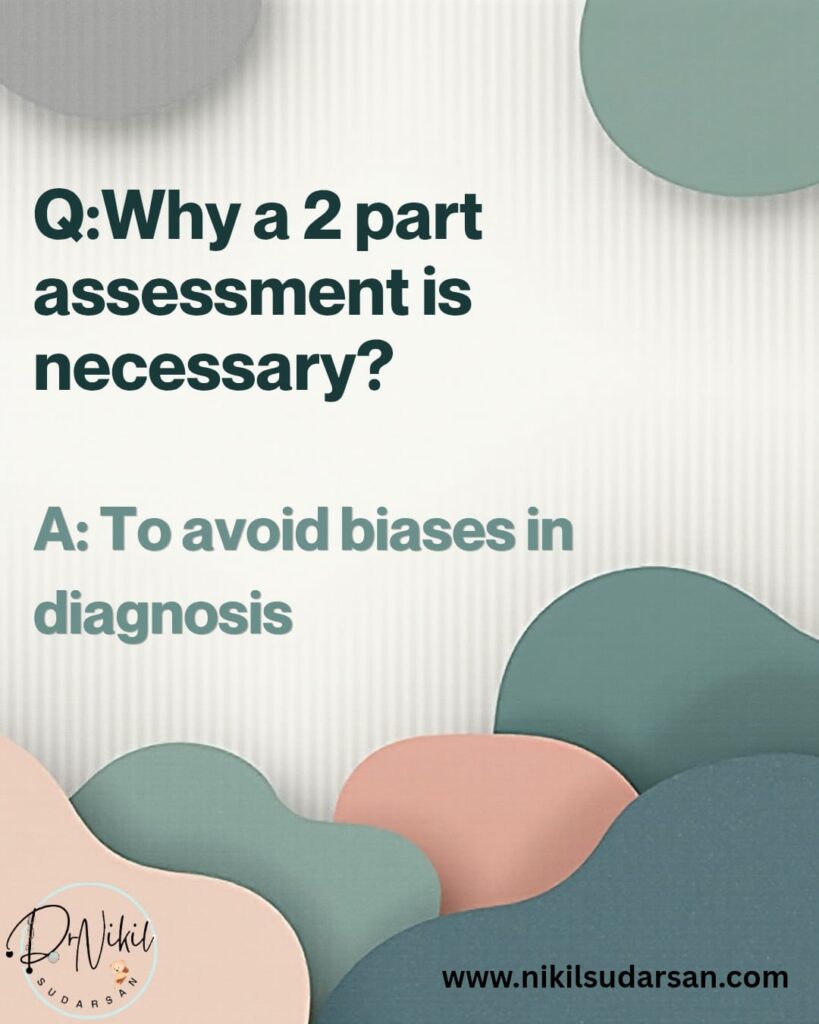
Understanding why a 2 part autism assessment is necessary begins with recognizing that autism spectrum disorder (ASD) affects communication, social interaction, behavior, and sensory processing in unique ways. No single test can accurately diagnose autism.

A two-part assessment combines multiple evaluation methods, allowing specialists to gather information from different sources before making a clinical diagnosis. This comprehensive approach ensures that important developmental details are not overlooked.

The first stage typically focuses on collecting background information and identifying developmental concerns, while the second stage involves detailed clinical observations and standardized diagnostic assessments.

The First Part: Developmental History and Initial Evaluation

The first phase of the assessment is designed to understand the individual’s developmental journey. Healthcare professionals collect valuable information through interviews, questionnaires, and discussions with parents, caregivers, or the individual themselves.

During this stage, clinicians often explore:

  • Early childhood development
  • Speech and language milestones
  • Social interaction patterns
  • Behavioral concerns
  • Learning abilities
  • Family medical history
  • Sensory sensitivities
  • Emotional development

This information provides important context that cannot be observed during a single clinical appointment.

Parents often remember behaviors from infancy or toddlerhood that help clinicians identify developmental patterns associated with autism. For older children and adults, educational history, workplace experiences, and social relationships may also be discussed.

This detailed background helps specialists determine whether further diagnostic testing is appropriate.

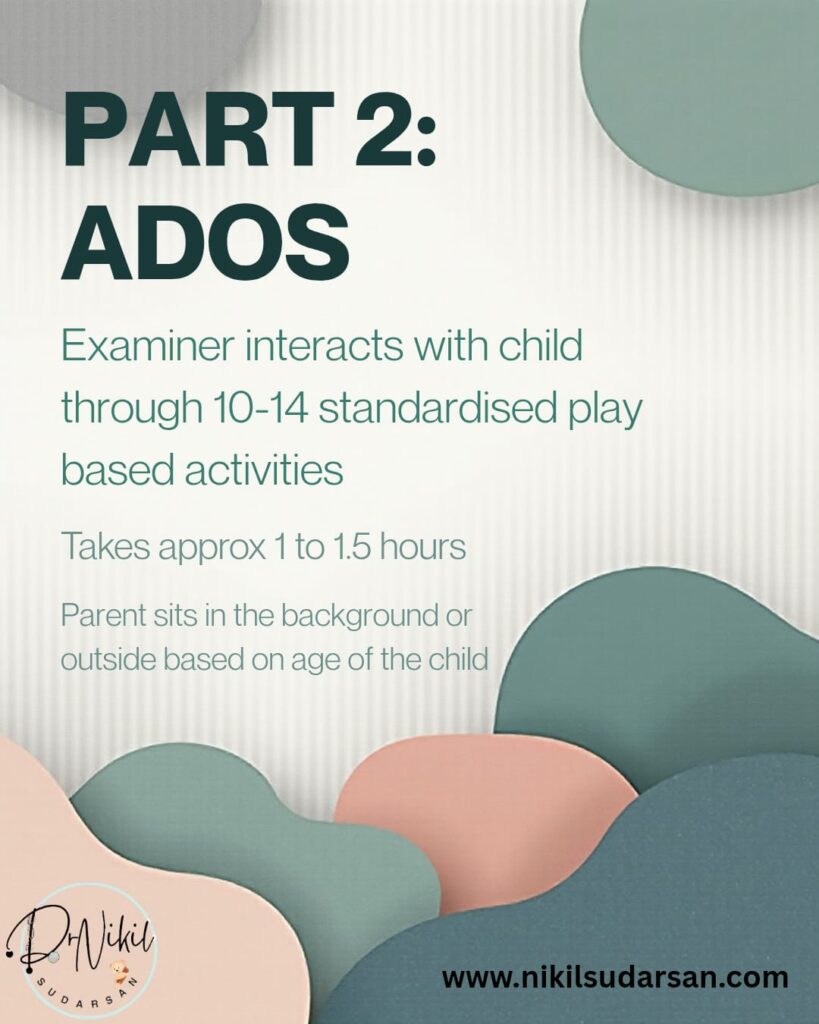
The Second Part: Comprehensive Diagnostic Assessment

The second phase focuses on direct observation and standardized testing. This is one of the main reasons why a 2 part autism assessment is necessary.

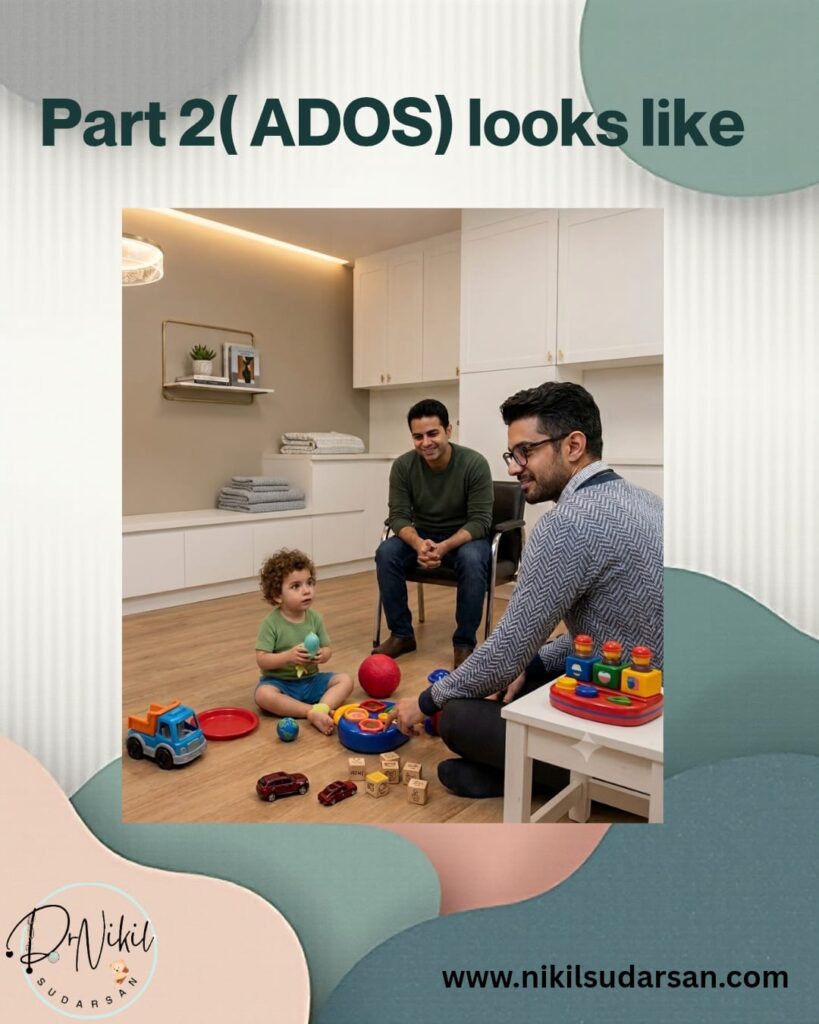
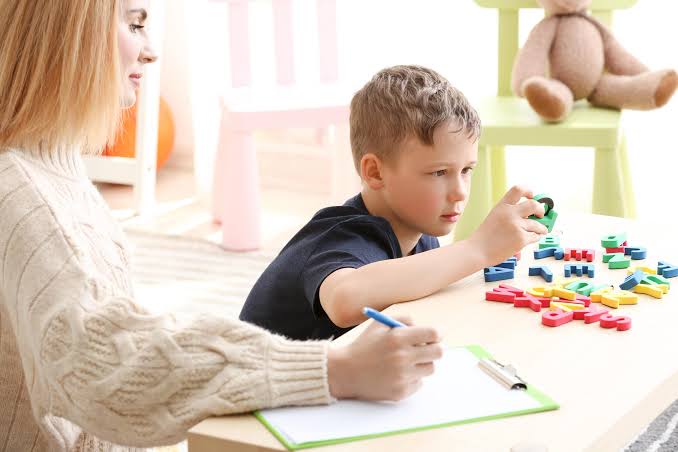
During this stage, trained clinicians carefully observe communication skills, social interaction, play behaviors, emotional responses, and repetitive behaviors.

Depending on age and individual needs, assessments may include structured activities, conversations, problem-solving tasks, or standardized diagnostic tools specifically designed to evaluate autism spectrum disorder.

Professionals assess areas such as:

  • Verbal and non-verbal communication
  • Eye contact
  • Social reciprocity
  • Emotional understanding
  • Imaginative play
  • Restricted interests
  • Repetitive behaviors
  • Sensory responses
  • Adaptive functioning

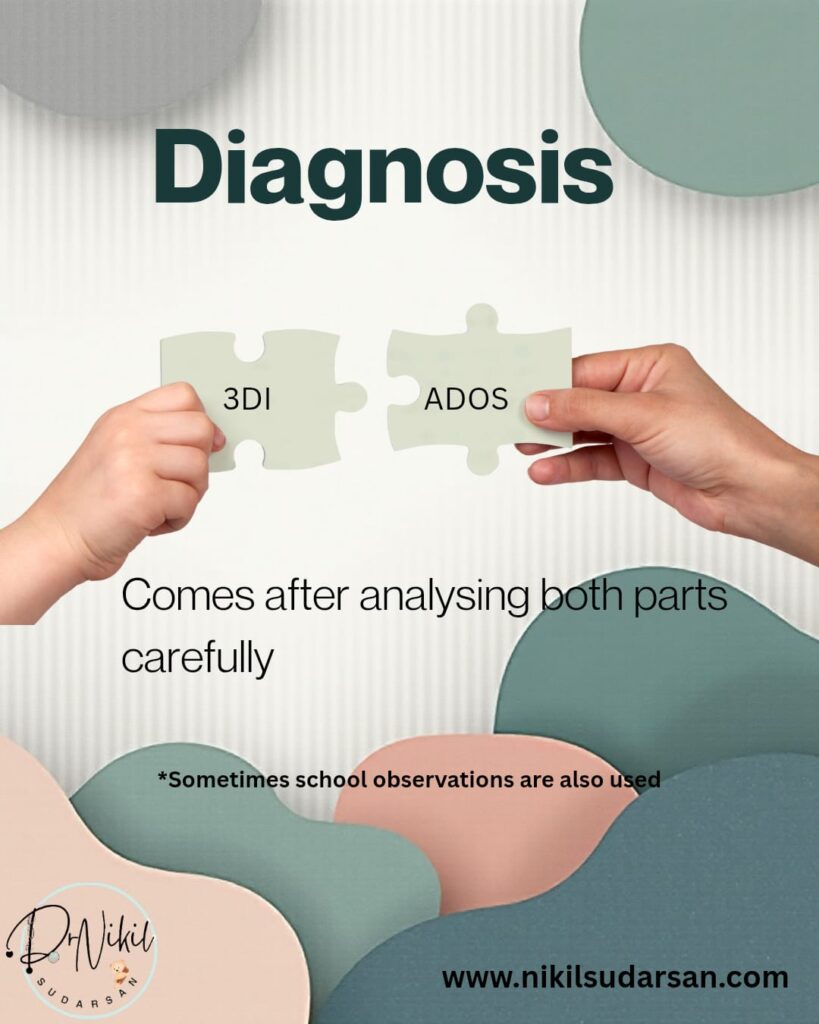
Rather than relying on one observation, clinicians combine findings from both assessment stages before making diagnostic decisions.

Improving Diagnostic Accuracy

One of the strongest reasons why a 2 part autism assessment is necessary is improved diagnostic accuracy.

Many developmental, psychological, and neurological conditions can share characteristics similar to autism. These may include:

  • Language disorders
  • Attention difficulties
  • Anxiety disorders
  • Learning disabilities
  • Intellectual disabilities
  • Social communication disorders
  • Sensory processing differences

Without a comprehensive evaluation, these conditions may be confused with autism or may exist alongside autism.

A structured two-part assessment helps clinicians distinguish between these conditions while identifying co-occurring challenges that may require additional support.

Looking Beyond Surface Behaviors

Autism presents differently from one person to another.

Some individuals have obvious communication challenges from an early age, while others develop language typically but experience difficulties with social relationships later in life.

Girls and women, in particular, may mask autistic characteristics, making diagnosis more challenging.

This variation highlights why a 2 part autism assessment is necessary. A single appointment may not reveal subtle behaviors or coping strategies that individuals use in unfamiliar settings.

By combining developmental history with clinical observation, specialists gain a much more complete understanding of the individual’s experiences.

Supporting Children at the Right Time

Early identification allows children to receive support during critical stages of development.

When autism is accurately diagnosed, families can access interventions that help improve communication, emotional regulation, learning, and daily living skills.

A two-stage assessment reduces uncertainty and ensures that intervention plans are based on a complete understanding of the child’s strengths and needs.

Early support does not aim to change who a child is. Instead, it focuses on helping them build skills, confidence, independence, and meaningful participation in everyday life.

Why a 2 Part Autism Assessment Is Necessary

Why Adults Also Benefit from a Two-Part Assessment

Autism assessments are not limited to children.

Many adults seek evaluation after years of wondering why social situations, communication, or sensory experiences have always felt different.

Some individuals were never assessed during childhood because awareness of autism was more limited, especially for those with subtle presentations.

Adults often benefit greatly from a two-part assessment because it explores lifelong developmental patterns alongside current experiences.

A confirmed diagnosis can help individuals better understand themselves while opening access to workplace accommodations, educational support, mental health services, and community resources.

Why a 2 Part Autism Assessment Is Necessary

Considering the Whole Person

Another reason why a 2 part autism assessment is necessary is that it evaluates more than autism symptoms alone.

Clinicians also consider:

  • Cognitive strengths
  • Learning style
  • Emotional wellbeing
  • Mental health
  • Daily functioning
  • Communication preferences
  • Sensory processing
  • Social relationships

This broader understanding allows recommendations to be personalized rather than based solely on diagnostic criteria.

Every individual has unique abilities as well as challenges, and a comprehensive assessment helps identify both.

Helping Families Make Informed Decisions

Receiving an autism diagnosis can raise many questions for families.

A detailed two-part assessment provides clear explanations of findings, helping parents and caregivers understand the reasons behind the diagnosis.

Instead of receiving a simple diagnostic label, families gain insight into communication styles, behavioral patterns, learning needs, and practical strategies for everyday life.

This knowledge supports informed decisions about education, therapy, and long-term planning.

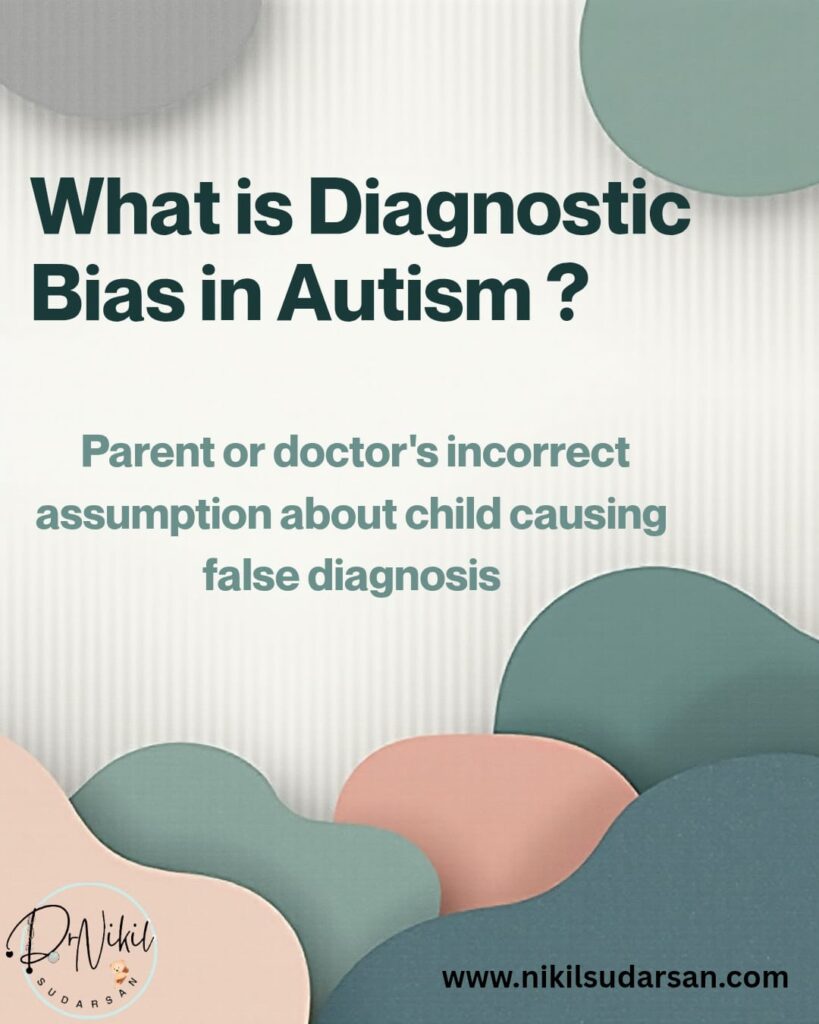
Reducing the Risk of Misdiagnosis

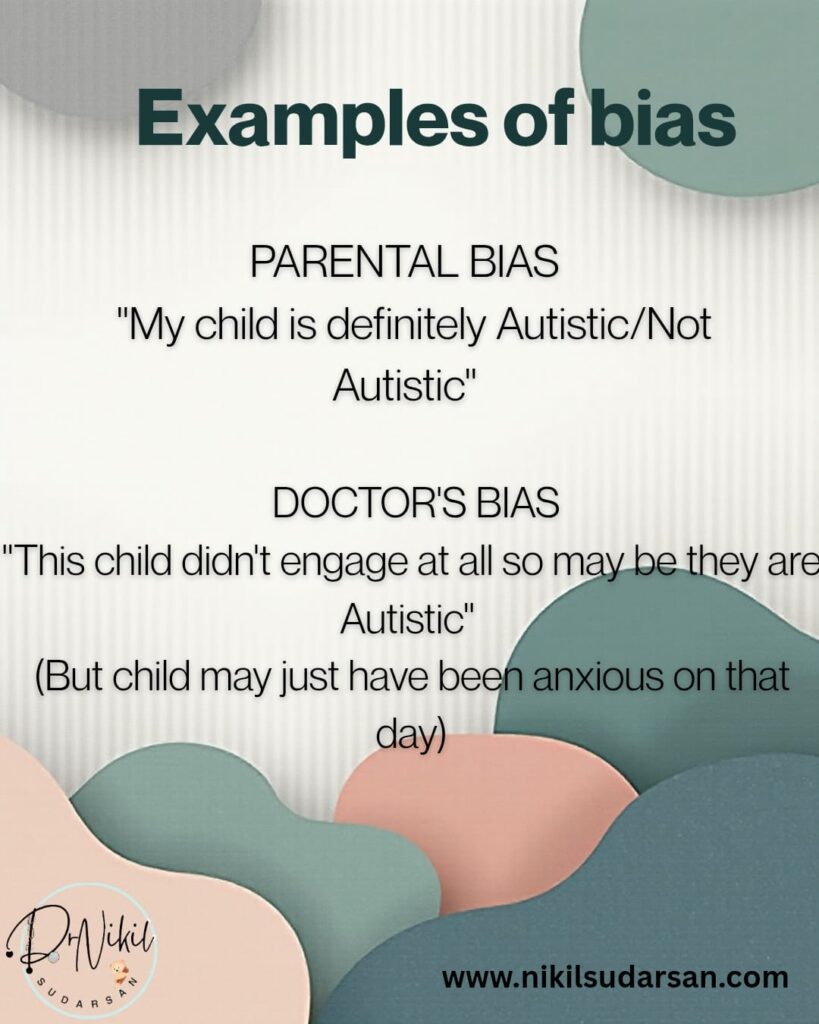
Misdiagnosis can delay appropriate support and lead to unnecessary stress.

Some individuals may receive diagnoses for anxiety, behavioral disorders, or learning difficulties when autism is actually contributing to their challenges.

Others may be incorrectly diagnosed with autism when another developmental condition better explains their symptoms.

This is another important reason why a 2 part autism assessment is necessary. Multiple sources of information create a more balanced and evidence-based diagnostic process.

Building a Personalized Support Plan

The goal of an autism assessment extends beyond diagnosis.

The information gathered during both assessment stages helps create individualized recommendations that reflect each person’s unique profile.

Support plans may include:

  • Speech and language therapy
  • Occupational therapy
  • Educational accommodations
  • Social skills development
  • Behavioral support
  • Sensory strategies
  • Family education
  • Psychological support

These recommendations are more effective because they are based on comprehensive evaluation rather than limited observations.

Dr. Nikil Sudarsan is a highly experienced Pediatrician in Dubai, dedicated to providing comprehensive healthcare for infants, children, and adolescents. With expertise in Pediatric Neurology, Child Development, Autism, ADHD, Epilepsy, Genetics, and Developmental Disorders, he offers personalized, evidence-based care tailored to each child’s unique needs. Using the latest medical advancements and a family-centered approach, Dr. Nikil Sudarsan focuses on promoting healthy growth, early diagnosis, effective treatment, and long-term well-being, ensuring the best possible outcomes for every child.