
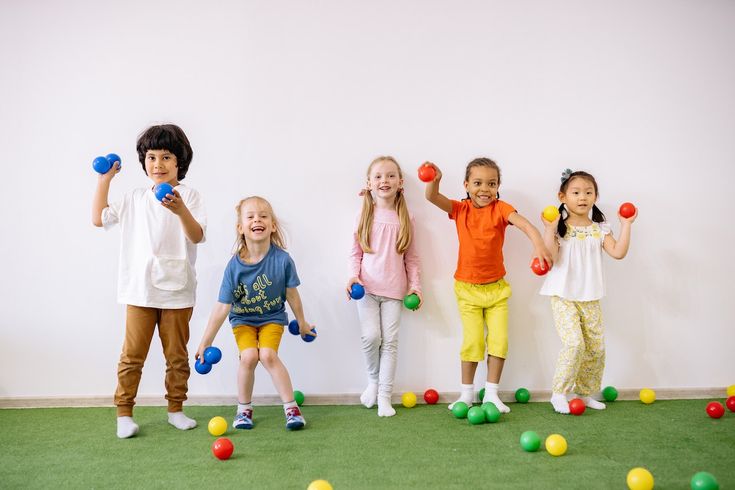
Physical activity is an important part of healthy childhood development. Regular movement helps children build strong muscles and bones, maintain a healthy weight, develop coordination, and support emotional wellbeing. Encouraging children to stay active from an early age can also help them develop habits that continue into adolescence and adulthood.
Encouraging Physical Activity in Kids does not have to involve structured sports or demanding exercise routines. Children can stay active through play, outdoor activities, family activities, dancing, cycling, swimming, and age-appropriate sports. The key is to make movement enjoyable and suitable for the child’s age, abilities, and interests.
Supporting Healthy Physical Development
Children’s bodies change rapidly as they grow. Regular physical activity supports the development of muscles, bones, balance, coordination, and motor skills.
Activities such as running, jumping, climbing, throwing, and catching allow children to practice different movement skills. Younger children can benefit from simple active play, while older children may enjoy organized sports or recreational activities.
Regular movement also provides opportunities for children to develop strength and physical confidence.
Making Activity Enjoyable
Children are more likely to remain active when physical activity feels like play rather than a responsibility. Parents can introduce activities based on their child’s interests.
Some children may enjoy football, swimming, cycling, or dancing, while others may prefer walking, playground activities, or imaginative outdoor games. Giving children several choices can help them discover activities they genuinely enjoy.
The goal is not necessarily to make every activity competitive. Enjoyment and consistency are more important for developing positive habits.
Encouraging Outdoor Play
Outdoor play gives children opportunities to move, explore, and interact with their surroundings. Visiting parks, playgrounds, gardens, or safe outdoor spaces can encourage natural movement.
Simple activities such as walking, running games, playing catch, or exploring nature can provide valuable physical activity. Outdoor play can also give children a break from sitting and screen-based activities.
Families can make outdoor time part of their regular routine by scheduling walks, park visits, or active family games.
Limiting Sedentary Time
Children may spend significant amounts of time sitting while watching television, using smartphones, playing video games, or using computers. While technology can have educational and recreational benefits, excessive sedentary time can reduce opportunities for physical movement.
Parents can create a balanced daily routine that includes active play, schoolwork, screen time, rest, and sleep. Encouraging children to take movement breaks during long periods of sitting can also help increase activity throughout the day.
Small changes, such as walking short distances instead of always using a vehicle or choosing active games instead of passive entertainment, can add more movement to everyday routines.
Being a Positive Role Model
Children often learn habits by observing their parents and caregivers. When adults regularly participate in physical activity, children may become more interested in moving themselves.
Families can exercise together through walking, cycling, dancing, swimming, or playing outdoor games. These activities can provide physical benefits while also creating opportunities for family interaction.
Physical activity becomes easier to maintain when it is treated as a normal part of family life rather than something that only children are expected to do.
Choosing Age-Appropriate Activities
The right physical activity depends on a child’s age, development, interests, and physical abilities. Younger children generally benefit from active play that develops basic movement skills. Older children can participate in activities that involve greater coordination, endurance, and strength.
Parents should introduce new activities gradually and ensure children have appropriate supervision and safety equipment when necessary.
Children with specific health or developmental concerns may need individualized advice about suitable activities. A pediatrician can provide guidance based on the child’s individual needs.
Supporting Physical Activity at School
Schools can also play an important role in helping children stay active. Physical education classes, sports programs, playground time, and active breaks can provide opportunities for movement during the school day.
Parents can encourage children to participate in suitable school activities and discuss the benefits of regular movement. Walking or cycling to school may also provide physical activity when the route and environment are safe and appropriate.
Encouraging Social Activities
Physical activity can also support social development. Team sports and group games allow children to interact with peers, communicate, cooperate, and learn how to follow rules.
Children who do not enjoy competitive sports can still participate in group activities such as dancing, swimming lessons, martial arts, hiking, or recreational games.
Finding a social activity that matches a child’s personality can make regular movement more enjoyable.
Creating Consistent Daily Habits
Consistency is important when developing healthy activity habits. Parents can establish regular times for outdoor play, family walks, sports, or other forms of movement.
Children do not need every day to follow exactly the same routine. Flexibility is useful, particularly during school holidays, busy family schedules, or poor weather. The overall goal is to provide regular opportunities for movement.
Positive encouragement can also help children stay motivated. Praising effort and participation rather than focusing only on performance can help build confidence.
Dr. Nikil Sudarsan is a highly experienced Pediatrician in Dubai, dedicated to providing comprehensive healthcare for infants, children, and adolescents. With expertise in Pediatric Neurology, Child Development, Autism, ADHD, Epilepsy, Genetics, and Developmental Disorders, he offers personalized, evidence-based care tailored to each child’s unique needs. Using the latest medical advancements and a family-centered approach, Dr. Nikil Sudarsan focuses on promoting healthy growth, early diagnosis, effective treatment, and long-term well-being, ensuring the best possible outcomes for every child.