
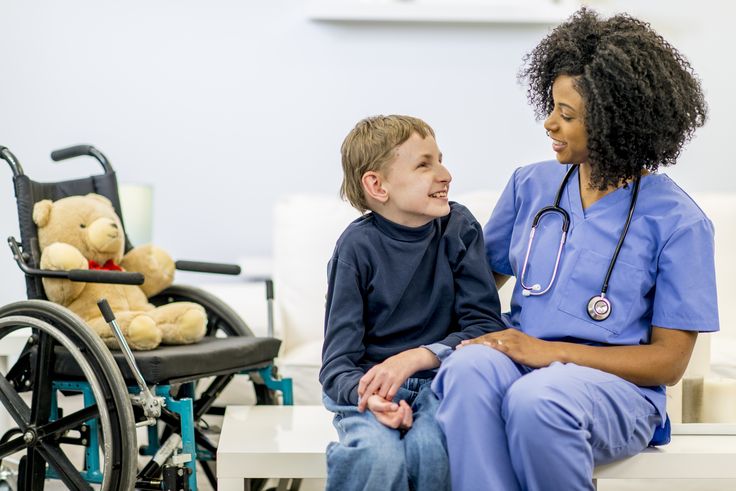
Pediatric developmental screening importance lies in identifying how a child is progressing across important areas of growth and development. Children develop at different rates, but regular developmental screening can help parents and healthcare professionals understand whether a child is reaching expected milestones. Early identification of developmental concerns can support timely evaluation, guidance, and intervention when needed.
Developmental screening looks at several areas, including communication, movement, learning, behavior, social interaction, and emotional development. It is not designed to label a child or predict their future. Instead, it provides useful information about a child’s current development and helps determine whether additional assessment may be beneficial.
Understanding Developmental Milestones
Developmental milestones are skills that many children achieve within a particular age range. These may include smiling, sitting, walking, speaking words, following instructions, interacting with others, and developing problem-solving abilities.
Milestones provide general guidance rather than strict deadlines. Some children may reach certain skills earlier or later than their peers. However, significant delays, loss of previously acquired skills, or difficulties across several developmental areas may require further evaluation.
Regular screening helps track these changes over time and provides an opportunity to discuss concerns with a pediatric healthcare professional.
Identifying Developmental Concerns Early
One of the major reasons for pediatric developmental screening is early identification. Some developmental differences may not be obvious during everyday activities, particularly when parents are unsure what behaviors are expected at a particular age.
Screening can help identify possible concerns involving speech and language, motor skills, social interaction, attention, learning, or behavior. Recognizing these concerns earlier can allow families to seek appropriate support instead of waiting for difficulties to become more noticeable.
Early attention can be especially helpful because young children are continually developing new skills and may benefit from targeted support during important stages of growth.
Monitoring Speech and Language Development
Communication is an important part of childhood development. Children gradually learn to understand language, express their needs, use words, form sentences, and participate in conversations.
Developmental screening can help identify possible speech and language concerns. For example, a child may have difficulty understanding simple instructions, communicating needs, using age-appropriate words, or interacting verbally with others.
When concerns are identified, a healthcare professional may recommend additional assessment or support, such as a speech and language evaluation. Early guidance can help families understand how to encourage communication skills at home.
Assessing Motor Development
Motor development includes both large and small movements. Gross motor skills involve activities such as sitting, standing, walking, running, and jumping. Fine motor skills include using fingers and hands for activities such as holding objects, drawing, feeding, or manipulating toys.
Screening can help determine whether a child is developing these skills appropriately for their age. Difficulties with coordination, balance, movement, or hand use may sometimes require further assessment.
Parents can support motor development through age-appropriate play, outdoor activities, drawing, building blocks, puzzles, and other activities that encourage movement and coordination.
Supporting Social and Emotional Development
Children also develop important social and emotional skills as they grow. These include forming relationships, responding to others, expressing emotions, following simple social rules, sharing, and gradually developing independence.
Developmental screening can provide insight into how a child interacts with parents, siblings, caregivers, and other children. Differences in social communication, emotional responses, or behavior may sometimes indicate a need for closer monitoring.
Understanding these areas can help parents create supportive routines and provide children with opportunities to practice social and emotional skills.
Tracking Cognitive and Learning Skills
Cognitive development involves thinking, remembering, learning, paying attention, understanding concepts, and solving problems. Children develop these abilities through everyday experiences, play, communication, and exploration.
Developmental screening can help assess whether a child is progressing in areas such as attention, memory, understanding, and problem-solving. If concerns arise, further evaluation can help identify the type of support a child may benefit from.
Parents can encourage cognitive development through reading, storytelling, puzzles, pretend play, counting games, and conversations about everyday experiences.
The Role of Parents in Developmental Screening
Parents play an important role because they observe their children in everyday situations. They may notice changes in behavior, communication, learning, movement, or social interaction that are not immediately visible during a short healthcare visit.
Parents should share their observations and concerns during pediatric appointments. Information about a child’s routines, behavior, communication, interactions, and progress can provide valuable context for developmental assessment.
Keeping track of milestones and discussing any concerns early can make developmental monitoring more effective.
Benefits of Regular Developmental Monitoring
Developmental screening is not only useful when a problem is suspected. Regular monitoring allows healthcare professionals to follow a child’s progress over time and identify changes that may need attention.
The benefits may include earlier recognition of developmental differences, better understanding of a child’s strengths and needs, appropriate referrals, parental guidance, and timely access to supportive services.
Screening can also provide reassurance when a child is progressing as expected and help parents understand what skills may develop next.
Creating a Supportive Environment at Home
A child’s development is influenced by everyday experiences. Parents can support healthy development by providing opportunities for play, reading, conversation, physical activity, social interaction, and exploration.
Consistent sleep routines, balanced nutrition, positive relationships, and reasonable screen-time habits can also contribute to overall development. Children benefit from environments where they feel safe, supported, encouraged, and comfortable trying new activities.
Dr. Nikil Sudarsan is a highly experienced Pediatrician in Dubai, dedicated to providing comprehensive healthcare for infants, children, and adolescents. With expertise in Pediatric Neurology, Child Development, Autism, ADHD, Epilepsy, Genetics, and Developmental Disorders, he offers personalized, evidence-based care tailored to each child’s unique needs. Using the latest medical advancements and a family-centered approach, Dr. Nikil Sudarsan focuses on promoting healthy growth, early diagnosis, effective treatment, and long-term well-being, ensuring the best possible outcomes for every child.