
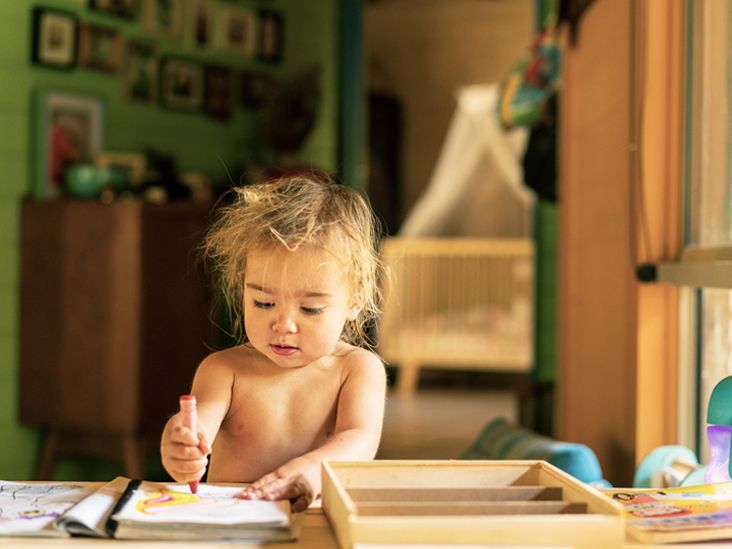
Cognitive Development in Early Childhood refers to how young children develop the ability to think, learn, remember, communicate, understand information, solve problems, and make sense of the world around them. The early years are an important period for brain development, and everyday experiences can influence how children build new skills and understand their environment.
Children develop at different rates, so there can be natural differences in how quickly they reach certain milestones. Parents, caregivers, and pediatricians can support healthy cognitive development by providing stimulating experiences, encouraging communication, maintaining healthy routines, and monitoring developmental progress.
Building Thinking and Learning Skills
Young children learn through observation, exploration, play, and interaction. Everyday experiences give them opportunities to understand cause and effect, recognize patterns, remember information, and solve simple problems.
Activities such as puzzles, building blocks, sorting games, drawing, and pretend play can encourage children to think creatively and experiment with different solutions. Parents can support this process by allowing children to explore safely rather than immediately providing answers.
These simple experiences can help develop curiosity and independent thinking.
Language and Cognitive Development
Language is closely connected with cognitive development. Children use communication to understand their surroundings, express ideas, ask questions, and interact with others.
Parents can encourage language development by talking with children throughout the day, reading books together, singing songs, and describing everyday activities. Asking children to explain what they see or remember can also encourage them to organize their thoughts.
Regular conversations provide opportunities for children to learn new words and develop stronger understanding.
The Importance of Play
Play is one of the most natural ways children learn. Through play, children can practice memory, problem-solving, communication, imagination, and decision-making skills.
Pretend play allows children to create stories and explore different roles. Building activities can encourage planning and spatial awareness, while board games and simple matching activities can support memory and attention.
Children do not always need structured educational activities. Unstructured play can also provide valuable opportunities for exploration and creativity.
Supporting Memory and Attention
Memory and attention develop gradually during early childhood. Parents can support these abilities through simple activities that require children to remember information or focus on a task.
Reading the same story and asking children to recall events, playing matching games, or asking them to follow simple instructions can provide opportunities to practice memory and attention.
A calm environment and predictable routines can also help young children focus and understand expectations.
Encouraging Problem-Solving
Problem-solving skills begin developing through everyday experiences. Children may encounter simple challenges while playing, building, drawing, or completing activities.
Parents can encourage children to think through problems by asking questions such as what they could try next or how they might solve a challenge. Giving children time to experiment can help them develop confidence in their own abilities.
Making mistakes is also a normal part of learning. Children can benefit when adults treat mistakes as opportunities to try a different approach.
The Role of Nutrition and Sleep
Healthy brain development is supported by overall physical health. A balanced diet provides nutrients that children need for growth and development, while adequate sleep supports learning, memory, attention, and emotional regulation.
Parents can establish consistent sleep routines and provide a variety of nutritious foods appropriate for the child’s age and needs.
Regular physical activity is also beneficial because movement supports overall health and gives children opportunities to develop coordination and explore their environment.
Social Interaction and Learning
Children learn important cognitive and communication skills through interactions with parents, siblings, caregivers, and other children. Conversations, shared activities, and group play provide opportunities to practice listening, understanding emotions, taking turns, and responding to others.
Positive social experiences can also support confidence and communication. Children learn by observing how adults communicate, solve problems, and respond to different situations.
A supportive environment can encourage children to ask questions and explore new experiences.
Managing Screen Time
Digital devices can provide educational and entertainment opportunities, but young children also need time for physical activity, face-to-face interaction, creative play, and sleep.
Parents can create balanced routines that include age-appropriate screen use alongside reading, outdoor play, family activities, and hands-on learning.
When children use digital content, parents can improve the learning experience by participating, discussing what they see, and connecting digital activities with real-world experiences.
Monitoring Developmental Milestones
Children develop cognitive skills at different rates, but developmental milestones provide useful guidance. Pediatricians may monitor areas such as language, memory, attention, learning, problem-solving, social interaction, and behavior during routine checkups.
Parents should share any concerns about a child’s development with their pediatrician. Early discussion can help determine whether additional monitoring, assessment, or professional support may be appropriate.
Developmental support can be particularly valuable when concerns are identified early.
Creating a Supportive Learning Environment
A positive home environment can encourage children to explore and learn. Parents can provide books, age-appropriate toys, creative materials, and opportunities for outdoor exploration without creating unnecessary academic pressure.
Children benefit from encouragement and positive feedback. Recognizing effort can help build confidence and motivate children to continue trying new activities.
Regular family conversations, shared reading, and interactive play can become simple but effective parts of everyday learning.
Dr. Nikil Sudarsan is a highly experienced Pediatrician in Dubai, dedicated to providing comprehensive healthcare for infants, children, and adolescents. With expertise in Pediatric Neurology, Child Development, Autism, ADHD, Epilepsy, Genetics, and Developmental Disorders, he offers personalized, evidence-based care tailored to each child’s unique needs. Using the latest medical advancements and a family-centered approach, Dr. Nikil Sudarsan focuses on promoting healthy growth, early diagnosis, effective treatment, and long-term well-being, ensuring the best possible outcomes for every child.