
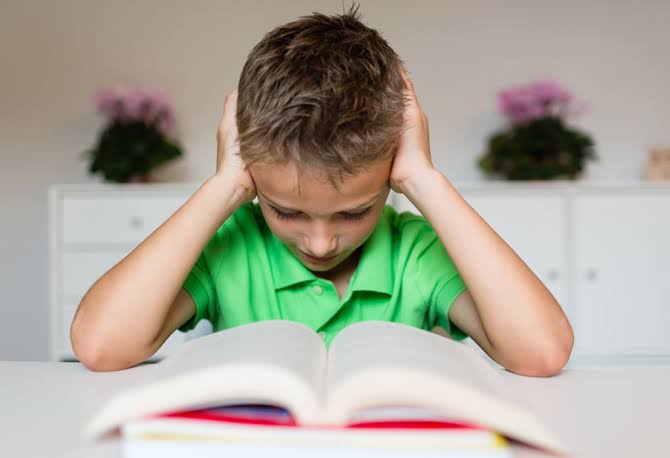
Understanding Learning Difficulties in Children

Understanding Learning Difficulties in Children

Every child learns at their own pace, developing skills and knowledge through unique experiences. While some children quickly grasp new concepts, others may need additional time or support in specific areas. Learning difficulties are not a reflection of intelligence or motivation but rather differences in how the brain processes and understands information. Recognizing these challenges early allows children to receive the guidance they need to reach their full potential.

Understanding Learning Difficulties in Children helps parents, caregivers, and educators identify early signs, provide appropriate support, and create positive learning environments. With patience, encouragement, and individualized strategies, children with learning difficulties can develop confidence and achieve academic and personal success.

What Are Learning Difficulties?

Learning difficulties refer to challenges in acquiring, processing, or using information that can affect academic performance. These difficulties may impact one or more areas of learning while a child’s overall intelligence remains within the typical range.

Learning difficulties can affect:

  • Reading
  • Writing
  • Spelling
  • Mathematics
  • Language skills
  • Memory
  • Attention
  • Organization

Every child experiences these challenges differently, making individualized support essential.

Common Signs of Learning Difficulties

The signs of learning difficulties vary depending on the child’s age and the specific area of concern. Some children may struggle with only one subject, while others may experience challenges across multiple areas.

Common signs include:

  • Difficulty recognizing letters or words
  • Trouble reading fluently
  • Frequent spelling mistakes
  • Difficulty understanding instructions
  • Challenges with basic math concepts
  • Poor concentration
  • Trouble remembering information
  • Difficulty organizing schoolwork

Recognizing these signs early can lead to timely support and improved learning outcomes.

Possible Causes of Learning Difficulties

Learning difficulties can develop for various reasons, and in many cases, there is no single identifiable cause. They often result from differences in brain development and information processing.

Possible contributing factors include:

  • Genetic influences
  • Differences in brain development
  • Premature birth
  • Early developmental delays
  • Hearing or vision problems
  • Neurological conditions

Understanding the underlying factors helps guide appropriate evaluation and support.

Different Types of Learning Difficulties

Learning difficulties can affect different academic skills. Some children may experience challenges in one area, while others may have difficulties in several areas.

Common learning challenges include:

Reading Difficulties

Some children have trouble recognizing words, understanding written text, or reading accurately and fluently.

Writing Difficulties

Writing challenges may include poor handwriting, difficulty organizing ideas, spelling problems, or trouble expressing thoughts in written form.

Mathematics Difficulties

Children may struggle with numbers, calculations, problem-solving, or understanding mathematical concepts.

Language Processing Difficulties

Some children find it difficult to understand spoken language, follow instructions, or express themselves clearly.

The Importance of Early Identification

Early recognition of learning difficulties allows children to receive appropriate interventions before academic challenges become more significant.

Early identification can help:

  • Improve learning outcomes
  • Build confidence
  • Reduce frustration
  • Support emotional well-being
  • Encourage positive school experiences

The earlier support begins, the greater the opportunity for progress.

How Learning Difficulties Affect Daily Life

Learning difficulties can influence more than academic performance. Children may also experience emotional, social, and behavioral challenges if they struggle to keep up with peers.

Possible effects include:

  • Reduced self-confidence
  • Anxiety about school
  • Difficulty completing homework
  • Avoidance of learning activities
  • Frustration during classroom tasks

Supportive environments can help children overcome these challenges.

Supporting Children at Home

Parents play an essential role in helping children develop learning skills and confidence. A positive home environment encourages growth and resilience.

Helpful strategies include:

  • Establishing consistent study routines
  • Breaking tasks into smaller steps
  • Offering encouragement
  • Celebrating progress
  • Reading together regularly

Patience and consistency help children build confidence in their abilities.

Supporting Learning at School

Teachers and schools play an important role in identifying and supporting learning difficulties. Collaboration between parents and educators helps ensure children receive consistent guidance.

School support may include:

  • Individualized learning strategies
  • Additional classroom assistance
  • Modified teaching methods
  • Regular progress monitoring
  • Clear communication with families

Working together creates a supportive educational experience.

Building Confidence in Children

Children with learning difficulties often benefit from positive reinforcement and encouragement. Focusing on strengths rather than weaknesses helps develop self-esteem.

Parents and educators can:

  • Praise effort instead of perfection
  • Encourage problem-solving
  • Recognize achievements
  • Support hobbies and interests
  • Help children set realistic goals

Confidence plays an important role in successful learning.

Creating Effective Learning Habits

Good study habits can make learning more manageable and enjoyable.

Helpful habits include:

  • Maintaining a regular homework schedule
  • Studying in a quiet environment
  • Taking short breaks
  • Using visual learning tools
  • Practicing new skills consistently

Small improvements over time can lead to meaningful progress.

The Role of Healthy Lifestyle Habits

A child’s overall health can influence concentration, memory, and learning ability.

Healthy habits include:

  • Getting enough sleep
  • Eating balanced meals
  • Staying physically active
  • Limiting excessive screen time
  • Managing stress effectively

A healthy lifestyle supports both physical and cognitive development.

Encouraging Social and Emotional Well-Being

Children with learning difficulties may sometimes feel isolated or discouraged. Emotional support is essential for helping them build resilience.

Parents can support emotional well-being by:

  • Listening without judgment
  • Encouraging friendships
  • Teaching coping strategies
  • Promoting positive self-talk
  • Creating opportunities for success

Strong emotional support helps children face challenges with confidence.

When to Seek Professional Guidance

If learning challenges continue despite additional support or significantly affect school performance and daily activities, it may be beneficial to seek professional guidance.

An evaluation can help identify:

  • Specific learning challenges
  • Strengths and areas for improvement
  • Appropriate educational strategies
  • Individualized support plans

Early assessment can provide valuable direction for both families and educators.

Long-Term Outlook for Children With Learning Difficulties

With the right support, children with learning difficulties can make meaningful progress and achieve success in school and beyond. Every child has unique strengths, and recognizing those strengths is an important part of building confidence and motivation.

Ongoing encouragement, individualized teaching methods, and strong family involvement help children develop the skills they need to become independent learners.

Dr. Nikil Sudarsan is a highly experienced Pediatrician in Dubai, dedicated to providing comprehensive healthcare for infants, children, and adolescents. With expertise in Pediatric Neurology, Child Development, Autism, ADHD, Epilepsy, Genetics, and Developmental Disorders, he offers personalized, evidence-based care tailored to each child’s unique needs. Using the latest medical advancements and a family-centered approach, Dr. Nikil Sudarsan focuses on promoting healthy growth, early diagnosis, effective treatment, and long-term well-being, ensuring the best possible outcomes for every child. 

Childhood Obesity: Risk Factors, Causes, and Prevention

Childhood Obesity: Causes and Prevention

Childhood obesity is a growing health concern that can affect a child’s physical health, emotional well-being, and overall quality of life. It occurs when a child gains excess body weight compared to what is considered healthy for their age, height, and stage of development. Addressing childhood obesity early helps children build healthier habits and reduces the risk of future health challenges.

Understanding Childhood Obesity: Causes and Prevention helps parents recognize contributing factors, encourage healthy lifestyle choices, and support children in maintaining balanced growth. Prevention focuses on nutrition, physical activity, emotional support, and creating a positive home environment.

What Is Childhood Obesity?

Childhood obesity refers to excessive weight gain caused by an imbalance between energy intake and energy use. When children regularly consume more calories than their bodies need and do not engage in enough physical activity, excess weight may develop over time.

Childhood weight management involves considering:

  • Growth patterns
  • Eating habits
  • Activity levels
  • Family lifestyle
  • Overall health

Every child develops differently, so healthy growth should be evaluated based on individual needs.

Common Causes of Childhood Obesity

Childhood obesity usually results from a combination of lifestyle, environmental, and biological factors rather than a single cause.

Common contributing factors include:

  • Unbalanced diet
  • Low physical activity
  • Excessive screen time
  • Poor sleep habits
  • Family lifestyle patterns
  • Emotional factors
  • Genetic influences

Understanding these causes helps families take practical steps toward prevention.

The Role of Nutrition in Childhood Obesity

Diet plays an important role in a child’s growth and weight management. Regular consumption of nutrient-rich foods supports healthy development, while excessive intake of processed and high-sugar foods can contribute to unhealthy weight gain.

A balanced diet should include:

  • Fruits and vegetables
  • Whole grains
  • Lean proteins
  • Dairy products or suitable alternatives
  • Healthy fats
  • Adequate water intake

Teaching children healthy eating habits early can influence their choices as they grow.

Impact of Sugary Foods and Drinks

Foods and beverages high in added sugars can contribute significantly to excess calorie intake. Frequent consumption of sugary items may increase the risk of unhealthy weight gain.

Common sources of added sugar include:

  • Soft drinks
  • Sweetened juices
  • Candies
  • Packaged snacks
  • Desserts
  • Sugary cereals

Encouraging healthier alternatives helps children develop better eating habits.

Importance of Physical Activity

Regular physical activity is essential for children’s physical development and overall health. Active children are more likely to maintain healthy body weight and develop strong muscles and bones.

Physical activity supports:

  • Healthy weight management
  • Better coordination
  • Improved fitness
  • Stronger bones
  • Positive mood

Children should be encouraged to participate in activities they enjoy, such as sports, outdoor play, cycling, or swimming.

The Effect of Screen Time on Childhood Obesity

Increased screen time can contribute to childhood obesity by reducing opportunities for physical activity and encouraging sedentary habits.

Excessive screen use may be linked to:

  • Less active play
  • Increased snacking
  • Irregular sleep patterns
  • Reduced movement

Creating balanced screen habits helps children maintain a healthier lifestyle.

The Importance of Healthy Sleep Habits

Sleep plays an important role in childhood growth, energy levels, and weight regulation. Poor sleep patterns may affect appetite, mood, and daily activity levels.

Healthy sleep habits include:

  • Maintaining regular bedtime routines
  • Creating a comfortable sleep environment
  • Limiting screen use before bedtime
  • Ensuring adequate sleep duration

Good sleep supports overall child development.

Emotional Factors and Childhood Weight

Children’s emotions can influence eating habits and activity levels. Stress, boredom, or emotional challenges may sometimes lead to unhealthy eating behaviors.

Parents can support emotional health by:

  • Encouraging open communication
  • Providing emotional support
  • Avoiding using food as a reward
  • Helping children manage stress

A positive emotional environment supports healthier choices.

Family Influence on Healthy Habits

Children often learn behaviors by observing their families. Parents and caregivers play an important role in creating a healthy lifestyle environment.

Families can support healthy habits by:

  • Eating balanced meals together
  • Being physically active as a family
  • Keeping healthy foods available
  • Encouraging positive attitudes toward food

Small changes at home can have a lasting impact.

Preventing Childhood Obesity Through Healthy Eating Habits

Prevention begins with creating balanced eating routines that provide children with the nutrients they need.

Helpful habits include:

  • Eating regular meals
  • Including vegetables and fruits daily
  • Choosing healthy snacks
  • Limiting processed foods
  • Encouraging mindful eating

Healthy habits should be introduced gradually and positively.

Encouraging Positive Relationships With Food

It is important for children to develop a healthy relationship with food. Food should be viewed as a source of nourishment and enjoyment rather than something associated with guilt or restriction.

Parents can encourage healthy attitudes by:

  • Offering a variety of foods
  • Avoiding negative comments about body size
  • Teaching portion awareness
  • Encouraging listening to hunger signals

Positive approaches support emotional and physical health.

Role of Regular Health Monitoring

Regular health check-ups help monitor children’s growth and development. Healthcare professionals can provide guidance based on individual needs.

Monitoring may include:

  • Tracking growth patterns
  • Discussing nutrition
  • Reviewing activity levels
  • Identifying potential concerns early

Early awareness allows families to make supportive changes.

Supporting Children Without Pressure

Helping children maintain a healthy weight should focus on wellness rather than appearance. Positive encouragement is more effective than criticism.

Supportive approaches include:

  • Celebrating healthy choices
  • Encouraging activities they enjoy
  • Building confidence
  • Focusing on strength and energy

A positive environment helps children develop lasting habits.

Long-Term Benefits of Prevention

Preventing childhood obesity supports better health during childhood and adulthood. Healthy habits developed early can reduce future health risks and improve quality of life.

Benefits include:

  • Better physical fitness
  • Improved confidence
  • Healthy growth patterns
  • Reduced risk of weight-related health concerns
  • Stronger lifestyle habits

Early prevention creates a foundation for lifelong wellness.

Dr. Nikil Sudarsan is a highly experienced Pediatrician in Dubai, dedicated to providing comprehensive healthcare for infants, children, and adolescents. With expertise in Pediatric Neurology, Child Development, Autism, ADHD, Epilepsy, Genetics, and Developmental Disorders, he offers personalized, evidence-based care tailored to each child’s unique needs. Using the latest medical advancements and a family-centered approach, Dr. Nikil Sudarsan focuses on promoting healthy growth, early diagnosis, effective treatment, and long-term well-being, ensuring the best possible outcomes for every child. 

Understanding Childhood Anxiety

Understanding Childhood Anxiety

Children experience many emotions as they grow, including happiness, excitement, frustration, and fear. Occasional worries are a normal part of childhood development, but when fear or worry becomes frequent, intense, or affects daily activities, it may be a sign of childhood anxiety.

Understanding Childhood Anxiety helps parents recognize emotional changes, provide appropriate support, and create a safe environment where children can learn healthy ways to manage their feelings. Early awareness and support can help children develop confidence, resilience, and better emotional skills.

What Is Childhood Anxiety?

Childhood anxiety refers to excessive worry, fear, or nervousness that goes beyond typical childhood concerns. It can affect how children think, feel, behave, and respond to everyday situations.

Children with anxiety may experience concerns related to:

  • School activities
  • Social situations
  • Separation from parents
  • New experiences
  • Health or safety worries
  • Everyday challenges

Anxiety can appear differently in each child, making awareness important.

Why Do Children Experience Anxiety?

Many factors can contribute to anxiety during childhood. Emotional development, personal experiences, and environmental factors can all influence how children respond to stress.

Possible factors include:

  • Major life changes
  • Family transitions
  • Academic pressure
  • Social difficulties
  • Personality traits
  • Fear of unfamiliar situations
  • Stressful experiences

Understanding these influences helps parents provide better emotional support.

Common Signs of Childhood Anxiety

Children may not always express anxiety through words. Instead, they may show changes in behavior, emotions, or physical responses.

Common signs may include:

  • Excessive worrying
  • Difficulty separating from parents
  • Avoiding certain activities
  • Increased irritability
  • Trouble concentrating
  • Changes in sleep patterns
  • Frequent reassurance seeking

Recognizing these signs early allows parents to respond with understanding.

Physical Signs of Anxiety in Children

Anxiety can affect the body as well as emotions. Some children may experience physical symptoms when they feel worried or overwhelmed.

Physical signs may include:

  • Stomach discomfort
  • Headaches
  • Increased tiredness
  • Changes in appetite
  • Restlessness
  • Muscle tension

These symptoms can sometimes be difficult for children to explain, so parents should pay attention to patterns.

Different Types of Childhood Anxiety

Childhood anxiety can appear in different forms depending on the child’s concerns and experiences.

Common types include:

Separation Anxiety

Some children experience intense worry when separated from parents or caregivers. This can affect school attendance, social activities, or daily routines.

Social Anxiety

Social anxiety involves fear or discomfort in social situations, such as meeting new people, speaking in groups, or participating in activities.

Generalized Anxiety

Some children may worry about many areas of life, including school, family, health, or future events.

Specific Fears

Some children develop strong fears related to specific situations, objects, or experiences.

Understanding the type of anxiety can help determine the most appropriate support approach.

How Parents Can Support a Child With Anxiety

Parents play an important role in helping children understand and manage anxiety. A supportive response can help children feel safe and confident.

Helpful strategies include:

  • Listening calmly
  • Acknowledging feelings
  • Offering reassurance
  • Encouraging communication
  • Teaching coping skills
  • Supporting gradual confidence-building

Children benefit from knowing that their feelings are understood.

Encourage Open Communication

Creating opportunities for honest conversations helps children express worries before they become overwhelming.

Parents can encourage communication by:

  • Asking about feelings regularly
  • Listening without judgment
  • Avoiding dismissing concerns
  • Helping children describe emotions
  • Showing patience

A trusting relationship makes it easier for children to share their experiences.

Teaching Healthy Coping Strategies

Children can learn skills that help them manage anxious feelings. These techniques provide tools for handling stressful situations.

Helpful coping methods include:

  • Deep breathing exercises
  • Relaxation activities
  • Positive thinking
  • Creative activities
  • Physical movement
  • Talking about emotions

Learning coping skills helps children feel more in control.

Maintaining Healthy Daily Routines

Predictable routines can provide children with a sense of security. Regular habits help reduce uncertainty and create emotional stability.

Healthy routines include:

  • Consistent sleep schedules
  • Balanced meals
  • Regular physical activity
  • Time for play and relaxation
  • Organized daily activities

A stable routine supports emotional well-being.

Helping Children Build Confidence

Confidence can help children face challenges more effectively. Parents can encourage confidence by supporting independence and celebrating effort.

Ways to build confidence include:

  • Encouraging problem-solving
  • Praising progress
  • Allowing age-appropriate responsibilities
  • Supporting new experiences
  • Recognizing strengths

Confidence grows when children learn they can handle difficulties.

The Importance of Avoiding Excessive Reassurance

While reassurance can comfort children, repeatedly providing reassurance may sometimes strengthen anxiety. Instead, parents can help children develop confidence in managing situations.

Supportive approaches include:

  • Encouraging coping skills
  • Helping children face manageable challenges
  • Focusing on solutions
  • Building independence

The goal is to help children feel capable.

How Schools Can Support Children With Anxiety

Schools play an important role in children’s emotional development. Teachers and caregivers can help create supportive learning environments.

School support may include:

  • Encouraging positive friendships
  • Providing a safe classroom environment
  • Recognizing emotional challenges
  • Supporting learning needs

A collaborative approach benefits children.

When to Seek Additional Support

Some anxiety is a normal part of childhood, but additional guidance may be helpful when anxiety significantly affects daily life.

Parents may consider seeking support if a child experiences:

  • Persistent fear or worry
  • Difficulty attending school
  • Avoidance of normal activities
  • Ongoing sleep problems
  • Significant changes in behavior

Early support can help children develop effective emotional skills.

Supporting Long-Term Emotional Health

Helping children manage anxiety contributes to long-term emotional development. Learning how to understand feelings, solve problems, and handle challenges builds resilience.

Long-term support includes:

  • Encouraging emotional awareness
  • Maintaining positive relationships
  • Teaching coping strategies
  • Providing consistent guidance

These skills help children navigate future challenges.

Dr. Nikil Sudarsan is a highly experienced Pediatrician in Dubai, dedicated to providing comprehensive healthcare for infants, children, and adolescents. With expertise in Pediatric Neurology, Child Development, Autism, ADHD, Epilepsy, Genetics, and Developmental Disorders, he offers personalized, evidence-based care tailored to each child’s unique needs. Using the latest medical advancements and a family-centered approach, Dr. Nikil Sudarsan focuses on promoting healthy growth, early diagnosis, effective treatment, and long-term well-being, ensuring the best possible outcomes for every child. 
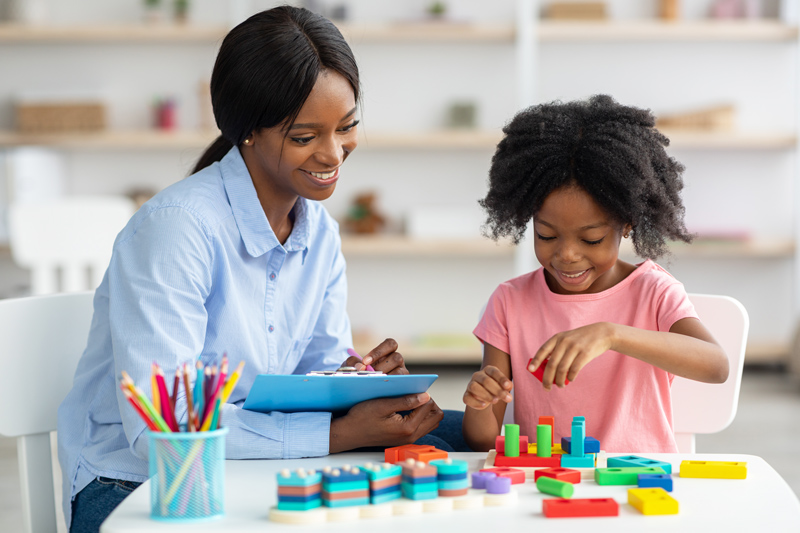
Understanding Childhood Behavioral Changes

Understanding Childhood Behavioral Changes

Children go through many physical, emotional, and social changes as they grow. Changes in behavior are a natural part of childhood development, but sudden or ongoing differences in mood, actions, or responses may sometimes indicate that a child needs additional support.

Understanding Childhood Behavioral Changes helps parents recognize normal developmental patterns, identify possible concerns, and provide the right guidance. Every child develops differently, and behavior can be influenced by emotions, environment, experiences, health, and daily routines.

Why Do Childhood Behavioral Changes Occur?

Behavior is one of the main ways children communicate their thoughts and feelings. Since young children may not always have the words to express emotions, changes in behavior can reflect what they are experiencing internally.

Common reasons for behavioral changes include:

  • Developmental growth
  • Changes in family or school environments
  • Emotional experiences
  • Stress or anxiety
  • Social challenges
  • Changes in routine
  • Physical health concerns

Understanding the reason behind a behavior change helps parents respond with patience and support.

Normal Behavioral Changes During Childhood Development

Many behaviors are part of normal childhood growth. As children develop new skills and become more independent, their emotions and reactions may change.

Common developmental changes include:

  • Wanting more independence
  • Testing boundaries
  • Developing personal preferences
  • Expressing stronger emotions
  • Seeking more social interaction

These changes are often part of learning and growing.

Common Types of Childhood Behavioral Changes

Behavioral changes can appear in different ways depending on a child’s age, personality, and circumstances.

Some common changes include:

  • Increased irritability
  • Mood swings
  • Changes in social behavior
  • Difficulty following instructions
  • Changes in sleeping habits
  • Reduced interest in activities
  • Increased emotional reactions

Recognizing these patterns can help parents understand their child’s needs.

Emotional Changes in Children

Children experience a wide range of emotions as they learn to understand themselves and the world around them. Emotional changes are often connected to developmental stages and life experiences.

Children may show:

  • Increased sensitivity
  • Frustration
  • Fear or worry
  • Difficulty managing emotions
  • Strong reactions to situations

Teaching children how to identify and express emotions helps them develop better emotional skills.

Behavioral Changes Related to Stress

Children can experience stress from many sources, including school responsibilities, friendships, family changes, or new environments.

Stress may appear through:

  • Changes in mood
  • Trouble concentrating
  • Withdrawal
  • Increased anger
  • Changes in eating or sleeping patterns

Providing emotional support and open communication can help children manage stressful situations.

The Role of Family Environment

A child’s surroundings can significantly influence behavior. A stable and supportive environment helps children feel secure and confident.

Positive family support includes:

  • Consistent routines
  • Open communication
  • Emotional encouragement
  • Clear expectations
  • Quality family time

A nurturing environment helps children develop healthy emotional responses.

How School and Social Experiences Affect Behavior

School and friendships are important parts of childhood development. New experiences in these areas can influence emotions and behavior.

Children may experience changes due to:

  • Academic pressure
  • Friendship difficulties
  • Social adjustments
  • New responsibilities
  • Changes in learning environments

Understanding these influences helps parents provide appropriate support.

Importance of Open Communication

Communication helps parents understand what children are experiencing. Creating a comfortable space for conversation encourages children to share their thoughts and feelings.

Parents can improve communication by:

  • Listening carefully
  • Asking supportive questions
  • Avoiding immediate criticism
  • Acknowledging feelings
  • Encouraging honesty

Children are more likely to express concerns when they feel heard.

Positive Ways Parents Can Respond

How parents respond to behavioral changes can influence how children learn to manage emotions and challenges.

Helpful approaches include:

  • Staying calm
  • Showing empathy
  • Setting clear boundaries
  • Encouraging positive behavior
  • Spending quality time together

Supportive responses help children feel understood and guided.

The Importance of Consistent Routines

Children often feel more secure when they have predictable daily routines. Consistency helps them understand expectations and manage emotions.

Healthy routines may include:

  • Regular sleep schedules
  • Balanced meal times
  • Study periods
  • Playtime
  • Family activities

Structure provides children with a sense of stability.

Encouraging Healthy Emotional Expression

Children need safe ways to express feelings. Teaching emotional skills helps them handle challenges more effectively.

Parents can encourage:

  • Talking about emotions
  • Creative activities
  • Physical play
  • Relaxation techniques
  • Problem-solving discussions

Healthy expression supports emotional development.

When Behavioral Changes May Need Attention

Some behavioral changes are temporary, while others may require closer attention. Parents should consider seeking guidance if changes are persistent, severe, or interfere with daily life.

Signs that may need additional support include:

  • Long-lasting sadness or worry
  • Extreme mood changes
  • Significant changes in sleep or eating
  • Difficulty managing daily activities
  • Problems with relationships or learning

Early support can help children receive appropriate guidance.

Supporting Children Through Transitions

Changes such as moving, starting school, welcoming a new family member, or changes in routine can affect children’s behavior.

Parents can help by:

  • Preparing children for changes
  • Explaining situations clearly
  • Offering reassurance
  • Maintaining familiar routines
  • Encouraging questions

Support during transitions helps children adapt more easily.

The Role of Healthy Lifestyle Habits

Physical and emotional health are closely connected. Healthy habits can positively influence mood, behavior, and overall development.

Important habits include:

  • Adequate sleep
  • Nutritious meals
  • Regular physical activity
  • Limited excessive screen time
  • Time for relaxation

A balanced lifestyle supports emotional stability.

Building Strong Parent-Child Relationships

A strong relationship between parents and children creates a foundation of trust and emotional security.

Parents can strengthen connections by:

  • Spending meaningful time together
  • Showing affection
  • Celebrating achievements
  • Listening without judgment
  • Providing encouragement

Strong relationships help children feel supported during challenges.

Dr. Nikil Sudarsan is a highly experienced Pediatrician in Dubai, dedicated to providing comprehensive healthcare for infants, children, and adolescents. With expertise in Pediatric Neurology, Child Development, Autism, ADHD, Epilepsy, Genetics, and Developmental Disorders, he offers personalized, evidence-based care tailored to each child’s unique needs. Using the latest medical advancements and a family-centered approach, Dr. Nikil Sudarsan focuses on promoting healthy growth, early diagnosis, effective treatment, and long-term well-being, ensuring the best possible outcomes for every child. 

Supporting Your Child’s Emotional Well-Being

Supporting Your Child's Emotional Well-Being

A child’s emotional well-being plays an important role in their overall development, relationships, learning abilities, and confidence. Children experience many emotions as they grow, and having proper support helps them understand feelings, manage challenges, and develop healthy coping skills.

Understanding Supporting Your Child’s Emotional Well-Being helps parents and caregivers create a safe and positive environment where children feel valued, heard, and encouraged. Emotional support during childhood builds a strong foundation for confidence, resilience, and healthy relationships throughout life.

Why Emotional Well-Being Is Important for Children

Emotional well-being affects how children think, behave, communicate, and respond to different situations. Children who receive emotional support are often better prepared to handle challenges and express their feelings in healthy ways.

Healthy emotional development helps children:

  • Build confidence
  • Develop social skills
  • Manage emotions
  • Improve problem-solving abilities
  • Create positive relationships

Supporting emotional health is just as important as supporting physical health.

Create a Safe and Supportive Environment

Children need to feel safe and accepted at home. A supportive environment allows them to express emotions without fear of judgment.

Parents can create emotional safety by:

  • Listening attentively
  • Showing affection
  • Offering reassurance
  • Encouraging open conversations
  • Responding calmly to concerns

When children feel secure, they are more likely to share their thoughts and feelings.

Encourage Open Communication

Communication is one of the most important parts of emotional support. Children may not always know how to explain their feelings, so parents can help by creating opportunities for conversation.

Helpful communication strategies include:

  • Asking open-ended questions
  • Listening without interrupting
  • Validating feelings
  • Encouraging children to express concerns
  • Avoiding dismissing emotions

Simple conversations can help children feel understood and supported.

Teach Children to Recognize Their Emotions

Children experience many emotions, including happiness, frustration, fear, sadness, and anger. Helping them identify these feelings allows them to manage emotions more effectively.

Parents can encourage emotional awareness by:

  • Naming different emotions
  • Discussing feelings through stories
  • Teaching calming techniques
  • Helping children understand emotional responses

Recognizing emotions is the first step toward managing them.

Encourage Healthy Ways to Express Feelings

Children need appropriate ways to express emotions. Teaching healthy expression helps prevent frustration from turning into harmful behaviors.

Positive emotional expression may include:

  • Talking about feelings
  • Drawing or creative activities
  • Physical activities
  • Writing thoughts down
  • Practicing relaxation techniques

Helping children find suitable outlets supports emotional balance.

Build Confidence Through Positive Encouragement

Confidence develops when children feel supported and appreciated. Encouraging effort rather than focusing only on results helps children develop a positive mindset.

Parents can build confidence by:

  • Praising effort
  • Recognizing achievements
  • Encouraging independence
  • Supporting new experiences
  • Helping children learn from mistakes

Positive encouragement helps children develop self-belief.

Maintain Consistent Routines

Children often feel more secure when they have predictable routines. Regular schedules provide structure and help children understand expectations.

Healthy routines may include:

  • Consistent sleep schedules
  • Regular meal times
  • Study routines
  • Family activities
  • Time for relaxation

A balanced routine supports emotional stability.

Teach Problem-Solving Skills

Challenges are a natural part of childhood. Teaching children how to solve problems helps them become more independent and resilient.

Parents can support problem-solving by:

  • Helping children identify challenges
  • Discussing possible solutions
  • Encouraging decision-making
  • Allowing age-appropriate choices

Learning how to handle difficulties builds confidence and resilience.

Be a Positive Role Model

Children often learn emotional responses by observing adults around them. Parents who manage emotions calmly and communicate respectfully provide valuable examples.

Positive role modeling includes:

  • Managing stress in healthy ways
  • Showing empathy
  • Apologizing when necessary
  • Expressing emotions appropriately

Children learn important emotional skills through everyday interactions.

Support Social Connections

Healthy relationships contribute to emotional development. Encouraging positive friendships and social experiences helps children develop communication and empathy.

Parents can support social growth by:

  • Encouraging teamwork
  • Teaching kindness
  • Supporting friendships
  • Helping children resolve conflicts

Strong social connections contribute to emotional well-being.

Encourage Physical Activity and Healthy Habits

Physical health and emotional health are closely connected. Regular activity and healthy habits can positively influence mood and energy levels.

Supportive habits include:

  • Regular exercise
  • Balanced nutrition
  • Adequate sleep
  • Outdoor activities
  • Limited screen time

A healthy lifestyle supports overall child development.

Help Children Manage Stress

Children can experience stress from school, friendships, changes, or new situations. Teaching coping strategies helps them manage difficult emotions.

Helpful stress-management techniques include:

  • Deep breathing
  • Taking breaks
  • Talking about concerns
  • Engaging in hobbies
  • Spending quality family time

Learning healthy coping methods supports emotional resilience.

Pay Attention to Changes in Behavior

Changes in behavior may sometimes indicate that a child is experiencing emotional difficulties. Parents should pay attention to noticeable changes and provide support.

Possible signs include:

  • Increased sadness
  • Withdrawal from activities
  • Changes in sleep patterns
  • Frequent worry
  • Sudden changes in behavior

Open communication can help identify when additional support may be needed.

Create Quality Family Time

Spending meaningful time together strengthens emotional connections. Children benefit from feeling valued and included in family activities.

Quality family time can include:

  • Eating meals together
  • Playing games
  • Reading together
  • Having regular conversations
  • Participating in shared activities

Strong family connections provide emotional security.

Support Independence and Growth

Children need opportunities to develop independence while knowing they have support when needed. Encouraging age-appropriate responsibility helps build confidence.

Parents can encourage independence by:

  • Allowing children to make choices
  • Giving responsibilities
  • Encouraging problem-solving
  • Supporting personal interests

A balance of guidance and independence promotes healthy development.

Dr. Nikil Sudarsan is a highly experienced Pediatrician in Dubai, dedicated to providing comprehensive healthcare for infants, children, and adolescents. With expertise in Pediatric Neurology, Child Development, Autism, ADHD, Epilepsy, Genetics, and Developmental Disorders, he offers personalized, evidence-based care tailored to each child’s unique needs. Using the latest medical advancements and a family-centered approach, Dr. Nikil Sudarsan focuses on promoting healthy growth, early diagnosis, effective treatment, and long-term well-being, ensuring the best possible outcomes for every child. 

Importance of Developmental Screening by Pediatricians

Importance of Developmental Screening by Pediatricians

A child’s early years are a critical period of rapid growth and development. During this time, even small delays in physical, cognitive, emotional, or social development can have long-term effects if not identified early. This is why developmental screening is an essential part of pediatric care. Understanding the Importance of Developmental Screening by Pediatricians helps parents recognize how early evaluation supports timely intervention and healthy child development.

Developmental screening is a simple, structured process used by pediatricians to check whether a child is reaching expected milestones for their age. It plays a key role in ensuring children grow, learn, and interact appropriately during their formative years.

What Is Developmental Screening?

Developmental screening is a quick assessment conducted by pediatricians to evaluate a child’s growth and developmental progress.

It typically checks:

  • Motor skills (movement and coordination)
  • Language and speech development
  • Cognitive skills (thinking and learning)
  • Social and emotional behavior
  • Problem-solving abilities

Screenings are usually done during routine pediatric visits at specific age intervals.

Why Developmental Screening Is Important

Early childhood development lays the foundation for future learning, behavior, and health. Developmental screening helps ensure that any concerns are identified and addressed early.

Key benefits include:

  • Early detection of developmental delays
  • Timely medical or therapeutic intervention
  • Better long-term outcomes
  • Improved learning and communication skills
  • Support for parents in understanding child development

Early action is always more effective than late intervention.

Early Detection of Developmental Delays

One of the most important roles of developmental screening is identifying delays early.

Common areas of delay include:

  • Speech and language delay
  • Motor skill difficulties
  • Learning challenges
  • Social interaction issues
  • Behavioral concerns

Early detection allows pediatricians to recommend therapies or further evaluations before problems become more serious.

Importance in Brain Development

The first five years of life are crucial for brain development.

Developmental screening helps:

  • Track cognitive growth
  • Ensure proper neurological development
  • Identify learning difficulties early
  • Support brain plasticity through early intervention

Early stimulation and therapy can significantly improve outcomes during this stage.

Role in Speech and Language Development

Speech and language skills are key indicators of a child’s overall development.

Screening helps identify:

  • Delayed speech milestones
  • Difficulty understanding language
  • Poor communication skills
  • Hearing-related issues affecting speech

Early support such as speech therapy can greatly improve communication abilities.

Monitoring Physical and Motor Skills

Developmental screening evaluates both fine and gross motor skills.

It checks:

  • Ability to sit, crawl, and walk
  • Hand-eye coordination
  • Gripping and holding objects
  • Balance and movement control

Detecting motor delays early helps in providing physical therapy or interventions.

Social and Emotional Development Assessment

Children must learn how to interact with others and manage emotions.

Screening helps identify:

  • Difficulty in social interaction
  • Lack of eye contact or response
  • Behavioral issues
  • Emotional regulation problems

Early support helps children develop healthy relationships and emotional balance.

Support for Parents and Families

Developmental screening is not only for children—it also supports parents.

It helps parents:

  • Understand developmental milestones
  • Reduce anxiety about child development
  • Receive guidance on stimulation activities
  • Make informed decisions about care

Pediatricians also educate parents on how to support learning at home.

Early Intervention and Better Outcomes

When developmental issues are detected early, intervention can significantly improve a child’s future.

Early intervention may include:

  • Speech therapy
  • Occupational therapy
  • Physical therapy
  • Behavioral therapy
  • Special education support

The earlier the intervention, the better the improvement in developmental outcomes.

Importance for School Readiness

Developmental screening ensures children are prepared for school.

It helps assess:

  • Learning readiness
  • Attention span
  • Communication skills
  • Social adaptability

Children who are developmentally ready perform better academically and socially.

Identifying Hidden Health Issues

Sometimes developmental delays may be linked to underlying health conditions.

Screening can help detect:

  • Hearing impairments
  • Vision problems
  • Neurological disorders
  • Genetic conditionsRegular monitoring ensures continuous assessment of growth.

Role of Pediatricians in Developmental Screening

Pediatricians play a central role in the process.

They:

  • Conduct standardized screening tests
  • Observe child behavior and responses
  • Discuss concerns with parents
  • Recommend further evaluation if needed
  • Guide families on next st

Early diagnosis allows for proper treatment and management.

Regular Screening Schedule

Pediatricians typically conduct developmental screenings at key stages:

  • Infancy (6–12 months)
  • Toddler stage (1–3 years)
  • Preschool years (3–5 years)
  • School-age checkups
  • eps

Their expertise ensures accurate assessment and timely care.

Signs That May Require Immediate Screening

Parents should seek evaluation if they notice:

  • Delayed speech or no speech
  • Lack of response to name
  • Difficulty walking or sitting
  • Poor social interaction
  • Regression in skills
  • Unusual behavior patterns

Early attention can prevent long-term challenges.

Benefits of Early Developmental Screening

The advantages of early screening are significant:

  • Improved developmental outcomes
  • Early treatment of conditions
  • Better academic performance
  • Stronger communication skills
  • Enhanced social development
  • Reduced long-term healthcare needs

Early screening creates a strong foundation for lifelong success.

Importance of Routine Pediatric Visits

Developmental screening is part of regular pediatric care.

Routine visits help:

  • Track continuous growth
  • Update vaccinations
  • Monitor nutrition and health
  • Identify concerns early

Consistent checkups ensure comprehensive child development monitoring.

Dr. Nikil Sudarsan is a highly experienced Pediatrician in Dubai, dedicated to providing comprehensive healthcare for infants, children, and adolescents. With expertise in Pediatric Neurology, Child Development, Autism, ADHD, Epilepsy, Genetics, and Developmental Disorders, he offers personalized, evidence-based care tailored to each child’s unique needs. Using the latest medical advancements and a family-centered approach, Dr. Nikil Sudarsan focuses on promoting healthy growth, early diagnosis, effective treatment, and long-term well-being, ensuring the best possible outcomes for every child. 
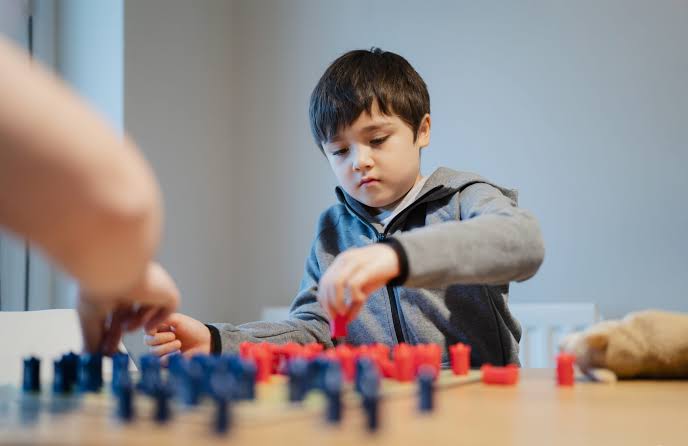
How to Support a Child’s Mental Health

How to Support a Child’s Mental Health

A child’s mental health is just as important as their physical health. It influences how they think, feel, behave, learn, and interact with others. In today’s fast-paced and highly demanding world, children can experience stress, anxiety, peer pressure, academic challenges, and emotional changes that affect their well-being. Understanding How to Support a Child’s Mental Health is essential for parents, caregivers, and educators to help children grow into emotionally healthy and confident individuals.

Early emotional support builds resilience, improves behavior, and creates a strong foundation for lifelong mental wellness.

Why Child Mental Health Matters

Mental health affects every aspect of a child’s development, including learning ability, relationships, and self-esteem.

Good mental health helps children:

  • Develop confidence and self-esteem
  • Build healthy relationships
  • Manage stress effectively
  • Perform better academically
  • Express emotions in a healthy way

Poor mental health, on the other hand, can lead to anxiety, depression, behavioral issues, and social difficulties.

Common Mental Health Challenges in Children

Children may experience different emotional and psychological challenges depending on their environment and personality.

Common issues include:

  • Anxiety and excessive worry
  • Depression or sadness
  • Attention difficulties (ADHD)
  • Behavioral problems
  • Social withdrawal
  • Low self-esteem

Recognizing early signs is the first step toward support.

Signs a Child May Need Mental Health Support

Parents should watch for changes in behavior or emotions.

Warning signs include:

  • Sudden changes in mood or behavior
  • Difficulty concentrating
  • Withdrawal from friends and family
  • Changes in sleep patterns
  • Loss of interest in activities
  • Frequent anger or irritability
  • Decline in academic performance

Early identification helps prevent long-term issues.

Create a Safe and Supportive Environment

A child’s home environment plays a major role in mental well-being.

To create emotional safety:

  • Encourage open communication
  • Avoid harsh criticism or punishment
  • Show unconditional love and support
  • Maintain a stable routine
  • Provide a calm and positive atmosphere

Children feel more secure when they know they are supported and understood.

Encourage Open Communication

Talking openly helps children express their feelings without fear.

Tips for better communication:

  • Listen without interrupting
  • Ask open-ended questions
  • Validate their feelings
  • Avoid judgment or blame
  • Be patient and understanding

When children feel heard, they are more likely to share their emotions.

Teach Emotional Awareness

Helping children understand their emotions is essential for mental development.

Teach them to:

  • Identify different emotions (happy, sad, angry, anxious)
  • Express feelings using words
  • Understand that all emotions are normal
  • Manage reactions in healthy ways

Emotional awareness builds self-control and resilience.

Encourage Healthy Routines

Daily routines provide stability and reduce stress.

Healthy habits include:

  • Regular sleep schedules
  • Balanced meals
  • Physical activity
  • Limited screen time
  • Time for play and relaxation

A structured routine helps children feel secure and balanced.

Promote Physical Activity

Exercise is closely linked to mental well-being.

Physical activity helps:

  • Reduce stress and anxiety
  • Improve mood
  • Increase energy levels
  • Boost self-confidence

Encourage activities like sports, cycling, dancing, or outdoor play.

Limit Stress and Pressure

Excessive academic or social pressure can negatively affect mental health.

Parents should:

  • Avoid unrealistic expectations
  • Focus on effort rather than perfection
  • Support learning at the child’s pace
  • Encourage breaks and relaxation

Balanced expectations help reduce anxiety and stress.

Build Self-Esteem and Confidence

Children with strong self-esteem are more emotionally resilient.

Ways to build confidence:

  • Praise effort, not just results
  • Encourage independence
  • Celebrate achievements
  • Support hobbies and interests
  • Avoid comparisons with others

Positive reinforcement helps children feel valued.

Encourage Social Interaction

Healthy relationships support emotional development.

Encourage children to:

  • Play with peers
  • Join group activities or clubs
  • Build friendships
  • Learn teamwork skills

Social interaction improves communication and emotional stability.

Teach Problem-Solving Skills

Children need guidance to handle challenges effectively.

Help them:

  • Break problems into smaller steps
  • Explore solutions together
  • Learn from mistakes
  • Develop decision-making skills

Problem-solving builds independence and confidence.

Manage Screen Time

Excessive screen use can affect mood and behavior.

Tips to manage screen time:

  • Set daily limits
  • Encourage offline activities
  • Avoid screens before bedtime
  • Monitor content exposure

Balanced screen time supports better mental health.

Encourage Mindfulness and Relaxation

Simple relaxation techniques can help reduce stress.

Techniques include:

  • Deep breathing exercises
  • Meditation for kids
  • Drawing or creative activities
  • Listening to calming music

These activities help children manage emotions better.

Be a Positive Role Model

Children learn by observing adults.

Parents should:

  • Manage their own stress healthily
  • Communicate calmly
  • Show emotional control
  • Demonstrate positive behavior

A positive role model strengthens healthy habits in children.

When to Seek Professional Help

Sometimes children need expert support.

Seek help if a child:

  • Shows persistent sadness or anxiety
  • Has extreme behavioral changes
  • Talks about self-harm or hopelessness
  • Struggles significantly at school or home

Mental health professionals can provide therapy and guidance.

Importance of Early Intervention

Early support can prevent long-term emotional issues.

Benefits include:

  • Faster recovery
  • Better emotional development
  • Improved social skills
  • Stronger coping abilities

Early action leads to better long-term outcomes.

Role of Parents and Caregivers

Parents play the most important role in supporting mental health.

They should:

  • Provide emotional support
  • Maintain a stable environment
  • Encourage healthy habits
  • Stay involved in the child’s life
  • Communicate regularly

Consistent care builds emotional security.

Dr. Nikil Sudarsan is a highly experienced Pediatrician in Dubai, dedicated to providing comprehensive healthcare for infants, children, and adolescents. With expertise in Pediatric Neurology, Child Development, Autism, ADHD, Epilepsy, Genetics, and Developmental Disorders, he offers personalized, evidence-based care tailored to each child’s unique needs. Using the latest medical advancements and a family-centered approach, Dr. Nikil Sudarsan focuses on promoting healthy growth, early diagnosis, effective treatment, and long-term well-being, ensuring the best possible outcomes for every child. 

Healthy Diet for Growing Children

 Healthy Diet for Growing Children

A child’s growth and development depend heavily on the quality of nutrition they receive during early years. Proper nutrition supports physical growth, brain development, immunity, energy levels, and overall well-being. Understanding the Healthy Diet for Growing Children is essential for parents who want to ensure their child develops strong bones, sharp cognitive abilities, and a healthy immune system.

A balanced diet is not just about eating enough food—it is about providing the right nutrients in the right proportions. This guide explains the importance of nutrition, essential food groups, and practical tips for building healthy eating habits in children.

Why a Healthy Diet Is Important for Children

Growing children need more nutrients than adults relative to their body size because their bodies and brains are constantly developing.

A healthy diet helps:

  • Support physical growth and height development
  • Strengthen bones and teeth
  • Improve brain function and concentration
  • Boost immunity against infections
  • Maintain healthy weight
  • Enhance energy and activity levels

Poor nutrition can lead to developmental delays, weak immunity, and long-term health problems.

Essential Nutrients for Growing Children

A balanced diet must include all major nutrients that support development.

1. Proteins – Building Body Tissues

Protein is essential for growth, muscle development, and tissue repair.

Sources include:

  • Eggs
  • Milk and dairy products
  • Chicken and fish
  • Beans and lentils
  • Nuts and seeds

Protein helps children grow stronger and recover from illnesses faster.

2. Carbohydrates – Energy Source

Carbohydrates provide energy for daily activities, learning, and play.

Healthy sources include:

  • Whole grains
  • Brown rice
  • Oats
  • Whole wheat bread
  • Fruits and vegetables

Complex carbohydrates provide long-lasting energy without sudden sugar spikes.

3. Healthy Fats – Brain Development

Healthy fats are crucial for brain development and hormone production.

Sources include:

  • Avocados
  • Nuts and nut butter
  • Seeds
  • Olive oil
  • Fatty fish like salmon

Fats are especially important in early childhood for cognitive development.

4. Calcium – Strong Bones and Teeth

Calcium supports bone growth and dental health.

Sources include:

  • Milk
  • Yogurt
  • Cheese
  • Leafy green vegetables
  • Fortified plant-based milk

Calcium intake is essential during rapid growth phases.

5. Iron – Preventing Fatigue and Supporting Growth

Iron helps produce healthy red blood cells and prevents anemia.

Sources include:

  • Spinach
  • Beans
  • Red meat
  • Lentils
  • Fortified cereals

Iron deficiency can cause weakness, fatigue, and poor concentration.

6. Vitamins and Minerals – Overall Health

Vitamins support immunity, vision, skin health, and metabolism.

Key vitamins include:

  • Vitamin A for vision and immunity
  • Vitamin C for skin and gums
  • Vitamin D for bone strength
  • B vitamins for energy production

Sources include fruits, vegetables, dairy, and sunlight exposure.

Importance of Balanced Meals

A healthy diet should include a combination of:

  • Proteins
  • Carbohydrates
  • Healthy fats
  • Vitamins
  • Minerals
  • Water

Each meal should be balanced to ensure complete nutrition.

Healthy Eating Habits for Children

Good eating habits are just as important as food choices.

Encourage:

  • Regular meal timings
  • Eating breakfast daily
  • Drinking enough water
  • Chewing food properly
  • Eating slowly without distractions
  • Including fruits and vegetables in every meal

Consistent habits help children develop a healthy relationship with food.

Foods to Limit in Children’s Diet

Certain foods should be consumed in moderation.

Limit:

  • Sugary snacks and candies
  • Soft drinks and sugary juices
  • Processed and fast foods
  • Excess salty foods
  • Packaged snacks with preservatives

These foods can contribute to obesity, tooth decay, and poor nutrition.

Role of Hydration in Growth

Water is essential for digestion, nutrient absorption, and temperature regulation.

Encourage children to:

  • Drink 6–8 glasses of water daily
  • Avoid sugary drinks
  • Stay hydrated during physical activity

Proper hydration supports overall health and energy levels.

Healthy Breakfast Importance

Breakfast is the most important meal of the day for children.

A good breakfast:

  • Improves concentration in school
  • Provides energy for the day
  • Supports metabolism
  • Prevents overeating later

Examples include eggs, oats, milk, fruits, or whole-grain toast.

Role of Fruits and Vegetables

Fruits and vegetables provide essential vitamins, minerals, and fiber.

Benefits include:

  • Strong immunity
  • Healthy digestion
  • Better skin health
  • Reduced risk of diseases

Encourage children to eat a variety of colorful fruits and vegetables daily.

Impact of Poor Nutrition on Children

Unhealthy eating habits can lead to:

  • Weak immune system
  • Delayed growth
  • Poor concentration
  • Fatigue and low energy
  • Obesity or underweight issues
  • Dental problems

Early nutrition habits affect lifelong health.

Tips for Parents to Encourage Healthy Eating

Parents play a key role in shaping eating habits.

Helpful strategies:

  • Lead by example with healthy eating
  • Make meals colorful and attractive
  • Involve children in food preparation
  • Avoid forcing or pressuring food choices
  • Offer healthy alternatives instead of junk food
  • Maintain consistent meal schedules

Positive reinforcement encourages better habits.

Importance of Regular Health Checkups

Routine pediatric visits help monitor:

  • Growth patterns
  • Nutritional status
  • Vitamin deficiencies
  • Weight and height development

Early detection helps correct dietary issues quickly.

Dr. Nikil Sudarsan is a highly experienced Pediatrician in Dubai, dedicated to providing comprehensive healthcare for infants, children, and adolescents. With expertise in Pediatric Neurology, Child Development, Autism, ADHD, Epilepsy, Genetics, and Developmental Disorders, he offers personalized, evidence-based care tailored to each child’s unique needs. Using the latest medical advancements and a family-centered approach, Dr. Nikil Sudarsan focuses on promoting healthy growth, early diagnosis, effective treatment, and long-term well-being, ensuring the best possible outcomes for every child. 

Importance of a Pediatrician in Child Development

Importance of a Pediatrician in Child Development

A child’s early years are the most critical phase of physical, emotional, cognitive, and social growth. During this period, proper medical guidance is essential to ensure healthy development and early detection of potential health concerns. This is where the role of a pediatrician becomes extremely important. Understanding the Importance of a Pediatrician in Child Development helps parents recognize how regular medical care supports a child’s overall well-being from infancy through adolescence.

A pediatrician is a medical specialist trained to monitor, diagnose, and manage the health of infants, children, and teenagers. Their role goes beyond treating illnesses—they guide parents in nutrition, growth milestones, vaccinations, behavior, and preventive healthcare.

What Does a Pediatrician Do?

A pediatrician focuses on the overall health and development of children. Their responsibilities include:

  • Monitoring physical growth and development
  • Providing vaccinations and immunizations
  • Diagnosing and treating childhood illnesses
  • Tracking developmental milestones
  • Offering nutritional guidance
  • Managing behavioral and emotional concerns
  • Providing preventive healthcare advice

Their continuous involvement ensures that children grow in a healthy and balanced way.

Role of a Pediatrician in Physical Development

Physical development includes a child’s height, weight, muscle growth, and overall body development.

Pediatricians help by:

  • Tracking growth charts regularly
  • Identifying growth delays or abnormalities
  • Ensuring proper nutrition intake
  • Monitoring bone and muscle development
  • Detecting early signs of chronic conditions

Regular checkups ensure that any physical development issues are identified early and managed effectively.

Monitoring Developmental Milestones

Every child reaches developmental milestones at a different pace, but there are general benchmarks.

These include:

  • Sitting, crawling, and walking
  • Speaking first words and sentences
  • Social interaction skills
  • Cognitive learning abilities
  • Emotional responses

Pediatricians assess whether a child is developing appropriately for their age and provide early intervention if needed.

Importance of Vaccinations

Vaccinations are a crucial part of pediatric care and child development.

Pediatricians ensure children receive:

  • Routine immunizations
  • Booster doses
  • Protection against infectious diseases

Vaccinations help:

  • Strengthen immunity
  • Prevent serious illnesses
  • Protect community health
  • Reduce long-term complications

A well-vaccinated child is more likely to grow healthy and strong.

Role in Cognitive and Mental Development

Cognitive development refers to a child’s ability to learn, think, and solve problems.

Pediatricians monitor:

  • Language development
  • Learning abilities
  • Attention span
  • Memory skills
  • Problem-solving behavior

Early detection of developmental delays allows timely intervention through therapy or specialized care.

Emotional and Behavioral Development

Children also undergo significant emotional and behavioral changes as they grow.

Pediatricians help by:

  • Identifying behavioral issues
  • Supporting emotional regulation
  • Guiding parents on discipline strategies
  • Addressing anxiety or stress in children
  • Monitoring social interaction skills

This ensures balanced emotional development and mental well-being.

Nutritional Guidance for Healthy Growth

Proper nutrition is essential for a child’s physical and mental development.

Pediatricians provide guidance on:

  • Balanced diet plans
  • Breastfeeding and formula feeding
  • Introducing solid foods
  • Managing food allergies
  • Preventing malnutrition or obesity

Good nutrition supports brain development, immunity, and physical growth.

Early Detection of Health Issues

One of the most important roles of a pediatrician is early diagnosis.

They can detect conditions such as:

  • Developmental delays
  • Speech and language issues
  • Vision and hearing problems
  • Chronic illnesses (asthma, diabetes, etc.)
  • Behavioral disorders

Early detection allows for timely treatment and better outcomes.

Preventive Healthcare and Regular Checkups

Preventive care helps avoid serious health issues in the future.

Pediatricians provide:

  • Routine health screenings
  • Growth monitoring
  • Vision and hearing tests
  • Immunization schedules
  • Health education for parents

Regular checkups ensure continuous monitoring of a child’s health.

Support During Illness and Recovery

Children are more prone to infections and seasonal illnesses.

Pediatricians help by:

  • Diagnosing illnesses accurately
  • Prescribing safe medications
  • Monitoring recovery progress
  • Advising on home care practices
  • Preventing complications

Their expertise ensures safe and effective treatment.

Guidance for Parents

Pediatricians are also a valuable source of guidance for parents.

They provide advice on:

  • Sleep routines
  • Hygiene habits
  • Behavioral challenges
  • Safety measures at home
  • Screen time management
  • Healthy lifestyle habits

This helps parents make informed decisions about their child’s upbringing.

Importance of Early Childhood Care

The first five years of life are crucial for brain development and overall growth.

Pediatricians ensure:

  • Proper developmental tracking
  • Early intervention for delays
  • Healthy habit formation
  • Strong immunity development

Early care lays the foundation for lifelong health.

Role in Special Needs Development

Pediatricians also support children with special healthcare needs.

They assist with:

  • Developmental disorders
  • Physical disabilities
  • Genetic conditions
  • Learning difficulties

They coordinate with specialists for comprehensive care.

Building Long-Term Health Habits

Pediatricians encourage habits that last into adulthood.

These include:

  • Healthy eating habits
  • Regular physical activity
  • Good sleep routines
  • Personal hygiene practices
  • Preventive healthcare awareness

Such habits contribute to long-term well-being.

Importance of Trust Between Parents and Pediatricians

A strong relationship between parents and pediatricians improves child healthcare outcomes.

Benefits include:

  • Better communication
  • Accurate health monitoring
  • Timely intervention
  • Increased parental confidence
  • Consistent care planning

Trust ensures effective healthcare management.

Dr. Nikil Sudarsan is a highly experienced Pediatrician in Dubai, dedicated to providing comprehensive healthcare for infants, children, and adolescents. With expertise in Pediatric Neurology, Child Development, Autism, ADHD, Epilepsy, Genetics, and Developmental Disorders, he offers personalized, evidence-based care tailored to each child’s unique needs. Using the latest medical advancements and a family-centered approach, Dr. Nikil Sudarsan focuses on promoting healthy growth, early diagnosis, effective treatment, and long-term well-being, ensuring the best possible outcomes for every child. 

What Parents Should Know Before Vaccination

What Parents Should Know Before Vaccination

Vaccination is one of the most effective ways to protect children from serious infectious diseases. It helps build immunity early in life and reduces the risk of complications from illnesses such as measles, polio, hepatitis, and whooping cough. However, many parents still have concerns and questions before their child receives vaccines.

What Parents Should Know Before Vaccination focuses on essential information that helps parents prepare for vaccination, understand its importance, and ensure a safe and smooth experience for their child.

Why Vaccination Is Important

Vaccines help the immune system recognize and fight harmful viruses and bacteria without causing the disease itself.

Benefits include:

  • Protection from serious infections
  • Prevention of disease outbreaks
  • Reduced risk of complications
  • Community immunity (herd protection)
  • Long-term health security

Vaccination is a key part of preventive healthcare for children.

Understanding the Vaccination Schedule

Children receive vaccines at different stages of growth.

Common schedule stages include:

  • At birth
  • 6, 10, and 14 weeks
  • 9 months and 12 months
  • Booster doses in early childhood

Following the recommended schedule ensures maximum protection at the right time.

Preparing Your Child for Vaccination

Proper preparation can make the experience easier for both child and parent.

Helpful tips:

  • Ensure the child is well-rested
  • Feed the baby before vaccination (for infants)
  • Dress the child in comfortable clothing
  • Carry vaccination records
  • Stay calm to reduce child anxiety

A calm environment helps reduce stress during the procedure.

What Happens During Vaccination

Vaccination is a quick and simple procedure performed by healthcare professionals.

Steps include:

  • Review of child’s health status
  • Administration of vaccine (injection or oral)
  • Short observation period after vaccination

Most vaccines are completed within a few minutes.

Common Side Effects of Vaccination

Mild side effects are normal and usually temporary.

Common reactions include:

  • Mild fever
  • Redness or swelling at injection site
  • Irritability
  • Fatigue
  • Loss of appetite

These symptoms typically resolve within 1–3 days.

When to Seek Medical Attention

Although rare, serious reactions may occur.

Parents should consult a doctor if:

  • High fever persists
  • Severe swelling or rash occurs
  • Breathing difficulties appear
  • Unusual behavior or extreme lethargy is noticed

Immediate medical attention ensures safety.

How to Comfort Your Child After Vaccination

After vaccination, children may feel discomfort or mild pain.

Helpful measures:

  • Breastfeeding or feeding infants for comfort
  • Applying a cool compress to the injection site
  • Giving extra cuddles and reassurance
  • Allowing rest and sleep

Comfort helps reduce anxiety and pain.

Myths and Facts About Vaccination

Many misconceptions exist about vaccines.

Myth: Vaccines cause the disease

Fact: Vaccines only stimulate immunity, not infection.

Myth: Too many vaccines overload the immune system

Fact: Children’s immune systems handle multiple vaccines safely.

Myth: Natural immunity is better than vaccines

Fact: Natural infections can cause serious complications, while vaccines provide safe protection.

Importance of Following the Schedule

Delaying or skipping vaccines can:

  • Increase risk of infection
  • Reduce effectiveness of immunity
  • Expose community to outbreaks

Timely vaccination is essential for full protection.

Tips for Reducing Vaccination Anxiety in Children

Children may feel scared before injections.

Parents can help by:

  • Explaining in simple language
  • Staying calm and positive
  • Distracting with toys or stories
  • Praising bravery afterward

Positive reinforcement builds confidence.

Role of Nutrition After Vaccination

Good nutrition supports immune response.

Helpful foods include:

  • Fruits rich in vitamin C
  • Breast milk for infants
  • Hydrating fluids
  • Light, nutritious meals

Proper hydration and rest aid recovery.

Keeping Vaccination Records Safe

Maintaining records is important for:

  • Tracking doses
  • Following schedules
  • School admissions
  • Future medical reference

Parents should keep records organized and accessible.

Special Considerations

Some children may require extra attention:

  • Premature babies
  • Children with chronic illnesses
  • Children with allergies

Doctors may adjust schedules based on medical needs.

The Role of Parents in Immunization

Parents play a key role in ensuring timely vaccination.

Responsibilities include:

  • Following immunization schedules
  • Asking questions during visits
  • Monitoring post-vaccination symptoms
  • Maintaining medical records

Active involvement ensures better health outcomes.

Dr. Nikil Sudarsan is a highly experienced Pediatrician in Dubai, dedicated to providing comprehensive healthcare for infants, children, and adolescents. With expertise in Pediatric Neurology, Child Development, Autism, ADHD, Epilepsy, Genetics, and Developmental Disorders, he offers personalized, evidence-based care tailored to each child’s unique needs. Using the latest medical advancements and a family-centered approach, Dr. Nikil Sudarsan focuses on promoting healthy growth, early diagnosis, effective treatment, and long-term well-being, ensuring the best possible outcomes for every child.