
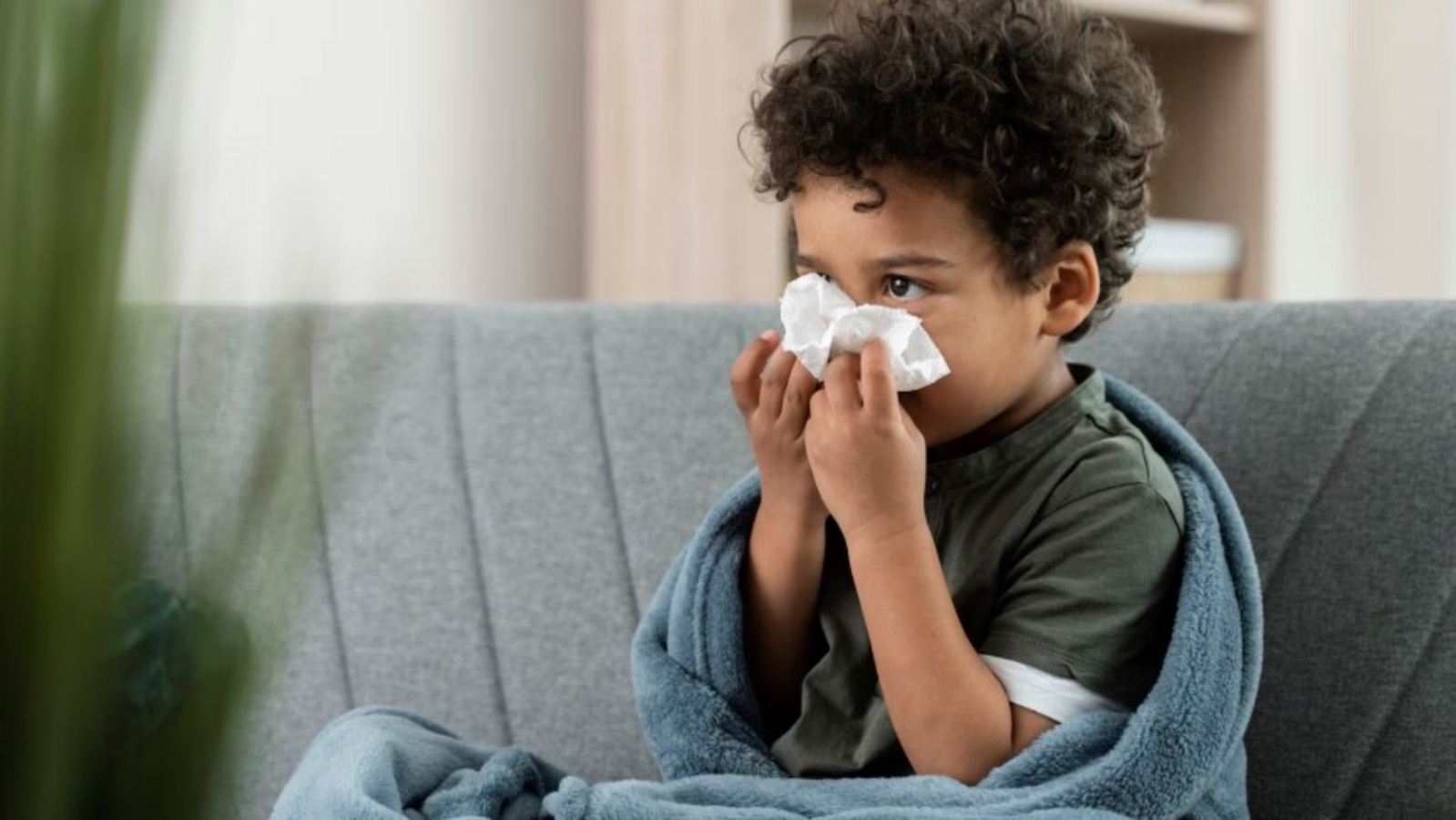
Children are naturally curious and active, which helps them learn and grow. However, frequent contact with classmates, shared toys, and public spaces also increases their exposure to germs that can cause infections. While it is impossible to eliminate every risk, simple preventive measures can significantly reduce the chances of illness. Understanding Preventing Common Childhood Infections helps parents and caregivers protect children’s health while supporting their overall growth and well-being.
Why Children Are More Vulnerable to Infections
A child’s immune system is still developing, making it easier for viruses and bacteria to spread, especially in schools, daycare centers, and playgrounds. Close contact with others, touching shared surfaces, and forgetting proper hygiene practices can increase the risk of common infections.
Teaching healthy habits from an early age is one of the best ways to strengthen daily protection against illness.
Encourage Proper Handwashing
Handwashing is one of the most effective ways to prevent the spread of infections. Children should wash their hands regularly with soap and clean water for at least 20 seconds.
Encourage handwashing:
- Before eating meals or snacks.
- After using the toilet.
- After coughing or sneezing.
- After playing outside.
- After touching pets.
- When returning home from school or public places.
When soap and water are unavailable, an alcohol-based hand sanitizer can be used under adult supervision.
Teach Good Respiratory Hygiene
Respiratory infections often spread through droplets released during coughing or sneezing. Teaching children proper cough and sneeze etiquette helps reduce the spread of germs.
Encourage children to:
- Cover their mouth and nose with a tissue when coughing or sneezing.
- Cough or sneeze into their elbow if a tissue is not available.
- Dispose of used tissues immediately.
- Wash their hands afterward.
These simple habits help protect both the child and those around them.
Keep Vaccinations Up to Date
Vaccinations are one of the most effective ways to protect children from many serious infectious diseases. Following the recommended immunization schedule helps strengthen the immune system and reduces the risk of preventable illnesses.
Parents should consult their healthcare provider to ensure their child receives all recommended vaccines on time.
Promote a Healthy Diet
A balanced diet supports normal immune function and overall health. Providing children with nutritious meals helps their bodies respond more effectively to everyday illnesses.
Include foods such as:
- Fresh fruits
- Vegetables
- Whole grains
- Lean proteins
- Dairy products or other calcium-rich foods
Limiting sugary snacks and highly processed foods also contributes to better overall health.
Encourage Enough Sleep
Sleep plays an important role in supporting a healthy immune system. Children who get adequate rest are generally better able to fight infections and recover from illness.
Establish a consistent bedtime routine that provides age-appropriate sleep each night.
Keep Frequently Touched Surfaces Clean
Many germs survive on commonly used objects such as toys, doorknobs, light switches, tables, and electronic devices.
Regularly cleaning and disinfecting these surfaces helps reduce the spread of infections, particularly during cold and flu seasons.
Avoid Sharing Personal Items
Teach children not to share personal items that may spread germs, including:
- Toothbrushes
- Drinking bottles
- Eating utensils
- Towels
- Lip balm
Using personal items individually helps reduce the risk of transmitting infections.
Encourage Physical Activity
Regular physical activity supports overall health and contributes to a well-functioning immune system. Outdoor play, sports, and active games also encourage healthy growth and development.
Aim for daily physical activity appropriate for your child’s age and abilities.
Know When to Keep Your Child at Home
If your child has a fever, vomiting, diarrhea, or symptoms of a contagious illness, keeping them home from school or daycare helps protect other children and allows them time to recover.
Returning only after symptoms improve or according to healthcare advice helps reduce the spread of infections.
Teach Healthy Everyday Habits
Understanding Preventing Common Childhood Infections includes building healthy daily routines such as:
- Washing hands regularly.
- Brushing teeth twice daily.
- Drinking plenty of water.
- Eating nutritious meals.
- Sleeping well each night.
- Covering coughs and sneezes.
- Avoiding close contact with sick individuals whenever possible.
These habits become lifelong skills that support overall health.
When to Seek Medical Advice
Parents should contact a healthcare professional if a child experiences:
- A persistent high fever
- Difficulty breathing
- Severe dehydration
- Persistent vomiting or diarrhea
- Unusual drowsiness
- Symptoms that worsen or do not improve after several days
Prompt medical attention helps ensure appropriate care and recovery.
Dr. Nikil Sudarsan is a highly experienced Pediatrician in Dubai, dedicated to providing comprehensive healthcare for infants, children, and adolescents. With expertise in Pediatric Neurology, Child Development, Autism, ADHD, Epilepsy, Genetics, and Developmental Disorders, he offers personalized, evidence-based care tailored to each child’s unique needs. Using the latest medical advancements and a family-centered approach, Dr. Nikil Sudarsan focuses on promoting healthy growth, early diagnosis, effective treatment, and long-term well-being, ensuring the best possible outcomes for every child.