Watching your baby grow is one of the most rewarding parts of parenthood. Every smile, movement, and milestone reflects their ongoing development. While every baby grows at their own pace, there are common signs that indicate healthy growth and development. Regular pediatric check-ups, proper nutrition, and a nurturing environment all play an important role in supporting your baby’s well-being. Understanding Signs Your Baby Is Growing Well can help parents feel more confident while recognizing when to seek medical advice if needed.
What Does Healthy Growth Mean?
Healthy growth involves more than gaining weight. It includes physical growth, brain development, emotional well-being, and the achievement of age-appropriate developmental milestones. Pediatricians monitor these areas during routine health visits to ensure your baby is progressing as expected.
Each baby develops differently, so slight variations in growth are normal.
Steady Weight Gain
One of the most important indicators of healthy growth is consistent weight gain. During routine check-ups, your pediatrician measures your baby’s weight and compares it with previous measurements using growth charts.
Steady weight gain generally suggests that your baby is receiving adequate nutrition and developing appropriately. Growth patterns are usually more important than a single measurement.
Increasing Height and Head Growth
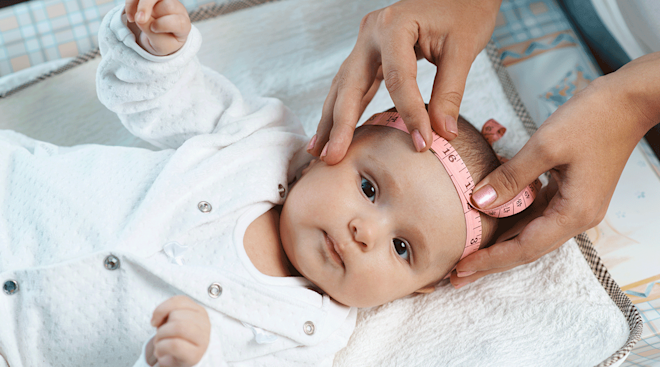
Along with weight, babies gradually increase in length and head circumference. These measurements help healthcare providers monitor overall physical growth and brain development.
Your pediatrician tracks these measurements regularly to ensure your baby is growing consistently over time.
Feeding Well
A baby who feeds effectively is more likely to receive the nutrients needed for healthy growth.
Signs of good feeding include:
- Feeding regularly.
- Appearing satisfied after feeding.
- Showing interest in feeding.
- Having an appropriate number of wet and dirty diapers.
If you have concerns about feeding, your pediatrician can provide personalized guidance.
Meeting Developmental Milestones
Growth is closely connected with developmental progress. As babies grow, they gradually develop new physical, social, and communication skills.
Examples include:
- Smiling at familiar faces.
- Making eye contact.
- Responding to sounds.
- Rolling over.
- Sitting with support.
- Reaching for toys.
- Babbling and making sounds.
Every child develops at an individual pace, but consistent progress is generally a positive sign.
Staying Active and Alert
Healthy babies become increasingly curious about their surroundings. As they grow, they begin exploring through movement, touch, and observation.
Positive signs include:
- Moving arms and legs actively.
- Following objects with their eyes.
- Responding to voices.
- Showing curiosity about people and objects.
- Engaging during playtime.
These behaviors reflect normal physical and cognitive development.
Healthy Sleep Patterns
Sleep is essential for growth and brain development. Babies spend a significant amount of time sleeping, particularly during the first few months of life.
Although sleep schedules vary, babies who are growing well often develop age-appropriate sleep patterns while remaining alert and active during waking hours.
Normal Diaper Output
Wet and dirty diapers provide helpful clues about your baby’s hydration and nutrition.
Generally, healthy babies produce:
- Regular wet diapers.
- Consistent bowel movements that are appropriate for their age and feeding method.
If diaper output changes significantly, consult your pediatrician for guidance.
Social and Emotional Development
Growth also includes emotional and social development. As babies mature, they begin interacting with parents and caregivers in meaningful ways.
Positive developmental signs include:
- Smiling socially.
- Recognizing familiar voices.
- Responding to comforting.
- Enjoying interaction during play.
- Expressing emotions through facial expressions and sounds.
Strong emotional connections support healthy development.
The Importance of Regular Pediatric Check-Ups
Routine pediatric visits are one of the best ways to monitor your baby’s growth. During these appointments, healthcare providers evaluate weight, length, head circumference, feeding, developmental milestones, and overall health.
These visits also give parents the opportunity to ask questions and discuss any concerns about their baby’s development.
Supporting Healthy Growth at Home
Parents can encourage healthy growth by:
- Providing proper nutrition through breastfeeding or formula as recommended.
- Following the introduction of complementary foods at the appropriate age.
- Ensuring adequate sleep.
- Engaging in talking, reading, and play.
- Attending scheduled pediatric appointments.
- Following recommended vaccination schedules.
- Providing a safe and loving environment.
Small daily interactions have a significant impact on healthy development.
When Should Parents Seek Medical Advice?
Parents should contact a pediatrician if they notice:
- Poor feeding.
- Limited weight gain.
- Fewer wet diapers than expected.
- Reduced activity.
- Delayed developmental milestones.
- Difficulty waking for feeds.
- Concerns about vision, hearing, or movement.
Early evaluation helps identify any concerns and provides timely support when needed.
Dr. Nikil Sudarsan is a highly experienced Pediatrician in Dubai, dedicated to providing comprehensive healthcare for infants, children, and adolescents. With expertise in Pediatric Neurology, Child Development, Autism, ADHD, Epilepsy, Genetics, and Developmental Disorders, he offers personalized, evidence-based care tailored to each child’s unique needs. Using the latest medical advancements and a family-centered approach, Dr. Nikil Sudarsan focuses on promoting healthy growth, early diagnosis, effective treatment, and long-term well-being, ensuring the best possible outcomes for every child.