
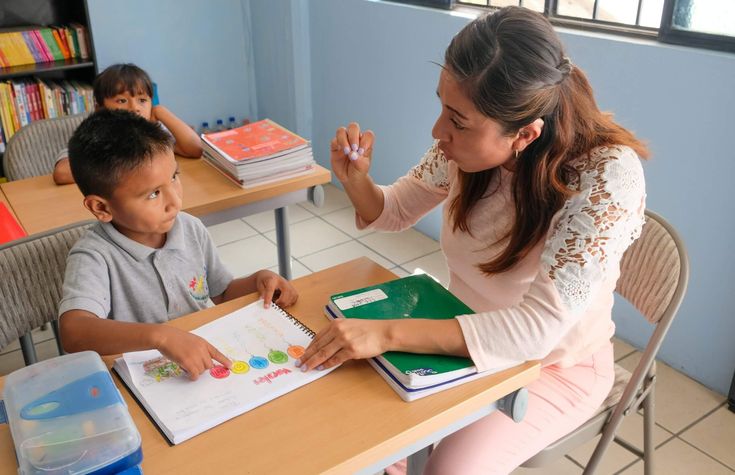
The teenage years are an important stage of physical, emotional, social, and cognitive development. During this period, young people begin to develop stronger identities, greater independence, and deeper relationships with family members, friends, classmates, and other people around them. Healthy Relationships and Teen Development are closely connected because positive relationships can support emotional wellbeing, confidence, communication skills, and responsible decision-making.
Teenagers may experience changing emotions and social pressures as they grow. Supportive relationships can give them a safe environment where they can express themselves, learn from experiences, and develop important interpersonal skills.
The Role of Family Relationships
Family relationships remain important throughout adolescence, even as teenagers become more independent. Parents and caregivers can provide emotional support, guidance, and stability while allowing teenagers appropriate opportunities to make decisions for themselves.
Open communication can help teenagers feel comfortable discussing their concerns. Rather than immediately judging or criticizing, parents can listen carefully and encourage honest conversations. This can strengthen trust and make it easier for teenagers to seek guidance when they face difficult situations.
A supportive home environment can also help teenagers develop confidence and emotional resilience.
Friendships and Social Development
Friendships become increasingly important during adolescence. Teenagers often spend more time with peers and may use these relationships to explore interests, values, and personal identity.
Positive friendships can teach important skills such as cooperation, empathy, communication, compromise, and conflict resolution. Friends can also provide emotional support during challenging experiences.
However, peer pressure can sometimes influence teenagers to make unhealthy or unsafe choices. Helping teenagers understand the difference between supportive friendships and harmful relationships can encourage better decision-making.
Building Communication Skills
Good communication is an important part of healthy relationships. Teenagers are still developing their ability to express emotions, understand different perspectives, and manage disagreements.
Parents and caregivers can encourage teenagers to communicate respectfully and clearly. Teaching them to listen actively, express their feelings appropriately, and discuss disagreements without aggression can benefit their relationships at home and outside the family.
These skills can also support future academic, professional, and personal relationships.
Understanding Boundaries
Healthy relationships involve appropriate personal boundaries. Teenagers should understand that everyone has different levels of comfort regarding physical space, conversations, privacy, and personal information.
Learning to respect another person’s boundaries while communicating their own boundaries is an important part of social development.
Parents can discuss boundaries in age-appropriate ways and explain that healthy relationships should involve mutual respect. Teenagers should also understand that they can seek help if someone repeatedly ignores their boundaries or makes them feel unsafe.
Emotional Development During Adolescence
Teenagers may experience strong and changing emotions. Hormonal changes, academic expectations, friendships, family relationships, and concerns about identity can all influence emotional wellbeing.
Supportive relationships can provide teenagers with opportunities to talk about these experiences. Adults can help by listening without immediately dismissing their feelings.
Encouraging healthy habits such as regular physical activity, sufficient sleep, balanced nutrition, hobbies, and time away from excessive digital activity can also support overall wellbeing.
The Impact of Digital Relationships
Social media and digital communication are an important part of many teenagers’ social lives. Online platforms can help young people stay connected with friends and explore interests, but they can also introduce challenges.
Cyberbullying, social comparison, excessive screen use, privacy concerns, and exposure to inappropriate content can affect teenagers’ wellbeing.
Parents can encourage responsible digital habits without relying only on strict restrictions. Discussing online privacy, respectful communication, suspicious interactions, and healthy screen boundaries can help teenagers use technology more safely.
Developing Self-Esteem and Independence
Healthy relationships can contribute to a teenager’s developing sense of self-worth. Encouragement from parents, teachers, friends, and other trusted adults can help teenagers recognize their strengths and learn from mistakes.
At the same time, teenagers need opportunities to develop independence. Giving them age-appropriate responsibilities and allowing them to make reasonable choices can support confidence and decision-making skills.
Constructive feedback is generally more helpful than constant criticism. Teenagers benefit when adults recognize their efforts while providing guidance when needed.
Recognizing Unhealthy Relationships
Teaching teenagers about healthy relationships also means helping them recognize unhealthy behaviors. Controlling behavior, manipulation, intimidation, persistent disrespect, isolation from friends or family, and unwanted pressure can be warning signs.
Teenagers should know that they can speak with a trusted adult if a relationship makes them feel uncomfortable, frightened, or unsafe.
Creating an environment where young people feel comfortable asking for help is an important part of supporting their development.
Supporting Healthy Teen Development
Adults can support healthy development by creating opportunities for positive social interaction and encouraging teenagers to participate in activities they enjoy. Sports, creative activities, volunteering, school clubs, and hobbies can help teenagers develop social skills and a sense of belonging.
Regular conversations about emotions, friendships, online experiences, and personal challenges can also help parents stay connected with their teenagers.
Professional support may be appropriate when emotional, behavioral, social, or developmental concerns significantly affect a teenager’s daily life. Early guidance can help families understand concerns and identify suitable support.
Dr. Nikil Sudarsan is a highly experienced Pediatrician in Dubai, dedicated to providing comprehensive healthcare for infants, children, and adolescents. With expertise in Pediatric Neurology, Child Development, Autism, ADHD, Epilepsy, Genetics, and Developmental Disorders, he offers personalized, evidence-based care tailored to each child’s unique needs. Using the latest medical advancements and a family-centered approach, Dr. Nikil Sudarsan focuses on promoting healthy growth, early diagnosis, effective treatment, and long-term well-being, ensuring the best possible outcomes for every child.