Every child grows and develops at their own pace, but there are common milestones that help parents and caregivers understand how children are progressing. Understanding Childhood Developmental Milestones is important because these milestones provide valuable insights into a child’s physical, cognitive, emotional, social, and language development. Monitoring developmental progress can help families recognize strengths, support learning, and identify when additional evaluation may be beneficial.
Developmental milestones are not strict deadlines. Children may achieve skills slightly earlier or later than others while still experiencing healthy development. Regular pediatric checkups and supportive home environments play an important role in encouraging healthy growth.
What Are Developmental Milestones?
Developmental milestones are age-related skills and abilities that most children achieve as they grow. These milestones help track progress across several important areas of development.
Major developmental areas include:
- Physical development
- Motor skills
- Language and communication
- Cognitive development
- Social interaction
- Emotional development
Monitoring these areas helps parents better understand their child’s overall growth.
Why Developmental Milestones Matter
Tracking developmental milestones helps ensure children receive appropriate support during every stage of childhood. Early recognition of developmental differences allows families to seek professional guidance when needed.
Understanding developmental milestones can help:
- Monitor healthy growth
- Encourage age-appropriate learning
- Support physical development
- Strengthen communication skills
- Build social confidence
- Promote emotional well-being
Every child develops at an individual pace, and milestones serve as general guidelines rather than exact expectations.
Physical Development in Early Childhood
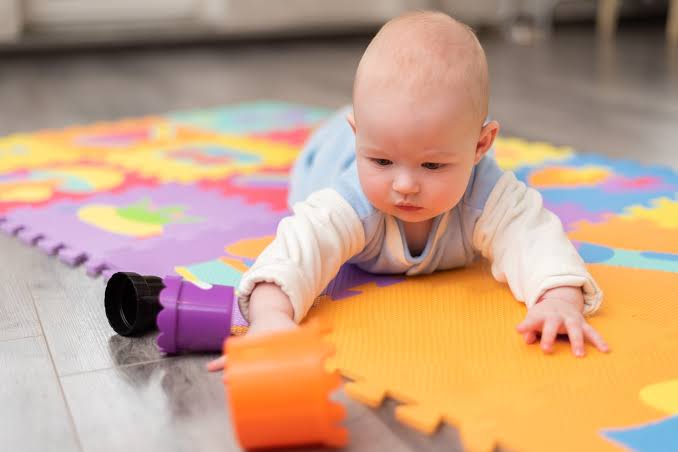
Physical growth is one of the most noticeable aspects of childhood development. As children grow, they gradually gain strength, coordination, and balance.
Examples of physical development include:
- Rolling over
- Sitting independently
- Crawling
- Standing
- Walking
- Running
- Jumping
Providing opportunities for active play helps children strengthen their muscles and improve coordination.
Fine Motor Skill Development
Fine motor skills involve small muscle movements, particularly in the hands and fingers. These skills are essential for daily activities and learning.
Children gradually learn to:
- Pick up small objects
- Hold crayons or pencils
- Turn book pages
- Stack blocks
- Use child-safe utensils
- Button clothing
Simple activities like drawing, building blocks, and puzzles encourage fine motor development.
Language and Communication Skills
Language development allows children to express their needs, understand others, and build relationships.
Communication milestones often include:
- Responding to voices
- Babbling during infancy
- Saying first words
- Forming simple sentences
- Following instructions
- Asking questions
- Holding conversations
Reading books together and talking with children every day supports healthy language development.
Cognitive Development
Cognitive development involves learning, thinking, memory, and problem-solving. As children grow, they become more curious about the world around them.
Cognitive skills include:
- Recognizing familiar people
- Solving simple problems
- Understanding cause and effect
- Sorting objects by shape or color
- Following routines
- Developing memory skills
Providing educational toys, books, and interactive play helps stimulate cognitive growth.
Social Development
Social skills help children interact with family members, friends, teachers, and others.
Healthy social development includes:
- Smiling at familiar faces
- Playing alongside other children
- Sharing toys
- Taking turns
- Building friendships
- Cooperating in group activities
Positive social experiences help children develop confidence and emotional security.
Emotional Development
Children gradually learn to recognize, express, and manage their emotions.
Emotional milestones may include:
- Showing affection
- Expressing happiness
- Demonstrating empathy
- Managing frustration
- Developing self-confidence
- Learning self-control
Parents can support emotional development by providing encouragement, consistency, and a secure environment.
The Importance of Play
Play is one of the most effective ways children learn and develop new skills. Different types of play contribute to various aspects of growth.
Benefits of play include:
- Improving creativity
- Building communication skills
- Enhancing problem-solving abilities
- Supporting physical development
- Encouraging social interaction
- Developing emotional resilience
Providing opportunities for both structured and unstructured play supports healthy childhood development.
Nutrition Supports Healthy Development
Proper nutrition provides the energy and nutrients children need for growth and learning.
A healthy diet should include:
- Fruits
- Vegetables
- Whole grains
- Lean proteins
- Dairy products or suitable alternatives
- Plenty of water
Balanced nutrition supports brain development, bone health, and physical growth.
The Role of Sleep
Sleep is essential for healthy childhood development. During sleep, the body and brain continue important growth and repair processes.
Healthy sleep supports:
- Brain development
- Memory
- Learning
- Emotional regulation
- Physical growth
- Overall well-being
Establishing consistent bedtime routines helps children get adequate rest.
Regular Health Checkups
Routine pediatric visits allow healthcare providers to monitor a child’s growth and development while offering guidance tailored to each stage of childhood.
Regular checkups help:
- Track growth measurements
- Monitor developmental progress
- Identify concerns early
- Provide preventive healthcare
- Answer parents’ questions
Preventive care supports healthy development from infancy through adolescence.
When to Seek Professional Advice
While children develop at different rates, parents should speak with a healthcare professional if they notice persistent concerns, such as:
- Limited eye contact
- Significant delays in speech
- Difficulty walking compared with expected developmental stages
- Loss of previously learned skills
- Limited social interaction
- Difficulty responding to sounds or voices
Early evaluation does not always indicate a serious problem, but it can help identify whether additional support or assessment is appropriate.
How Parents Can Support Healthy Development
Parents and caregivers play a vital role in encouraging healthy growth through everyday interactions.
Helpful ways to support development include:
- Reading together daily
- Talking and listening to your child
- Encouraging active play
- Providing nutritious meals
- Establishing consistent routines
- Offering praise and positive encouragement
- Limiting excessive screen time
- Scheduling regular pediatric checkups
A supportive and nurturing environment helps children develop confidence and important life skills.
Dr. Nikil Sudarsan is a highly experienced Pediatrician in Dubai, dedicated to providing comprehensive healthcare for infants, children, and adolescents. With expertise in Pediatric Neurology, Child Development, Autism, ADHD, Epilepsy, Genetics, and Developmental Disorders, he offers personalized, evidence-based care tailored to each child’s unique needs. Using the latest medical advancements and a family-centered approach, Dr. Nikil Sudarsan focuses on promoting healthy growth, early diagnosis, effective treatment, and long-term well-being, ensuring the best possible outcomes for every child.