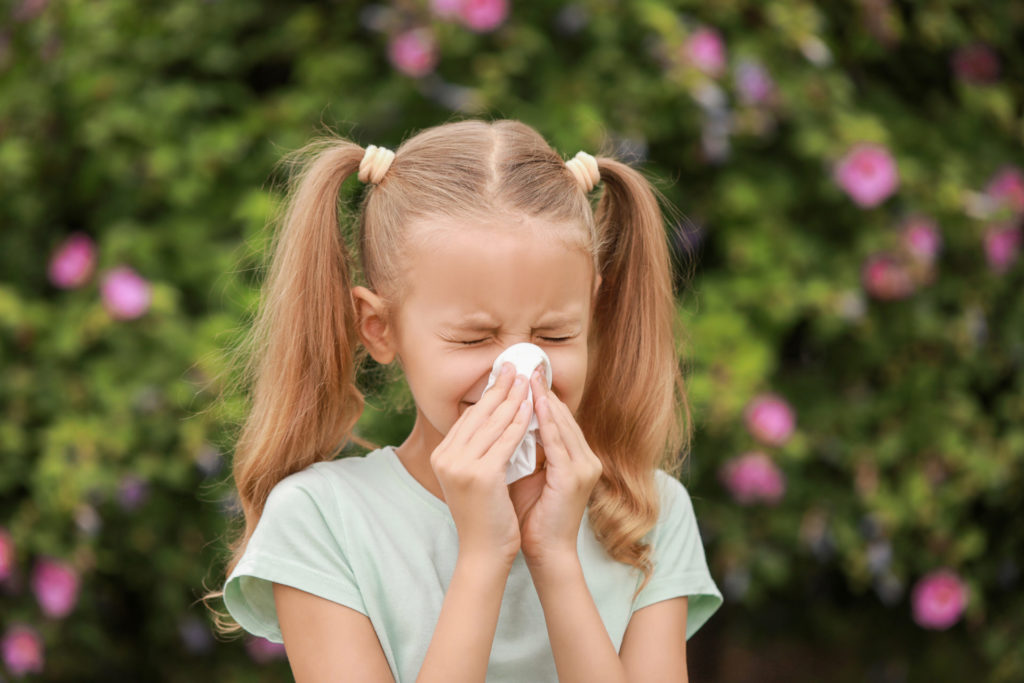
Childhood allergies are common and can affect a child’s comfort, sleep, school performance, and daily activities. How to Manage Childhood Allergies Naturally is a topic many parents explore to help reduce allergy symptoms while supporting their child’s overall well-being. Although natural strategies may help minimize exposure to allergens and improve comfort, they should complement—not replace—professional medical care. Children with persistent, severe, or life-threatening allergies should always be evaluated and treated by a qualified healthcare professional.
By understanding allergy triggers and adopting healthy daily habits, parents can help create a safer and more comfortable environment for their children.
What Are Childhood Allergies?
An allergy occurs when the immune system reacts to a substance that is usually harmless. These substances, known as allergens, can trigger symptoms that vary from mild to severe.
Common childhood allergens include:
- Pollen
- Dust mites
- Pet dander
- Mold
- Certain foods
- Insect stings
- Some medications
Identifying the specific trigger is the first step toward effective allergy management.
Recognizing Common Allergy Symptoms
Allergy symptoms may differ depending on the trigger and the child.
Common signs include:
- Sneezing
- Runny or blocked nose
- Itchy eyes
- Watery eyes
- Skin rashes
- Hives
- Itchy skin
- Coughing
- Wheezing
- Mild swelling
Seek immediate medical attention if a child experiences difficulty breathing, swelling of the face or throat, or signs of a severe allergic reaction.
Identify and Avoid Allergy Triggers
Managing allergies naturally begins with reducing exposure to known allergens.
Helpful strategies include:
- Monitoring pollen levels during allergy seasons
- Keeping windows closed when pollen counts are high
- Avoiding known food allergens
- Reducing exposure to cigarette smoke
- Limiting contact with environmental irritants
Understanding individual triggers helps parents make informed decisions about daily activities.
Keep Your Home Clean
A clean home can reduce exposure to common indoor allergens such as dust mites, mold, and pet dander.
Helpful cleaning habits include:
- Vacuuming regularly using an appropriate filter
- Dusting furniture frequently
- Washing bedding weekly in hot water
- Cleaning soft toys regularly
- Reducing unnecessary clutter
- Keeping indoor spaces well ventilated where appropriate
Maintaining a clean environment may help reduce allergy symptoms.
Control Indoor Humidity
Excess moisture encourages mold growth, while extremely dry air may irritate sensitive airways.
To maintain a comfortable indoor environment:
- Keep humidity at a moderate level.
- Repair water leaks promptly.
- Dry damp areas thoroughly.
- Ensure bathrooms and kitchens have proper ventilation.
Managing humidity helps reduce mold and improve indoor air quality.
Encourage Regular Handwashing
Children often come into contact with allergens during outdoor play or while interacting with pets.
Encourage children to:
- Wash their hands after playing outside
- Wash after touching animals
- Avoid rubbing their eyes with unwashed hands
- Shower and change clothes after heavy outdoor pollen exposure when appropriate
Simple hygiene habits can help reduce allergen exposure.
Support Overall Health with a Balanced Diet
A nutritious diet supports a healthy immune system and overall growth.
Healthy meals should include:
- Fresh fruits
- Vegetables
- Whole grains
- Lean proteins
- Healthy fats
- Plenty of water
If your child has a food allergy, avoid the specific food and seek guidance from a healthcare professional or registered dietitian to ensure nutritional needs are met safely.
Keep Children Well Hydrated
Drinking enough water supports overall health and may help keep the nose and throat comfortable.
Encourage children to:
- Drink water regularly throughout the day
- Stay hydrated during physical activity
- Choose water instead of sugary beverages
Good hydration is an important part of overall wellness.
Encourage Regular Physical Activity
Daily physical activity supports general health and well-being. If outdoor allergens are triggering symptoms, consider exercising indoors on days with high pollen levels or follow your healthcare provider’s recommendations.
Activities may include:
- Walking
- Cycling
- Swimming, if appropriate
- Indoor games
- Family exercise sessions
Choose activities that suit your child’s age, interests, and health needs.
Promote Healthy Sleep Habits
Adequate sleep helps support immune function and overall health.
To encourage better sleep:
- Maintain a regular bedtime routine.
- Keep bedrooms clean and comfortable.
- Wash bedding regularly.
- Limit exposure to allergens in sleeping areas.
Good sleep supports children’s physical and emotional well-being.
Be Careful with Natural Remedies
Some natural products and herbal supplements are promoted for allergy relief, but their safety and effectiveness in children are not always well established. In some cases, they may even trigger allergic reactions or interact with medications.
Always consult a healthcare professional before giving your child any herbal remedy or dietary supplement.
Monitor Seasonal Allergies
During pollen seasons, simple adjustments may help reduce exposure.
Helpful tips include:
- Checking local pollen forecasts
- Limiting outdoor activities when pollen counts are very high
- Keeping car windows closed during high-pollen days
- Changing clothes after outdoor play
- Washing hair before bedtime if needed
These measures may help reduce the amount of pollen brought indoors.
Follow the Child’s Allergy Management Plan
If your child has been diagnosed with allergies, follow the treatment plan provided by their healthcare professional.
This may include:
- Avoiding known allergens
- Using prescribed medications as directed
- Attending follow-up appointments
- Monitoring symptoms
- Keeping emergency medication available if prescribed
Natural lifestyle measures should support—not replace—medical treatment when it is needed.
Know When to Seek Medical Care
Parents should seek professional medical advice if a child experiences:
- Persistent or worsening allergy symptoms
- Frequent wheezing
- Difficulty breathing
- Severe skin reactions
- Suspected food allergies
- Symptoms that interfere with sleep or daily activities
Immediate emergency care is required if a child develops signs of a severe allergic reaction, such as swelling of the face or throat, severe breathing difficulty, or loss of consciousness.
Supporting Children with Allergies
Living with allergies can sometimes be challenging, but children can continue to enjoy active and healthy lives with proper management.
Parents can help by:
- Educating children about their allergy triggers
- Encouraging healthy daily habits
- Informing caregivers and teachers about allergies
- Keeping prescribed medications accessible
- Maintaining regular medical checkups
Knowledge and preparation help children feel more confident and safe.
Dr. Nikil Sudarsan is a highly experienced Pediatrician in Dubai, dedicated to providing comprehensive healthcare for infants, children, and adolescents. With expertise in Pediatric Neurology, Child Development, Autism, ADHD, Epilepsy, Genetics, and Developmental Disorders, he offers personalized, evidence-based care tailored to each child’s unique needs. Using the latest medical advancements and a family-centered approach, Dr. Nikil Sudarsan focuses on promoting healthy growth, early diagnosis, effective treatment, and long-term well-being, ensuring the best possible outcomes for every child.