
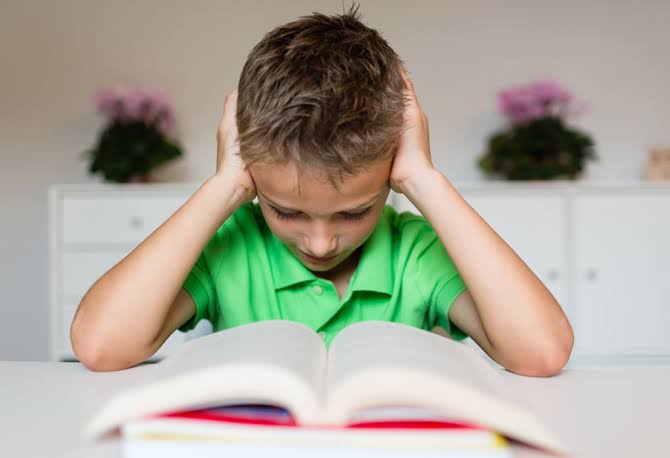
Every child learns at their own pace, developing skills and knowledge through unique experiences. While some children quickly grasp new concepts, others may need additional time or support in specific areas. Learning difficulties are not a reflection of intelligence or motivation but rather differences in how the brain processes and understands information. Recognizing these challenges early allows children to receive the guidance they need to reach their full potential.
Understanding Learning Difficulties in Children helps parents, caregivers, and educators identify early signs, provide appropriate support, and create positive learning environments. With patience, encouragement, and individualized strategies, children with learning difficulties can develop confidence and achieve academic and personal success.
What Are Learning Difficulties?
Learning difficulties refer to challenges in acquiring, processing, or using information that can affect academic performance. These difficulties may impact one or more areas of learning while a child’s overall intelligence remains within the typical range.
Learning difficulties can affect:
- Reading
- Writing
- Spelling
- Mathematics
- Language skills
- Memory
- Attention
- Organization
Every child experiences these challenges differently, making individualized support essential.
Common Signs of Learning Difficulties
The signs of learning difficulties vary depending on the child’s age and the specific area of concern. Some children may struggle with only one subject, while others may experience challenges across multiple areas.
Common signs include:
- Difficulty recognizing letters or words
- Trouble reading fluently
- Frequent spelling mistakes
- Difficulty understanding instructions
- Challenges with basic math concepts
- Poor concentration
- Trouble remembering information
- Difficulty organizing schoolwork
Recognizing these signs early can lead to timely support and improved learning outcomes.
Possible Causes of Learning Difficulties
Learning difficulties can develop for various reasons, and in many cases, there is no single identifiable cause. They often result from differences in brain development and information processing.
Possible contributing factors include:
- Genetic influences
- Differences in brain development
- Premature birth
- Early developmental delays
- Hearing or vision problems
- Neurological conditions
Understanding the underlying factors helps guide appropriate evaluation and support.
Different Types of Learning Difficulties
Learning difficulties can affect different academic skills. Some children may experience challenges in one area, while others may have difficulties in several areas.
Common learning challenges include:
Reading Difficulties
Some children have trouble recognizing words, understanding written text, or reading accurately and fluently.
Writing Difficulties
Writing challenges may include poor handwriting, difficulty organizing ideas, spelling problems, or trouble expressing thoughts in written form.
Mathematics Difficulties
Children may struggle with numbers, calculations, problem-solving, or understanding mathematical concepts.
Language Processing Difficulties
Some children find it difficult to understand spoken language, follow instructions, or express themselves clearly.
The Importance of Early Identification
Early recognition of learning difficulties allows children to receive appropriate interventions before academic challenges become more significant.
Early identification can help:
- Improve learning outcomes
- Build confidence
- Reduce frustration
- Support emotional well-being
- Encourage positive school experiences
The earlier support begins, the greater the opportunity for progress.
How Learning Difficulties Affect Daily Life
Learning difficulties can influence more than academic performance. Children may also experience emotional, social, and behavioral challenges if they struggle to keep up with peers.
Possible effects include:
- Reduced self-confidence
- Anxiety about school
- Difficulty completing homework
- Avoidance of learning activities
- Frustration during classroom tasks
Supportive environments can help children overcome these challenges.
Supporting Children at Home
Parents play an essential role in helping children develop learning skills and confidence. A positive home environment encourages growth and resilience.
Helpful strategies include:
- Establishing consistent study routines
- Breaking tasks into smaller steps
- Offering encouragement
- Celebrating progress
- Reading together regularly
Patience and consistency help children build confidence in their abilities.
Supporting Learning at School
Teachers and schools play an important role in identifying and supporting learning difficulties. Collaboration between parents and educators helps ensure children receive consistent guidance.
School support may include:
- Individualized learning strategies
- Additional classroom assistance
- Modified teaching methods
- Regular progress monitoring
- Clear communication with families
Working together creates a supportive educational experience.
Building Confidence in Children
Children with learning difficulties often benefit from positive reinforcement and encouragement. Focusing on strengths rather than weaknesses helps develop self-esteem.
Parents and educators can:
- Praise effort instead of perfection
- Encourage problem-solving
- Recognize achievements
- Support hobbies and interests
- Help children set realistic goals
Confidence plays an important role in successful learning.
Creating Effective Learning Habits
Good study habits can make learning more manageable and enjoyable.
Helpful habits include:
- Maintaining a regular homework schedule
- Studying in a quiet environment
- Taking short breaks
- Using visual learning tools
- Practicing new skills consistently
Small improvements over time can lead to meaningful progress.
The Role of Healthy Lifestyle Habits
A child’s overall health can influence concentration, memory, and learning ability.
Healthy habits include:
- Getting enough sleep
- Eating balanced meals
- Staying physically active
- Limiting excessive screen time
- Managing stress effectively
A healthy lifestyle supports both physical and cognitive development.
Encouraging Social and Emotional Well-Being
Children with learning difficulties may sometimes feel isolated or discouraged. Emotional support is essential for helping them build resilience.
Parents can support emotional well-being by:
- Listening without judgment
- Encouraging friendships
- Teaching coping strategies
- Promoting positive self-talk
- Creating opportunities for success
Strong emotional support helps children face challenges with confidence.
When to Seek Professional Guidance
If learning challenges continue despite additional support or significantly affect school performance and daily activities, it may be beneficial to seek professional guidance.
An evaluation can help identify:
- Specific learning challenges
- Strengths and areas for improvement
- Appropriate educational strategies
- Individualized support plans
Early assessment can provide valuable direction for both families and educators.
Long-Term Outlook for Children With Learning Difficulties
With the right support, children with learning difficulties can make meaningful progress and achieve success in school and beyond. Every child has unique strengths, and recognizing those strengths is an important part of building confidence and motivation.
Ongoing encouragement, individualized teaching methods, and strong family involvement help children develop the skills they need to become independent learners.
Dr. Nikil Sudarsan is a highly experienced Pediatrician in Dubai, dedicated to providing comprehensive healthcare for infants, children, and adolescents. With expertise in Pediatric Neurology, Child Development, Autism, ADHD, Epilepsy, Genetics, and Developmental Disorders, he offers personalized, evidence-based care tailored to each child’s unique needs. Using the latest medical advancements and a family-centered approach, Dr. Nikil Sudarsan focuses on promoting healthy growth, early diagnosis, effective treatment, and long-term well-being, ensuring the best possible outcomes for every child.