

Common Newborn Reflexes Explained

Bringing a newborn baby home is an exciting experience, but it can also raise many questions for new parents. One of the most surprising things parents notice is that babies often make sudden movements, grasp fingers tightly, or automatically turn their heads toward a touch. These actions are known as newborn reflexes.

Understanding Common Newborn Reflexes Explained can help parents better understand their baby’s development and recognize normal behaviors during the first few months of life. These reflexes are automatic responses controlled by the nervous system and play an important role in a baby’s growth and survival.

What Are Newborn Reflexes?

Newborn reflexes are involuntary movements or actions that babies are born with. They occur automatically in response to specific stimuli and do not require conscious thought.

These reflexes help newborns:

  • Adapt to life outside the womb
  • Feed effectively
  • Protect themselves
  • Develop motor skills
  • Indicate healthy neurological function

Most newborn reflexes gradually disappear as the baby’s brain and nervous system mature.

Why Are Newborn Reflexes Important?

Doctors often check newborn reflexes during routine examinations because they provide valuable information about a baby’s neurological development.

Normal reflexes can indicate:

  • Healthy brain function
  • Proper nervous system development
  • Appropriate muscle tone
  • Normal growth patterns

If certain reflexes are absent, unusually strong, or persist longer than expected, healthcare providers may recommend further evaluation.

Rooting Reflex

The rooting reflex helps newborns find food and begin feeding.

How It Works

When a baby’s cheek or the corner of their mouth is gently touched, they automatically turn their head toward the touch and open their mouth.

Why It Matters

This reflex helps babies locate the breast or bottle for feeding.

When It Disappears

The rooting reflex typically fades by around 4 months of age.

Sucking Reflex

The sucking reflex is essential for feeding and nourishment.

How It Works

When something touches the roof of a baby’s mouth, they automatically begin sucking.

Why It Matters

This reflex allows newborns to feed efficiently and receive the nutrition needed for growth.

When It Disappears

The reflex gradually becomes a voluntary action as babies gain greater control over feeding.

Moro Reflex (Startle Reflex)

The Moro reflex, commonly known as the startle reflex, is one of the most noticeable newborn reflexes.

How It Works

A sudden noise, movement, or sensation of falling may cause a baby to:

  • Throw their arms outward
  • Extend their legs
  • Open their hands
  • Quickly bring their arms back toward their body

Why It Matters

The Moro reflex is believed to be a protective response.

When It Disappears

It usually fades between 4 and 6 months of age.

Palmar Grasp Reflex

Many parents are amazed by how strongly a newborn can hold a finger.

How It Works

When an object or finger is placed in the baby’s palm, the baby’s fingers automatically close around it.

Why It Matters

This reflex supports the early development of hand coordination and muscle control.

When It Disappears

The palmar grasp reflex generally disappears around 5 to 6 months of age.

Plantar Grasp Reflex

The plantar grasp reflex affects the baby’s feet.

How It Works

When the sole of a baby’s foot is gently touched, their toes curl downward.

Why It Matters

This reflex is part of normal neurological development.

When It Disappears

The plantar grasp reflex often remains until about 9 to 12 months of age.

Babinski Reflex

The Babinski reflex is another common response involving the feet.

How It Works

When the sole of a baby’s foot is stroked, the big toe moves upward while the other toes spread apart.

Why It Matters

This reflex is considered normal in infants because their nervous systems are still developing.

When It Disappears

The Babinski reflex usually disappears by 12 to 24 months of age.

Stepping Reflex

The stepping reflex can make it appear as though a newborn is trying to walk.

How It Works

When a baby is held upright with their feet touching a firm surface, they may lift one foot and then the other in a stepping motion.

Why It Matters

This reflex demonstrates early motor responses and muscle activity.

When It Disappears

The stepping reflex typically fades around 2 months of age.

Tonic Neck Reflex (Fencing Reflex)

The tonic neck reflex is often referred to as the fencing position because of the posture it creates.

How It Works

When a baby’s head turns to one side:

  • The arm on that side extends outward
  • The opposite arm bends at the elbow

Why It Matters

This reflex may help support the development of hand-eye coordination.

When It Disappears

It usually fades by 5 to 7 months of age.

Galant Reflex

The Galant reflex is triggered by stimulation along the baby’s back.

How It Works

When one side of the baby’s lower back is gently stroked, the baby may curve their body toward the stimulated side.

Why It Matters

The reflex is associated with normal nervous system development.

When It Disappears

The Galant reflex generally disappears by 4 to 6 months of age.

When Should Parents Be Concerned?

Most newborn reflexes are completely normal and temporary. However, parents should consult a pediatrician if they notice:

  • Reflexes that are absent
  • Reflexes that appear significantly stronger on one side
  • Reflexes that persist beyond expected age ranges
  • Unusual muscle stiffness or weakness

Regular pediatric checkups help monitor developmental milestones and ensure healthy neurological development.

Supporting Healthy Development

Parents can encourage healthy development by:

  • Providing supervised tummy time
  • Responding to feeding cues
  • Creating a safe environment
  • Attending regular pediatric visits
  • Offering opportunities for movement and exploration

Every baby develops at their own pace, but routine care and observation help support healthy growth.

Dr. Nikil Sudarsan is a highly experienced Pediatrician in Dubai, dedicated to providing comprehensive healthcare for infants, children, and adolescents. With expertise in Pediatric Neurology, Child Development, Autism, ADHD, Epilepsy, Genetics, and Developmental Disorders, he offers personalized, evidence-based care tailored to each child’s unique needs. Using the latest medical advancements and a family-centered approach, Dr. Nikil Sudarsan focuses on promoting healthy growth, early diagnosis, effective treatment, and long-term well-being, ensuring the best possible outcomes for every child. 

Understanding Growth Milestones in Children

Children grow and develop at a remarkable pace during the early years of life. From the first smile to the first steps and early speech, each stage of development marks an important milestone in their physical, emotional, social, and cognitive growth. These milestones help parents and healthcare professionals track whether a child is developing as expected.

Understanding Growth Milestones in Children allows parents to recognize typical developmental patterns, support healthy progress, and identify early signs of delays when needed. While every child develops at their own pace, growth milestones provide a general framework for healthy development.

What Are Growth Milestones?

Growth milestones are specific skills or behaviors that most children can perform by a certain age range. These milestones are grouped into key developmental areas:

  • Physical (motor skills)
  • Cognitive (thinking and learning)
  • Language and communication
  • Social and emotional development

Tracking these milestones helps ensure that a child is progressing appropriately across all areas of development.

Physical Development Milestones

Physical milestones relate to movement, coordination, and body control.

Early Infancy (0–6 months)

  • Lifts head briefly while lying on stomach
  • Begins rolling over
  • Grasps objects reflexively
  • Brings hands to mouth

Later Infancy (6–12 months)

  • Sits without support
  • Begins crawling
  • Stands with assistance
  • Develops pincer grasp (thumb and finger)

Toddler Stage (1–3 years)

  • Walks independently
  • Begins running and climbing
  • Kicks and throws a ball
  • Uses utensils with help

Physical milestones show improvement in strength, balance, and coordination.

Cognitive Development Milestones

Cognitive milestones refer to thinking, learning, and problem-solving abilities.

Infancy

  • Recognizes familiar faces
  • Responds to sounds and voices
  • Explores objects with hands and mouth

Toddler Stage

  • Follows simple instructions
  • Recognizes shapes and colors
  • Engages in pretend play
  • Solves simple problems

Preschool Age

  • Understands cause and effect
  • Counts simple numbers
  • Begins early reasoning skills
  • Shows curiosity and imagination

Cognitive development forms the foundation for learning and academic success.

Language and Communication Milestones

Language development is one of the most noticeable areas of growth in children.

Early Milestones

  • Cooing and babbling (0–6 months)
  • Responding to sounds and voices
  • Recognizing own name

Toddler Stage

  • First words by around 12 months
  • Combines two-word phrases by 18–24 months
  • Expands vocabulary rapidly

Preschool Age

  • Speaks in full sentences
  • Asks questions frequently
  • Understands basic grammar
  • Communicates needs clearly

Language milestones reflect growing communication and social understanding.

Social and Emotional Milestones

Social and emotional development involves how children interact with others and manage feelings.

Infancy

  • Smiles socially
  • Shows attachment to caregivers
  • Expresses emotions through crying

Toddler Stage

  • Shows independence
  • May experience separation anxiety
  • Begins parallel play

Preschool Age

  • Plays cooperatively with others
  • Shows empathy and sharing
  • Expresses a wide range of emotions
  • Begins understanding rules

These milestones are essential for building relationships and emotional intelligence.

Importance of Growth Milestones

Tracking developmental milestones helps in multiple ways:

  • Ensures healthy development
  • Identifies early signs of delays
  • Guides parenting support strategies
  • Helps plan early interventions if needed
  • Provides reassurance to parents

Milestones act as a roadmap for a child’s overall development.

Factors That Influence Development

Every child is unique, and several factors can influence how quickly milestones are achieved.

These include:

  • Genetics
  • Nutrition
  • Environment
  • Health conditions
  • Level of stimulation and interaction
  • Emotional support

A supportive environment plays a major role in healthy development.

When Do Children Develop at Different Rates?

It is important to understand that milestone timelines are flexible.

Some children may:

  • Walk earlier or later than average
  • Speak later but understand well
  • Develop skills in different sequences

Variations are often normal, but consistent delays may need evaluation.

Signs That May Need Attention

Parents should consult a pediatrician if they notice:

  • No response to sounds or voices
  • No eye contact by early months
  • No walking by 18 months
  • No speech by 2 years
  • Loss of previously learned skills

Early evaluation helps ensure timely support.

How Parents Can Support Development

Parents play a key role in helping children reach milestones.

Encourage Play

  • Interactive games
  • Pretend play
  • Outdoor activities

Talk and Read Daily

  • Reading books
  • Talking frequently
  • Naming objects

Provide a Safe Environment

  • Safe space for movement
  • Age-appropriate toys
  • Encouraging exploration

Show Emotional Support

  • Comfort and reassurance
  • Positive reinforcement
  • Patience during learning

These actions help children grow confidently.

Role of Nutrition in Development

Good nutrition supports both physical and brain development.

Important nutrients include:

  • Proteins for growth
  • Calcium for bones
  • Iron for brain development
  • Vitamins for immunity

A balanced diet supports milestone achievement.

Importance of Regular Checkups

Pediatric visits help track developmental milestones over time.

Doctors:

  • Monitor growth patterns
  • Assess developmental progress
  • Provide guidance to parents
  • Identify early concerns

Regular checkups ensure healthy development.

Dr. Nikil Sudarsan is a highly experienced Pediatrician in Dubai, dedicated to providing comprehensive healthcare for infants, children, and adolescents. With expertise in Pediatric Neurology, Child Development, Autism, ADHD, Epilepsy, Genetics, and Developmental Disorders, he offers personalized, evidence-based care tailored to each child’s unique needs. Using the latest medical advancements and a family-centered approach, Dr. Nikil Sudarsan focuses on promoting healthy growth, early diagnosis, effective treatment, and long-term well-being, ensuring the best possible outcomes for every child. 

When Do Babies Start Crawling?

One of the most exciting milestones in a baby’s early development is learning to crawl. Crawling marks the beginning of independent movement, allowing babies to explore their surroundings, build strength, and develop coordination. For many parents, this stage is both joyful and a little anxious as they watch their child become more mobile.

Understanding When Do Babies Start Crawling? helps parents know what to expect, recognize normal developmental variations, and support their baby’s physical growth in a healthy way. While every baby develops at their own pace, crawling typically follows a predictable pattern of early motor development.

Typical Age When Babies Start Crawling

Most babies begin to crawl between 6 to 10 months of age, although this can vary widely.

Some important points to remember:

  • Some babies start as early as 5–6 months
  • Others may crawl closer to 10–12 months
  • Some babies may skip crawling entirely and move directly to walking

There is no strict rule, as motor development differs from child to child.

Early Signs That Crawling Is Approaching

Before babies start crawling, they usually show several developmental signs.

1. Improved Head Control

By around 3–4 months, babies gain better control of their head and neck, which is essential for movement.

2. Rolling Over

Between 4–6 months, babies begin rolling from stomach to back and back to stomach, building core strength.

3. Sitting Independently

By 6–8 months, many babies can sit without support, which strengthens balance and posture.

4. Pushing Up on Arms

During tummy time, babies start pushing their upper body off the ground, strengthening shoulders and arms.

5. Rocking on Hands and Knees

Before crawling, babies often get into a hands-and-knees position and rock back and forth.

These signs indicate that crawling is likely to begin soon.

Different Types of Crawling

Not all babies crawl the same way. There are several styles of crawling that are completely normal.

Classic Crawl

  • Hands and knees movement
  • Alternating arm and leg coordination

Commando Crawl

  • Baby drags body using arms
  • Legs stay mostly on the ground

Bear Crawl

  • Baby moves on hands and feet
  • Knees are lifted off the floor

Bottom Shuffling

  • Baby sits and moves forward using legs and hands

Each style helps babies build strength and coordination.

Why Crawling Is Important for Development

Crawling is more than just movement—it plays a key role in physical and cognitive development.

Builds Muscle Strength

Crawling strengthens:

  • Arms
  • Legs
  • Shoulders
  • Core muscles

Improves Coordination

It helps babies learn how to coordinate both sides of the body.

Enhances Brain Development

Cross-body movement supports communication between brain hemispheres, improving learning and spatial awareness.

Develops Balance and Posture

Crawling helps babies prepare for standing and walking.

Encourages Exploration

Mobility allows babies to explore their environment, supporting curiosity and learning.

How Parents Can Encourage Crawling

Parents can support crawling development in simple and safe ways.

1. Tummy Time

Regular tummy time strengthens neck, shoulder, and core muscles.

2. Place Toys Slightly Out of Reach

Encourage movement by placing toys just beyond reach.

3. Create a Safe Space

Ensure the floor area is clean, soft, and free of sharp objects.

4. Encourage Movement

Place the baby on the floor rather than keeping them in carriers or seats for long periods.

5. Use Positive Interaction

Crawling motivation increases when parents engage and encourage movement.

When to Be Concerned

While development varies, some signs may require medical advice.

Consult a pediatrician if:

  • Baby shows no attempt to move by 10–12 months
  • There is very limited arm or leg movement
  • Baby seems unusually stiff or floppy
  • Loss of previously gained skills occurs

Early evaluation can help rule out developmental concerns.

Can Babies Skip Crawling?

Yes, some babies skip crawling entirely and move directly to standing and walking. This is usually not a cause for concern if other developmental milestones are met.

However, crawling is still beneficial for muscle and brain development, so encouraging it is helpful when possible.

Supporting Overall Motor Development

Crawling is part of a broader set of motor milestones.

Parents should also support:

  • Rolling
  • Sitting
  • Standing
  • Walking
  • Fine motor skills (grasping objects)

A balanced approach helps ensure healthy physical development.

Dr. Nikil Sudarsan is a highly experienced Pediatrician in Dubai, dedicated to providing comprehensive healthcare for infants, children, and adolescents. With expertise in Pediatric Neurology, Child Development, Autism, ADHD, Epilepsy, Genetics, and Developmental Disorders, he offers personalized, evidence-based care tailored to each child’s unique needs. Using the latest medical advancements and a family-centered approach, Dr. Nikil Sudarsan focuses on promoting healthy growth, early diagnosis, effective treatment, and long-term well-being, ensuring the best possible outcomes for every child. 

Why Mental Health Matters in Childhood

Childhood is a critical stage of emotional, cognitive, and social development. During these early years, children begin to form their understanding of the world, build relationships, and develop coping skills that will shape their future. While physical health is often prioritized, mental health is equally important in ensuring a child’s overall well-being.

Understanding Why Mental Health Matters in Childhood helps parents, educators, and caregivers recognize the importance of emotional support, early intervention, and a nurturing environment. Healthy mental development in childhood lays the foundation for confidence, resilience, and lifelong emotional stability.

What Is Mental Health in Children?

Mental health in children refers to their emotional, psychological, and social well-being. It affects how children think, feel, behave, and interact with others.

Good mental health helps children:

  • Develop healthy relationships
  • Manage emotions effectively
  • Cope with stress and challenges
  • Build self-confidence
  • Learn and focus better

Mental well-being is just as important as physical health for overall development.

Importance of Early Emotional Development

Early childhood is when emotional patterns begin to form. Children learn how to express feelings, respond to situations, and interact with others.

Strong emotional development helps children:

  • Understand their emotions
  • Build empathy toward others
  • Develop self-control
  • Handle frustration and disappointment

Positive emotional experiences during childhood create a strong foundation for mental well-being later in life.

Building Self-Esteem and Confidence

One of the key aspects of Why Mental Health Matters in Childhood is its role in building self-esteem.

Children with good mental health are more likely to:

  • Believe in their abilities
  • Take on new challenges
  • Develop independence
  • Feel secure and valued

Encouragement, praise, and support from adults play a major role in shaping a child’s confidence.

Impact on Learning and Academic Performance

Mental health directly influences a child’s ability to learn and perform academically.

Good mental well-being supports:

  • Better concentration
  • Improved memory
  • Increased motivation
  • Strong problem-solving skills

Children who feel emotionally secure are more likely to engage in learning and perform well in school.

Emotional Regulation and Behavior

Mental health plays a key role in how children manage their emotions and behavior.

Healthy emotional regulation helps children:

  • Control anger and frustration
  • Handle stress effectively
  • Respond calmly to challenges
  • Make thoughtful decisions

Without proper emotional support, children may struggle with behavioral difficulties.

Building Healthy Relationships

Social development is closely linked to mental health. Children learn how to interact with others through family, friends, and school environments.

Good mental health helps children:

  • Form positive friendships
  • Communicate effectively
  • Develop empathy and respect
  • Work well in groups

Healthy relationships contribute to emotional stability and happiness.

Coping with Stress and Change

Children may experience stress due to school pressure, family changes, or social challenges. Mental health support helps them cope with these situations.

Healthy coping skills include:

  • Talking about feelings
  • Seeking support from trusted adults
  • Engaging in play and hobbies
  • Practicing relaxation techniques

Teaching coping strategies early helps children manage future challenges more effectively.

The Role of Family in Mental Health

Family environment plays a major role in shaping a child’s mental well-being.

Supportive families help children feel:

  • Safe and secure
  • Loved and valued
  • Understood and accepted

Positive parenting practices include:

  • Open communication
  • Emotional support
  • Consistent routines
  • Positive reinforcement

A nurturing home environment is essential for healthy mental development.

Importance of School Environment

Schools also play a vital role in supporting children’s mental health.

A healthy school environment promotes:

  • Emotional safety
  • Respectful relationships
  • Anti-bullying measures
  • Support systems for students

Teachers and school counselors can help identify early signs of emotional distress.

Early Identification of Mental Health Issues

Recognizing mental health concerns early is important for timely intervention.

Signs may include:

  • Withdrawal from social activities
  • Sudden changes in behavior
  • Difficulty concentrating
  • Excessive fear or anxiety
  • Persistent sadness

Early support can prevent long-term emotional difficulties.

Role of Play in Mental Development

Play is essential for emotional and mental growth in children.

Through play, children learn to:

  • Express emotions
  • Develop creativity
  • Solve problems
  • Build social skills

Play also helps reduce stress and improve mood.

Healthy Habits for Strong Mental Health

Daily habits can significantly support a child’s mental well-being.

These include:

  • Regular physical activity
  • Adequate sleep
  • Balanced nutrition
  • Limited screen time
  • Positive social interaction

A healthy lifestyle contributes to emotional balance and stability.

Reducing Stigma Around Mental Health

One of the challenges in supporting children’s mental health is the stigma associated with emotional struggles.

It is important to:

  • Encourage open discussions
  • Normalize seeking help
  • Avoid labeling children negatively
  • Promote understanding and empathy

Breaking stigma ensures children receive the support they need without fear.

Role of Parents and Caregivers

Parents are the primary support system for a child’s mental health.

They can help by:

  • Listening without judgment
  • Providing emotional support
  • Encouraging expression of feelings
  • Seeking professional help when needed

Parental involvement is crucial for emotional stability.

When to Seek Professional Help

Professional support may be needed if a child shows persistent emotional or behavioral concerns.

Consult a specialist if there are:

  • Ongoing anxiety or sadness
  • Behavioral problems
  • Difficulty in school performance
  • Social withdrawal
  • Emotional instability

Early intervention improves outcomes significantly.

Long-Term Benefits of Good Mental Health

Strong mental health in childhood leads to lifelong benefits:

  • Better academic success
  • Stronger relationships
  • Improved emotional resilience
  • Higher self-confidence
  • Reduced risk of mental health disorders

Healthy emotional development creates a strong foundation for adulthood.

Dr. Nikil Sudarsan is a highly experienced Pediatrician in Dubai, dedicated to providing comprehensive healthcare for infants, children, and adolescents. With expertise in Pediatric Neurology, Child Development, Autism, ADHD, Epilepsy, Genetics, and Developmental Disorders, he offers personalized, evidence-based care tailored to each child’s unique needs. Using the latest medical advancements and a family-centered approach, Dr. Nikil Sudarsan focuses on promoting healthy growth, early diagnosis, effective treatment, and long-term well-being, ensuring the best possible outcomes for every child. 

Healthy Lifestyle Habits for Teenagers

Healthy Lifestyle Habits for Teenagers

Teenage years are a period of rapid physical growth, emotional development, and increasing independence. During this stage, the habits formed can strongly influence long-term health and well-being. Developing a balanced lifestyle helps teenagers stay physically fit, mentally strong, and socially confident.

Understanding Healthy Lifestyle Habits for Teenagers is essential for parents, educators, and teens themselves, as it encourages positive daily routines that support growth, academic success, and emotional stability. Healthy habits established during adolescence often continue into adulthood, shaping lifelong wellness.

Why Healthy Habits Matter During Teenage Years

Teenagers experience significant changes in hormones, brain development, and body structure. This makes it an important time to build strong health foundations.

Healthy lifestyle habits help teenagers:

  • Improve physical fitness and strength
  • Support brain development and learning
  • Maintain emotional balance
  • Reduce stress and anxiety
  • Prevent lifestyle-related diseases
  • Build confidence and self-discipline

These habits contribute to both short-term performance and long-term health.

Balanced Nutrition for Teenagers

Proper nutrition is one of the most important Healthy Lifestyle Habits for Teenagers.

Importance of Healthy Eating

A balanced diet supports:

  • Growth and development
  • Energy levels
  • Brain function
  • Immune system strength

Healthy Food Choices

Teenagers should include:

  • Fruits and vegetables
  • Whole grains
  • Lean proteins
  • Dairy or calcium-rich alternatives
  • Healthy fats

Limiting Unhealthy Foods

It is important to reduce:

  • Sugary snacks and drinks
  • Fast food
  • Processed foods
  • Excess caffeine

Good nutrition helps maintain energy and supports academic performance.

Regular Physical Activity

Exercise plays a key role in teenage health.

Benefits of Staying Active

  • Strong bones and muscles
  • Healthy weight management
  • Improved mood and confidence
  • Better focus and concentration
  • Reduced risk of chronic diseases

Recommended Activities

  • Sports (football, basketball, cricket)
  • Running or jogging
  • Swimming
  • Cycling
  • Gym workouts (age-appropriate)
  • Dance or fitness classes

Active teens are generally healthier and more energetic.

Importance of Adequate Sleep

Sleep is essential for growth, mental clarity, and emotional balance.

Benefits of Good Sleep

  • Improved memory and concentration
  • Better academic performance
  • Stronger immunity
  • Reduced stress

Healthy Sleep Habits

  • Consistent sleep schedule
  • Avoiding screens before bed
  • Creating a calm sleep environment
  • Getting 7–9 hours of sleep

Good sleep supports overall teenage development.

Managing Screen Time

Excessive screen time can affect health, sleep, and productivity.

Healthy Screen Habits

  • Setting daily limits
  • Taking breaks from devices
  • Avoiding screens during meals
  • Engaging in outdoor activities

Balancing screen use helps improve focus and physical activity levels.

Hydration and Water Intake

Proper hydration is essential for energy and overall health.

Benefits of Drinking Water

  • Improves concentration
  • Supports digestion
  • Maintains energy levels
  • Enhances physical performance

Teenagers should drink water regularly throughout the day, especially during physical activity.

Mental and Emotional Well-Being

Teenage years can be emotionally challenging due to academic pressure and social changes.

Healthy Emotional Habits

  • Expressing feelings openly
  • Managing stress effectively
  • Practicing mindfulness
  • Seeking support when needed

Stress Management Techniques

  • Exercise
  • Deep breathing
  • Hobbies and creative activities
  • Talking to trusted individuals

Emotional balance is just as important as physical health.

Personal Hygiene and Self-Care

Good hygiene is a key part of a healthy lifestyle.

Essential Hygiene Habits

  • Daily bathing
  • Brushing teeth twice a day
  • Regular handwashing
  • Clean clothing
  • Skin care routines

Proper hygiene boosts confidence and prevents illness.

Avoiding Harmful Habits

Teenagers should be aware of behaviors that negatively affect health.

Habits to Avoid

  • Smoking or vaping
  • Alcohol consumption
  • Substance abuse
  • Poor eating patterns
  • Excessive junk food intake

Avoiding harmful habits protects long-term physical and mental health.

Building Social and Healthy Relationships

Healthy relationships contribute to emotional well-being.

Positive Social Habits

  • Respecting others
  • Building friendships
  • Communicating effectively
  • Working in teams

Strong social connections help teenagers feel supported and confident.

Time Management and Discipline

Managing time effectively helps teenagers balance studies, activities, and rest.

Benefits of Good Time Management

  • Reduced stress
  • Improved academic performance
  • Better productivity
  • More free time for hobbies

Discipline supports long-term success in life.

Importance of Outdoor Activities

Spending time outdoors is beneficial for both physical and mental health.

Benefits

  • Improved mood
  • Better physical fitness
  • Reduced screen dependency
  • Enhanced creativity

Outdoor activities also encourage social interaction and active living.

Role of Parents and Schools

Parents and schools play a key role in encouraging healthy habits.

Support Strategies

  • Encouraging sports participation
  • Providing healthy meals
  • Setting good examples
  • Educating about health and wellness

A supportive environment helps teenagers adopt better habits.

Long-Term Benefits of Healthy Habits

Healthy lifestyle habits during teenage years lead to lifelong advantages:

  • Reduced risk of chronic diseases
  • Strong physical and mental health
  • Better academic and career success
  • Improved quality of life
  • Greater emotional resilience

These habits shape a healthier future.

Dr. Nikil Sudarsan is a highly experienced Pediatrician in Dubai, dedicated to providing comprehensive healthcare for infants, children, and adolescents. With expertise in Pediatric Neurology, Child Development, Autism, ADHD, Epilepsy, Genetics, and Developmental Disorders, he offers personalized, evidence-based care tailored to each child’s unique needs. Using the latest medical advancements and a family-centered approach, Dr. Nikil Sudarsan focuses on promoting healthy growth, early diagnosis, effective treatment, and long-term well-being, ensuring the best possible outcomes for every child. 
Preventive Healthcare for Children

Preventive Healthcare for Children

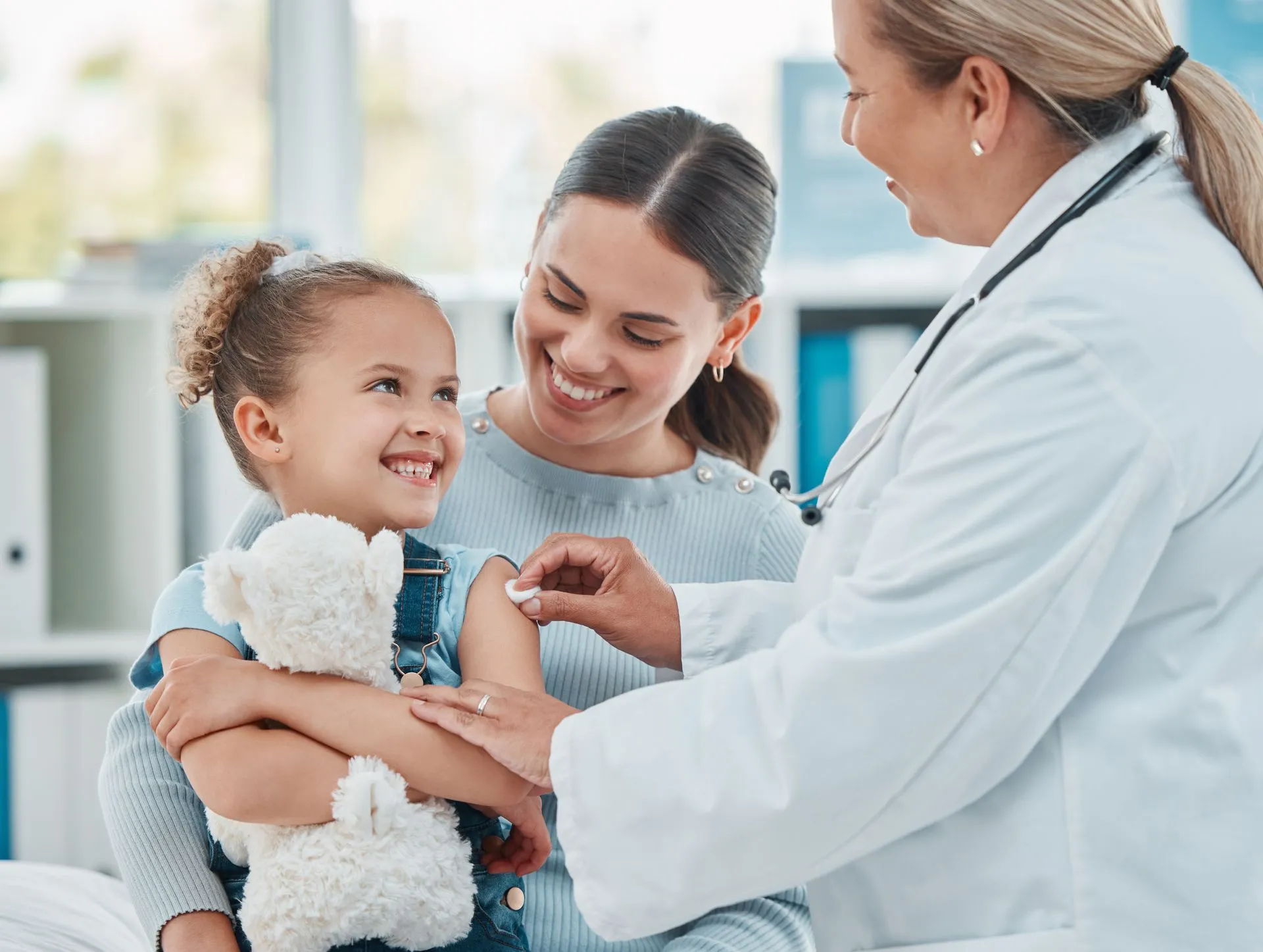
Children’s health requires continuous care, attention, and early intervention to ensure proper growth and development. Instead of waiting for illnesses to occur, preventive healthcare focuses on stopping health problems before they begin. This approach is one of the most effective ways to support lifelong wellness in children.

Understanding Preventive Healthcare for Children helps parents take proactive steps to protect their child’s physical, emotional, and developmental health. From vaccinations and routine checkups to nutrition and hygiene, preventive care plays a vital role in building a strong foundation for a healthy future.

What Is Preventive Healthcare?

Preventive healthcare refers to medical practices and lifestyle measures that aim to prevent diseases, detect health issues early, and promote overall well-being.

In children, preventive healthcare includes:

  • Routine pediatric checkups
  • Vaccinations
  • Growth and development monitoring
  • Nutrition guidance
  • Health screenings
  • Safety education

The goal is to reduce the risk of illness and ensure early detection of potential concerns.

Why Preventive Healthcare Is Important for Children

Children are more vulnerable to infections and developmental changes due to their growing immune systems and rapid physical development.

Preventive care helps:

  • Reduce risk of serious illnesses
  • Support healthy growth and development
  • Detect health issues early
  • Improve long-term health outcomes
  • Lower healthcare costs
  • Promote overall well-being

Early care ensures children develop in a safe and healthy environment.

Role of Vaccinations in Preventive Healthcare

Vaccinations are one of the most important components of Preventive Healthcare for Children. They protect children from many infectious diseases that can cause serious complications.

Vaccines help prevent diseases such as:

  • Measles
  • Polio
  • Hepatitis
  • Whooping cough
  • Diphtheria
  • Tetanus

Benefits of vaccination include:

  • Strong immunity development
  • Reduced risk of outbreaks
  • Protection for vulnerable individuals
  • Long-term disease prevention

Following the recommended immunization schedule is essential for full protection.

Regular Pediatric Checkups

Routine health checkups help monitor a child’s growth, development, and overall health.

During checkups, doctors:

  • Measure height and weight
  • Track developmental milestones
  • Conduct physical examinations
  • Review vaccinations
  • Identify early health concerns

Regular visits ensure timely intervention and continuous health monitoring.

Growth and Development Monitoring

Preventive healthcare includes tracking how a child grows physically, mentally, and emotionally.

Monitoring helps assess:

  • Physical growth patterns
  • Cognitive development
  • Motor skills
  • Social behavior

Early identification of developmental delays allows for timely support and treatment.

Importance of Nutrition in Preventive Care

Proper nutrition is essential for building strong immunity and supporting growth.

A healthy diet for children should include:

  • Fruits and vegetables
  • Whole grains
  • Lean proteins
  • Dairy or calcium-rich foods
  • Healthy fats

Good nutrition helps:

  • Strengthen immunity
  • Support brain development
  • Improve energy levels
  • Promote healthy growth

Preventive healthcare strongly emphasizes balanced eating habits.

Hygiene and Infection Prevention

Teaching children proper hygiene habits is a key part of disease prevention.

Important hygiene practices include:

  • Regular handwashing
  • Brushing teeth twice daily
  • Bathing regularly
  • Keeping nails clean
  • Avoiding contact with sick individuals

Good hygiene helps reduce the spread of infections and supports overall health.

Role of Physical Activity

Physical activity is essential for maintaining a child’s physical and mental well-being.

Benefits include:

  • Strong bones and muscles
  • Healthy weight maintenance
  • Improved immunity
  • Better concentration
  • Reduced stress

Active children are generally healthier and more resilient.

Importance of Early Disease Detection

Preventive healthcare focuses on identifying health issues before they become serious.

Common conditions detected early include:

  • Vision problems
  • Hearing issues
  • Nutritional deficiencies
  • Growth delays
  • Chronic conditions

Early detection allows for timely treatment and better outcomes.

Mental and Emotional Health Support

Preventive healthcare also includes emotional and behavioral well-being.

Children may be assessed for:

  • Anxiety or stress
  • Behavioral changes
  • Social interaction difficulties
  • Learning challenges

Early support helps improve emotional resilience and overall development.

Safety and Injury Prevention

Preventing injuries is an important part of child healthcare.

Safety measures include:

  • Proper use of car seats
  • Safe home environments
  • Supervision during play
  • Road safety education
  • Avoiding hazardous objects

Preventive safety practices reduce the risk of accidents and injuries.

Importance of Sleep in Child Health

Adequate sleep supports growth, brain development, and immune function.

Healthy sleep habits include:

  • Consistent sleep schedule
  • Age-appropriate sleep duration
  • Comfortable sleep environment
  • Limited screen time before bed

Good sleep is essential for overall preventive care.

Parental Role in Preventive Healthcare

Parents play a crucial role in ensuring children receive proper preventive care.

Responsibilities include:

  • Scheduling regular checkups
  • Following vaccination schedules
  • Encouraging healthy habits
  • Monitoring development
  • Seeking medical advice when needed

Parental involvement ensures consistent and effective healthcare.

Benefits of Preventive Healthcare for Children

Preventive healthcare offers long-term advantages, including:

  • Reduced risk of disease
  • Better physical development
  • Improved mental health
  • Stronger immunity
  • Lower healthcare costs
  • Better quality of life

These benefits contribute to lifelong wellness.

When to Consult a Pediatrician

Parents should seek medical advice if a child shows:

  • Delayed development
  • Frequent illness
  • Sudden behavioral changes
  • Poor appetite or growth issues
  • Ongoing health concerns

Timely consultation ensures proper diagnosis and care.

Building a Lifelong Foundation for Health

Preventive healthcare during childhood sets the foundation for lifelong well-being. Healthy habits developed early often continue into adulthood, reducing the risk of chronic diseases later in life.

A strong preventive approach includes:

  • Balanced nutrition
  • Regular physical activity
  • Routine medical care
  • Healthy lifestyle habits
  • Emotional support

Dr. Nikil Sudarsan is a highly experienced Pediatrician in Dubai, dedicated to providing comprehensive healthcare for infants, children, and adolescents. With expertise in Pediatric Neurology, Child Development, Autism, ADHD, Epilepsy, Genetics, and Developmental Disorders, he offers personalized, evidence-based care tailored to each child’s unique needs. Using the latest medical advancements and a family-centered approach, Dr. Nikil Sudarsan focuses on promoting healthy growth, early diagnosis, effective treatment, and long-term well-being, ensuring the best possible outcomes for every child. 

Importance of Regular Pediatric Checkups

Importance of Regular Pediatric Checkups

A child’s health is constantly evolving, especially during the early years of rapid growth and development. Regular medical care plays a crucial role in ensuring that children grow in a healthy and well-monitored environment. One of the most effective ways to support a child’s overall well-being is through routine visits to a pediatrician.

Understanding the Importance of Regular Pediatric Checkups helps parents recognize how preventive healthcare can detect issues early, support healthy development, and ensure timely medical guidance. These routine visits are not only for treating illness but also for monitoring growth, development, nutrition, and overall wellness.

What Are Pediatric Checkups?

Pediatric checkups are routine medical visits where a doctor evaluates a child’s physical, emotional, and developmental health. These visits are scheduled at regular intervals, even when the child is not sick.

During a typical checkup, a pediatrician may:

  • Measure height, weight, and head circumference
  • Monitor growth and development milestones
  • Conduct physical examinations
  • Review vaccination status
  • Discuss nutrition and lifestyle habits
  • Address parental concerns

These checkups help ensure that children are developing appropriately at each stage of life.

Why Regular Pediatric Checkups Are Important

Routine pediatric visits are essential for maintaining long-term health and preventing future complications.

Key benefits include:

  • Early detection of health issues
  • Monitoring growth and development
  • Preventive healthcare guidance
  • Timely vaccinations
  • Nutritional assessment
  • Developmental milestone tracking

Consistent checkups help create a strong foundation for lifelong health.

Early Detection of Health Problems

One of the most important aspects of Importance of regular Pediatric Checkups is the ability to identify potential health concerns early.

Regular screenings can help detect:

  • Vision or hearing issues
  • Developmental delays
  • Nutritional deficiencies
  • Growth abnormalities
  • Chronic health conditions

Early detection allows for timely intervention, which often leads to better outcomes.

Monitoring Growth and Development

Children grow rapidly, especially in the first few years of life. Pediatric checkups help ensure that growth is on track.

Doctors monitor:

  • Height and weight progression
  • Physical development
  • Cognitive milestones
  • Motor skill development

Tracking these factors helps identify whether a child is developing within expected ranges.

Ensuring Timely Vaccinations

Vaccinations are a vital part of preventive healthcare. Pediatric visits ensure that children receive vaccines according to recommended schedules.

Vaccinations help:

  • Protect against serious diseases
  • Strengthen immunity
  • Prevent outbreaks in communities
  • Reduce risk of complications

Regular checkups help maintain accurate vaccination records and timely administration.

Nutritional Guidance and Healthy Growth

Proper nutrition is essential for a child’s development. Pediatricians provide valuable guidance on healthy eating habits based on age and growth needs.

They may help with:

  • Balanced diet recommendations
  • Managing picky eating habits
  • Addressing food allergies
  • Preventing nutritional deficiencies

Good nutrition supports physical growth, brain development, and overall health.

Developmental Milestone Tracking

Children reach different milestones as they grow, such as walking, talking, and social interaction. Pediatric checkups help ensure these milestones are achieved at appropriate stages.

Milestones include:

  • Language development
  • Motor skills
  • Social behavior
  • Cognitive abilities

Monitoring development helps identify early signs of delays that may require support.

Building a Strong Doctor-Parent Relationship

Regular visits help build trust and communication between parents and healthcare providers. This relationship is important for effective child healthcare.

Benefits include:

  • Open communication about concerns
  • Better understanding of child health needs
  • Personalized medical advice
  • Improved healthcare decisions

A strong relationship ensures better long-term care for the child.

Preventive Healthcare and Early Intervention

Pediatric checkups focus not only on treatment but also on prevention. Preventive care helps reduce the risk of illness and long-term health complications.

Preventive measures include:

  • Health screenings
  • Lifestyle guidance
  • Immunizations
  • Early treatment recommendations

Prevention is always more effective than treatment after illness develops.

Addressing Behavioral and Emotional Health

Children’s emotional and behavioral health is just as important as physical health. Pediatricians help identify concerns related to behavior, learning, and emotional development.

They may assess:

  • Attention and focus
  • Emotional regulation
  • Social interaction
  • Behavioral patterns

Early support can improve long-term emotional well-being.

Supporting Parents with Guidance and Education

Raising a child comes with many questions and challenges. Pediatric checkups provide an opportunity for parents to receive expert guidance.

Parents can learn about:

  • Sleep routines
  • Safety practices
  • Nutrition plans
  • Screen time management
  • Developmental expectations

This support helps parents make informed decisions about their child’s care.

Strengthening Immunity Through Routine Care

Regular visits ensure that a child’s immune system is supported through timely vaccinations and health monitoring.

Benefits include:

  • Protection from preventable diseases
  • Improved immune response
  • Reduced infection risks
  • Long-term health protection

A strong immune system is essential for healthy growth.

Creating Healthy Lifestyle Habits Early

Pediatric checkups encourage the development of healthy habits from an early age.

These include:

  • Balanced nutrition
  • Regular physical activity
  • Good sleep habits
  • Hygiene practices

Early lifestyle habits often continue into adulthood, shaping long-term health.

When Should Children Visit a Pediatrician?

In addition to routine scheduled visits, children should see a pediatrician when:

  • They experience frequent illness
  • Growth concerns arise
  • Developmental delays are noticed
  • Behavioral changes occur
  • Parents have health-related concerns

Timely consultation ensures proper care and peace of mind.

Importance of Consistency in Checkups

Consistency is key when it comes to pediatric care. Missing regular appointments may lead to delayed detection of health issues or missed vaccinations.

Regular visits ensure:

  • Continuous health monitoring
  • Updated medical records
  • Timely preventive care
  • Better long-term outcomes

Consistency supports a child’s overall health journey.

Dr. Nikil Sudarsan is a highly experienced Pediatrician in Dubai, dedicated to providing comprehensive healthcare for infants, children, and adolescents. With expertise in Pediatric Neurology, Child Development, Autism, ADHD, Epilepsy, Genetics, and Developmental Disorders, he offers personalized, evidence-based care tailored to each child’s unique needs. Using the latest medical advancements and a family-centered approach, Dr. Nikil Sudarsan focuses on promoting healthy growth, early diagnosis, effective treatment, and long-term well-being, ensuring the best possible outcomes for every child. 
Importance of Physical Activity for Teenagers

Importance of Physical Activity for Teenagers

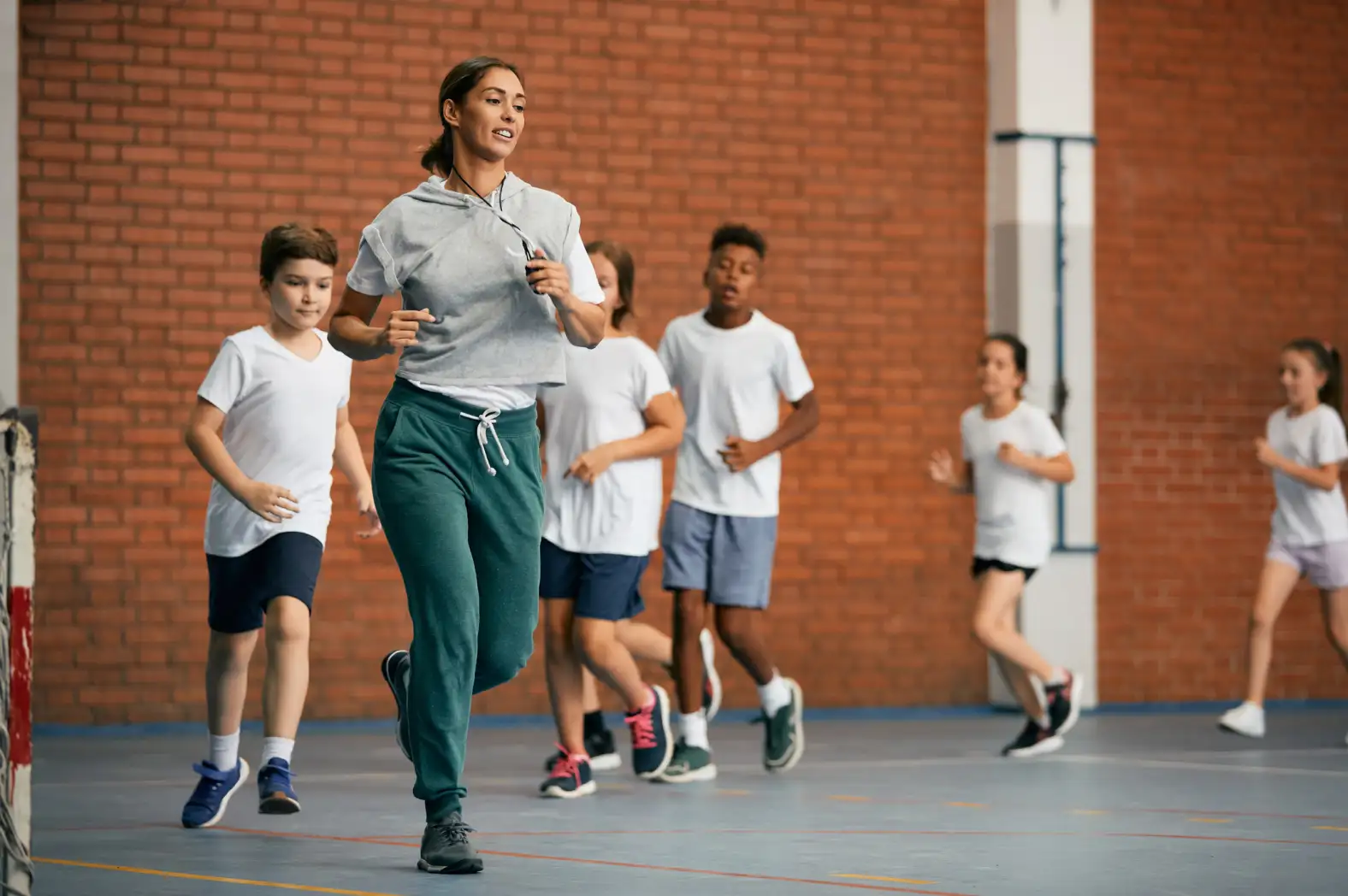
Teenage years are a critical stage of growth and development, marked by rapid physical, emotional, and cognitive changes. During this period, establishing healthy habits can have a long-lasting impact on overall well-being. One of the most important habits teenagers can develop is regular physical activity.

Understanding the Importance of Physical Activity for Teenagers helps highlight how exercise supports not only physical fitness but also mental health, academic performance, and social development. In today’s increasingly digital lifestyle, encouraging teens to stay active is more important than ever.

Why Physical Activity Matters for Teenagers

Physical activity is essential for maintaining a healthy body and mind. It supports growth, improves energy levels, and helps teenagers manage the challenges of adolescence.

Regular exercise helps teenagers:

  • Improve physical fitness
  • Support healthy growth and development
  • Strengthen bones and muscles
  • Maintain a healthy weight
  • Enhance mood and mental health
  • Improve focus and concentration

Active teenagers are more likely to develop healthy habits that continue into adulthood.

Supports Healthy Physical Growth

During adolescence, the body undergoes rapid growth, including increases in height, muscle development, and bone strength. Physical activity plays a key role in supporting this development.

Exercise helps:

  • Strengthen bones through weight-bearing activity
  • Improve muscle development
  • Enhance flexibility and coordination
  • Support healthy posture

Activities such as running, cycling, swimming, and sports help teenagers build a strong physical foundation.

Improves Mental Health and Emotional Well-Being

One of the most significant Importance of Physical Activity for Teenagers is its positive impact on mental health. Exercise helps regulate mood and reduce stress levels.

Regular physical activity can:

  • Reduce anxiety and stress
  • Improve mood and emotional stability
  • Increase self-confidence
  • Help manage symptoms of depression
  • Promote better sleep quality

Exercise stimulates the release of endorphins, often called “feel-good hormones,” which contribute to a positive mental state.

Enhances Academic Performance

Physical activity is closely linked to improved brain function and academic success. Teenagers who stay active often perform better in school.

Benefits include:

  • Improved concentration and memory
  • Better problem-solving skills
  • Increased alertness
  • Enhanced classroom behavior
  • Improved cognitive function

Even short bursts of physical activity can help improve focus during study sessions.

Helps Maintain a Healthy Weight

With changing hormones and lifestyle habits, teenagers may be at risk of weight gain or unhealthy eating patterns. Regular physical activity helps maintain a balanced weight.

Exercise supports:

  • Calorie balance
  • Fat reduction
  • Muscle development
  • Metabolic health

Combined with proper nutrition, physical activity plays a key role in maintaining overall health.

Builds Strong Bones and Muscles

Teenage years are the peak time for building bone density. Physical activity strengthens the musculoskeletal system, reducing the risk of future bone-related issues.

Weight-bearing activities such as:

  • Running
  • Jumping
  • Dancing
  • Team sports

help increase bone strength and muscle endurance.

Encourages Healthy Lifestyle Habits

Active teenagers are more likely to adopt other healthy behaviors that benefit long-term health.

These include:

  • Better eating habits
  • Reduced screen time
  • Improved sleep routines
  • Lower risk of harmful behaviors

Developing these habits early sets the foundation for a healthy adult life.

Boosts Social Interaction and Teamwork

Many physical activities involve group participation, which helps teenagers develop social skills.

Participation in sports or group activities can:

  • Improve communication skills
  • Build teamwork and cooperation
  • Increase self-esteem
  • Create friendships
  • Develop leadership skills

These social benefits contribute to emotional growth and confidence.

Reduces Risk of Chronic Diseases

Regular physical activity during adolescence helps reduce the risk of developing chronic health conditions later in life.

It can help prevent:

  • Obesity
  • Type 2 diabetes
  • Heart disease
  • High blood pressure
  • Metabolic disorders

Healthy habits formed in teenage years often continue into adulthood, reducing long-term health risks.

Improves Sleep Quality

Teenagers often experience irregular sleep patterns, but physical activity can help improve sleep quality and duration.

Exercise helps:

  • Regulate sleep cycles
  • Reduce insomnia
  • Promote deeper sleep
  • Improve overall restfulness

Better sleep also supports mental and physical recovery.

Encourages Discipline and Time Management

Balancing school, activities, and personal time requires structure and discipline. Physical activity teaches teenagers valuable life skills.

It helps them:

  • Manage time effectively
  • Stay consistent with routines
  • Set and achieve goals
  • Develop responsibility

These skills are beneficial in both academic and personal life.

Reduces Stress from Academic and Social Pressure

Teenagers often face pressure from studies, exams, and social expectations. Physical activity serves as a healthy outlet for stress.

It helps:

  • Release tension
  • Clear the mind
  • Improve emotional resilience
  • Provide a break from academic stress

Even short walks or recreational activities can make a significant difference.

Types of Physical Activities for Teenagers

Teenagers can choose from a wide range of activities based on their interests.

Popular options include:

  • Team sports (football, basketball, cricket)
  • Swimming
  • Cycling
  • Dancing
  • Running or jogging
  • Gym workouts (age-appropriate)
  • Outdoor games

Choosing enjoyable activities increases consistency and motivation.

Encouraging Regular Physical Activity

Parents, schools, and communities play an important role in encouraging teenagers to stay active.

Helpful strategies include:

  • Encouraging participation in sports
  • Limiting screen time
  • Providing safe outdoor spaces
  • Supporting school physical education programs
  • Being role models for active living

A supportive environment makes it easier for teens to stay active.

Balancing Activity with Rest

While physical activity is important, rest and recovery are equally essential.

Teenagers should:

  • Get adequate sleep
  • Avoid overtraining
  • Take rest days when needed
  • Listen to their body

Balanced routines help prevent fatigue and injury.

When to Seek Guidance

If teenagers experience pain, fatigue, or health concerns related to physical activity, it is important to consult a healthcare professional.

Medical advice may be needed for:

  • Persistent injuries
  • Extreme fatigue
  • Breathing difficulties during exercise
  • Underlying health conditions

Proper guidance ensures safe participation in physical activities.

Dr. Nikil Sudarsan is a highly experienced Pediatrician in Dubai, dedicated to providing comprehensive healthcare for infants, children, and adolescents. With expertise in Pediatric Neurology, Child Development, Autism, ADHD, Epilepsy, Genetics, and Developmental Disorders, he offers personalized, evidence-based care tailored to each child’s unique needs. Using the latest medical advancements and a family-centered approach, Dr. Nikil Sudarsan focuses on promoting healthy growth, early diagnosis, effective treatment, and long-term well-being, ensuring the best possible outcomes for every child. 
Importance of Childhood Vaccinations

Importance of Childhood Vaccinations

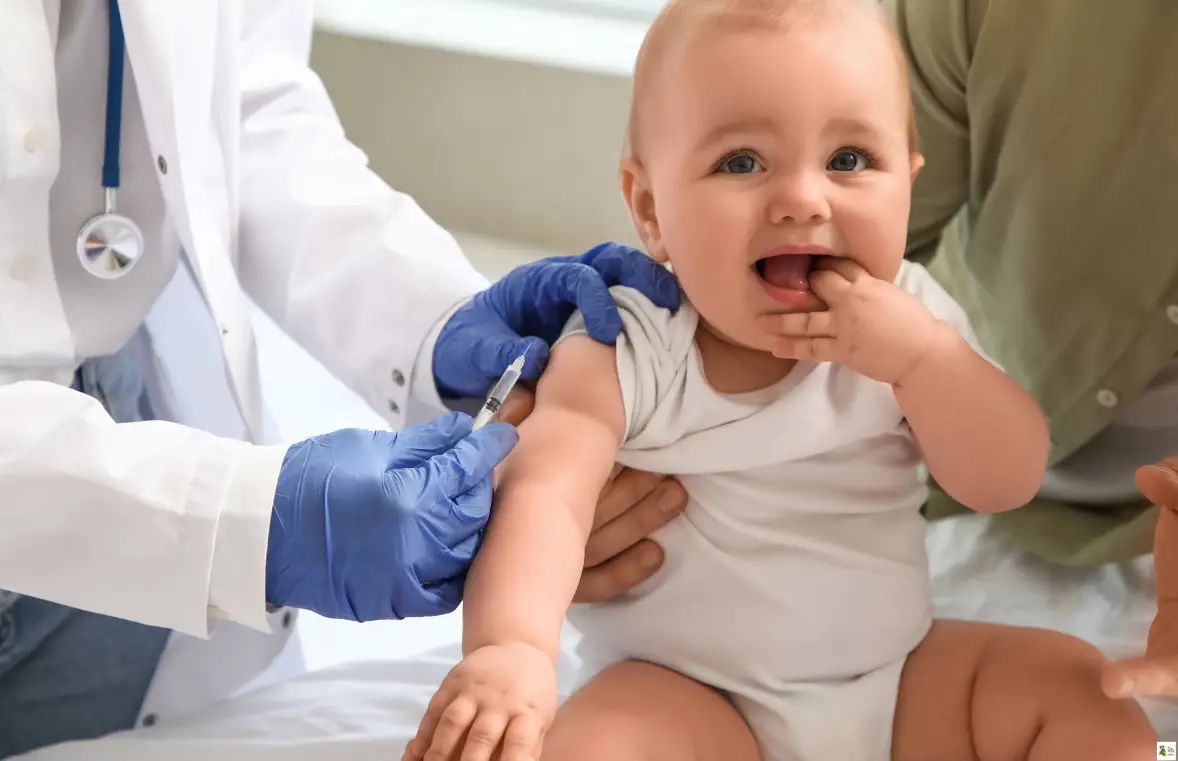
Childhood vaccinations are one of the most effective public health measures ever developed to protect children from serious and potentially life-threatening diseases. Vaccines help the body build immunity against infections before a child is exposed to them, significantly reducing the risk of illness, complications, and long-term health issues.

Understanding the Importance of Childhood Vaccinations is essential for parents, caregivers, and communities. Vaccination not only protects individual children but also helps prevent the spread of diseases within families, schools, and society at large.

What Are Childhood Vaccinations?

Vaccinations are medical preparations that help the immune system recognize and fight specific infections. They contain weakened or inactive parts of a virus or bacteria (or instructions to produce them) that stimulate the body’s natural defense system without causing the disease itself.

Once vaccinated, the immune system develops “memory,” allowing it to respond quickly and effectively if exposed to the real infection in the future.

Why Childhood Vaccinations Are Important

Vaccines play a crucial role in protecting children during their most vulnerable years.

Key benefits include:

  • Protection from serious diseases
  • Reduced risk of complications
  • Prevention of disease outbreaks
  • Stronger community immunity
  • Lower healthcare burden
  • Improved long-term health outcomes

By following recommended vaccination schedules, parents can ensure their children are protected during critical stages of development.

Protection Against Life-Threatening Diseases

One of the most significant aspects of the Importance of Childhood Vaccinations is protection against dangerous diseases that once caused widespread illness and death.

Vaccines help prevent diseases such as:

  • Measles
  • Polio
  • Diphtheria
  • Whooping cough (pertussis)
  • Hepatitis B
  • Tetanus
  • Mumps
  • Rubella

Many of these diseases can lead to severe complications, including long-term disability or death, especially in young children.

Strengthening the Immune System

Children’s immune systems are still developing, making them more vulnerable to infections. Vaccines help strengthen immune responses by training the body to recognize harmful pathogens.

Vaccination helps:

  • Build long-term immunity
  • Improve immune response speed
  • Reduce severity of infections
  • Support healthy immune development

This early protection is crucial for overall health and well-being.

Preventing Disease Outbreaks

Vaccination not only protects individuals but also helps control the spread of infectious diseases in communities.

When a large percentage of the population is vaccinated, it creates “herd immunity,” which:

  • Reduces disease transmission
  • Protects vulnerable individuals
  • Prevents outbreaks in schools and communities
  • Limits the spread of contagious illnesses

This is especially important for children who cannot be vaccinated due to medical reasons.

Protecting Newborns and Vulnerable Individuals

Infants, elderly individuals, and people with weakened immune systems are more susceptible to infections. Childhood vaccinations help reduce the spread of diseases, indirectly protecting these vulnerable groups.

Vaccination contributes to:

  • Community-wide protection
  • Reduced infection risk for infants
  • Safer environments in schools and public spaces

This shared protection is a key benefit of widespread immunization.

Preventing Long-Term Complications

Some childhood diseases can cause serious long-term health issues if not prevented through vaccination.

Potential complications may include:

  • Brain damage
  • Hearing loss
  • Respiratory problems
  • Organ damage
  • Chronic health conditions

Vaccines help prevent these outcomes by stopping infections before they occur.

Reducing Healthcare Costs and Burden

Preventing disease through vaccination is far more cost-effective than treating illnesses after they occur.

Benefits include:

  • Fewer hospital visits
  • Reduced medical expenses
  • Lower burden on healthcare systems
  • Less need for emergency care

Vaccination helps families and healthcare systems manage resources more efficiently.

Supporting Healthy Growth and Development

Healthy children are better able to grow, learn, and develop properly. Illnesses during early childhood can interfere with nutrition, schooling, and overall development.

Vaccinations support:

  • Consistent school attendance
  • Better physical development
  • Improved cognitive growth
  • Reduced risk of illness-related setbacks

This helps children reach their full developmental potential.

Following the Recommended Vaccination Schedule

Health authorities provide vaccination schedules designed to protect children at the right age and time.

A typical schedule ensures:

  • Early protection in infancy
  • Timely booster doses
  • Long-term immunity maintenance
  • Continuous protection during growth stages

Following the schedule is essential for maximum effectiveness.

Safety of Childhood Vaccines

Vaccines undergo extensive testing and monitoring before approval to ensure safety and effectiveness.

Common side effects are usually mild and temporary, such as:

  • Low-grade fever
  • Soreness at injection site
  • Mild fatigue

Serious side effects are extremely rare, and the benefits of vaccination far outweigh the risks.

Addressing Common Concerns

Parents may have concerns or questions about vaccinations, which is natural. However, reliable medical evidence consistently supports vaccine safety and effectiveness.

Important facts include:

  • Vaccines do not cause the diseases they prevent
  • They are carefully tested before approval
  • They are continuously monitored for safety
  • They are essential for public health protection

Consulting qualified healthcare professionals can help address specific concerns.

The Role of Parents and Caregivers

Parents play a critical role in ensuring children receive timely vaccinations.

Responsibilities include:

  • Following immunization schedules
  • Keeping vaccination records updated
  • Consulting healthcare providers
  • Ensuring regular pediatric visits

Informed decisions help protect children’s health and future well-being.

Global Impact of Childhood Vaccinations

Vaccines have significantly reduced the prevalence of many once-common diseases worldwide. In some cases, vaccination efforts have led to the near elimination of certain infections in many regions.

Global benefits include:

  • Reduced child mortality rates
  • Improved life expectancy
  • Control of infectious diseases
  • Stronger public health systems

Vaccination programs remain a cornerstone of global health initiatives.

Dr. Nikil Sudarsan is a highly experienced Pediatrician in Dubai, dedicated to providing comprehensive healthcare for infants, children, and adolescents. With expertise in Pediatric Neurology, Child Development, Autism, ADHD, Epilepsy, Genetics, and Developmental Disorders, he offers personalized, evidence-based care tailored to each child’s unique needs. Using the latest medical advancements and a family-centered approach, Dr. Nikil Sudarsan focuses on promoting healthy growth, early diagnosis, effective treatment, and long-term well-being, ensuring the best possible outcomes for every child. 

Why Nutrition Matters for Active Children

Why Nutrition Matters for Active Children

Physical activity increases the body’s demand for nutrients and energy. Children who regularly participate in sports or active play need adequate nutrition to support growth, muscle function, recovery, and overall performance.

Proper nutrition helps:

  • Maintain energy levels
  • Support healthy growth and development
  • Strengthen bones and muscles
  • Improve concentration and focus
  • Support recovery after physical activity
  • Promote overall health and wellness

A balanced diet provides the essential nutrients children need to stay active and healthy.

Focus on Balanced Meals

One of the most important Nutrition Tips for Active Children is ensuring that meals contain a balance of key nutrients.

A healthy meal should include:

  • Fruits and vegetables
  • Whole grains
  • Lean proteins
  • Healthy fats
  • Dairy or calcium-rich alternatives

Balanced meals provide sustained energy and support healthy growth.

Prioritize Complex Carbohydrates

Carbohydrates are the body’s primary source of energy, especially for active children.

Healthy carbohydrate sources include:

  • Whole-grain bread
  • Brown rice
  • Oats
  • Whole-grain pasta
  • Sweet potatoes
  • Fruits

These foods provide lasting energy and help children stay active throughout the day.

Include Protein for Growth and Recovery

Protein plays a crucial role in building and repairing tissues, supporting muscle development, and promoting growth.

Good protein sources include:

  • Lean poultry
  • Fish
  • Eggs
  • Beans
  • Lentils
  • Yogurt
  • Milk
  • Nuts and seeds

Including protein in meals and snacks can help support recovery after physical activity.

Don’t Forget Healthy Fats

Healthy fats are important for growth, brain development, and energy production.

Nutritious fat sources include:

  • Avocados
  • Nuts
  • Seeds
  • Olive oil
  • Fatty fish

Healthy fats should be included as part of a balanced diet while maintaining appropriate portion sizes.

Encourage Regular Hydration

Hydration is essential for active children. Water helps regulate body temperature, transport nutrients, and support physical performance.

Tips for staying hydrated include:

  • Drinking water throughout the day
  • Encouraging water before, during, and after activity
  • Offering water with meals
  • Increasing fluid intake during hot weather

Children should be encouraged to drink water regularly, even before they feel thirsty.

Start the Day with a Nutritious Breakfast

Breakfast provides the energy needed to begin the day and supports concentration and physical performance.

Healthy breakfast ideas include:

  • Oatmeal with fruit
  • Whole-grain toast and eggs
  • Yogurt with berries
  • Smoothies made with nutritious ingredients
  • Whole-grain cereal with milk

A balanced breakfast helps active children stay energized throughout the morning.

Choose Healthy Snacks

Active children often benefit from nutritious snacks between meals.

Healthy snack options include:

  • Fresh fruit
  • Yogurt
  • Cheese
  • Whole-grain crackers
  • Nuts (age-appropriate)
  • Vegetable sticks with healthy dips

Nutritious snacks can help maintain energy levels and prevent excessive hunger.

Nutrition Before Physical Activity

Eating before physical activity helps provide energy for movement and performance.

Pre-activity meals or snacks should:

  • Be easy to digest
  • Include healthy carbohydrates
  • Provide moderate protein
  • Be consumed with enough time before activity

Examples include fruit with yogurt, whole-grain toast, or oatmeal.

Nutrition After Physical Activity

After exercise or sports, children benefit from meals or snacks that support recovery and replenish energy stores.

Post-activity nutrition may include:

  • Protein-rich foods
  • Healthy carbohydrates
  • Water for hydration
  • Balanced meals

Examples include yogurt with fruit, a sandwich on whole-grain bread, or a balanced family meal.

Encourage Fruits and Vegetables

Fruits and vegetables provide important vitamins, minerals, antioxidants, and fiber that support overall health.

Benefits include:

  • Immune system support
  • Healthy digestion
  • Improved recovery
  • Nutrient-rich energy sources

Aim to include a variety of colorful fruits and vegetables throughout the day.

Support Strong Bones with Calcium and Vitamin D

Active children place regular demands on their bones through movement and exercise.

Nutrients important for bone health include:

  • Calcium
  • Vitamin D
  • Magnesium

Sources may include:

  • Milk
  • Yogurt
  • Cheese
  • Fortified foods
  • Leafy green vegetables

Strong bones are essential for healthy growth and physical activity.

Limit Highly Processed Foods

While occasional treats are part of a balanced lifestyle, highly processed foods should not replace nutrient-dense options.

Limiting excessive amounts of:

  • Sugary snacks
  • Sweetened beverages
  • Highly processed foods

can help support better overall nutrition and sustained energy levels.

Create Healthy Family Eating Habits

Children often learn eating habits from their families.

Parents can encourage healthy choices by:

  • Eating balanced meals together
  • Offering nutritious food options
  • Being positive role models
  • Encouraging variety in the diet
  • Maintaining regular meal schedules

Healthy habits established during childhood can continue into adulthood.

Recognize Individual Nutritional Needs

Every child has different nutritional requirements based on factors such as:

  • Age
  • Growth stage
  • Activity level
  • Health status
  • Personal preferences

Parents should focus on providing a variety of nutrient-rich foods while supporting healthy eating behaviors.

Supporting Active Lifestyles Beyond Nutrition

Nutrition is just one part of supporting active children. Overall wellness also includes:

  • Adequate sleep
  • Regular physical activity
  • Proper hydration
  • Stress management
  • Routine healthcare visits

A comprehensive approach helps children thrive physically and emotionally.

When to Seek Professional Guidance

Parents who have concerns about their child’s growth, nutrition, or sports-related dietary needs should consult a healthcare professional or registered dietitian.

Professional guidance may be helpful for:

  • Picky eating habits
  • Growth concerns
  • Food allergies
  • Dietary restrictions
  • Competitive sports participation

Personalized recommendations can help ensure children receive the nutrients they need for healthy development.

Dr. Nikil Sudarsan is a highly experienced Pediatrician in Dubai, dedicated to providing comprehensive healthcare for infants, children, and adolescents. With expertise in Pediatric Neurology, Child Development, Autism, ADHD, Epilepsy, Genetics, and Developmental Disorders, he offers personalized, evidence-based care tailored to each child’s unique needs. Using the latest medical advancements and a family-centered approach, Dr. Nikil Sudarsan focuses on promoting healthy growth, early diagnosis, effective treatment, and long-term well-being, ensuring the best possible outcomes for every child.