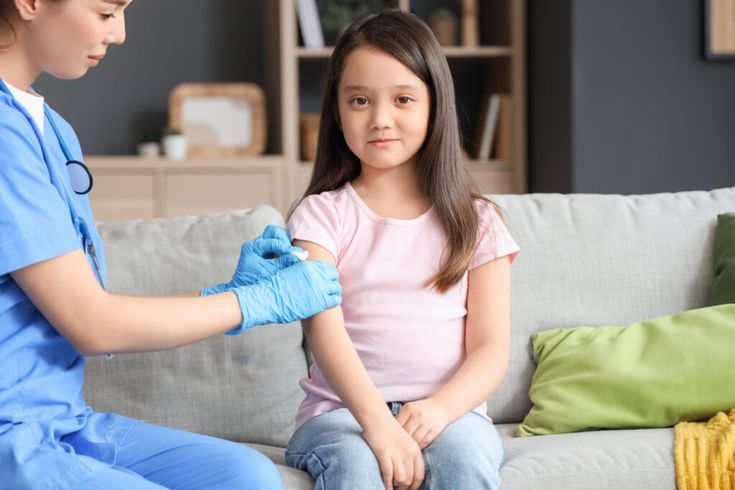
Children are naturally active and curious, which means minor injuries, sudden illnesses, and unexpected health situations can sometimes occur. While many childhood emergencies are manageable with proper preparation, knowing how to respond quickly and calmly can make a significant difference in protecting a child’s health and safety.
Understanding How to Handle Common Childhood Emergencies helps parents and caregivers recognize urgent situations, provide appropriate first aid, and know when professional medical attention is needed. Being prepared allows adults to respond confidently while ensuring children receive timely care.
The Importance of Staying Calm During Emergencies
A child’s reaction during an emergency is often influenced by the response of the adults around them. Remaining calm helps create a sense of safety and allows parents or caregivers to think clearly.
Before responding:
- Assess the situation carefully
- Keep the child comfortable
- Check for immediate dangers
- Provide reassurance
- Seek medical help when necessary
A calm approach helps prevent panic and supports better decision-making.
Common Childhood Cuts and Scrapes
Minor cuts and scrapes are among the most frequent childhood injuries. They often occur during play, sports, or daily activities.
Basic care includes:
- Washing hands before providing care
- Cleaning the wound gently with clean water
- Removing visible dirt if possible
- Applying appropriate protection to keep the area clean
Monitor the injury for signs of infection, such as increasing redness, swelling, warmth, pain, or discharge. Medical advice may be needed if the wound is deep, heavily bleeding, or caused by a dirty object.
Managing Burns
Children may experience burns from hot liquids, surfaces, appliances, or flames. Quick and appropriate action can help reduce damage.
For minor burns:
- Cool the affected area with running water
- Avoid applying harmful home remedies
- Keep the area clean and protected
Seek professional medical care for severe burns, large affected areas, burns on sensitive body parts, or injuries involving chemicals or electricity.
Handling Fever in Children
Fever is a common sign that the body is responding to an infection. While mild fevers are often manageable, parents should monitor the child’s condition carefully.
Helpful steps include:
- Encouraging fluids
- Ensuring comfortable clothing
- Allowing adequate rest
- Monitoring temperature changes
Medical advice should be considered if fever is persistent, unusually high, associated with concerning symptoms, or occurs in very young children.
Responding to Choking
Choking occurs when an object blocks a child’s airway and can become life-threatening. Recognizing the signs quickly is important.
Warning signs may include:
- Difficulty breathing
- Inability to speak or cry
- Weak coughing
- Holding the throat
- Sudden distress
If a child is choking, immediate emergency response is essential. Parents and caregivers should learn age-appropriate first aid techniques to respond effectively.
Dealing with Allergic Reactions
Some children may experience allergic reactions to foods, insect bites, medications, or environmental triggers. Symptoms can range from mild skin reactions to serious breathing difficulties.
Possible signs include:
- Skin redness or itching
- Swelling
- Difficulty breathing
- Dizziness
- Sudden weakness
Severe allergic reactions require urgent medical attention. Families of children with known allergies should follow their healthcare provider’s emergency plan.
Managing Nosebleeds
Nosebleeds are common in children and may occur due to dry air, minor injuries, nose picking, or irritation.
To help manage a nosebleed:
- Keep the child calm
- Have them sit upright
- Encourage gentle forward leaning
- Apply gentle pressure as advised
Medical evaluation may be needed if bleeding is heavy, frequent, or difficult to control.
Handling Falls and Head Injuries
Children often experience falls while playing or exploring. Many minor falls do not cause serious problems, but head injuries should always be monitored carefully.
After a fall, observe for warning signs such as:
- Loss of consciousness
- Persistent vomiting
- Unusual sleepiness
- Confusion
- Severe headache
- Changes in behavior
Seek medical attention if concerning symptoms appear.
Responding to Poisoning or Accidental Ingestion
Children may accidentally swallow medications, cleaning products, chemicals, or other harmful substances. Immediate action is important.
Parents should:
- Move harmful substances away from children
- Avoid giving treatments unless advised by professionals
- Seek urgent medical guidance
Keeping medicines and household chemicals stored safely reduces the risk of accidental poisoning.
Managing Sprains and Strains
Active children may experience injuries involving muscles, joints, or ligaments. Signs may include pain, swelling, and difficulty moving the affected area.
Initial care may involve:
- Resting the injured area
- Protecting it from further injury
- Applying appropriate cold therapy when suitable
- Monitoring symptoms
Professional evaluation may be necessary if pain is severe or movement is significantly limited.
Recognizing When Emergency Care Is Needed
Some situations require immediate medical attention. Seek emergency help if a child experiences:
- Difficulty breathing
- Severe bleeding
- Loss of consciousness
- Seizures
- Serious allergic reactions
- Severe injuries
- Sudden changes in awareness or behavior
Quick action during serious emergencies can protect a child’s health and safety.
Preparing a Child Emergency Kit
Every home should have basic supplies available for common childhood situations. A child emergency kit may include:
- Bandages and wound care supplies
- Digital thermometer
- Antiseptic products
- Emergency contact information
- Child-specific healthcare items recommended by professionals
Keeping supplies organized allows faster response when needed.
Teaching Children About Safety
Prevention is an important part of managing emergencies. Parents can teach children simple safety habits, such as:
- Avoiding dangerous objects
- Following safety rules during play
- Learning how to ask for help
- Understanding basic emergency awareness
Safety education helps children make better decisions as they grow.
The Importance of Regular Health Care
Routine health check-ups help monitor a child’s growth, development, and overall health. Regular medical guidance also allows parents to discuss safety concerns, allergies, vaccinations, and emergency preparation.
Building a relationship with healthcare professionals ensures parents have reliable support when concerns arise.
Dr. Nikil Sudarsan is a highly experienced Pediatrician in Dubai, dedicated to providing comprehensive healthcare for infants, children, and adolescents. With expertise in Pediatric Neurology, Child Development, Autism, ADHD, Epilepsy, Genetics, and Developmental Disorders, he offers personalized, evidence-based care tailored to each child’s unique needs. Using the latest medical advancements and a family-centered approach, Dr. Nikil Sudarsan focuses on promoting healthy growth, early diagnosis, effective treatment, and long-term well-being, ensuring the best possible outcomes for every child.