
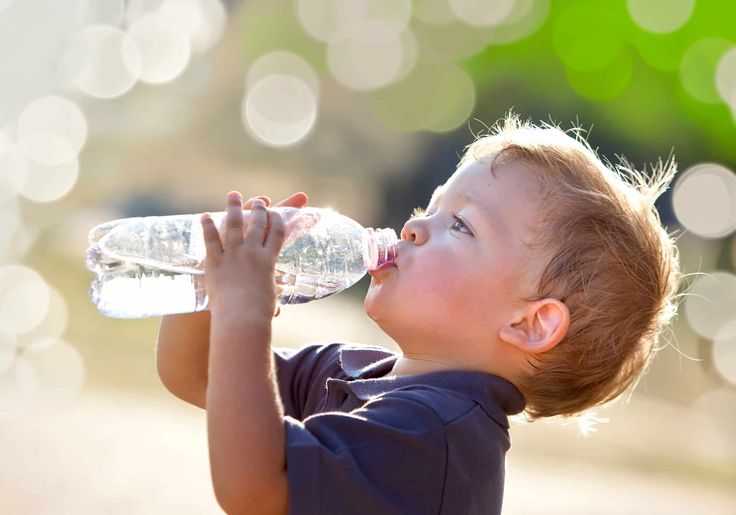
Water is essential for every child’s growth, development, and everyday well-being. A child’s body depends on adequate fluids to regulate temperature, support digestion, transport nutrients, maintain normal circulation, and perform many other important functions. Children may not always recognize when they are thirsty, particularly when they are busy playing or participating in activities.
Understanding the Importance of Hydration in Children can help parents and caregivers develop healthy drinking habits and recognize situations where children may need additional fluids.
Why Children Need Enough Fluids
Water is involved in many processes throughout the body. It helps regulate body temperature, supports normal blood circulation, assists digestion, and helps the body remove waste.
Children may lose fluids through urination, sweating, breathing, and other normal processes. Fluid requirements can increase during hot weather, physical activity, illness, or other circumstances.
Providing regular access to suitable fluids can help children maintain normal hydration throughout the day.
Hydration and Physical Activity
Active children lose more fluid through sweating, particularly during sports, outdoor play, and exercise.
If children do not replace lost fluids, they may become dehydrated. Dehydration can affect comfort and physical performance and, when significant, can become a serious health concern.
Parents and caregivers should encourage children to drink water before, during, and after prolonged or vigorous physical activity.
The amount needed can vary depending on the child’s age, activity level, weather, and individual needs.
Hydration During Hot Weather
Children can be more vulnerable to overheating during hot weather, especially when playing outdoors for extended periods.
High temperatures can increase fluid loss through sweating.
During hot days, children should have frequent opportunities to drink water and take breaks in shaded or cool environments.
Lightweight clothing and appropriate sun protection can also support safe outdoor activity.
Signs of Dehydration
Parents and caregivers should understand common signs that a child may not be getting enough fluids.
Possible signs include:
- Increased thirst
- Dry mouth or lips
- Reduced urination
- Darker-than-usual urine
- Tiredness
- Headache
- Dizziness
- Reduced energy
- Irritability
More severe dehydration can cause significant weakness, confusion, fainting, or other concerning symptoms and requires prompt medical attention.
Water as an Everyday Choice
For most children, water is a simple and suitable everyday beverage.
Water provides hydration without added sugar or unnecessary calories. Encouraging children to drink water regularly can also help reduce their reliance on sweetened beverages.
Parents can make water more accessible by keeping a bottle available at home, school, and during activities.
Milk and Other Beverages
Milk and suitable fortified alternatives can provide important nutrients such as calcium and, depending on the product, vitamin D and protein.
However, beverage choices should be appropriate for the child’s age and dietary needs.
Sweetened drinks, including soft drinks and heavily sweetened juices, should generally be limited because frequent sugar exposure can contribute to tooth decay and may displace more nutritious choices.
Hydration and Oral Health
Adequate hydration supports saliva production. Saliva helps protect teeth by washing away food particles, neutralizing acids, and supporting the natural protective environment of the mouth.
When a child becomes dehydrated, reduced saliva flow may contribute to a dry mouth.
Choosing water instead of sugary drinks can provide hydration while reducing frequent exposure of the teeth to sugar.
Good hydration should be combined with regular brushing, fluoride toothpaste, and appropriate dental care.
Hydration During Illness
Children may lose additional fluids during illnesses involving fever, vomiting, or diarrhea.
Maintaining hydration can become particularly important in these situations.
Parents should follow medical advice regarding fluid intake, especially when a child is unable to keep fluids down or shows signs of dehydration.
In cases of significant vomiting, diarrhea, unusual sleepiness, reduced urination, or other concerning symptoms, medical attention may be necessary.
Encourage Drinking Without Excessive Pressure
Children may sometimes forget to drink water because they are focused on playing, studying, or other activities.
Parents can establish simple routines by offering water with meals, before outdoor activities, after physical activity, and at regular intervals throughout the day.
A colorful reusable bottle or a cup that the child enjoys using may also make drinking water more appealing.
Create Healthy Hydration Habits Early
Hydration habits developed during childhood can continue into later life.
Parents can encourage children to recognize thirst and make water a normal part of their daily routine.
Adults can reinforce these habits by drinking water themselves and keeping healthy beverages readily available.
Hydration and School
Children spend a significant portion of their day at school, so access to safe drinking water is important.
Parents can provide a clean, appropriately sized water bottle if permitted by the school.
Teachers and caregivers can also encourage children to drink during breaks, especially during warm weather or physical education activities.
Hydration and Sleep
Good hydration is important throughout the day, but drinking excessive amounts immediately before bedtime may interfere with sleep because of nighttime bathroom visits.
Encouraging regular fluid intake during the day can help children meet their hydration needs without relying heavily on drinks close to bedtime.
Individual Hydration Needs
There is no single amount of water that is appropriate for every child. Fluid requirements depend on age, body size, activity level, climate, diet, and health status.
Children with certain medical conditions may have specific fluid requirements or restrictions.
Parents should follow guidance from a pediatrician or other qualified healthcare professional when a child has special health needs.
When to Seek Medical Advice
If a child shows signs of significant dehydration, professional medical attention should be sought promptly.
Concerning symptoms may include very little or no urination, extreme weakness, confusion, fainting, inability to keep fluids down, or significant changes in alertness.
Young children and infants can become dehydrated more quickly, so unusual symptoms should be taken seriously.
Dr. Nikil Sudarsan is a highly experienced Pediatrician in Dubai, dedicated to providing comprehensive healthcare for infants, children, and adolescents. With expertise in Pediatric Neurology, Child Development, Autism, ADHD, Epilepsy, Genetics, and Developmental Disorders, he offers personalized, evidence-based care tailored to each child’s unique needs. Using the latest medical advancements and a family-centered approach, Dr. Nikil Sudarsan focuses on promoting healthy growth, early diagnosis, effective treatment, and long-term well-being, ensuring the best possible outcomes for every child.