
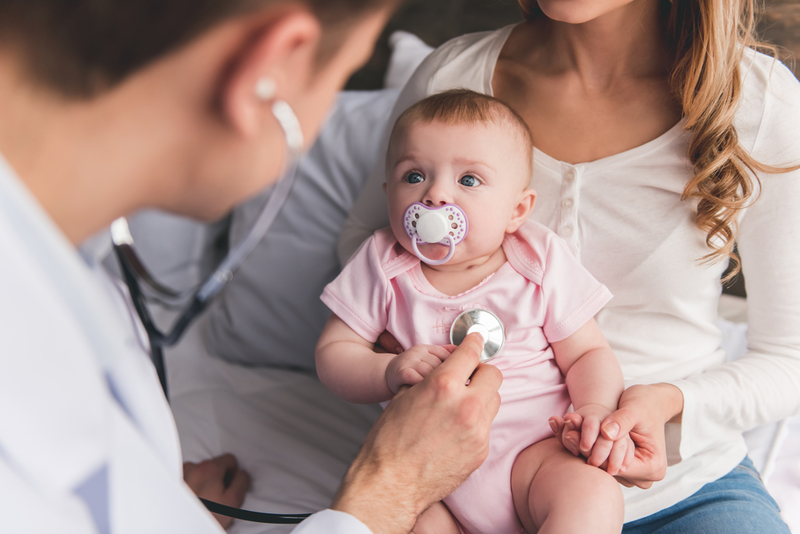
Why Preventive Pediatric Care Is Essential for Children’s Health

The Importance of Preventive Pediatric Care

Children experience rapid physical, emotional, and cognitive growth throughout their early years. Ensuring they receive the right healthcare during this critical period is essential for supporting healthy development and preventing future health problems. This is where preventive pediatric care plays a vital role.

Understanding The Importance of Preventive Pediatric Care helps parents recognize the value of regular checkups, vaccinations, screenings, and healthy lifestyle guidance. Rather than focusing solely on treating illnesses, preventive care aims to keep children healthy, identify potential concerns early, and promote lifelong well-being.

What Is Preventive Pediatric Care?

Preventive pediatric care refers to healthcare services designed to monitor, protect, and improve a child’s health before illnesses or developmental issues arise. These services focus on prevention, early detection, and health education.

Preventive pediatric care typically includes:

  • Routine wellness visits
  • Growth and development monitoring
  • Immunizations
  • Health screenings
  • Nutritional guidance
  • Behavioral assessments
  • Parent education

By addressing health concerns early, pediatricians can help children achieve optimal growth and development.

Why Preventive Care Matters for Children

Children’s healthcare needs change rapidly as they grow. Regular preventive visits allow healthcare providers to track these changes and ensure that development is progressing appropriately.

Preventive care helps:

  • Detect health issues early
  • Monitor physical growth
  • Assess developmental milestones
  • Prevent serious illnesses
  • Support emotional well-being
  • Promote healthy habits

Early intervention often leads to better health outcomes and can reduce the need for more extensive treatments later.

Monitoring Growth and Development

One of the primary goals of preventive pediatric care is tracking a child’s growth and developmental progress.

During routine visits, healthcare providers assess:

  • Height and weight
  • Head circumference in infants
  • Motor skills
  • Speech and language development
  • Social and emotional milestones

Monitoring these indicators helps identify any delays or concerns that may benefit from additional support or intervention.

The Role of Vaccinations

Vaccinations are one of the most important components of preventive pediatric care.

Immunizations protect children from serious and potentially life-threatening diseases such as:

  • Measles
  • Mumps
  • Rubella
  • Polio
  • Whooping cough
  • Hepatitis
  • Influenza

Vaccines not only protect individual children but also help reduce the spread of infectious diseases within communities.

Following the recommended vaccination schedule is an essential part of maintaining children’s health.

Early Detection of Health Conditions

Many childhood health conditions can be managed more effectively when detected early.

Routine preventive visits often include screenings for:

  • Vision problems
  • Hearing difficulties
  • Anemia
  • Developmental disorders
  • Behavioral concerns
  • Growth abnormalities

Early diagnosis allows healthcare providers to begin treatment promptly, improving long-term outcomes.

Supporting Healthy Nutrition

Nutrition plays a significant role in a child’s growth and overall health.

Pediatricians often provide guidance on:

  • Age-appropriate nutrition
  • Healthy eating habits
  • Breastfeeding and infant feeding
  • Managing picky eating
  • Maintaining healthy weight

Nutritional counseling helps parents make informed decisions that support healthy development.

Promoting Physical Activity

Regular physical activity is important for children’s physical and mental well-being.

Preventive pediatric care encourages:

  • Active play
  • Participation in sports
  • Limiting sedentary behavior
  • Reducing excessive screen time

Healthy activity habits established during childhood often continue into adulthood.

Addressing Behavioral and Emotional Health

Children’s emotional and mental health is just as important as their physical health.

Preventive care visits provide opportunities to discuss:

  • Social development
  • Emotional well-being
  • School performance
  • Behavioral challenges
  • Sleep habits

Pediatricians can identify concerns early and provide guidance or referrals when needed.

Building Healthy Habits for Life

Preventive pediatric care helps families establish healthy routines that can benefit children throughout their lives.

Topics often discussed include:

  • Oral hygiene
  • Handwashing
  • Sleep routines
  • Injury prevention
  • Healthy eating
  • Physical activity

Teaching these habits early promotes long-term wellness and disease prevention.

Strengthening Parent-Provider Relationships

Regular preventive visits allow families to build trusting relationships with their child’s healthcare provider.

These ongoing relationships offer opportunities to:

  • Ask questions
  • Discuss concerns
  • Receive personalized guidance
  • Monitor health over time

Parents often feel more confident when they have a trusted healthcare professional to support their child’s development.

Preventing Childhood Illnesses and Injuries

Preventive care extends beyond vaccinations and screenings.

Pediatricians also educate families about:

  • Safety measures
  • Injury prevention
  • Proper car seat use
  • Water safety
  • Safe sleep practices
  • Illness prevention strategies

This guidance helps reduce avoidable risks and supports safer environments for children.

Supporting School Readiness

Healthy children are often better prepared for learning and social interaction.

Preventive pediatric care helps ensure that children enter school with:

  • Appropriate developmental skills
  • Good physical health
  • Proper vision and hearing
  • Healthy social development

Addressing concerns before school entry can support academic success and confidence.

Long-Term Benefits of Preventive Pediatric Care

The benefits of preventive care extend far beyond childhood.

Children who receive regular preventive healthcare may experience:

  • Better overall health
  • Earlier diagnosis of medical conditions
  • Improved developmental outcomes
  • Reduced healthcare costs
  • Healthier lifestyle habits
  • Enhanced quality of life

Investing in preventive care during childhood helps establish a strong foundation for lifelong health.

How Often Should Children Have Preventive Visits?

Healthcare providers typically recommend regular wellness visits throughout childhood.

These visits are often more frequent during infancy and early childhood because growth and development occur rapidly during these years.

The exact schedule may vary based on age, health status, and individual needs. Parents should follow their pediatrician’s recommendations regarding routine checkups.

Tips for Parents

To make the most of preventive pediatric care:

  • Attend all scheduled wellness visits
  • Keep immunizations up to date
  • Track developmental milestones
  • Discuss any concerns openly
  • Encourage healthy habits at home
  • Follow healthcare provider recommendations

Active parental involvement plays an important role in supporting children’s health.

Dr. Nikil Sudarsan is a highly experienced Pediatrician in Dubai, dedicated to providing comprehensive healthcare for infants, children, and adolescents. With expertise in Pediatric Neurology, Child Development, Autism, ADHD, Epilepsy, Genetics, and Developmental Disorders, he offers personalized, evidence-based care tailored to each child’s unique needs. Using the latest medical advancements and a family-centered approach, Dr. Nikil Sudarsan focuses on promoting healthy growth, early diagnosis, effective treatment, and long-term well-being, ensuring the best possible outcomes for every child. 

Common Childhood Illnesses Every Parent Should Know

Children are naturally curious, active, and constantly exploring the world around them. As their immune systems continue to develop, they are more susceptible to various illnesses, especially during infancy and early childhood. While many childhood illnesses are mild and resolve with proper care, understanding their symptoms and knowing when to seek medical attention can help parents respond confidently and effectively.

This guide on Common Childhood Illnesses Every Parent Should Know provides valuable information about some of the most frequently encountered health conditions in children, along with prevention and care tips.

Why Children Get Sick Frequently

Children are exposed to numerous germs through school, daycare, playgrounds, and social interactions. Their immune systems are still learning how to recognize and fight infections, making them more vulnerable to illnesses.

Common factors that contribute to childhood illnesses include:

  • Developing immune systems
  • Close contact with other children
  • Exposure to viruses and bacteria
  • Seasonal changes
  • Incomplete hygiene habits

Frequent minor illnesses are often a normal part of childhood development.

Common Cold

The common cold is one of the most frequent childhood illnesses.

Symptoms

  • Runny or stuffy nose
  • Sneezing
  • Mild cough
  • Sore throat
  • Low-grade fever
  • Fatigue

Causes

Colds are caused by various viruses that spread through respiratory droplets and contaminated surfaces.

Prevention

  • Encourage regular handwashing
  • Teach children to cover coughs and sneezes
  • Avoid close contact with sick individuals

Most colds improve within one to two weeks with rest, fluids, and supportive care.

Influenza (Flu)

The flu is more severe than the common cold and can affect children of all ages.

Symptoms

  • High fever
  • Chills
  • Body aches
  • Fatigue
  • Headache
  • Cough
  • Sore throat

Prevention

Annual flu vaccination is one of the most effective ways to reduce the risk of influenza.

Good hygiene practices and avoiding exposure to infected individuals also help prevent transmission.

Ear Infections

Ear infections are especially common in infants and young children.

Symptoms

  • Ear pain
  • Tugging or pulling at the ears
  • Irritability
  • Fever
  • Difficulty sleeping
  • Temporary hearing difficulties

Causes

Ear infections often develop following colds or upper respiratory infections.

When to Seek Care

Consult a healthcare provider if symptoms are severe, persistent, or accompanied by high fever.

Stomach Flu (Gastroenteritis)

Gastroenteritis is an infection that affects the stomach and intestines.

Symptoms

  • Diarrhea
  • Vomiting
  • Abdominal cramps
  • Fever
  • Dehydration

Prevention

  • Frequent handwashing
  • Proper food handling
  • Avoiding contaminated food and water

Ensuring adequate hydration is essential during recovery.

Hand, Foot, and Mouth Disease

Hand, Foot, and Mouth Disease is a common viral illness among young children.

Symptoms

  • Fever
  • Sore throat
  • Painful mouth sores
  • Rash on hands and feet
  • Reduced appetite

Causes

The illness is caused by viruses that spread through close contact and respiratory droplets.

Prevention

Good hygiene and avoiding contact with infected individuals can help reduce transmission.

Chickenpox

Although less common due to vaccination, chickenpox still occurs in some cases.

Symptoms

  • Itchy blister-like rash
  • Fever
  • Fatigue
  • Loss of appetite

Prevention

Vaccination remains the most effective method for preventing chickenpox and its complications.

Conjunctivitis (Pink Eye)

Pink eye is a common infection or inflammation affecting the eye.

Symptoms

  • Redness
  • Eye discharge
  • Itching
  • Tearing
  • Crusting around the eyelids

Causes

Pink eye may result from viral, bacterial, or allergic causes.

Prevention

Encourage children to avoid touching their eyes and practice proper hand hygiene.

Strep Throat

Strep throat is a bacterial infection affecting the throat and tonsils.

Symptoms

  • Severe sore throat
  • Fever
  • Swollen lymph nodes
  • Difficulty swallowing
  • Red or swollen tonsils

Treatment

Strep throat typically requires medical evaluation and may be treated with antibiotics.

Early treatment helps prevent complications.

Bronchiolitis

Bronchiolitis commonly affects infants and young children, particularly during respiratory virus seasons.

Symptoms

  • Wheezing
  • Coughing
  • Rapid breathing
  • Nasal congestion
  • Feeding difficulties

Causes

Respiratory viruses often trigger bronchiolitis.

When to Seek Medical Care

Immediate medical attention may be needed if breathing becomes difficult or symptoms worsen.

Allergies

Children can experience seasonal, environmental, or food-related allergies.

Symptoms

  • Sneezing
  • Runny nose
  • Itchy eyes
  • Skin rashes
  • Breathing difficulties in severe cases

Management

Identifying and avoiding triggers can help reduce symptoms.

Healthcare providers can recommend appropriate treatments when necessary.

Preventing Common Childhood Illnesses

While it is impossible to prevent every illness, several strategies can help reduce risk.

Encourage Handwashing

Proper hand hygiene remains one of the most effective ways to prevent the spread of infections.

Maintain Vaccination Schedules

Vaccinations protect children against many serious illnesses and help support community health.

Promote Healthy Nutrition

A balanced diet provides nutrients that support immune system function.

Ensure Adequate Sleep

Sufficient rest helps the body fight infections and maintain overall health.

Keep Sick Children Home

Avoiding school or daycare when ill helps prevent the spread of contagious diseases.

When Should Parents Seek Medical Attention?

While many childhood illnesses are mild, certain symptoms require prompt medical evaluation.

Seek medical care if your child experiences:

  • Difficulty breathing
  • Persistent high fever
  • Signs of dehydration
  • Severe pain
  • Unusual lethargy
  • Seizures
  • Symptoms that worsen rapidly

Trust your instincts and contact a healthcare provider whenever you have concerns about your child’s health.

Supporting Recovery at Home

For mild illnesses, supportive care often helps children recover comfortably.

Helpful measures include:

  • Providing plenty of fluids
  • Encouraging rest
  • Monitoring symptoms
  • Offering nutritious meals
  • Following healthcare provider recommendations

Most common childhood illnesses improve with time and proper care.

Dr. Nikil Sudarsan is a highly experienced Pediatrician in Dubai, dedicated to providing comprehensive healthcare for infants, children, and adolescents. With expertise in Pediatric Neurology, Child Development, Autism, ADHD, Epilepsy, Genetics, and Developmental Disorders, he offers personalized, evidence-based care tailored to each child’s unique needs. Using the latest medical advancements and a family-centered approach, Dr. Nikil Sudarsan focuses on promoting healthy growth, early diagnosis, effective treatment, and long-term well-being, ensuring the best possible outcomes for every child. 
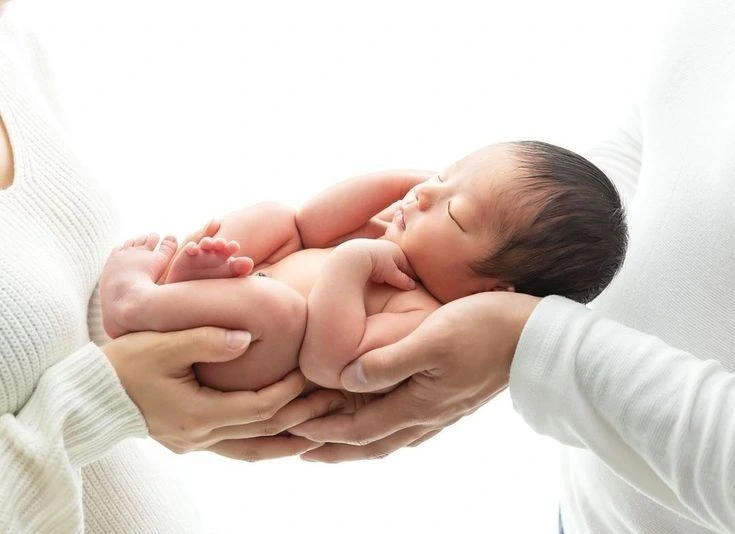
Common Newborn Reflexes Explained

Bringing a newborn baby home is an exciting experience, but it can also raise many questions for new parents. One of the most surprising things parents notice is that babies often make sudden movements, grasp fingers tightly, or automatically turn their heads toward a touch. These actions are known as newborn reflexes.

Understanding Common Newborn Reflexes Explained can help parents better understand their baby’s development and recognize normal behaviors during the first few months of life. These reflexes are automatic responses controlled by the nervous system and play an important role in a baby’s growth and survival.

What Are Newborn Reflexes?

Newborn reflexes are involuntary movements or actions that babies are born with. They occur automatically in response to specific stimuli and do not require conscious thought.

These reflexes help newborns:

  • Adapt to life outside the womb
  • Feed effectively
  • Protect themselves
  • Develop motor skills
  • Indicate healthy neurological function

Most newborn reflexes gradually disappear as the baby’s brain and nervous system mature.

Why Are Newborn Reflexes Important?

Doctors often check newborn reflexes during routine examinations because they provide valuable information about a baby’s neurological development.

Normal reflexes can indicate:

  • Healthy brain function
  • Proper nervous system development
  • Appropriate muscle tone
  • Normal growth patterns

If certain reflexes are absent, unusually strong, or persist longer than expected, healthcare providers may recommend further evaluation.

Rooting Reflex

The rooting reflex helps newborns find food and begin feeding.

How It Works

When a baby’s cheek or the corner of their mouth is gently touched, they automatically turn their head toward the touch and open their mouth.

Why It Matters

This reflex helps babies locate the breast or bottle for feeding.

When It Disappears

The rooting reflex typically fades by around 4 months of age.

Sucking Reflex

The sucking reflex is essential for feeding and nourishment.

How It Works

When something touches the roof of a baby’s mouth, they automatically begin sucking.

Why It Matters

This reflex allows newborns to feed efficiently and receive the nutrition needed for growth.

When It Disappears

The reflex gradually becomes a voluntary action as babies gain greater control over feeding.

Moro Reflex (Startle Reflex)

The Moro reflex, commonly known as the startle reflex, is one of the most noticeable newborn reflexes.

How It Works

A sudden noise, movement, or sensation of falling may cause a baby to:

  • Throw their arms outward
  • Extend their legs
  • Open their hands
  • Quickly bring their arms back toward their body

Why It Matters

The Moro reflex is believed to be a protective response.

When It Disappears

It usually fades between 4 and 6 months of age.

Palmar Grasp Reflex

Many parents are amazed by how strongly a newborn can hold a finger.

How It Works

When an object or finger is placed in the baby’s palm, the baby’s fingers automatically close around it.

Why It Matters

This reflex supports the early development of hand coordination and muscle control.

When It Disappears

The palmar grasp reflex generally disappears around 5 to 6 months of age.

Plantar Grasp Reflex

The plantar grasp reflex affects the baby’s feet.

How It Works

When the sole of a baby’s foot is gently touched, their toes curl downward.

Why It Matters

This reflex is part of normal neurological development.

When It Disappears

The plantar grasp reflex often remains until about 9 to 12 months of age.

Babinski Reflex

The Babinski reflex is another common response involving the feet.

How It Works

When the sole of a baby’s foot is stroked, the big toe moves upward while the other toes spread apart.

Why It Matters

This reflex is considered normal in infants because their nervous systems are still developing.

When It Disappears

The Babinski reflex usually disappears by 12 to 24 months of age.

Stepping Reflex

The stepping reflex can make it appear as though a newborn is trying to walk.

How It Works

When a baby is held upright with their feet touching a firm surface, they may lift one foot and then the other in a stepping motion.

Why It Matters

This reflex demonstrates early motor responses and muscle activity.

When It Disappears

The stepping reflex typically fades around 2 months of age.

Tonic Neck Reflex (Fencing Reflex)

The tonic neck reflex is often referred to as the fencing position because of the posture it creates.

How It Works

When a baby’s head turns to one side:

  • The arm on that side extends outward
  • The opposite arm bends at the elbow

Why It Matters

This reflex may help support the development of hand-eye coordination.

When It Disappears

It usually fades by 5 to 7 months of age.

Galant Reflex

The Galant reflex is triggered by stimulation along the baby’s back.

How It Works

When one side of the baby’s lower back is gently stroked, the baby may curve their body toward the stimulated side.

Why It Matters

The reflex is associated with normal nervous system development.

When It Disappears

The Galant reflex generally disappears by 4 to 6 months of age.

When Should Parents Be Concerned?

Most newborn reflexes are completely normal and temporary. However, parents should consult a pediatrician if they notice:

  • Reflexes that are absent
  • Reflexes that appear significantly stronger on one side
  • Reflexes that persist beyond expected age ranges
  • Unusual muscle stiffness or weakness

Regular pediatric checkups help monitor developmental milestones and ensure healthy neurological development.

Supporting Healthy Development

Parents can encourage healthy development by:

  • Providing supervised tummy time
  • Responding to feeding cues
  • Creating a safe environment
  • Attending regular pediatric visits
  • Offering opportunities for movement and exploration

Every baby develops at their own pace, but routine care and observation help support healthy growth.

Dr. Nikil Sudarsan is a highly experienced Pediatrician in Dubai, dedicated to providing comprehensive healthcare for infants, children, and adolescents. With expertise in Pediatric Neurology, Child Development, Autism, ADHD, Epilepsy, Genetics, and Developmental Disorders, he offers personalized, evidence-based care tailored to each child’s unique needs. Using the latest medical advancements and a family-centered approach, Dr. Nikil Sudarsan focuses on promoting healthy growth, early diagnosis, effective treatment, and long-term well-being, ensuring the best possible outcomes for every child. 
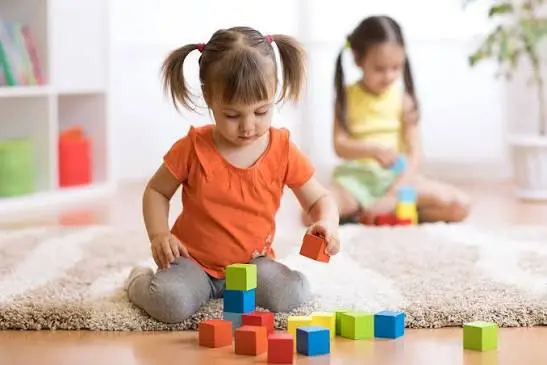
Understanding Growth Milestones in Children

Children grow and develop at a remarkable pace during the early years of life. From the first smile to the first steps and early speech, each stage of development marks an important milestone in their physical, emotional, social, and cognitive growth. These milestones help parents and healthcare professionals track whether a child is developing as expected.

Understanding Growth Milestones in Children allows parents to recognize typical developmental patterns, support healthy progress, and identify early signs of delays when needed. While every child develops at their own pace, growth milestones provide a general framework for healthy development.

What Are Growth Milestones?

Growth milestones are specific skills or behaviors that most children can perform by a certain age range. These milestones are grouped into key developmental areas:

  • Physical (motor skills)
  • Cognitive (thinking and learning)
  • Language and communication
  • Social and emotional development

Tracking these milestones helps ensure that a child is progressing appropriately across all areas of development.

Physical Development Milestones

Physical milestones relate to movement, coordination, and body control.

Early Infancy (0–6 months)

  • Lifts head briefly while lying on stomach
  • Begins rolling over
  • Grasps objects reflexively
  • Brings hands to mouth

Later Infancy (6–12 months)

  • Sits without support
  • Begins crawling
  • Stands with assistance
  • Develops pincer grasp (thumb and finger)

Toddler Stage (1–3 years)

  • Walks independently
  • Begins running and climbing
  • Kicks and throws a ball
  • Uses utensils with help

Physical milestones show improvement in strength, balance, and coordination.

Cognitive Development Milestones

Cognitive milestones refer to thinking, learning, and problem-solving abilities.

Infancy

  • Recognizes familiar faces
  • Responds to sounds and voices
  • Explores objects with hands and mouth

Toddler Stage

  • Follows simple instructions
  • Recognizes shapes and colors
  • Engages in pretend play
  • Solves simple problems

Preschool Age

  • Understands cause and effect
  • Counts simple numbers
  • Begins early reasoning skills
  • Shows curiosity and imagination

Cognitive development forms the foundation for learning and academic success.

Language and Communication Milestones

Language development is one of the most noticeable areas of growth in children.

Early Milestones

  • Cooing and babbling (0–6 months)
  • Responding to sounds and voices
  • Recognizing own name

Toddler Stage

  • First words by around 12 months
  • Combines two-word phrases by 18–24 months
  • Expands vocabulary rapidly

Preschool Age

  • Speaks in full sentences
  • Asks questions frequently
  • Understands basic grammar
  • Communicates needs clearly

Language milestones reflect growing communication and social understanding.

Social and Emotional Milestones

Social and emotional development involves how children interact with others and manage feelings.

Infancy

  • Smiles socially
  • Shows attachment to caregivers
  • Expresses emotions through crying

Toddler Stage

  • Shows independence
  • May experience separation anxiety
  • Begins parallel play

Preschool Age

  • Plays cooperatively with others
  • Shows empathy and sharing
  • Expresses a wide range of emotions
  • Begins understanding rules

These milestones are essential for building relationships and emotional intelligence.

Importance of Growth Milestones

Tracking developmental milestones helps in multiple ways:

  • Ensures healthy development
  • Identifies early signs of delays
  • Guides parenting support strategies
  • Helps plan early interventions if needed
  • Provides reassurance to parents

Milestones act as a roadmap for a child’s overall development.

Factors That Influence Development

Every child is unique, and several factors can influence how quickly milestones are achieved.

These include:

  • Genetics
  • Nutrition
  • Environment
  • Health conditions
  • Level of stimulation and interaction
  • Emotional support

A supportive environment plays a major role in healthy development.

When Do Children Develop at Different Rates?

It is important to understand that milestone timelines are flexible.

Some children may:

  • Walk earlier or later than average
  • Speak later but understand well
  • Develop skills in different sequences

Variations are often normal, but consistent delays may need evaluation.

Signs That May Need Attention

Parents should consult a pediatrician if they notice:

  • No response to sounds or voices
  • No eye contact by early months
  • No walking by 18 months
  • No speech by 2 years
  • Loss of previously learned skills

Early evaluation helps ensure timely support.

How Parents Can Support Development

Parents play a key role in helping children reach milestones.

Encourage Play

  • Interactive games
  • Pretend play
  • Outdoor activities

Talk and Read Daily

  • Reading books
  • Talking frequently
  • Naming objects

Provide a Safe Environment

  • Safe space for movement
  • Age-appropriate toys
  • Encouraging exploration

Show Emotional Support

  • Comfort and reassurance
  • Positive reinforcement
  • Patience during learning

These actions help children grow confidently.

Role of Nutrition in Development

Good nutrition supports both physical and brain development.

Important nutrients include:

  • Proteins for growth
  • Calcium for bones
  • Iron for brain development
  • Vitamins for immunity

A balanced diet supports milestone achievement.

Importance of Regular Checkups

Pediatric visits help track developmental milestones over time.

Doctors:

  • Monitor growth patterns
  • Assess developmental progress
  • Provide guidance to parents
  • Identify early concerns

Regular checkups ensure healthy development.

Dr. Nikil Sudarsan is a highly experienced Pediatrician in Dubai, dedicated to providing comprehensive healthcare for infants, children, and adolescents. With expertise in Pediatric Neurology, Child Development, Autism, ADHD, Epilepsy, Genetics, and Developmental Disorders, he offers personalized, evidence-based care tailored to each child’s unique needs. Using the latest medical advancements and a family-centered approach, Dr. Nikil Sudarsan focuses on promoting healthy growth, early diagnosis, effective treatment, and long-term well-being, ensuring the best possible outcomes for every child. 
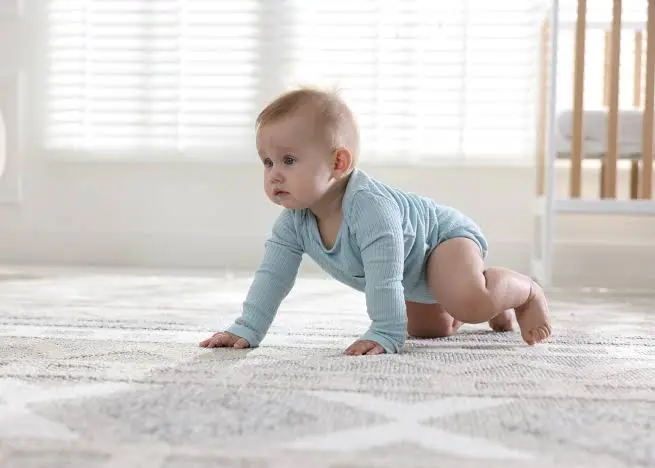
When Do Babies Start Crawling?

One of the most exciting milestones in a baby’s early development is learning to crawl. Crawling marks the beginning of independent movement, allowing babies to explore their surroundings, build strength, and develop coordination. For many parents, this stage is both joyful and a little anxious as they watch their child become more mobile.

Understanding When Do Babies Start Crawling? helps parents know what to expect, recognize normal developmental variations, and support their baby’s physical growth in a healthy way. While every baby develops at their own pace, crawling typically follows a predictable pattern of early motor development.

Typical Age When Babies Start Crawling

Most babies begin to crawl between 6 to 10 months of age, although this can vary widely.

Some important points to remember:

  • Some babies start as early as 5–6 months
  • Others may crawl closer to 10–12 months
  • Some babies may skip crawling entirely and move directly to walking

There is no strict rule, as motor development differs from child to child.

Early Signs That Crawling Is Approaching

Before babies start crawling, they usually show several developmental signs.

1. Improved Head Control

By around 3–4 months, babies gain better control of their head and neck, which is essential for movement.

2. Rolling Over

Between 4–6 months, babies begin rolling from stomach to back and back to stomach, building core strength.

3. Sitting Independently

By 6–8 months, many babies can sit without support, which strengthens balance and posture.

4. Pushing Up on Arms

During tummy time, babies start pushing their upper body off the ground, strengthening shoulders and arms.

5. Rocking on Hands and Knees

Before crawling, babies often get into a hands-and-knees position and rock back and forth.

These signs indicate that crawling is likely to begin soon.

Different Types of Crawling

Not all babies crawl the same way. There are several styles of crawling that are completely normal.

Classic Crawl

  • Hands and knees movement
  • Alternating arm and leg coordination

Commando Crawl

  • Baby drags body using arms
  • Legs stay mostly on the ground

Bear Crawl

  • Baby moves on hands and feet
  • Knees are lifted off the floor

Bottom Shuffling

  • Baby sits and moves forward using legs and hands

Each style helps babies build strength and coordination.

Why Crawling Is Important for Development

Crawling is more than just movement—it plays a key role in physical and cognitive development.

Builds Muscle Strength

Crawling strengthens:

  • Arms
  • Legs
  • Shoulders
  • Core muscles

Improves Coordination

It helps babies learn how to coordinate both sides of the body.

Enhances Brain Development

Cross-body movement supports communication between brain hemispheres, improving learning and spatial awareness.

Develops Balance and Posture

Crawling helps babies prepare for standing and walking.

Encourages Exploration

Mobility allows babies to explore their environment, supporting curiosity and learning.

How Parents Can Encourage Crawling

Parents can support crawling development in simple and safe ways.

1. Tummy Time

Regular tummy time strengthens neck, shoulder, and core muscles.

2. Place Toys Slightly Out of Reach

Encourage movement by placing toys just beyond reach.

3. Create a Safe Space

Ensure the floor area is clean, soft, and free of sharp objects.

4. Encourage Movement

Place the baby on the floor rather than keeping them in carriers or seats for long periods.

5. Use Positive Interaction

Crawling motivation increases when parents engage and encourage movement.

When to Be Concerned

While development varies, some signs may require medical advice.

Consult a pediatrician if:

  • Baby shows no attempt to move by 10–12 months
  • There is very limited arm or leg movement
  • Baby seems unusually stiff or floppy
  • Loss of previously gained skills occurs

Early evaluation can help rule out developmental concerns.

Can Babies Skip Crawling?

Yes, some babies skip crawling entirely and move directly to standing and walking. This is usually not a cause for concern if other developmental milestones are met.

However, crawling is still beneficial for muscle and brain development, so encouraging it is helpful when possible.

Supporting Overall Motor Development

Crawling is part of a broader set of motor milestones.

Parents should also support:

  • Rolling
  • Sitting
  • Standing
  • Walking
  • Fine motor skills (grasping objects)

A balanced approach helps ensure healthy physical development.

Dr. Nikil Sudarsan is a highly experienced Pediatrician in Dubai, dedicated to providing comprehensive healthcare for infants, children, and adolescents. With expertise in Pediatric Neurology, Child Development, Autism, ADHD, Epilepsy, Genetics, and Developmental Disorders, he offers personalized, evidence-based care tailored to each child’s unique needs. Using the latest medical advancements and a family-centered approach, Dr. Nikil Sudarsan focuses on promoting healthy growth, early diagnosis, effective treatment, and long-term well-being, ensuring the best possible outcomes for every child.