
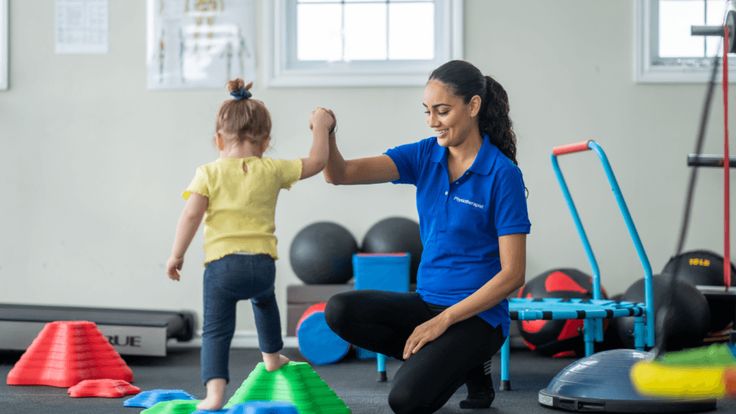
Physical activity is an important part of healthy childhood development. Children naturally need opportunities to move, play, explore, and develop physical skills. Regular activity can support healthy growth, strength, coordination, emotional well-being, and social development. It can also help children establish habits that may continue into adolescence and adulthood.
Encouraging Physical Activity in Children does not mean requiring children to follow strict exercise routines. For most children, enjoyable games, outdoor play, sports, dancing, walking, cycling, and active family activities can provide meaningful opportunities to stay physically active.
Why Physical Activity Matters for Children
Regular movement supports many aspects of childhood health. Active play helps children develop muscles, bones, balance, coordination, and motor skills.
Physical activity can also support cardiovascular fitness and healthy body development. Beyond physical benefits, active play provides opportunities for children to interact with others, solve problems, build confidence, and develop independence.
Creating positive experiences around movement can make physical activity feel like a natural part of everyday life rather than a task or obligation.
Make Activity Fun
Children are more likely to participate in physical activities when they find them enjoyable.
Instead of focusing only on structured exercise, parents and caregivers can introduce activities that match a child’s interests. Dancing to music, playing catch, riding a bicycle, playing tag, jumping, swimming, or exploring a playground can all encourage movement.
The goal should be to create positive experiences rather than emphasizing performance or competition.
Encourage Outdoor Play
Outdoor environments provide children with opportunities to move in different ways. Parks, playgrounds, gardens, beaches, walking paths, and open spaces can encourage running, climbing, jumping, balancing, and exploration.
Outdoor play can also provide a break from prolonged sitting and screen-based activities.
Parents should choose environments that are appropriate for the child’s age and supervise children according to their developmental needs and the activity involved.
Be a Positive Role Model
Children often learn habits by observing adults. Parents and caregivers who regularly participate in physical activities can demonstrate that movement is an enjoyable part of daily life.
Families can walk together, cycle, play games, visit parks, or participate in other age-appropriate activities.
Making physical activity a shared experience can also provide valuable family time.
Reduce Excessive Sedentary Time
Children spend time sitting while studying, reading, traveling, using digital devices, and participating in other activities. Some sedentary time is necessary, but long uninterrupted periods of sitting can reduce opportunities for movement.
Parents can encourage regular breaks during extended periods of sitting.
Simple changes, such as standing up, stretching, walking around, or playing an active game between activities, can create additional opportunities for movement.
Introduce Different Types of Activities
Children benefit from experiencing different forms of physical activity. Variety can help develop a broader range of physical skills and prevent boredom.
Activities may include running, jumping, swimming, cycling, dancing, climbing, throwing, catching, and age-appropriate sports.
Allowing children to try different activities can help them discover what they enjoy most.
Consider the Child’s Age and Abilities
Physical activity should be appropriate for a child’s age, developmental stage, physical abilities, and interests.
Younger children may benefit from active play and simple movement games, while older children may enjoy organized sports or more structured activities.
Children develop at different rates, so comparisons with other children should be avoided. Encouragement should focus on participation, confidence, and gradual skill development.
Encourage Active Transportation
Whenever practical and safe, walking or cycling can provide opportunities for children to be physically active as part of their daily routines.
Walking to nearby destinations, using stairs when appropriate, or cycling with appropriate safety equipment can add movement without requiring a separate exercise session.
Safety should always be considered, particularly around traffic and unfamiliar environments.
Support Participation in Sports
Sports can provide children with structured opportunities to develop physical skills while learning teamwork, communication, and discipline.
However, children should not feel pressured to participate in a particular sport simply because it is popular or competitive.
Parents can help children explore different sports and identify activities that match their interests and comfort levels.
A positive sporting environment should encourage enjoyment, learning, and healthy participation.
Avoid Excessive Pressure
Children can lose interest in physical activity when they feel pressured to perform or compete.
Instead of focusing primarily on winning, speed, weight, or athletic ability, parents can emphasize effort, enjoyment, learning, and improvement.
Positive encouragement can help children develop confidence and maintain a healthier relationship with physical activity.
Make Family Time Active
Family routines can provide excellent opportunities for movement.
Weekend walks, outdoor games, swimming, cycling, dancing, gardening, or visits to recreational spaces can involve the entire family.
Active family activities can also make physical activity easier to maintain because children associate movement with social connection and enjoyment.
Encourage Healthy Hydration and Nutrition
Active children need adequate nutrition and hydration to support normal growth and activity.
Water is generally an appropriate choice for hydration during everyday activities. Children should have access to water, particularly during hot weather and physical activity.
A balanced diet containing a variety of nutrient-rich foods can support energy, growth, and overall health.
Parents should seek professional nutritional advice if a child has specific dietary or medical needs.
Prioritize Safety
Safety is an important part of encouraging physical activity. Children should use appropriate protective equipment for activities that involve increased injury risk.
For cycling, skating, or similar activities, properly fitted helmets and other recommended protective equipment can reduce the risk of injury.
Parents should also consider weather conditions, hydration, appropriate footwear, safe playing environments, and adequate supervision.
Recognize When Professional Advice Is Needed
Most children can participate in age-appropriate physical activity, but some may have specific medical, developmental, or physical considerations.
If a child experiences unusual pain, dizziness, breathing difficulties, fainting, excessive fatigue, or other concerning symptoms during activity, parents should seek appropriate medical advice.
Children with known health conditions may benefit from individualized guidance about suitable activities.
Building Long-Term Healthy Habits
The habits developed during childhood can influence lifestyle choices later in life. When children associate physical activity with enjoyment rather than pressure, they may be more likely to remain active as they grow.
Parents and caregivers can support this by providing opportunities for movement, limiting unnecessary sedentary time, celebrating participation, and allowing children to discover activities they genuinely enjoy.
Dr. Nikil Sudarsan is a highly experienced Pediatrician in Dubai, dedicated to providing comprehensive healthcare for infants, children, and adolescents. With expertise in Pediatric Neurology, Child Development, Autism, ADHD, Epilepsy, Genetics, and Developmental Disorders, he offers personalized, evidence-based care tailored to each child’s unique needs. Using the latest medical advancements and a family-centered approach, Dr. Nikil Sudarsan focuses on promoting healthy growth, early diagnosis, effective treatment, and long-term well-being, ensuring the best possible outcomes for every child.