

How to Strengthen Parent-Child Communication

How to Strengthen Parent-Child Communication

Strong communication between parents and children creates a foundation of trust, emotional security, and healthy relationships. When children feel heard and understood, they are more likely to express their thoughts, share their concerns, and seek guidance when they need support. Effective communication is not only about talking but also about listening, understanding emotions, and creating a safe environment where children feel valued.

Understanding How to Strengthen Parent-Child Communication helps families develop stronger connections and encourages children to build confidence, emotional awareness, and positive social skills. Consistent communication from an early age can have lasting benefits for a child’s overall development.

Create a Safe and Supportive Environment

Children communicate more openly when they feel safe and accepted. Parents can encourage healthy conversations by creating an environment where children know they can express their feelings without fear of immediate criticism or punishment.

Showing patience, respect, and understanding helps children feel comfortable discussing their thoughts, mistakes, and challenges.

Practice Active Listening

Listening is one of the most important parts of effective communication. Many children need to feel that their opinions and emotions matter before they are ready to accept advice.

Active listening involves:

  • Giving full attention
  • Maintaining eye contact
  • Avoiding interruptions
  • Asking thoughtful questions
  • Acknowledging feelings

When parents listen carefully, children learn that their voice has value.

Spend Quality Time Together

Regular quality time creates opportunities for natural conversations. Communication often develops during everyday activities rather than only during serious discussions.

Simple activities such as eating meals together, playing games, reading books, walking, or completing tasks as a family can encourage children to share their experiences.

Consistent interaction helps strengthen emotional bonds.

Encourage Children to Express Feelings

Children may not always have the words to explain their emotions. Parents can help by teaching children to identify and communicate feelings such as happiness, frustration, fear, sadness, or excitement.

Instead of dismissing emotions, acknowledge them and help children understand healthy ways to manage their reactions.

Encouraging emotional expression supports confidence and emotional development.

Communicate According to the Child’s Age

Children at different developmental stages have different communication needs. Younger children may respond better to simple explanations and visual examples, while older children may benefit from deeper discussions and problem-solving conversations.

Adjusting communication style based on age helps children understand information more effectively.

Avoid Judgment and Harsh Responses

Children may stop sharing information if they expect anger, criticism, or negative reactions. Responding calmly, even during difficult conversations, encourages honesty and openness.

Parents can focus on understanding the situation first before offering solutions or corrections.

A supportive response helps children learn from experiences without feeling afraid to communicate.

Be Honest and Build Trust

Trust is an essential part of strong parent-child communication. Children appreciate honesty and age-appropriate explanations about situations that affect them.

Being truthful helps children develop confidence in their relationship with their parents and encourages them to seek guidance when needed.

Use Positive Communication

The way parents communicate can influence how children see themselves. Positive words, encouragement, and appreciation help build self-esteem.

Instead of focusing only on mistakes, recognize efforts and improvements. Positive communication teaches children that they are supported while also learning responsibility.

Set Aside Time for Conversations

Busy schedules can make meaningful conversations difficult. Setting aside dedicated time for talking helps children feel that their thoughts and experiences are important.

Even a few minutes of focused conversation each day can strengthen the connection between parents and children.

Understand Non-Verbal Communication

Communication is not limited to words. Facial expressions, body language, tone of voice, and gestures also influence how children understand messages.

A calm tone and welcoming attitude can make children feel more comfortable sharing their thoughts.

Encourage Problem-Solving Together

When children face challenges, parents can guide them by working through solutions together rather than immediately providing answers.

Collaborative problem-solving teaches children decision-making skills, independence, and confidence.

It also shows children that their parents are supportive partners during difficult situations.

Respect the Child’s Individual Personality

Every child has a unique personality, communication style, and way of expressing emotions. Some children naturally share more, while others need additional time and encouragement.

Respecting individual differences helps parents create communication strategies that work best for their child.

Manage Conflicts Calmly

Disagreements are a normal part of family life. How parents handle conflict can teach children important lessons about communication and emotional control.

During conflicts:

  • Stay calm
  • Listen to both perspectives
  • Avoid blaming
  • Explain expectations clearly
  • Focus on solutions

Healthy conflict management strengthens relationships and teaches children valuable interpersonal skills.

Use Technology Wisely

Digital devices can affect family communication when they replace face-to-face interactions. Creating technology-free moments, such as family meals or conversation time, encourages stronger connections.

At the same time, understanding children’s digital experiences can create opportunities for open discussions about online safety and responsible technology use.

Be a Positive Communication Role Model

Children learn communication habits by observing their parents. Demonstrating respect, patience, empathy, and honesty teaches children how to interact with others.

The way parents communicate with family members and handle emotions influences how children develop their own communication skills.

Benefits of Strong Parent-Child Communication

Healthy communication provides many benefits, including:

  • Stronger emotional connection
  • Increased trust
  • Better understanding of feelings
  • Improved confidence
  • Enhanced problem-solving skills
  • Reduced misunderstandings
  • Stronger family relationships

These benefits support a child’s emotional and social development.

Dr. Nikil Sudarsan is a highly experienced Pediatrician in Dubai, dedicated to providing comprehensive healthcare for infants, children, and adolescents. With expertise in Pediatric Neurology, Child Development, Autism, ADHD, Epilepsy, Genetics, and Developmental Disorders, he offers personalized, evidence-based care tailored to each child’s unique needs. Using the latest medical advancements and a family-centered approach, Dr. Nikil Sudarsan focuses on promoting healthy growth, early diagnosis, effective treatment, and long-term well-being, ensuring the best possible outcomes for every child. 

Common Nutritional Deficiencies in Children

Common Nutritional Deficiencies in Children

Proper nutrition is essential for children’s growth, development, immunity, and overall well-being. During childhood, the body requires a wide range of vitamins, minerals, proteins, and other nutrients to support physical growth, brain development, and healthy organ function. When children do not receive enough essential nutrients through their diet, nutritional deficiencies can occur.

Understanding the Common Nutritional Deficiencies in Children helps parents and caregivers recognize potential concerns early and make informed choices to support healthier growth. A balanced diet, regular monitoring, and professional guidance when needed can help prevent many nutrition-related problems.

Why Nutrition Is Important During Childhood

Childhood is a critical period when the body and brain undergo rapid development. Nutrients support important functions such as bone growth, muscle development, immune protection, energy production, and cognitive abilities.

Poor nutrition may affect a child’s growth, concentration, energy levels, and resistance to infections. Ensuring adequate nutrient intake from an early age helps establish healthy habits that can continue throughout life.

Iron Deficiency

Iron deficiency is one of the most common nutritional concerns among children. Iron is essential for producing hemoglobin, a protein that carries oxygen throughout the body.

When children do not get enough iron, they may experience symptoms such as:

  • Tiredness or low energy
  • Pale skin
  • Difficulty concentrating
  • Reduced appetite
  • Weakness

Iron-rich foods such as lean meats, eggs, beans, lentils, leafy vegetables, and fortified cereals can help support healthy iron levels.

Vitamin D Deficiency

Vitamin D plays an important role in calcium absorption, bone development, and immune function. Children who have limited sun exposure or inadequate dietary intake may be at risk of vitamin D deficiency.

Low vitamin D levels may affect bone strength and overall growth. Foods such as fortified dairy products, eggs, fish, and other vitamin D sources can help support healthy levels.

Calcium Deficiency

Calcium is essential for strong bones and teeth. During childhood, adequate calcium intake supports proper skeletal development and helps build a strong foundation for future bone health.

Insufficient calcium may increase the risk of weaker bones and dental concerns. Dairy products, leafy green vegetables, nuts, seeds, and calcium-fortified foods are good sources of this important mineral.

Vitamin A Deficiency

Vitamin A supports healthy vision, immune function, and normal growth. Children who do not consume enough vitamin A-rich foods may experience increased vulnerability to infections and vision-related concerns.

Sources of vitamin A include:

  • Carrots
  • Sweet potatoes
  • Pumpkin
  • Spinach
  • Eggs
  • Dairy products

Including colorful fruits and vegetables in a child’s diet helps provide essential nutrients.

Protein Deficiency

Protein is necessary for muscle development, tissue repair, immune function, and overall growth. Children require adequate protein to support their rapidly developing bodies.

A lack of protein may contribute to poor growth, reduced strength, and slower recovery from illness.

Healthy protein sources include:

  • Fish
  • Poultry
  • Eggs
  • Milk
  • Beans
  • Lentils
  • Nuts
  • Seeds

A balanced diet with sufficient protein supports healthy childhood development.

Vitamin C Deficiency

Vitamin C helps support the immune system, tissue repair, and collagen production. It also improves the body’s ability to absorb iron from plant-based foods.

Children with low vitamin C intake may experience slower healing and reduced immune support.

Good sources include:

  • Citrus fruits
  • Strawberries
  • Kiwi
  • Tomatoes
  • Bell peppers
  • Broccoli

Regular consumption of fruits and vegetables helps maintain adequate vitamin C levels.

Zinc Deficiency

Zinc is important for immune health, growth, wound healing, and normal development. Children who do not consume enough zinc may have slower growth or increased susceptibility to infections.

Zinc-rich foods include meat, seafood, dairy products, nuts, seeds, and whole grains.

Iodine Deficiency

Iodine is required for healthy thyroid function and proper brain development. Insufficient iodine intake during childhood may affect growth and cognitive development.

Using iodized salt and including iodine-containing foods as part of a balanced diet can help support adequate intake.

Fiber Deficiency

Fiber supports healthy digestion and helps maintain regular bowel movements. Children who consume limited fruits, vegetables, and whole grains may not get enough fiber in their diet.

A lack of fiber may contribute to constipation and digestive discomfort.

Increasing fiber intake through fruits, vegetables, legumes, and whole grains supports better digestive health.

Omega-3 Fatty Acid Deficiency

Omega-3 fatty acids support brain development, eye health, and overall growth. Children who consume little or no source of healthy fats may have lower intake of these essential nutrients.

Sources of omega-3 fatty acids include fatty fish, walnuts, flaxseeds, and chia seeds.

Causes of Nutritional Deficiencies in Children

Several factors can contribute to nutrient deficiencies, including:

  • Limited food variety
  • Picky eating habits
  • Poor dietary balance
  • Food allergies or intolerances
  • Increased nutritional needs during growth
  • Lack of access to nutrient-rich foods
  • Certain health conditions

Identifying the cause helps create an effective approach to improving nutrition.

Signs Parents Should Watch For

Nutritional deficiencies may appear through different physical and behavioral changes. Possible signs include:

  • Slow growth
  • Frequent infections
  • Low energy
  • Changes in appetite
  • Difficulty concentrating
  • Pale appearance
  • Weak muscles
  • Delayed healing

If these signs persist, professional evaluation may help identify underlying nutritional concerns.

Preventing Nutritional Deficiencies

A balanced and varied diet is one of the best ways to prevent nutrient deficiencies. Parents can support healthy eating habits by offering different types of foods from all major food groups.

Helpful strategies include:

  • Providing fruits and vegetables daily
  • Including protein-rich foods in meals
  • Encouraging healthy snacks
  • Limiting excessive processed foods
  • Creating regular meal routines
  • Encouraging adequate water intake

Introducing healthy eating habits early helps children develop a positive relationship with food.

The Role of Professional Nutrition Guidance

Every child has unique nutritional needs based on age, growth pattern, activity level, and health status. Nutrition professionals can provide guidance when dietary adjustments are needed or when deficiencies are suspected.

Personalized recommendations help ensure children receive the nutrients required for healthy development.

Dr. Nikil Sudarsan is a highly experienced Pediatrician in Dubai, dedicated to providing comprehensive healthcare for infants, children, and adolescents. With expertise in Pediatric Neurology, Child Development, Autism, ADHD, Epilepsy, Genetics, and Developmental Disorders, he offers personalized, evidence-based care tailored to each child’s unique needs. Using the latest medical advancements and a family-centered approach, Dr. Nikil Sudarsan focuses on promoting healthy growth, early diagnosis, effective treatment, and long-term well-being, ensuring the best possible outcomes for every child. 

How Pediatricians Support Mental Health in Kids

How Pediatricians Support Mental Health in Kids

Children’s mental health is just as important as their physical health. Emotional well-being affects how children learn, build relationships, manage emotions, and respond to everyday challenges. How Pediatricians Support Mental Health in Kids is an important topic because pediatricians play a key role in monitoring a child’s overall development, identifying emotional or behavioral concerns early, and guiding families toward appropriate care and support.

Mental health challenges can affect children of all ages. Early recognition and timely intervention can improve outcomes and help children develop healthy coping skills that benefit them throughout life.

Why Mental Health Matters in Childhood

Mental health influences nearly every aspect of a child’s development. It affects emotional regulation, learning, communication, behavior, and social interactions.

Good mental health helps children:

  • Build healthy relationships
  • Learn effectively at school
  • Develop self-confidence
  • Manage stress appropriately
  • Express emotions in healthy ways
  • Adapt to new situations

Supporting mental health from an early age promotes healthy development and overall well-being.

The Role of Pediatricians

Pediatricians care for more than a child’s physical health. During routine visits, they also monitor emotional, behavioral, and developmental progress.

A pediatrician may:

  • Evaluate developmental milestones
  • Discuss emotional well-being
  • Monitor behavior changes
  • Screen for developmental concerns
  • Provide guidance to parents
  • Refer families to specialists when necessary

Regular pediatric visits provide valuable opportunities to discuss any concerns about a child’s emotional or behavioral health.

Identifying Early Warning Signs

Children often express emotional difficulties differently than adults. Pediatricians help parents recognize signs that may indicate a need for further evaluation.

Possible warning signs include:

  • Persistent sadness
  • Excessive anxiety or fear
  • Frequent irritability
  • Difficulty concentrating
  • Sudden changes in behavior
  • Withdrawal from family or friends
  • Changes in eating or sleeping habits
  • Declining school performance

These symptoms do not always indicate a mental health condition, but they should be discussed with a healthcare professional if they are persistent or interfere with daily life.

Monitoring Developmental Milestones

Developmental progress provides important information about a child’s emotional and cognitive health.

Pediatricians regularly assess:

  • Language development
  • Social interaction
  • Communication skills
  • Emotional regulation
  • Learning abilities
  • Physical development

Monitoring these milestones helps identify children who may benefit from additional evaluation or support.

Supporting Parents and Caregivers

Parents play the most important role in supporting their child’s mental health. Pediatricians provide practical advice that helps families create a healthy emotional environment at home.

Guidance may include:

  • Encouraging positive communication
  • Establishing consistent routines
  • Managing challenging behaviors
  • Promoting healthy sleep habits
  • Supporting emotional development

Working together helps families build strong foundations for healthy growth.

Encouraging Healthy Communication

Open communication allows children to feel safe expressing their emotions and concerns.

Parents are encouraged to:

  • Listen without judgment
  • Ask open-ended questions
  • Validate their child’s feelings
  • Encourage age-appropriate conversations
  • Provide reassurance during stressful situations

Strong communication helps children develop emotional resilience and trust.

Promoting Healthy Sleep Habits

Sleep is closely connected to emotional and mental well-being. Poor sleep may contribute to mood changes, difficulty concentrating, and behavioral challenges.

Healthy sleep habits include:

  • Maintaining a regular bedtime
  • Following a calming bedtime routine
  • Limiting screen use before sleep
  • Creating a quiet sleeping environment

Adequate sleep supports healthy brain development and emotional regulation.

Nutrition and Mental Health

Balanced nutrition supports healthy brain function and overall development.

Children benefit from meals that include:

  • Fresh fruits
  • Vegetables
  • Whole grains
  • Lean proteins
  • Healthy fats
  • Plenty of water

Nutritious eating habits contribute to both physical and emotional health.

The Importance of Physical Activity

Regular physical activity benefits children’s mental health by improving mood, reducing stress, and supporting overall wellness.

Activities may include:

  • Outdoor play
  • Cycling
  • Swimming
  • Dancing
  • Team sports
  • Family walks

Daily movement also supports healthy sleep and emotional well-being.

Limiting Excessive Screen Time

While technology offers educational benefits, excessive screen time may affect sleep, attention, and social interaction.

Parents can encourage healthier habits by:

  • Setting reasonable screen time limits
  • Encouraging outdoor play
  • Promoting face-to-face family interactions
  • Providing opportunities for creative activities
  • Keeping devices out of bedrooms during sleep

A balanced approach helps children develop healthy routines.

Helping Children Manage Stress

Children experience stress from school, friendships, family changes, and other life events. Pediatricians often discuss healthy coping strategies with families.

Helpful stress-management techniques include:

  • Deep breathing exercises
  • Regular physical activity
  • Creative hobbies
  • Spending time outdoors
  • Talking about feelings
  • Maintaining daily routines

Teaching healthy coping skills helps children manage challenges more effectively.

Recognizing When Additional Support Is Needed

Some children may require further evaluation or specialized care. Pediatricians can coordinate referrals to child psychologists, psychiatrists, counselors, or developmental specialists when appropriate.

Professional support may be recommended if a child experiences:

  • Persistent anxiety
  • Ongoing depression
  • Severe behavioral changes
  • Difficulty functioning at school
  • Social withdrawal
  • Emotional difficulties that interfere with daily life

Early intervention often leads to better long-term outcomes.

Working Together with Schools

Pediatricians may encourage collaboration between families and schools when emotional or behavioral concerns affect learning.

Working together allows parents, teachers, and healthcare professionals to:

  • Share observations
  • Monitor progress
  • Support learning
  • Develop consistent strategies
  • Promote emotional well-being

A team approach provides children with consistent support across different environments.

Encouraging Positive Family Relationships

Strong family relationships provide children with a sense of security and belonging.

Parents can strengthen emotional health by:

  • Spending quality time together
  • Encouraging family conversations
  • Showing affection and encouragement
  • Creating predictable routines
  • Supporting children’s interests

Positive family connections contribute to healthy emotional development.

Building Lifelong Emotional Wellness

Mental health support should begin early and continue throughout childhood. Healthy daily habits, supportive relationships, and regular healthcare visits all contribute to long-term emotional well-being.

Children who receive early support are better equipped to:

  • Build healthy relationships
  • Develop resilience
  • Manage emotions effectively
  • Adapt to life’s challenges
  • Thrive at school and in their communities

Dr. Nikil Sudarsan is a highly experienced Pediatrician in Dubai, dedicated to providing comprehensive healthcare for infants, children, and adolescents. With expertise in Pediatric Neurology, Child Development, Autism, ADHD, Epilepsy, Genetics, and Developmental Disorders, he offers personalized, evidence-based care tailored to each child’s unique needs. Using the latest medical advancements and a family-centered approach, Dr. Nikil Sudarsan focuses on promoting healthy growth, early diagnosis, effective treatment, and long-term well-being, ensuring the best possible outcomes for every child. 

Common Parenting Mistakes in Child Health

Common Parenting Mistakes in Child Health

Every parent wants their child to grow up healthy and happy. However, raising a child comes with challenges, and even the most caring parents can make mistakes along the way. Common Parenting Mistakes in Child Health is an important topic because understanding these common errors can help parents make informed decisions that support their child’s physical, emotional, and mental well-being. The goal is not to achieve perfect parenting but to build healthy habits that encourage lifelong wellness.

By recognizing common mistakes and making small improvements, parents can create a nurturing environment that promotes healthy development throughout childhood.

Ignoring Regular Health Checkups

Some parents only seek medical care when their child becomes ill. Routine pediatric checkups are essential because they help monitor growth, development, nutrition, and overall health.

Regular health visits can help:

  • Monitor height and weight
  • Track developmental milestones
  • Ensure recommended vaccinations are up to date
  • Detect potential health concerns early
  • Provide guidance on nutrition and healthy habits

Preventive care plays a major role in maintaining long-term health.

Overlooking Oral Health

Many parents underestimate the importance of caring for baby teeth. Healthy primary teeth are essential for eating, speaking, and guiding permanent teeth into the correct position.

Good oral health habits include:

  • Brushing twice daily with fluoride toothpaste appropriate for the child’s age
  • Flossing once teeth begin touching
  • Limiting sugary snacks and drinks
  • Scheduling regular dental checkups

Developing healthy oral hygiene habits early helps reduce the risk of cavities and gum problems.

Allowing Too Much Screen Time

Digital devices are part of modern life, but excessive screen time can affect physical activity, sleep, learning, and social development.

Parents can encourage healthier habits by:

  • Setting daily screen time limits
  • Creating screen-free family time
  • Encouraging outdoor play
  • Promoting reading and creative activities
  • Keeping electronic devices out of bedrooms at bedtime

A balanced approach supports healthy development.

Offering Too Many Sugary Foods and Drinks

Frequent consumption of sugary snacks and beverages increases the risk of tooth decay and may contribute to unhealthy eating habits.

Healthier choices include:

  • Fresh fruits
  • Vegetables
  • Whole grains
  • Plain yogurt
  • Cheese
  • Water instead of sugary drinks

Balanced nutrition supports healthy growth and strong teeth.

Ignoring Sleep Routines

Adequate sleep is essential for children’s physical growth, brain development, emotional regulation, and immune function.

Healthy sleep habits include:

  • Consistent bedtimes
  • A calming bedtime routine
  • Limiting screen use before sleep
  • Providing a quiet sleeping environment

Children who get enough sleep are often better able to learn, concentrate, and manage emotions.

Being Inconsistent with Rules

Children benefit from clear and consistent expectations. Frequently changing rules may lead to confusion and behavioral challenges.

Helpful parenting strategies include:

  • Setting age-appropriate boundaries
  • Explaining expectations clearly
  • Applying rules consistently
  • Praising positive behavior

Consistency helps children understand routines and develop responsibility.

Skipping Physical Activity

Active play is essential for healthy growth, strong muscles and bones, coordination, and emotional well-being.

Encourage children to participate in activities such as:

  • Outdoor games
  • Cycling
  • Swimming
  • Walking
  • Dancing
  • Team sports

Daily physical activity supports both physical and mental health.

Ignoring Emotional Well-Being

Children’s emotional health is just as important as their physical health. Ignoring feelings or dismissing emotions may affect their confidence and ability to cope with challenges.

Parents can support emotional well-being by:

  • Listening carefully
  • Encouraging open conversations
  • Validating feelings
  • Spending quality time together
  • Offering reassurance during difficult situations

Strong emotional support helps children build resilience.

Comparing Children to Others

Every child develops at their own pace. Constant comparisons with siblings or peers may affect a child’s confidence and self-esteem.

Instead of comparing children, parents should:

  • Celebrate individual strengths
  • Encourage personal progress
  • Set realistic expectations
  • Support each child’s unique abilities

Positive encouragement promotes healthy emotional development.

Delaying Medical Attention

Some symptoms should not be ignored. Delaying professional evaluation may allow certain health conditions to worsen.

Parents should seek medical advice if a child experiences:

  • Persistent fever
  • Difficulty breathing
  • Severe pain
  • Ongoing vomiting or diarrhea
  • Unexplained weight loss
  • Significant changes in behavior
  • Persistent developmental concerns

Early medical assessment often leads to more effective management.

Not Teaching Good Hygiene Habits

Personal hygiene helps reduce the spread of infections and supports overall health.

Teach children to:

  • Wash their hands regularly
  • Brush their teeth twice daily
  • Cover their mouth when coughing or sneezing
  • Bathe regularly
  • Keep their nails clean

These simple habits help protect children and those around them.

Overprotecting Children

Keeping children safe is important, but excessive protection may limit opportunities to develop independence and problem-solving skills.

Parents can encourage healthy independence by:

  • Allowing age-appropriate responsibilities
  • Encouraging decision-making
  • Supporting safe exploration
  • Teaching problem-solving skills
  • Building self-confidence through positive guidance

Balanced independence helps children become more confident and resilient.

Neglecting Healthy Family Habits

Children often learn by observing adults. Parents who practice healthy habits provide strong role models.

Healthy family routines include:

  • Eating balanced meals together
  • Exercising regularly
  • Limiting sugary foods
  • Practicing good hygiene
  • Maintaining consistent sleep schedules
  • Spending quality time together

Children are more likely to adopt healthy behaviors when they see them practiced at home.

Encourage Open Communication

Maintaining open communication allows children to feel comfortable discussing their concerns, emotions, and health.

Parents can encourage communication by:

  • Asking about their child’s day
  • Listening without judgment
  • Answering questions honestly
  • Creating a supportive home environment

Good communication strengthens trust and promotes emotional well-being.

Build Healthy Habits That Last

Small, consistent habits often have the greatest impact on long-term health.

Parents can support lifelong wellness by encouraging:

  • Balanced nutrition
  • Daily physical activity
  • Good oral hygiene
  • Adequate sleep
  • Regular medical and dental checkups
  • Positive emotional support
  • Healthy family routines

These habits contribute to healthier, happier children.

Dr. Nikil Sudarsan is a highly experienced Pediatrician in Dubai, dedicated to providing comprehensive healthcare for infants, children, and adolescents. With expertise in Pediatric Neurology, Child Development, Autism, ADHD, Epilepsy, Genetics, and Developmental Disorders, he offers personalized, evidence-based care tailored to each child’s unique needs. Using the latest medical advancements and a family-centered approach, Dr. Nikil Sudarsan focuses on promoting healthy growth, early diagnosis, effective treatment, and long-term well-being, ensuring the best possible outcomes for every child. 
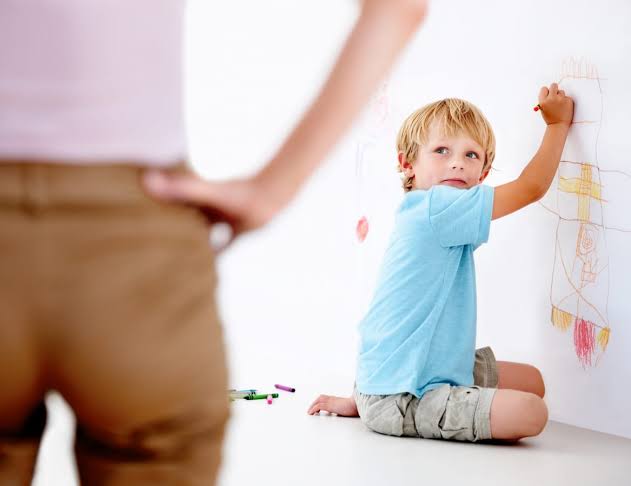
Understanding Childhood Behavioral Challenges

Understanding Childhood Behavioral Challenges

Children grow and develop at different rates, and their behavior changes as they learn to communicate, manage emotions, and interact with others. Understanding Childhood Behavioral Challenges helps parents and caregivers recognize behaviors that may be part of normal development while identifying situations where additional support may be beneficial. Every child experiences emotional ups and downs, but consistent guidance, patience, and a supportive environment can help children develop healthy coping skills and positive behaviors.

Behavioral challenges can occur at different stages of childhood and may be influenced by a child’s temperament, environment, developmental stage, health, and life experiences. Understanding these factors allows families to respond with empathy and appropriate strategies.

What Are Childhood Behavioral Challenges?

Behavioral challenges refer to actions or emotional responses that interfere with a child’s daily activities, relationships, learning, or overall well-being. Some behaviors are a normal part of growing up, while others may require professional evaluation if they are persistent, severe, or significantly affect daily life.

Behavioral challenges may include:

  • Frequent temper tantrums
  • Difficulty following instructions
  • Aggressive behavior
  • Anxiety or excessive worry
  • Hyperactivity
  • Difficulty concentrating
  • Defiance
  • Social withdrawal
  • Emotional outbursts

Observing patterns over time is more helpful than focusing on isolated incidents.

Common Causes of Behavioral Challenges

Many factors can influence a child’s behavior. Understanding the possible causes helps parents respond more effectively.

Behavior may be affected by:

  • Developmental stage
  • Changes in routine
  • Stressful life events
  • Sleep difficulties
  • Hunger or poor nutrition
  • Learning challenges
  • Emotional difficulties
  • Family or school environment

Children often express emotions through behavior when they cannot fully communicate their feelings.

Emotional Development and Behavior

As children mature, they gradually learn to recognize, express, and manage their emotions. Younger children may struggle to control frustration, disappointment, or excitement because these skills are still developing.

Parents can support emotional growth by:

  • Listening patiently
  • Naming emotions
  • Encouraging healthy expression
  • Teaching calming techniques
  • Providing reassurance

Helping children understand their emotions builds emotional resilience.

The Importance of Consistent Routines

Children often feel more secure when they know what to expect. Predictable daily routines provide structure and reduce uncertainty.

Helpful routines include:

  • Regular meal times
  • Consistent bedtime schedules
  • Homework routines
  • Family activities
  • Daily playtime

Consistency helps children feel safe and encourages positive behavior.

Positive Communication Makes a Difference

Open communication strengthens the relationship between parents and children. Children are more likely to cooperate when they feel heard and understood.

Effective communication strategies include:

  • Listening without interrupting
  • Speaking calmly
  • Giving clear instructions
  • Offering encouragement
  • Praising positive behavior

Positive communication helps children develop confidence and trust.

Encourage Positive Behavior

Recognizing and rewarding appropriate behavior is often more effective than focusing only on negative actions.

Parents can encourage positive behavior by:

  • Praising good choices
  • Setting achievable expectations
  • Offering positive reinforcement
  • Celebrating progress
  • Being patient during setbacks

Positive reinforcement motivates children to repeat healthy behaviors.

Set Clear and Age-Appropriate Boundaries

Children benefit from clear rules and consistent expectations. Boundaries help them understand appropriate behavior while promoting responsibility.

Effective boundaries should be:

  • Simple
  • Consistent
  • Fair
  • Age appropriate
  • Explained calmly

Consistency allows children to understand what is expected of them.

The Role of Sleep

Sleep has a significant impact on a child’s mood, behavior, learning, and attention. Inadequate sleep may contribute to irritability, difficulty concentrating, and emotional outbursts.

Healthy sleep habits include:

  • Maintaining a consistent bedtime
  • Creating a calming bedtime routine
  • Limiting screen use before sleep
  • Providing a comfortable sleeping environment

Adequate rest supports emotional regulation and healthy development.

Nutrition and Behavior

Balanced nutrition supports healthy brain development and steady energy levels throughout the day.

Healthy eating habits include:

  • Fresh fruits
  • Vegetables
  • Whole grains
  • Lean proteins
  • Dairy products or suitable alternatives
  • Drinking plenty of water

Regular meals and healthy snacks help maintain energy and support overall well-being.

Encourage Physical Activity

Daily physical activity helps children release energy, improve mood, and develop healthy coping skills.

Activities may include:

  • Outdoor play
  • Cycling
  • Swimming
  • Dancing
  • Team sports
  • Family walks

Regular movement benefits both physical and emotional health.

Limit Excessive Screen Time

While technology can support learning and entertainment, excessive screen time may affect sleep, attention, and social interaction.

Parents can encourage healthier habits by:

  • Setting reasonable screen time limits
  • Encouraging outdoor activities
  • Promoting family interactions
  • Offering creative play opportunities
  • Modeling balanced technology use

A balanced routine supports healthy development.

Help Children Develop Problem-Solving Skills

Teaching children how to solve problems independently builds confidence and resilience.

Parents can encourage problem-solving by:

  • Asking open-ended questions
  • Discussing possible solutions
  • Encouraging decision-making
  • Supporting independence
  • Praising effort rather than perfection

These skills prepare children to manage future challenges more effectively.

Recognize When Professional Support May Be Needed

While many behavioral challenges improve with guidance and maturity, some situations require professional evaluation.

Consider speaking with a healthcare professional if a child:

  • Shows persistent aggression
  • Has ongoing difficulty at school
  • Experiences severe anxiety
  • Frequently withdraws from family or friends
  • Has significant attention or concentration difficulties
  • Loses previously learned developmental skills
  • Displays behaviors that interfere with daily functioning

Early assessment can help identify the cause and provide appropriate support.

Partner with Teachers and Caregivers

Parents, teachers, and caregivers all play important roles in supporting children’s behavior. Open communication between home and school helps create consistent expectations and encourages positive development.

Working together allows adults to:

  • Share observations
  • Monitor progress
  • Reinforce positive behaviors
  • Address concerns early
  • Support the child’s emotional well-being

A collaborative approach benefits the child’s overall development.

Supporting Your Child Every Day

Children thrive when they feel safe, understood, and supported. Everyday actions can make a meaningful difference in their emotional and behavioral development.

Parents can help by:

  • Spending quality time together
  • Listening with empathy
  • Encouraging healthy routines
  • Providing positive reinforcement
  • Modeling respectful behavior
  • Being patient during difficult moments

Strong relationships provide children with the confidence to learn and grow.

Dr. Nikil Sudarsan is a highly experienced Pediatrician in Dubai, dedicated to providing comprehensive healthcare for infants, children, and adolescents. With expertise in Pediatric Neurology, Child Development, Autism, ADHD, Epilepsy, Genetics, and Developmental Disorders, he offers personalized, evidence-based care tailored to each child’s unique needs. Using the latest medical advancements and a family-centered approach, Dr. Nikil Sudarsan focuses on promoting healthy growth, early diagnosis, effective treatment, and long-term well-being, ensuring the best possible outcomes for every child. 

How to Manage Childhood Allergies Naturally

How to Manage Childhood Allergies Naturally

Childhood allergies are common and can affect a child’s comfort, sleep, school performance, and daily activities. How to Manage Childhood Allergies Naturally is a topic many parents explore to help reduce allergy symptoms while supporting their child’s overall well-being. Although natural strategies may help minimize exposure to allergens and improve comfort, they should complement—not replace—professional medical care. Children with persistent, severe, or life-threatening allergies should always be evaluated and treated by a qualified healthcare professional.

By understanding allergy triggers and adopting healthy daily habits, parents can help create a safer and more comfortable environment for their children.

What Are Childhood Allergies?

An allergy occurs when the immune system reacts to a substance that is usually harmless. These substances, known as allergens, can trigger symptoms that vary from mild to severe.

Common childhood allergens include:

  • Pollen
  • Dust mites
  • Pet dander
  • Mold
  • Certain foods
  • Insect stings
  • Some medications

Identifying the specific trigger is the first step toward effective allergy management.

Recognizing Common Allergy Symptoms

Allergy symptoms may differ depending on the trigger and the child.

Common signs include:

  • Sneezing
  • Runny or blocked nose
  • Itchy eyes
  • Watery eyes
  • Skin rashes
  • Hives
  • Itchy skin
  • Coughing
  • Wheezing
  • Mild swelling

Seek immediate medical attention if a child experiences difficulty breathing, swelling of the face or throat, or signs of a severe allergic reaction.

Identify and Avoid Allergy Triggers

Managing allergies naturally begins with reducing exposure to known allergens.

Helpful strategies include:

  • Monitoring pollen levels during allergy seasons
  • Keeping windows closed when pollen counts are high
  • Avoiding known food allergens
  • Reducing exposure to cigarette smoke
  • Limiting contact with environmental irritants

Understanding individual triggers helps parents make informed decisions about daily activities.

Keep Your Home Clean

A clean home can reduce exposure to common indoor allergens such as dust mites, mold, and pet dander.

Helpful cleaning habits include:

  • Vacuuming regularly using an appropriate filter
  • Dusting furniture frequently
  • Washing bedding weekly in hot water
  • Cleaning soft toys regularly
  • Reducing unnecessary clutter
  • Keeping indoor spaces well ventilated where appropriate

Maintaining a clean environment may help reduce allergy symptoms.

Control Indoor Humidity

Excess moisture encourages mold growth, while extremely dry air may irritate sensitive airways.

To maintain a comfortable indoor environment:

  • Keep humidity at a moderate level.
  • Repair water leaks promptly.
  • Dry damp areas thoroughly.
  • Ensure bathrooms and kitchens have proper ventilation.

Managing humidity helps reduce mold and improve indoor air quality.

Encourage Regular Handwashing

Children often come into contact with allergens during outdoor play or while interacting with pets.

Encourage children to:

  • Wash their hands after playing outside
  • Wash after touching animals
  • Avoid rubbing their eyes with unwashed hands
  • Shower and change clothes after heavy outdoor pollen exposure when appropriate

Simple hygiene habits can help reduce allergen exposure.

Support Overall Health with a Balanced Diet

A nutritious diet supports a healthy immune system and overall growth.

Healthy meals should include:

  • Fresh fruits
  • Vegetables
  • Whole grains
  • Lean proteins
  • Healthy fats
  • Plenty of water

If your child has a food allergy, avoid the specific food and seek guidance from a healthcare professional or registered dietitian to ensure nutritional needs are met safely.

Keep Children Well Hydrated

Drinking enough water supports overall health and may help keep the nose and throat comfortable.

Encourage children to:

  • Drink water regularly throughout the day
  • Stay hydrated during physical activity
  • Choose water instead of sugary beverages

Good hydration is an important part of overall wellness.

Encourage Regular Physical Activity

Daily physical activity supports general health and well-being. If outdoor allergens are triggering symptoms, consider exercising indoors on days with high pollen levels or follow your healthcare provider’s recommendations.

Activities may include:

  • Walking
  • Cycling
  • Swimming, if appropriate
  • Indoor games
  • Family exercise sessions

Choose activities that suit your child’s age, interests, and health needs.

Promote Healthy Sleep Habits

Adequate sleep helps support immune function and overall health.

To encourage better sleep:

  • Maintain a regular bedtime routine.
  • Keep bedrooms clean and comfortable.
  • Wash bedding regularly.
  • Limit exposure to allergens in sleeping areas.

Good sleep supports children’s physical and emotional well-being.

Be Careful with Natural Remedies

Some natural products and herbal supplements are promoted for allergy relief, but their safety and effectiveness in children are not always well established. In some cases, they may even trigger allergic reactions or interact with medications.

Always consult a healthcare professional before giving your child any herbal remedy or dietary supplement.

Monitor Seasonal Allergies

During pollen seasons, simple adjustments may help reduce exposure.

Helpful tips include:

  • Checking local pollen forecasts
  • Limiting outdoor activities when pollen counts are very high
  • Keeping car windows closed during high-pollen days
  • Changing clothes after outdoor play
  • Washing hair before bedtime if needed

These measures may help reduce the amount of pollen brought indoors.

Follow the Child’s Allergy Management Plan

If your child has been diagnosed with allergies, follow the treatment plan provided by their healthcare professional.

This may include:

  • Avoiding known allergens
  • Using prescribed medications as directed
  • Attending follow-up appointments
  • Monitoring symptoms
  • Keeping emergency medication available if prescribed

Natural lifestyle measures should support—not replace—medical treatment when it is needed.

Know When to Seek Medical Care

Parents should seek professional medical advice if a child experiences:

  • Persistent or worsening allergy symptoms
  • Frequent wheezing
  • Difficulty breathing
  • Severe skin reactions
  • Suspected food allergies
  • Symptoms that interfere with sleep or daily activities

Immediate emergency care is required if a child develops signs of a severe allergic reaction, such as swelling of the face or throat, severe breathing difficulty, or loss of consciousness.

Supporting Children with Allergies

Living with allergies can sometimes be challenging, but children can continue to enjoy active and healthy lives with proper management.

Parents can help by:

  • Educating children about their allergy triggers
  • Encouraging healthy daily habits
  • Informing caregivers and teachers about allergies
  • Keeping prescribed medications accessible
  • Maintaining regular medical checkups

Knowledge and preparation help children feel more confident and safe.

Dr. Nikil Sudarsan is a highly experienced Pediatrician in Dubai, dedicated to providing comprehensive healthcare for infants, children, and adolescents. With expertise in Pediatric Neurology, Child Development, Autism, ADHD, Epilepsy, Genetics, and Developmental Disorders, he offers personalized, evidence-based care tailored to each child’s unique needs. Using the latest medical advancements and a family-centered approach, Dr. Nikil Sudarsan focuses on promoting healthy growth, early diagnosis, effective treatment, and long-term well-being, ensuring the best possible outcomes for every child. 
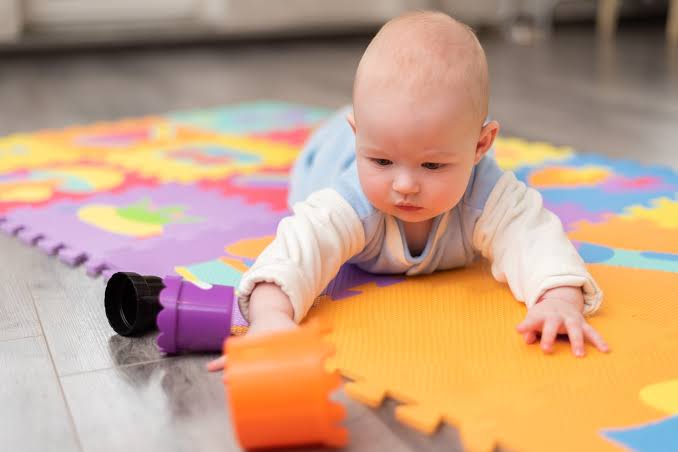
Understanding Childhood Developmental Milestones

Understanding Childhood Developmental Milestones

Every child grows and develops at their own pace, but there are common milestones that help parents and caregivers understand how children are progressing. Understanding Childhood Developmental Milestones is important because these milestones provide valuable insights into a child’s physical, cognitive, emotional, social, and language development. Monitoring developmental progress can help families recognize strengths, support learning, and identify when additional evaluation may be beneficial.

Developmental milestones are not strict deadlines. Children may achieve skills slightly earlier or later than others while still experiencing healthy development. Regular pediatric checkups and supportive home environments play an important role in encouraging healthy growth.

What Are Developmental Milestones?

Developmental milestones are age-related skills and abilities that most children achieve as they grow. These milestones help track progress across several important areas of development.

Major developmental areas include:

  • Physical development
  • Motor skills
  • Language and communication
  • Cognitive development
  • Social interaction
  • Emotional development

Monitoring these areas helps parents better understand their child’s overall growth.

Why Developmental Milestones Matter

Tracking developmental milestones helps ensure children receive appropriate support during every stage of childhood. Early recognition of developmental differences allows families to seek professional guidance when needed.

Understanding developmental milestones can help:

  • Monitor healthy growth
  • Encourage age-appropriate learning
  • Support physical development
  • Strengthen communication skills
  • Build social confidence
  • Promote emotional well-being

Every child develops at an individual pace, and milestones serve as general guidelines rather than exact expectations.

Physical Development in Early Childhood

Physical growth is one of the most noticeable aspects of childhood development. As children grow, they gradually gain strength, coordination, and balance.

Examples of physical development include:

  • Rolling over
  • Sitting independently
  • Crawling
  • Standing
  • Walking
  • Running
  • Jumping

Providing opportunities for active play helps children strengthen their muscles and improve coordination.

Fine Motor Skill Development

Fine motor skills involve small muscle movements, particularly in the hands and fingers. These skills are essential for daily activities and learning.

Children gradually learn to:

  • Pick up small objects
  • Hold crayons or pencils
  • Turn book pages
  • Stack blocks
  • Use child-safe utensils
  • Button clothing

Simple activities like drawing, building blocks, and puzzles encourage fine motor development.

Language and Communication Skills

Language development allows children to express their needs, understand others, and build relationships.

Communication milestones often include:

  • Responding to voices
  • Babbling during infancy
  • Saying first words
  • Forming simple sentences
  • Following instructions
  • Asking questions
  • Holding conversations

Reading books together and talking with children every day supports healthy language development.

Cognitive Development

Cognitive development involves learning, thinking, memory, and problem-solving. As children grow, they become more curious about the world around them.

Cognitive skills include:

  • Recognizing familiar people
  • Solving simple problems
  • Understanding cause and effect
  • Sorting objects by shape or color
  • Following routines
  • Developing memory skills

Providing educational toys, books, and interactive play helps stimulate cognitive growth.

Social Development

Social skills help children interact with family members, friends, teachers, and others.

Healthy social development includes:

  • Smiling at familiar faces
  • Playing alongside other children
  • Sharing toys
  • Taking turns
  • Building friendships
  • Cooperating in group activities

Positive social experiences help children develop confidence and emotional security.

Emotional Development

Children gradually learn to recognize, express, and manage their emotions.

Emotional milestones may include:

  • Showing affection
  • Expressing happiness
  • Demonstrating empathy
  • Managing frustration
  • Developing self-confidence
  • Learning self-control

Parents can support emotional development by providing encouragement, consistency, and a secure environment.

The Importance of Play

Play is one of the most effective ways children learn and develop new skills. Different types of play contribute to various aspects of growth.

Benefits of play include:

  • Improving creativity
  • Building communication skills
  • Enhancing problem-solving abilities
  • Supporting physical development
  • Encouraging social interaction
  • Developing emotional resilience

Providing opportunities for both structured and unstructured play supports healthy childhood development.

Nutrition Supports Healthy Development

Proper nutrition provides the energy and nutrients children need for growth and learning.

A healthy diet should include:

  • Fruits
  • Vegetables
  • Whole grains
  • Lean proteins
  • Dairy products or suitable alternatives
  • Plenty of water

Balanced nutrition supports brain development, bone health, and physical growth.

The Role of Sleep

Sleep is essential for healthy childhood development. During sleep, the body and brain continue important growth and repair processes.

Healthy sleep supports:

  • Brain development
  • Memory
  • Learning
  • Emotional regulation
  • Physical growth
  • Overall well-being

Establishing consistent bedtime routines helps children get adequate rest.

Regular Health Checkups

Routine pediatric visits allow healthcare providers to monitor a child’s growth and development while offering guidance tailored to each stage of childhood.

Regular checkups help:

  • Track growth measurements
  • Monitor developmental progress
  • Identify concerns early
  • Provide preventive healthcare
  • Answer parents’ questions

Preventive care supports healthy development from infancy through adolescence.

When to Seek Professional Advice

While children develop at different rates, parents should speak with a healthcare professional if they notice persistent concerns, such as:

  • Limited eye contact
  • Significant delays in speech
  • Difficulty walking compared with expected developmental stages
  • Loss of previously learned skills
  • Limited social interaction
  • Difficulty responding to sounds or voices

Early evaluation does not always indicate a serious problem, but it can help identify whether additional support or assessment is appropriate.

How Parents Can Support Healthy Development

Parents and caregivers play a vital role in encouraging healthy growth through everyday interactions.

Helpful ways to support development include:

  • Reading together daily
  • Talking and listening to your child
  • Encouraging active play
  • Providing nutritious meals
  • Establishing consistent routines
  • Offering praise and positive encouragement
  • Limiting excessive screen time
  • Scheduling regular pediatric checkups

A supportive and nurturing environment helps children develop confidence and important life skills.

Dr. Nikil Sudarsan is a highly experienced Pediatrician in Dubai, dedicated to providing comprehensive healthcare for infants, children, and adolescents. With expertise in Pediatric Neurology, Child Development, Autism, ADHD, Epilepsy, Genetics, and Developmental Disorders, he offers personalized, evidence-based care tailored to each child’s unique needs. Using the latest medical advancements and a family-centered approach, Dr. Nikil Sudarsan focuses on promoting healthy growth, early diagnosis, effective treatment, and long-term well-being, ensuring the best possible outcomes for every child. 
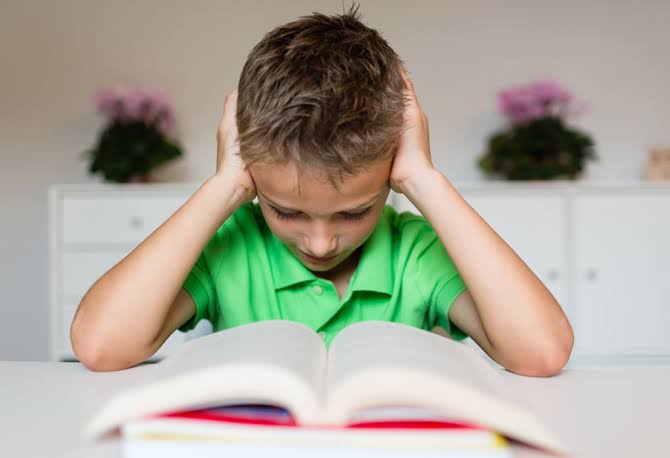
Understanding Learning Difficulties in Children

Understanding Learning Difficulties in Children

Every child learns at their own pace, developing skills and knowledge through unique experiences. While some children quickly grasp new concepts, others may need additional time or support in specific areas. Learning difficulties are not a reflection of intelligence or motivation but rather differences in how the brain processes and understands information. Recognizing these challenges early allows children to receive the guidance they need to reach their full potential.

Understanding Learning Difficulties in Children helps parents, caregivers, and educators identify early signs, provide appropriate support, and create positive learning environments. With patience, encouragement, and individualized strategies, children with learning difficulties can develop confidence and achieve academic and personal success.

What Are Learning Difficulties?

Learning difficulties refer to challenges in acquiring, processing, or using information that can affect academic performance. These difficulties may impact one or more areas of learning while a child’s overall intelligence remains within the typical range.

Learning difficulties can affect:

  • Reading
  • Writing
  • Spelling
  • Mathematics
  • Language skills
  • Memory
  • Attention
  • Organization

Every child experiences these challenges differently, making individualized support essential.

Common Signs of Learning Difficulties

The signs of learning difficulties vary depending on the child’s age and the specific area of concern. Some children may struggle with only one subject, while others may experience challenges across multiple areas.

Common signs include:

  • Difficulty recognizing letters or words
  • Trouble reading fluently
  • Frequent spelling mistakes
  • Difficulty understanding instructions
  • Challenges with basic math concepts
  • Poor concentration
  • Trouble remembering information
  • Difficulty organizing schoolwork

Recognizing these signs early can lead to timely support and improved learning outcomes.

Possible Causes of Learning Difficulties

Learning difficulties can develop for various reasons, and in many cases, there is no single identifiable cause. They often result from differences in brain development and information processing.

Possible contributing factors include:

  • Genetic influences
  • Differences in brain development
  • Premature birth
  • Early developmental delays
  • Hearing or vision problems
  • Neurological conditions

Understanding the underlying factors helps guide appropriate evaluation and support.

Different Types of Learning Difficulties

Learning difficulties can affect different academic skills. Some children may experience challenges in one area, while others may have difficulties in several areas.

Common learning challenges include:

Reading Difficulties

Some children have trouble recognizing words, understanding written text, or reading accurately and fluently.

Writing Difficulties

Writing challenges may include poor handwriting, difficulty organizing ideas, spelling problems, or trouble expressing thoughts in written form.

Mathematics Difficulties

Children may struggle with numbers, calculations, problem-solving, or understanding mathematical concepts.

Language Processing Difficulties

Some children find it difficult to understand spoken language, follow instructions, or express themselves clearly.

The Importance of Early Identification

Early recognition of learning difficulties allows children to receive appropriate interventions before academic challenges become more significant.

Early identification can help:

  • Improve learning outcomes
  • Build confidence
  • Reduce frustration
  • Support emotional well-being
  • Encourage positive school experiences

The earlier support begins, the greater the opportunity for progress.

How Learning Difficulties Affect Daily Life

Learning difficulties can influence more than academic performance. Children may also experience emotional, social, and behavioral challenges if they struggle to keep up with peers.

Possible effects include:

  • Reduced self-confidence
  • Anxiety about school
  • Difficulty completing homework
  • Avoidance of learning activities
  • Frustration during classroom tasks

Supportive environments can help children overcome these challenges.

Supporting Children at Home

Parents play an essential role in helping children develop learning skills and confidence. A positive home environment encourages growth and resilience.

Helpful strategies include:

  • Establishing consistent study routines
  • Breaking tasks into smaller steps
  • Offering encouragement
  • Celebrating progress
  • Reading together regularly

Patience and consistency help children build confidence in their abilities.

Supporting Learning at School

Teachers and schools play an important role in identifying and supporting learning difficulties. Collaboration between parents and educators helps ensure children receive consistent guidance.

School support may include:

  • Individualized learning strategies
  • Additional classroom assistance
  • Modified teaching methods
  • Regular progress monitoring
  • Clear communication with families

Working together creates a supportive educational experience.

Building Confidence in Children

Children with learning difficulties often benefit from positive reinforcement and encouragement. Focusing on strengths rather than weaknesses helps develop self-esteem.

Parents and educators can:

  • Praise effort instead of perfection
  • Encourage problem-solving
  • Recognize achievements
  • Support hobbies and interests
  • Help children set realistic goals

Confidence plays an important role in successful learning.

Creating Effective Learning Habits

Good study habits can make learning more manageable and enjoyable.

Helpful habits include:

  • Maintaining a regular homework schedule
  • Studying in a quiet environment
  • Taking short breaks
  • Using visual learning tools
  • Practicing new skills consistently

Small improvements over time can lead to meaningful progress.

The Role of Healthy Lifestyle Habits

A child’s overall health can influence concentration, memory, and learning ability.

Healthy habits include:

  • Getting enough sleep
  • Eating balanced meals
  • Staying physically active
  • Limiting excessive screen time
  • Managing stress effectively

A healthy lifestyle supports both physical and cognitive development.

Encouraging Social and Emotional Well-Being

Children with learning difficulties may sometimes feel isolated or discouraged. Emotional support is essential for helping them build resilience.

Parents can support emotional well-being by:

  • Listening without judgment
  • Encouraging friendships
  • Teaching coping strategies
  • Promoting positive self-talk
  • Creating opportunities for success

Strong emotional support helps children face challenges with confidence.

When to Seek Professional Guidance

If learning challenges continue despite additional support or significantly affect school performance and daily activities, it may be beneficial to seek professional guidance.

An evaluation can help identify:

  • Specific learning challenges
  • Strengths and areas for improvement
  • Appropriate educational strategies
  • Individualized support plans

Early assessment can provide valuable direction for both families and educators.

Long-Term Outlook for Children With Learning Difficulties

With the right support, children with learning difficulties can make meaningful progress and achieve success in school and beyond. Every child has unique strengths, and recognizing those strengths is an important part of building confidence and motivation.

Ongoing encouragement, individualized teaching methods, and strong family involvement help children develop the skills they need to become independent learners.

Dr. Nikil Sudarsan is a highly experienced Pediatrician in Dubai, dedicated to providing comprehensive healthcare for infants, children, and adolescents. With expertise in Pediatric Neurology, Child Development, Autism, ADHD, Epilepsy, Genetics, and Developmental Disorders, he offers personalized, evidence-based care tailored to each child’s unique needs. Using the latest medical advancements and a family-centered approach, Dr. Nikil Sudarsan focuses on promoting healthy growth, early diagnosis, effective treatment, and long-term well-being, ensuring the best possible outcomes for every child. 

Childhood Obesity: Risk Factors, Causes, and Prevention

Childhood Obesity: Causes and Prevention

Childhood obesity is a growing health concern that can affect a child’s physical health, emotional well-being, and overall quality of life. It occurs when a child gains excess body weight compared to what is considered healthy for their age, height, and stage of development. Addressing childhood obesity early helps children build healthier habits and reduces the risk of future health challenges.

Understanding Childhood Obesity: Causes and Prevention helps parents recognize contributing factors, encourage healthy lifestyle choices, and support children in maintaining balanced growth. Prevention focuses on nutrition, physical activity, emotional support, and creating a positive home environment.

What Is Childhood Obesity?

Childhood obesity refers to excessive weight gain caused by an imbalance between energy intake and energy use. When children regularly consume more calories than their bodies need and do not engage in enough physical activity, excess weight may develop over time.

Childhood weight management involves considering:

  • Growth patterns
  • Eating habits
  • Activity levels
  • Family lifestyle
  • Overall health

Every child develops differently, so healthy growth should be evaluated based on individual needs.

Common Causes of Childhood Obesity

Childhood obesity usually results from a combination of lifestyle, environmental, and biological factors rather than a single cause.

Common contributing factors include:

  • Unbalanced diet
  • Low physical activity
  • Excessive screen time
  • Poor sleep habits
  • Family lifestyle patterns
  • Emotional factors
  • Genetic influences

Understanding these causes helps families take practical steps toward prevention.

The Role of Nutrition in Childhood Obesity

Diet plays an important role in a child’s growth and weight management. Regular consumption of nutrient-rich foods supports healthy development, while excessive intake of processed and high-sugar foods can contribute to unhealthy weight gain.

A balanced diet should include:

  • Fruits and vegetables
  • Whole grains
  • Lean proteins
  • Dairy products or suitable alternatives
  • Healthy fats
  • Adequate water intake

Teaching children healthy eating habits early can influence their choices as they grow.

Impact of Sugary Foods and Drinks

Foods and beverages high in added sugars can contribute significantly to excess calorie intake. Frequent consumption of sugary items may increase the risk of unhealthy weight gain.

Common sources of added sugar include:

  • Soft drinks
  • Sweetened juices
  • Candies
  • Packaged snacks
  • Desserts
  • Sugary cereals

Encouraging healthier alternatives helps children develop better eating habits.

Importance of Physical Activity

Regular physical activity is essential for children’s physical development and overall health. Active children are more likely to maintain healthy body weight and develop strong muscles and bones.

Physical activity supports:

  • Healthy weight management
  • Better coordination
  • Improved fitness
  • Stronger bones
  • Positive mood

Children should be encouraged to participate in activities they enjoy, such as sports, outdoor play, cycling, or swimming.

The Effect of Screen Time on Childhood Obesity

Increased screen time can contribute to childhood obesity by reducing opportunities for physical activity and encouraging sedentary habits.

Excessive screen use may be linked to:

  • Less active play
  • Increased snacking
  • Irregular sleep patterns
  • Reduced movement

Creating balanced screen habits helps children maintain a healthier lifestyle.

The Importance of Healthy Sleep Habits

Sleep plays an important role in childhood growth, energy levels, and weight regulation. Poor sleep patterns may affect appetite, mood, and daily activity levels.

Healthy sleep habits include:

  • Maintaining regular bedtime routines
  • Creating a comfortable sleep environment
  • Limiting screen use before bedtime
  • Ensuring adequate sleep duration

Good sleep supports overall child development.

Emotional Factors and Childhood Weight

Children’s emotions can influence eating habits and activity levels. Stress, boredom, or emotional challenges may sometimes lead to unhealthy eating behaviors.

Parents can support emotional health by:

  • Encouraging open communication
  • Providing emotional support
  • Avoiding using food as a reward
  • Helping children manage stress

A positive emotional environment supports healthier choices.

Family Influence on Healthy Habits

Children often learn behaviors by observing their families. Parents and caregivers play an important role in creating a healthy lifestyle environment.

Families can support healthy habits by:

  • Eating balanced meals together
  • Being physically active as a family
  • Keeping healthy foods available
  • Encouraging positive attitudes toward food

Small changes at home can have a lasting impact.

Preventing Childhood Obesity Through Healthy Eating Habits

Prevention begins with creating balanced eating routines that provide children with the nutrients they need.

Helpful habits include:

  • Eating regular meals
  • Including vegetables and fruits daily
  • Choosing healthy snacks
  • Limiting processed foods
  • Encouraging mindful eating

Healthy habits should be introduced gradually and positively.

Encouraging Positive Relationships With Food

It is important for children to develop a healthy relationship with food. Food should be viewed as a source of nourishment and enjoyment rather than something associated with guilt or restriction.

Parents can encourage healthy attitudes by:

  • Offering a variety of foods
  • Avoiding negative comments about body size
  • Teaching portion awareness
  • Encouraging listening to hunger signals

Positive approaches support emotional and physical health.

Role of Regular Health Monitoring

Regular health check-ups help monitor children’s growth and development. Healthcare professionals can provide guidance based on individual needs.

Monitoring may include:

  • Tracking growth patterns
  • Discussing nutrition
  • Reviewing activity levels
  • Identifying potential concerns early

Early awareness allows families to make supportive changes.

Supporting Children Without Pressure

Helping children maintain a healthy weight should focus on wellness rather than appearance. Positive encouragement is more effective than criticism.

Supportive approaches include:

  • Celebrating healthy choices
  • Encouraging activities they enjoy
  • Building confidence
  • Focusing on strength and energy

A positive environment helps children develop lasting habits.

Long-Term Benefits of Prevention

Preventing childhood obesity supports better health during childhood and adulthood. Healthy habits developed early can reduce future health risks and improve quality of life.

Benefits include:

  • Better physical fitness
  • Improved confidence
  • Healthy growth patterns
  • Reduced risk of weight-related health concerns
  • Stronger lifestyle habits

Early prevention creates a foundation for lifelong wellness.

Dr. Nikil Sudarsan is a highly experienced Pediatrician in Dubai, dedicated to providing comprehensive healthcare for infants, children, and adolescents. With expertise in Pediatric Neurology, Child Development, Autism, ADHD, Epilepsy, Genetics, and Developmental Disorders, he offers personalized, evidence-based care tailored to each child’s unique needs. Using the latest medical advancements and a family-centered approach, Dr. Nikil Sudarsan focuses on promoting healthy growth, early diagnosis, effective treatment, and long-term well-being, ensuring the best possible outcomes for every child. 

Understanding Childhood Anxiety

Understanding Childhood Anxiety

Children experience many emotions as they grow, including happiness, excitement, frustration, and fear. Occasional worries are a normal part of childhood development, but when fear or worry becomes frequent, intense, or affects daily activities, it may be a sign of childhood anxiety.

Understanding Childhood Anxiety helps parents recognize emotional changes, provide appropriate support, and create a safe environment where children can learn healthy ways to manage their feelings. Early awareness and support can help children develop confidence, resilience, and better emotional skills.

What Is Childhood Anxiety?

Childhood anxiety refers to excessive worry, fear, or nervousness that goes beyond typical childhood concerns. It can affect how children think, feel, behave, and respond to everyday situations.

Children with anxiety may experience concerns related to:

  • School activities
  • Social situations
  • Separation from parents
  • New experiences
  • Health or safety worries
  • Everyday challenges

Anxiety can appear differently in each child, making awareness important.

Why Do Children Experience Anxiety?

Many factors can contribute to anxiety during childhood. Emotional development, personal experiences, and environmental factors can all influence how children respond to stress.

Possible factors include:

  • Major life changes
  • Family transitions
  • Academic pressure
  • Social difficulties
  • Personality traits
  • Fear of unfamiliar situations
  • Stressful experiences

Understanding these influences helps parents provide better emotional support.

Common Signs of Childhood Anxiety

Children may not always express anxiety through words. Instead, they may show changes in behavior, emotions, or physical responses.

Common signs may include:

  • Excessive worrying
  • Difficulty separating from parents
  • Avoiding certain activities
  • Increased irritability
  • Trouble concentrating
  • Changes in sleep patterns
  • Frequent reassurance seeking

Recognizing these signs early allows parents to respond with understanding.

Physical Signs of Anxiety in Children

Anxiety can affect the body as well as emotions. Some children may experience physical symptoms when they feel worried or overwhelmed.

Physical signs may include:

  • Stomach discomfort
  • Headaches
  • Increased tiredness
  • Changes in appetite
  • Restlessness
  • Muscle tension

These symptoms can sometimes be difficult for children to explain, so parents should pay attention to patterns.

Different Types of Childhood Anxiety

Childhood anxiety can appear in different forms depending on the child’s concerns and experiences.

Common types include:

Separation Anxiety

Some children experience intense worry when separated from parents or caregivers. This can affect school attendance, social activities, or daily routines.

Social Anxiety

Social anxiety involves fear or discomfort in social situations, such as meeting new people, speaking in groups, or participating in activities.

Generalized Anxiety

Some children may worry about many areas of life, including school, family, health, or future events.

Specific Fears

Some children develop strong fears related to specific situations, objects, or experiences.

Understanding the type of anxiety can help determine the most appropriate support approach.

How Parents Can Support a Child With Anxiety

Parents play an important role in helping children understand and manage anxiety. A supportive response can help children feel safe and confident.

Helpful strategies include:

  • Listening calmly
  • Acknowledging feelings
  • Offering reassurance
  • Encouraging communication
  • Teaching coping skills
  • Supporting gradual confidence-building

Children benefit from knowing that their feelings are understood.

Encourage Open Communication

Creating opportunities for honest conversations helps children express worries before they become overwhelming.

Parents can encourage communication by:

  • Asking about feelings regularly
  • Listening without judgment
  • Avoiding dismissing concerns
  • Helping children describe emotions
  • Showing patience

A trusting relationship makes it easier for children to share their experiences.

Teaching Healthy Coping Strategies

Children can learn skills that help them manage anxious feelings. These techniques provide tools for handling stressful situations.

Helpful coping methods include:

  • Deep breathing exercises
  • Relaxation activities
  • Positive thinking
  • Creative activities
  • Physical movement
  • Talking about emotions

Learning coping skills helps children feel more in control.

Maintaining Healthy Daily Routines

Predictable routines can provide children with a sense of security. Regular habits help reduce uncertainty and create emotional stability.

Healthy routines include:

  • Consistent sleep schedules
  • Balanced meals
  • Regular physical activity
  • Time for play and relaxation
  • Organized daily activities

A stable routine supports emotional well-being.

Helping Children Build Confidence

Confidence can help children face challenges more effectively. Parents can encourage confidence by supporting independence and celebrating effort.

Ways to build confidence include:

  • Encouraging problem-solving
  • Praising progress
  • Allowing age-appropriate responsibilities
  • Supporting new experiences
  • Recognizing strengths

Confidence grows when children learn they can handle difficulties.

The Importance of Avoiding Excessive Reassurance

While reassurance can comfort children, repeatedly providing reassurance may sometimes strengthen anxiety. Instead, parents can help children develop confidence in managing situations.

Supportive approaches include:

  • Encouraging coping skills
  • Helping children face manageable challenges
  • Focusing on solutions
  • Building independence

The goal is to help children feel capable.

How Schools Can Support Children With Anxiety

Schools play an important role in children’s emotional development. Teachers and caregivers can help create supportive learning environments.

School support may include:

  • Encouraging positive friendships
  • Providing a safe classroom environment
  • Recognizing emotional challenges
  • Supporting learning needs

A collaborative approach benefits children.

When to Seek Additional Support

Some anxiety is a normal part of childhood, but additional guidance may be helpful when anxiety significantly affects daily life.

Parents may consider seeking support if a child experiences:

  • Persistent fear or worry
  • Difficulty attending school
  • Avoidance of normal activities
  • Ongoing sleep problems
  • Significant changes in behavior

Early support can help children develop effective emotional skills.

Supporting Long-Term Emotional Health

Helping children manage anxiety contributes to long-term emotional development. Learning how to understand feelings, solve problems, and handle challenges builds resilience.

Long-term support includes:

  • Encouraging emotional awareness
  • Maintaining positive relationships
  • Teaching coping strategies
  • Providing consistent guidance

These skills help children navigate future challenges.

Dr. Nikil Sudarsan is a highly experienced Pediatrician in Dubai, dedicated to providing comprehensive healthcare for infants, children, and adolescents. With expertise in Pediatric Neurology, Child Development, Autism, ADHD, Epilepsy, Genetics, and Developmental Disorders, he offers personalized, evidence-based care tailored to each child’s unique needs. Using the latest medical advancements and a family-centered approach, Dr. Nikil Sudarsan focuses on promoting healthy growth, early diagnosis, effective treatment, and long-term well-being, ensuring the best possible outcomes for every child.