
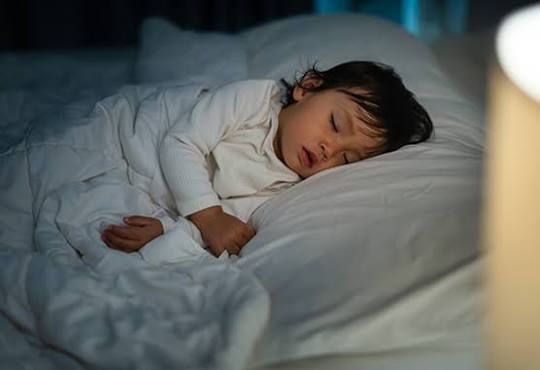
Sleep is essential for a child’s physical growth, emotional well-being, learning, and overall development. While occasional restless nights are normal, persistent sleep problems should never be ignored. Knowing when childhood sleep problems need medical attention can help parents identify underlying health concerns early and ensure their child gets the support they need.
This guide explains common childhood sleep issues, warning signs to watch for, possible causes, and when to consult a healthcare professional.
Why Quality Sleep Matters for Children
Children require sufficient sleep to support brain development, strengthen the immune system, regulate emotions, and maintain healthy growth. Poor sleep can affect:
- Learning and memory
- Concentration in school
- Mood and behavior
- Physical development
- Immune function
- Energy levels
Consistent sleep disturbances can have long-term effects if left untreated.
Common Childhood Sleep Problems
Many children experience temporary sleep difficulties. Some of the most common include:
Difficulty Falling Asleep
Children may resist bedtime or struggle to fall asleep due to anxiety, overstimulation, or inconsistent bedtime routines.
Frequent Night Wakings
Occasional waking is normal, but repeated awakenings that interfere with sleep quality may require evaluation.
Nightmares and Night Terrors
Nightmares are common and usually remembered the next morning. Night terrors often occur during deep sleep, and children typically have no memory of the episode.
Sleepwalking
Sleepwalking is relatively common in children and often improves with age. However, frequent episodes may need medical assessment.
Snoring
Occasional snoring may not be concerning, but loud, persistent snoring can indicate obstructive sleep apnea.
Signs That Childhood Sleep Problems Need Medical Attention
Understanding when childhood sleep problems need medical attention is important because some symptoms may point to underlying medical conditions.
Persistent Sleep Difficulties
If your child has trouble sleeping for several weeks despite healthy sleep habits, it’s time to consult a healthcare provider.
Loud Snoring or Pauses in Breathing
Regular snoring accompanied by gasping, choking, or breathing pauses during sleep may indicate sleep apnea, which requires medical evaluation.
Excessive Daytime Sleepiness
Children who frequently appear tired, fall asleep during the day, or struggle to stay awake despite adequate sleep time should be assessed.
Behavioral Changes
Sleep deprivation can cause:
- Irritability
- Hyperactivity
- Difficulty concentrating
- Poor school performance
- Mood swings
If these symptoms persist alongside sleep problems, professional advice is recommended.
Frequent Nightmares or Night Terrors
Occasional episodes are common, but frequent events causing distress or affecting daily life deserve medical attention.
Restless Sleep
Constant tossing, kicking, or unusual movements during sleep may indicate restless legs syndrome or other sleep disorders.
Bedwetting After Long Periods of Dryness
Sudden bedwetting in an older child after previously staying dry at night may warrant further evaluation.
Possible Medical Causes of Sleep Problems
Several health conditions can contribute to ongoing sleep disturbances, including:
Obstructive Sleep Apnea
This condition occurs when the airway becomes partially blocked during sleep, causing interrupted breathing and poor-quality rest.
Allergies and Asthma
Nasal congestion or nighttime coughing can interfere with comfortable sleep.
Gastroesophageal Reflux (GERD)
Acid reflux may cause discomfort that wakes children during the night.
Anxiety and Stress
School pressures, family changes, or emotional concerns can significantly affect sleep quality.
Iron Deficiency
Low iron levels may contribute to restless legs syndrome or restless sleep.
Neurological Conditions
Certain neurological disorders can affect sleep patterns and should be evaluated by a specialist.
Risk Factors for Sleep Disorders
Some children have a higher likelihood of developing sleep problems due to:
- Enlarged tonsils or adenoids
- Obesity
- Family history of sleep disorders
- Chronic allergies
- Asthma
- Developmental conditions
- Anxiety disorders
How Doctors Diagnose Childhood Sleep Problems
A healthcare provider will usually begin by discussing:
- Sleep schedule
- Bedtime routine
- Sleep environment
- Medical history
- Family history
- Daytime symptoms
In some cases, additional tests may be recommended, such as:
- Sleep studies (polysomnography)
- Blood tests
- Allergy evaluation
- ENT examination
These assessments help identify the underlying cause and guide treatment.
Treatment Options
Treatment depends on the cause of the sleep problem.
Healthy Sleep Habits
Many children benefit from improved sleep hygiene, including:
- Consistent bedtime and wake-up times
- Limiting screen time before bed
- Comfortable sleep environment
- Relaxing bedtime routine
Medical Treatment
Depending on the diagnosis, treatment may include:
- Allergy management
- Treatment for asthma
- Iron supplements (when prescribed)
- Management of acid reflux
- Treatment for anxiety
Surgery
Children with enlarged tonsils or adenoids causing sleep apnea may benefit from surgical treatment if recommended by their healthcare provider.
Behavioral Therapy
Behavioral interventions can help children with insomnia, anxiety-related sleep issues, or bedtime resistance.
Tips for Parents
Parents can support healthy sleep by:
- Following a predictable bedtime routine.
- Encouraging regular physical activity.
- Avoiding caffeine-containing drinks.
- Keeping bedrooms cool, dark, and quiet.
- Limiting electronic devices before bedtime.
- Monitoring sleep patterns and symptoms.
When to Seek Immediate Medical Care
Seek urgent medical attention if your child:
- Stops breathing during sleep
- Has severe difficulty breathing at night
- Experiences frequent choking or gasping
- Is extremely difficult to wake
- Has seizures during sleep
Prompt evaluation can help prevent complications.
Dr. Nikil Sudarsan is a highly experienced Pediatrician in Dubai, dedicated to providing comprehensive healthcare for infants, children, and adolescents. With expertise in Pediatric Neurology, Child Development, Autism, ADHD, Epilepsy, Genetics, and Developmental Disorders, he offers personalized, evidence-based care tailored to each child’s unique needs. Using the latest medical advancements and a family-centered approach, Dr. Nikil Sudarsan focuses on promoting healthy growth, early diagnosis, effective treatment, and long-term well-being, ensuring the best possible outcomes for every child.