
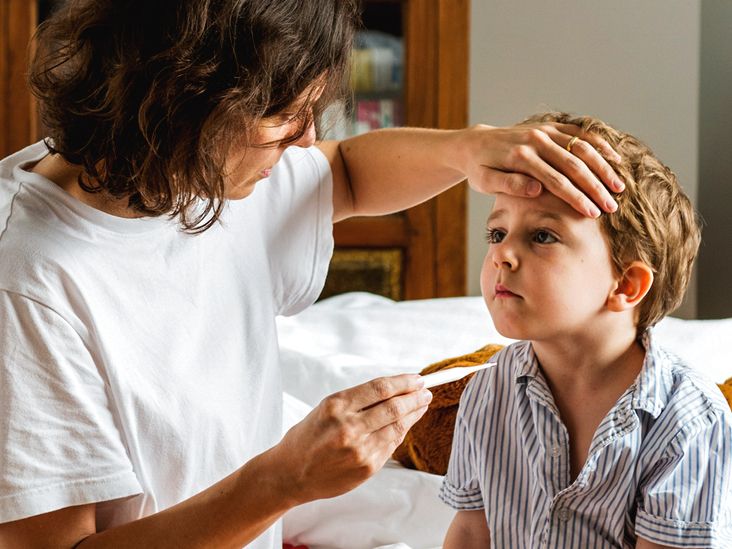
Fever in children is a common concern for parents, especially when a child suddenly develops a high temperature. Fever is usually a sign that the body is responding to an infection or another underlying condition. While most childhood fevers are temporary and improve with proper care, understanding the possible causes, symptoms, and treatment options can help parents respond calmly and appropriately.
A fever is generally considered a body temperature of 38°C (100.4°F) or higher when measured appropriately. The importance of a fever depends not only on the temperature but also on the child’s age, symptoms, behavior, hydration, and overall health.
Common Causes of Fever in Children
Infections are among the most common causes of fever in children. Viral infections such as colds, flu, and other respiratory illnesses can cause fever along with symptoms such as cough, runny nose, sore throat, tiredness, or body aches.
Bacterial infections can also lead to fever. Conditions such as ear infections, urinary tract infections, throat infections, and certain respiratory infections may require medical assessment and, in some cases, specific treatment.
Other possible causes include inflammation, heat-related illness, and, less commonly, certain medical conditions. Vaccinations may occasionally cause a mild, short-term fever as the immune system responds to the vaccine.
Symptoms That May Accompany Fever
The symptoms associated with fever can vary depending on its cause. A child may become tired, irritable, less active, or have a reduced appetite. Some children may experience chills or sweating as their temperature changes.
Other symptoms may include coughing, congestion, vomiting, diarrhea, headache, sore throat, body aches, or abdominal discomfort. Paying attention to these accompanying symptoms can help healthcare professionals understand what may be causing the fever.
Parents should also observe how the child behaves. A child who remains reasonably alert, drinks fluids, and interacts normally may need different care from a child who is unusually sleepy, difficult to wake, or showing signs of serious illness.
Managing Fever at Home
For many children with mild fever, supportive care is an important part of recovery. Encourage the child to drink plenty of fluids to help prevent dehydration. Water, milk, soups, and other suitable fluids can be offered according to the child’s age and usual diet.
Light, comfortable clothing can help the child remain comfortable. The room should be kept at a comfortable temperature, and excessive wrapping should be avoided.
Rest is also important. Children recovering from an infection may need more sleep and quiet activities until they feel better.
Parents should focus on the child’s comfort rather than trying to make the temperature completely normal. Fever itself is often part of the body’s response to infection.
Use of Fever-Reducing Medicines
When a child is uncomfortable because of fever, a healthcare professional may recommend an appropriate fever-reducing medicine. Common options include paracetamol or ibuprofen, depending on the child’s age, health, and individual circumstances.
Medication should always be given according to the recommended dose for the child’s age or weight and the instructions provided by a healthcare professional or on the medicine label. Parents should avoid giving aspirin to children unless specifically directed by a healthcare professional.
It is also important not to combine or alternate fever medicines unnecessarily without professional guidance, as this can increase the risk of dosing errors.
When Medical Evaluation Is Important
Some fevers require prompt medical attention. Very young infants with a fever should be assessed urgently because infections can become serious more quickly in this age group.
Medical evaluation is also important when fever persists, repeatedly returns, or is accompanied by concerning symptoms. Parents should seek professional advice if a child has difficulty breathing, severe weakness, persistent vomiting, signs of dehydration, severe pain, a stiff neck, unusual confusion, or difficulty waking.
A seizure associated with fever, particularly a first seizure, should also receive medical assessment.
Preventing Dehydration During Fever
Dehydration can occur when children lose fluids through sweating, vomiting, diarrhea, or reduced fluid intake. Signs may include a dry mouth, fewer wet diapers or trips to the bathroom, lack of tears when crying, unusual tiredness, or excessive thirst.
Offering small amounts of fluid frequently can be helpful when a child does not want to drink large quantities at once. Infants and young children require particular attention because they can become dehydrated more quickly.
If a child is unable to keep fluids down or shows signs of significant dehydration, medical care should be sought promptly.
Avoiding Common Fever Mistakes
Parents sometimes try to lower a fever using methods that may make a child uncomfortable or cause harm. Very cold baths, ice packs, or alcohol-based rubs should not be used to manage fever.
Overdressing a child or covering them with heavy blankets can also increase discomfort. Instead, focus on comfortable clothing, adequate fluids, rest, and appropriate medical advice.
Antibiotics should not be used for every fever. Many childhood infections are viral, and antibiotics do not treat viral infections. A healthcare professional should determine whether an antibiotic is appropriate.
Monitoring Your Child’s Condition
When a child has a fever, parents can monitor temperature and observe changes in behavior, fluid intake, urination, breathing, and other symptoms. Keeping track of when the fever started and which symptoms appeared can be useful during a medical consultation.
Temperature measurements should be taken using a reliable thermometer and an age-appropriate method. The number on the thermometer is only one part of assessing the child’s condition.
Supporting Recovery
Most children recover from common infections with rest, fluids, and appropriate supportive care. Nutritious foods can be offered when the child’s appetite returns, but forcing food is generally unnecessary when a child is temporarily eating less.
As the fever improves, children often gradually return to their normal activity levels. Parents should allow adequate rest and avoid pushing a child to resume strenuous activities too quickly.
Dr. Nikil Sudarsan is a highly experienced Pediatrician in Dubai, dedicated to providing comprehensive healthcare for infants, children, and adolescents. With expertise in Pediatric Neurology, Child Development, Autism, ADHD, Epilepsy, Genetics, and Developmental Disorders, he offers personalized, evidence-based care tailored to each child’s unique needs. Using the latest medical advancements and a family-centered approach, Dr. Nikil Sudarsan focuses on promoting healthy growth, early diagnosis, effective treatment, and long-term well-being, ensuring the best possible outcomes for every child.