
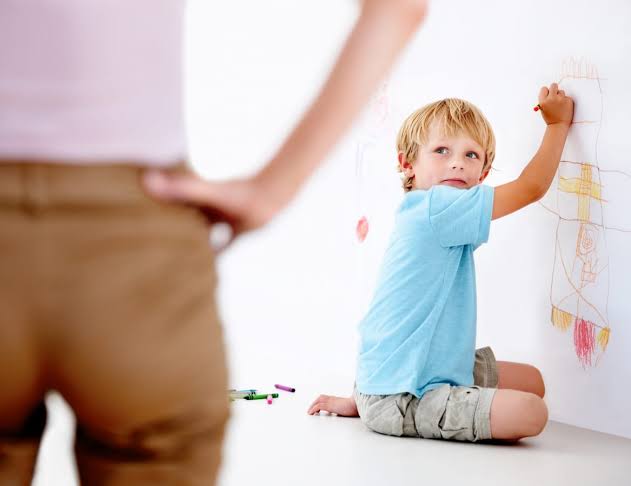
Children grow and develop at different rates, and their behavior changes as they learn to communicate, manage emotions, and interact with others. Understanding Childhood Behavioral Challenges helps parents and caregivers recognize behaviors that may be part of normal development while identifying situations where additional support may be beneficial. Every child experiences emotional ups and downs, but consistent guidance, patience, and a supportive environment can help children develop healthy coping skills and positive behaviors.
Behavioral challenges can occur at different stages of childhood and may be influenced by a child’s temperament, environment, developmental stage, health, and life experiences. Understanding these factors allows families to respond with empathy and appropriate strategies.
What Are Childhood Behavioral Challenges?
Behavioral challenges refer to actions or emotional responses that interfere with a child’s daily activities, relationships, learning, or overall well-being. Some behaviors are a normal part of growing up, while others may require professional evaluation if they are persistent, severe, or significantly affect daily life.
Behavioral challenges may include:
- Frequent temper tantrums
- Difficulty following instructions
- Aggressive behavior
- Anxiety or excessive worry
- Hyperactivity
- Difficulty concentrating
- Defiance
- Social withdrawal
- Emotional outbursts
Observing patterns over time is more helpful than focusing on isolated incidents.
Common Causes of Behavioral Challenges
Many factors can influence a child’s behavior. Understanding the possible causes helps parents respond more effectively.
Behavior may be affected by:
- Developmental stage
- Changes in routine
- Stressful life events
- Sleep difficulties
- Hunger or poor nutrition
- Learning challenges
- Emotional difficulties
- Family or school environment
Children often express emotions through behavior when they cannot fully communicate their feelings.
Emotional Development and Behavior
As children mature, they gradually learn to recognize, express, and manage their emotions. Younger children may struggle to control frustration, disappointment, or excitement because these skills are still developing.
Parents can support emotional growth by:
- Listening patiently
- Naming emotions
- Encouraging healthy expression
- Teaching calming techniques
- Providing reassurance
Helping children understand their emotions builds emotional resilience.
The Importance of Consistent Routines
Children often feel more secure when they know what to expect. Predictable daily routines provide structure and reduce uncertainty.
Helpful routines include:
- Regular meal times
- Consistent bedtime schedules
- Homework routines
- Family activities
- Daily playtime
Consistency helps children feel safe and encourages positive behavior.
Positive Communication Makes a Difference
Open communication strengthens the relationship between parents and children. Children are more likely to cooperate when they feel heard and understood.
Effective communication strategies include:
- Listening without interrupting
- Speaking calmly
- Giving clear instructions
- Offering encouragement
- Praising positive behavior
Positive communication helps children develop confidence and trust.
Encourage Positive Behavior
Recognizing and rewarding appropriate behavior is often more effective than focusing only on negative actions.
Parents can encourage positive behavior by:
- Praising good choices
- Setting achievable expectations
- Offering positive reinforcement
- Celebrating progress
- Being patient during setbacks
Positive reinforcement motivates children to repeat healthy behaviors.
Set Clear and Age-Appropriate Boundaries
Children benefit from clear rules and consistent expectations. Boundaries help them understand appropriate behavior while promoting responsibility.
Effective boundaries should be:
- Simple
- Consistent
- Fair
- Age appropriate
- Explained calmly
Consistency allows children to understand what is expected of them.
The Role of Sleep
Sleep has a significant impact on a child’s mood, behavior, learning, and attention. Inadequate sleep may contribute to irritability, difficulty concentrating, and emotional outbursts.
Healthy sleep habits include:
- Maintaining a consistent bedtime
- Creating a calming bedtime routine
- Limiting screen use before sleep
- Providing a comfortable sleeping environment
Adequate rest supports emotional regulation and healthy development.
Nutrition and Behavior
Balanced nutrition supports healthy brain development and steady energy levels throughout the day.
Healthy eating habits include:
- Fresh fruits
- Vegetables
- Whole grains
- Lean proteins
- Dairy products or suitable alternatives
- Drinking plenty of water
Regular meals and healthy snacks help maintain energy and support overall well-being.
Encourage Physical Activity
Daily physical activity helps children release energy, improve mood, and develop healthy coping skills.
Activities may include:
- Outdoor play
- Cycling
- Swimming
- Dancing
- Team sports
- Family walks
Regular movement benefits both physical and emotional health.
Limit Excessive Screen Time
While technology can support learning and entertainment, excessive screen time may affect sleep, attention, and social interaction.
Parents can encourage healthier habits by:
- Setting reasonable screen time limits
- Encouraging outdoor activities
- Promoting family interactions
- Offering creative play opportunities
- Modeling balanced technology use
A balanced routine supports healthy development.
Help Children Develop Problem-Solving Skills
Teaching children how to solve problems independently builds confidence and resilience.
Parents can encourage problem-solving by:
- Asking open-ended questions
- Discussing possible solutions
- Encouraging decision-making
- Supporting independence
- Praising effort rather than perfection
These skills prepare children to manage future challenges more effectively.
Recognize When Professional Support May Be Needed
While many behavioral challenges improve with guidance and maturity, some situations require professional evaluation.
Consider speaking with a healthcare professional if a child:
- Shows persistent aggression
- Has ongoing difficulty at school
- Experiences severe anxiety
- Frequently withdraws from family or friends
- Has significant attention or concentration difficulties
- Loses previously learned developmental skills
- Displays behaviors that interfere with daily functioning
Early assessment can help identify the cause and provide appropriate support.
Partner with Teachers and Caregivers
Parents, teachers, and caregivers all play important roles in supporting children’s behavior. Open communication between home and school helps create consistent expectations and encourages positive development.
Working together allows adults to:
- Share observations
- Monitor progress
- Reinforce positive behaviors
- Address concerns early
- Support the child’s emotional well-being
A collaborative approach benefits the child’s overall development.
Supporting Your Child Every Day
Children thrive when they feel safe, understood, and supported. Everyday actions can make a meaningful difference in their emotional and behavioral development.
Parents can help by:
- Spending quality time together
- Listening with empathy
- Encouraging healthy routines
- Providing positive reinforcement
- Modeling respectful behavior
- Being patient during difficult moments
Strong relationships provide children with the confidence to learn and grow.
Dr. Nikil Sudarsan is a highly experienced Pediatrician in Dubai, dedicated to providing comprehensive healthcare for infants, children, and adolescents. With expertise in Pediatric Neurology, Child Development, Autism, ADHD, Epilepsy, Genetics, and Developmental Disorders, he offers personalized, evidence-based care tailored to each child’s unique needs. Using the latest medical advancements and a family-centered approach, Dr. Nikil Sudarsan focuses on promoting healthy growth, early diagnosis, effective treatment, and long-term well-being, ensuring the best possible outcomes for every child.