
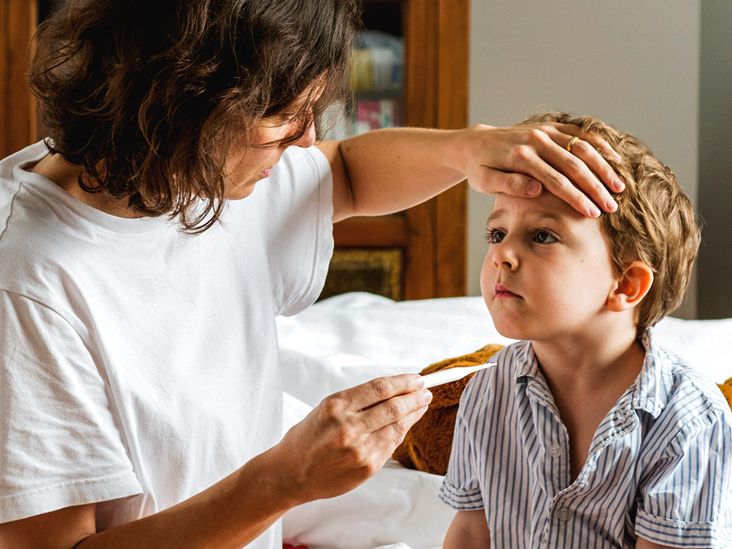
When Should Parents Worry About a Fever?

Preventing Common Childhood Diseases

When Should Parents Worry About a Fever? Fever is one of the most common reasons parents become concerned about their child’s health. A fever is usually a sign that the body is responding to an infection or illness. While many fevers are mild and improve with appropriate care, some situations require prompt medical attention. Understanding temperature levels, accompanying symptoms, and changes in a child’s behavior can help parents decide when professional medical advice is needed.

Understanding Fever in Children

Fever is generally considered a temporary increase in body temperature that occurs when the immune system responds to an infection or another condition. Common causes include viral infections, bacterial infections, and other illnesses.

The temperature alone does not always indicate how serious an illness is. A child with a relatively mild fever may sometimes need medical assessment, while another child with a higher temperature may remain comfortable and active. Parents should therefore consider the child’s age, behavior, symptoms, and overall condition.

Fever in Newborns and Young Infants

Parents should be particularly cautious when a very young baby develops a fever. Babies in the first few months of life have developing immune systems, and certain infections can become serious quickly.

A rectal temperature of 100.4°F (38°C) or higher in an infant younger than three months generally requires prompt medical evaluation. Parents should contact a healthcare professional rather than relying only on home treatment.

Very young babies may not always show obvious symptoms of illness. Changes in feeding, alertness, breathing, or behavior can be important signs to discuss with a healthcare professional.

When a Fever May Need Medical Attention

Parents should seek medical advice when a fever is accompanied by concerning symptoms. These may include difficulty breathing, unusual sleepiness, confusion, persistent vomiting, severe pain, a stiff neck, seizures, or a rash that appears unusual or concerning.

A child who is difficult to wake, extremely weak, or not responding normally should receive urgent medical attention.

Dehydration is another concern. Signs can include a dry mouth, significantly reduced urination, absence of tears when crying, or unusual tiredness. Children with fever may need additional fluids depending on their age and condition.

Pay Attention to the Child’s Behavior

A child’s behavior can provide useful information about how they are coping with an illness. A child who has a fever but continues to drink fluids, interact normally, and have periods of normal activity may be less concerning than a child who becomes unusually lethargic or difficult to comfort.

Parents should observe changes rather than focusing only on the number shown on a thermometer.

If a child appears significantly different from their usual behavior, professional medical advice can help determine whether further evaluation is appropriate.

Fever and Dehydration

Fever can increase fluid loss, especially when accompanied by sweating, vomiting, or diarrhea. Maintaining adequate hydration is therefore important.

Parents can offer age-appropriate fluids frequently. For babies, feeding may need to continue more frequently depending on their needs and healthcare guidance.

If a child cannot keep fluids down, is urinating much less than usual, or shows signs of significant dehydration, medical attention may be necessary.

How Parents Can Monitor a Fever

Using a reliable thermometer can help parents monitor temperature accurately. Different thermometer types and measurement methods can produce slightly different readings, so parents should follow the manufacturer’s instructions.

It can be useful to record the child’s temperature along with the time it was measured and any other symptoms. This information can help healthcare professionals understand how the illness is progressing.

Parents should avoid repeatedly checking the temperature without considering the child’s overall condition. Comfort, hydration, breathing, alertness, and behavior are also important.

Providing Comfort at Home

Many children with uncomplicated viral illnesses can be cared for at home while they recover. Rest and adequate fluids are important.

Parents can dress the child in comfortable clothing and keep the room at a pleasant temperature. Excessive layers or attempts to cool the child rapidly are generally unnecessary.

Medication for fever should only be given according to age-appropriate guidance and the correct dose. Parents should never give aspirin to children unless specifically instructed by a healthcare professional.

When Fever Lasts Longer

The duration of a fever can also influence whether medical advice is appropriate. A fever that continues for several days, repeatedly returns, or is associated with worsening symptoms should be discussed with a healthcare professional.

Parents should also seek advice if the child’s condition is not improving as expected or if new symptoms appear.

The appropriate response can depend on the child’s age, medical history, underlying conditions, and the suspected cause of the fever.

Fever With Other Warning Signs

Certain symptoms alongside fever should receive particular attention. Difficulty breathing, bluish or grayish skin, severe headache, stiff neck, seizures, persistent vomiting, significant dehydration, or a rapidly spreading or concerning rash can indicate a need for urgent assessment.

A child who becomes difficult to wake or does not respond normally should be assessed urgently.

Parents should trust their instincts when something seems significantly different from the child’s normal behavior. Seeking professional advice can provide reassurance or ensure that serious illness is identified promptly.

Avoid Common Fever Mistakes

Parents sometimes try to reduce fever by using very cold baths, ice, excessive clothing, or multiple medications. These approaches may cause discomfort or create unnecessary risks.

Instead, parents should focus on keeping the child comfortable, encouraging appropriate fluid intake, monitoring symptoms, and following professional guidance regarding medication.

It is also important not to give medications intended for adults to children unless specifically advised by a healthcare professional.

Dr. Nikil Sudarsan is a highly experienced Pediatrician in Dubai, dedicated to providing comprehensive healthcare for infants, children, and adolescents. With expertise in Pediatric Neurology, Child Development, Autism, ADHD, Epilepsy, Genetics, and Developmental Disorders, he offers personalized, evidence-based care tailored to each child’s unique needs. Using the latest medical advancements and a family-centered approach, Dr. Nikil Sudarsan focuses on promoting healthy growth, early diagnosis, effective treatment, and long-term well-being, ensuring the best possible outcomes for every child. 

Safe Sleeping Practices for Babies

When Should Parents Worry About a Fever?

Safe Sleeping Practices for Babies are essential for protecting infants during sleep and creating a healthy sleep environment. Newborns and young babies spend a significant amount of time sleeping, so parents and caregivers should understand how to make sleep as safe as possible. Following recommended sleep practices can help reduce preventable sleep-related risks while allowing babies to rest comfortably.

Create a Safe Sleep Environment

A baby’s sleeping area should be clean, firm, flat, and free from unnecessary objects. A firm mattress covered with a fitted sheet is generally recommended for infant sleep. Soft mattresses, loose bedding, pillows, cushions, and other items can create hazards for young babies.

The sleeping space should also be appropriately sized for the baby. Parents should avoid placing infants on sofas, armchairs, or other soft surfaces for routine sleep. These areas may increase the risk of accidental suffocation or entrapment.

Keeping the baby’s sleep area simple is one of the easiest ways to promote safer sleep.

Place Babies on Their Backs

One of the most important Safe Sleeping Practices for Babies is placing the baby on their back for every sleep, including naps and nighttime sleep. Babies should be positioned on a firm, flat sleep surface rather than on their stomach or side.

Once babies become capable of moving themselves into different positions, parents should continue starting every sleep by placing the baby on their back. Avoid using products designed to hold an infant in a particular sleeping position unless specifically recommended by a healthcare professional.

Keep the Crib Free From Loose Items

Parents may be tempted to add blankets, stuffed toys, bumpers, or pillows to make the crib look comfortable. However, babies generally do not need these items in their sleep space.

Loose objects can move over a baby’s face and potentially interfere with breathing. A safer approach is to keep the crib or bassinet free from pillows, toys, loose blankets, and other soft items.

A fitted sheet on a firm mattress is usually all that is needed for the baby’s sleeping surface.

Consider Room Sharing

Keeping a baby’s sleep space in the same room as the parents can make nighttime care more convenient while maintaining a separate sleeping surface for the infant.

A crib, bassinet, or other appropriate infant sleep space can be placed close to the parents’ bed. This arrangement allows caregivers to remain nearby while avoiding the risks associated with sharing the same adult sleep surface.

Room sharing can be especially practical during the early months when babies wake frequently for feeding and care.

Avoid Bed Sharing During Sleep

Sharing a bed with a baby can create additional risks, particularly when the adult is extremely tired or when pillows, blankets, or other bedding are present.

The safest approach is generally to provide the baby with their own designated sleep surface. Parents should also be particularly cautious about falling asleep with a baby on a sofa, couch, or armchair, where accidental trapping or suffocation can occur.

If a baby is brought into bed for feeding or comforting, parents should return the baby to their own sleep space when they are ready to sleep.

Maintain a Comfortable Temperature

Babies can become overheated more easily than adults, so their sleeping environment should be comfortably cool rather than excessively warm. Parents should avoid overdressing infants or using too many layers during sleep.

Signs of overheating can include sweating, hot skin, flushed appearance, or unusual restlessness. Clothing should be appropriate for the room temperature, and loose blankets should not be used as a way to keep babies warm.

Wearable sleep clothing designed for infants can be considered as an alternative to loose bedding.

Use Swaddling Carefully

Swaddling can help some newborns feel secure, but it needs to be done correctly. A swaddled baby should always be placed on their back to sleep, and the wrapping should not be excessively tight.

The baby’s hips and legs should have enough room to move naturally. Swaddling should be stopped when the baby shows signs of attempting to roll.

Parents should never use weighted swaddles or weighted sleep products for infants unless they have received specific professional guidance regarding their use.

Keep the Sleep Area Smoke-Free

Exposure to tobacco smoke can increase health risks for babies, including sleep-related risks. Maintaining a smoke-free home and avoiding smoking around the baby can contribute to a healthier environment.

Parents and caregivers should also avoid exposing babies to smoke from cigarettes, cigars, vaping products, or other sources.

Use Safe Sleep Products

Parents should choose sleep products that are specifically designed and approved for infant use. Before purchasing a crib, bassinet, or other sleep product, check that it meets applicable safety standards.

Avoid products that contain unnecessary padding or are marketed as sleep solutions without clear safety information. Infant sleep products should be used according to the manufacturer’s instructions.

Parents should also regularly inspect the sleep area for damaged components, loose parts, or worn materials.

Establish Healthy Sleep Habits

Safe Sleeping Practices for Babies are not limited to the physical sleep environment. Establishing a calm bedtime routine can also help babies gradually learn the difference between daytime and nighttime.

Simple activities such as dimming the lights, changing the baby, feeding, and gently soothing them can become part of a predictable routine. Newborns naturally wake frequently, so parents should not expect a consistent sleep schedule immediately.

As babies mature, their sleep patterns may gradually become more predictable.

Educate Everyone Who Cares for the Baby

Anyone responsible for caring for an infant should understand the same safe-sleep principles. Grandparents, relatives, babysitters, and childcare providers should know that babies need to be placed on their backs in a clear, firm, and flat sleep space.

Consistent practices are important because unsafe sleep situations can occur when caregivers are unfamiliar with current recommendations.

Regularly Review Sleep Safety

As babies grow, their abilities and sleep needs change. Parents should regularly review their baby’s sleep environment and make adjustments as necessary.

Once a baby begins rolling, crawling, or becoming more mobile, certain sleep arrangements may need to be reconsidered. Keeping the sleep area free from hazards remains important throughout infancy.

Dr. Nikil Sudarsan is a highly experienced Pediatrician in Dubai, dedicated to providing comprehensive healthcare for infants, children, and adolescents. With expertise in Pediatric Neurology, Child Development, Autism, ADHD, Epilepsy, Genetics, and Developmental Disorders, he offers personalized, evidence-based care tailored to each child’s unique needs. Using the latest medical advancements and a family-centered approach, Dr. Nikil Sudarsan focuses on promoting healthy growth, early diagnosis, effective treatment, and long-term well-being, ensuring the best possible outcomes for every child. 

Newborn Growth and Development Milestones

Newborn Growth and Development Milestones

Newborn Growth and Development Milestones help parents understand how their baby is progressing during the first few months of life. Every newborn develops at their own pace, but certain physical, cognitive, sensory, and social changes are commonly seen as babies grow. Knowing what to expect can help parents support healthy development and recognize when professional guidance may be useful.

Understanding Newborn Growth

The newborn period is a time of rapid growth and adjustment. During the first few weeks, babies gradually adapt to life outside the womb. Weight, length, head circumference, feeding patterns, sleep, and physical activity are commonly monitored to understand overall growth.

It is normal for newborns to lose some weight shortly after birth and gradually regain it. Regular feeding, adequate sleep, and appropriate care support healthy growth. Healthcare professionals may monitor growth using standardized growth charts during routine checkups.

Growth does not happen at exactly the same rate for every baby. Genetics, birth weight, feeding, overall health, and other factors can influence a child’s growth pattern.

Physical Development During the First Months

Physical development is one of the most noticeable areas of newborn progress. During the early weeks, babies generally have limited control over their head and neck. Their movements may appear jerky or reflexive.

As babies approach the end of the first month, they may become more active and begin moving their arms and legs with greater coordination. Tummy time, when the baby is awake and supervised, can help strengthen the neck, shoulders, and upper body.

By around two months, many babies can briefly lift their head while lying on their stomach. They may also begin making smoother movements and bringing their hands closer to their face.

Sensory Development

Newborns begin learning about their surroundings through sight, hearing, smell, taste, and touch. Although vision is still developing, babies can often focus on objects relatively close to their face.

High-contrast patterns, faces, and gentle movement may attract a newborn’s attention. Babies also become familiar with voices, particularly those they hear frequently.

Hearing plays an important role in early communication. Babies may react to loud sounds, familiar voices, or changes in the environment. Talking, singing, and reading to a newborn can provide comforting interaction while supporting early sensory and language development.

Cognitive and Learning Milestones

Cognitive development begins from birth. Newborns are constantly taking in information about people, sounds, movement, and their surroundings.

During the early weeks, babies gradually learn to recognize familiar voices and routines. They may spend short periods looking at faces or objects. Repetition is important because newborns learn through frequent exposure to sounds, sights, touch, and everyday activities.

Simple activities such as talking to the baby during feeding, making eye contact, and responding to their sounds can encourage early learning.

Social and Emotional Development

Social and emotional development is another important part of Newborn Growth and Development Milestones. Newborns communicate their needs primarily through crying, facial expressions, body movements, and changes in behavior.

Parents may gradually learn to recognize different cries associated with hunger, discomfort, tiredness, or the need for attention. Responding consistently and lovingly can help babies develop a sense of security.

Around the first couple of months, many babies begin showing more interest in faces and social interaction. A baby’s first social smile is an exciting milestone and may appear during this period, although timing can vary.

Early Communication Development

Communication starts long before a baby says their first word. Newborns communicate through crying, facial expressions, movements, and sounds.

Parents can encourage early communication by speaking slowly, using facial expressions, singing songs, and responding when the baby makes sounds. These simple interactions help babies learn that communication involves taking turns.

As babies grow, their sounds may become more varied. Cooing and other early vocalizations are important steps toward later speech and language development.

Feeding and Growth

Nutrition plays an essential role in newborn growth. Breast milk or appropriately prepared infant formula provides the nutrients babies need during the early months.

Parents should pay attention to feeding patterns, wet diapers, bowel movements, and overall behavior. A baby who feeds well and appears alert during appropriate periods is generally showing positive signs of development.

Feeding needs can change as babies grow. Parents should follow guidance from their healthcare professional regarding feeding frequency, preparation, and any specific nutritional requirements.

Sleep and Newborn Development

Sleep is an important part of growth and development. Newborns typically sleep for several periods throughout the day and night rather than following a predictable adult-like schedule.

Their sleep patterns can vary considerably during the first few months. Parents should create a calm sleep environment and follow recommended safe-sleep practices.

As babies mature, their sleep patterns may gradually become more organized. However, frequent waking for feeding is normal during early infancy.

Supporting Healthy Development at Home

Parents can support Newborn Growth and Development Milestones through simple everyday interactions. Talking, singing, reading, cuddling, supervised tummy time, and making eye contact can encourage physical, sensory, social, and cognitive development.

Providing a safe and stimulating environment is also important. Babies benefit from opportunities to observe their surroundings and interact with caregivers without being overwhelmed by excessive stimulation.

Regular healthcare visits are useful for monitoring growth, development, feeding, sleep, and general health. These visits also give parents an opportunity to discuss questions or concerns about their baby’s progress.

Recognizing Individual Development Patterns

Milestones are useful guidelines rather than strict deadlines. Some babies reach certain milestones earlier or later than others. Premature babies may also follow a different developmental timeline, and healthcare professionals may consider their adjusted age when assessing progress.

Parents should focus on their baby’s overall pattern of growth and development rather than comparing them closely with other children. Consistent progress is generally more meaningful than reaching every milestone at exactly the same age.

When Professional Guidance May Be Helpful

Parents should discuss developmental concerns with a healthcare professional if they notice significant changes in feeding, growth, movement, responsiveness, hearing, vision, or behavior.

A professional assessment can help determine whether a variation is part of normal development or whether additional support may be beneficial. Early attention to developmental concerns can provide opportunities for appropriate evaluation and guidance.

Dr. Nikil Sudarsan is a highly experienced Pediatrician in Dubai, dedicated to providing comprehensive healthcare for infants, children, and adolescents. With expertise in Pediatric Neurology, Child Development, Autism, ADHD, Epilepsy, Genetics, and Developmental Disorders, he offers personalized, evidence-based care tailored to each child’s unique needs. Using the latest medical advancements and a family-centered approach, Dr. Nikil Sudarsan focuses on promoting healthy growth, early diagnosis, effective treatment, and long-term well-being, ensuring the best possible outcomes for every child. 

Building a Strong Immune System in Children

Learn how to support a strong immune system in children through nutritious meals, enough sleep, regular exercise, good hygiene, and recommended vaccines.

Building a Strong Immune System in Children is an important part of supporting their overall health, growth, and development. A child’s immune system is constantly learning to recognize and respond to germs and other potential threats. While children may naturally experience common infections as they grow, healthy daily habits can help support normal immune function.

Parents can encourage immune health through balanced nutrition, adequate sleep, regular physical activity, good hygiene, vaccinations, and routine healthcare. These habits work together to provide children with the foundation they need for healthy development.

Provide a Balanced and Nutritious Diet

Nutrition plays a major role in Building a Strong Immune System in Children. Children need a variety of nutrients to support normal immune function and overall growth.

Include a wide range of fruits and vegetables in your child’s meals. Foods such as oranges, berries, apples, carrots, spinach, tomatoes, and broccoli provide important vitamins, minerals, antioxidants, and fiber.

Protein is also essential because it supports growth and helps the body maintain and repair tissues. Include nutritious protein sources such as eggs, fish, poultry, beans, lentils, dairy products, and suitable alternatives.

Whole grains, nuts, and seeds can also provide important nutrients. Rather than focusing on one particular food, parents should aim for variety and balance throughout the week.

Encourage Adequate Sleep

Sleep is essential for children’s physical and mental development and also supports normal immune function. Children generally need more sleep than adults, although the appropriate amount changes with age.

Establishing a consistent bedtime routine can make it easier for children to get sufficient rest. Keeping regular sleep and wake times, creating a calm bedroom environment, and limiting stimulating activities before bedtime can support healthy sleep habits.

Younger children may also benefit from appropriate daytime naps. If a child regularly has difficulty sleeping or seems unusually tired during the day, parents should discuss the concern with a healthcare professional.

Promote Regular Physical Activity

Regular movement is another important part of maintaining overall health. Children can stay active through age-appropriate activities such as walking, running, cycling, swimming, dancing, playing outdoors, or participating in sports.

Physical activity supports cardiovascular health, healthy body weight, muscle development, coordination, and emotional well-being. Encouraging children to enjoy active play rather than treating exercise as a chore can help establish habits that continue into adulthood.

Parents can also participate in activities with their children, making physical activity a positive family experience.

Teach Good Hand Hygiene

Good hygiene can reduce the spread of many common infections. Teach children to wash their hands regularly with soap and clean running water, particularly before eating, after using the toilet, after playing outside, and after coughing or sneezing.

Children should be shown how to clean all parts of their hands, including the palms, backs of the hands, between the fingers, and around the fingertips.

When soap and water are unavailable, an appropriate alcohol-based hand sanitizer can be used under adult supervision, particularly for younger children.

Keep Vaccinations Up to Date

Vaccination is one of the most important ways to protect children against certain serious infectious diseases. Vaccines help the immune system recognize specific germs and prepare an immune response.

Parents should follow the recommended childhood vaccination schedule applicable to their location and discuss any questions or concerns with their child’s healthcare professional.

Keeping vaccinations up to date not only helps protect the individual child but can also contribute to reducing the spread of vaccine-preventable illnesses within communities.

Encourage Healthy Hydration

Adequate fluid intake supports many normal body functions. Children should have regular access to water throughout the day, particularly during hot weather and physical activity.

Milk and other nutritious beverages may also form part of an age-appropriate diet. Parents should limit drinks that contain large amounts of added sugar because excessive consumption can contribute to dental problems and unhealthy weight gain.

For babies and younger children, fluid requirements can differ considerably depending on age and feeding method, so parents should follow age-appropriate healthcare guidance.

Support a Healthy Gut

The digestive system and immune system are closely connected. A varied diet containing fruits, vegetables, whole grains, legumes, and other fiber-rich foods can support a healthy gut environment.

Fermented foods containing live cultures may also be appropriate for some children, depending on their age and dietary needs. However, parents should not assume that supplements or probiotic products are necessary for every child.

A balanced diet should generally be the first approach to supporting nutritional health. Supplements should only be given when recommended by a healthcare professional.

Teach Respiratory Hygiene

Children can learn simple habits that help reduce the spread of respiratory infections. Encourage them to cover coughs and sneezes with a tissue or their elbow rather than their hands.

Used tissues should be thrown away promptly, followed by handwashing. Children should also be encouraged to avoid sharing personal items such as drinking bottles, utensils, or toothbrushes.

These simple habits can become part of a child’s everyday routine as they grow.

Create a Smoke-Free Environment

Exposure to tobacco smoke can negatively affect children’s health and increase the risk of respiratory problems. Creating a smoke-free home and vehicle is an important step in protecting children’s developing bodies.

Parents and caregivers should avoid smoking around children and should also consider exposure that may occur when smoke is brought into the environment through clothing or other surfaces.

Maintain Regular Healthcare Visits

Routine healthcare appointments allow professionals to monitor a child’s growth, development, nutrition, vaccinations, and general well-being. These visits can also provide an opportunity for parents to discuss recurring infections, dietary concerns, sleep problems, or other health questions.

Parents should seek professional advice when a child experiences persistent or concerning symptoms rather than relying solely on home remedies or supplements.

Avoid Overusing Antibiotics and Supplements

Antibiotics are designed to treat certain bacterial infections and do not work against viruses such as those responsible for many common colds. They should only be used when prescribed or recommended by an appropriate healthcare professional.

Similarly, immune-boosting supplements are not automatically necessary for healthy children. Excessive amounts of certain vitamins and minerals can be harmful. A healthcare professional can determine whether a child actually needs supplementation.

Dr. Nikil Sudarsan is a highly experienced Pediatrician in Dubai, dedicated to providing comprehensive healthcare for infants, children, and adolescents. With expertise in Pediatric Neurology, Child Development, Autism, ADHD, Epilepsy, Genetics, and Developmental Disorders, he offers personalized, evidence-based care tailored to each child’s unique needs. Using the latest medical advancements and a family-centered approach, Dr. Nikil Sudarsan focuses on promoting healthy growth, early diagnosis, effective treatment, and long-term well-being, ensuring the best possible outcomes for every child. 

How to Bathe a Newborn Safely

How to Bathe a Newborn Safely

How to Bathe a Newborn Safely is an important skill for new parents because newborns have delicate skin, limited body control, and a higher risk of becoming cold or slipping during bath time. With the right preparation and gentle techniques, bathing can become a safe and relaxing part of your baby’s routine. Parents should focus on maintaining a comfortable water temperature, supporting the baby properly, and keeping all necessary supplies within reach.

Prepare Everything Before the Bath

Preparation is one of the most important parts of learning how to bathe a newborn safely. Newborns should never be left alone in or near water, even for a few seconds. Before placing your baby in the bath, collect everything you may need.

Keep a clean towel, mild baby cleanser, clean diaper, fresh clothes, washcloth, and any other necessary items close to the bathing area. Make sure the room is comfortably warm and free from drafts.

Having everything ready allows you to keep one hand on your baby throughout the bath instead of needing to walk away to collect something.

Choose a Safe Bathing Location

A stable baby bathtub or suitable infant bathing container can provide better support than a regular adult bathtub. Place the baby bath on a stable, level surface according to the manufacturer’s instructions.

Avoid bathing a newborn on elevated surfaces where the baby could fall. The bathing area should also be free from electrical appliances and other potential hazards.

As your baby grows, their movements may become more active and unpredictable. Always maintain close physical contact and attention during bath time.

Check the Water Temperature

Water that is too hot can burn a newborn’s delicate skin, while water that is too cold can make the baby uncomfortable. Test the water before placing your baby into the bath.

The water should feel comfortably warm rather than hot. You can use your wrist or elbow to check the temperature, although a reliable bath thermometer can provide additional reassurance.

Run cold water first if using a tap and then adjust the temperature gradually. Always check the water again before putting your baby into the bath.

Use a Small Amount of Water

Newborns do not require a deep bath. A shallow amount of water is generally sufficient for cleaning the baby’s body.

Keep your baby’s head and face above the water at all times. One hand should support the baby’s head and neck while the other hand gently washes the body.

Never rely on bath seats, flotation devices, or similar products as substitutes for direct supervision. These products do not eliminate the risk of drowning.

Support Your Baby Properly

Newborns have limited head and neck control, so proper support is essential. Place one arm behind the baby’s head and neck while supporting the upper back. Use your free hand to wash the baby gently.

Move slowly and avoid sudden movements that could startle your baby. Maintain a secure grip because wet skin can become slippery.

When washing the baby’s hair, support the head carefully and use a small amount of gentle baby shampoo if needed. Prevent soap or shampoo from getting into the baby’s eyes.

Clean the Baby Gently

Newborn skin is sensitive, so excessive washing or scrubbing is unnecessary. Use a soft washcloth and gently clean the face, neck folds, arms, legs, and body.

Pay attention to areas where moisture, milk, or sweat can collect, such as the neck folds and behind the ears. Clean the diaper area carefully, moving from front to back when appropriate.

Avoid using strong soaps, heavily fragranced products, or adult skincare products unless recommended by a healthcare professional. A gentle, baby-friendly cleanser is usually sufficient.

Keep Bath Time Short

Newborn baths do not need to be long. A short bath can help prevent the baby’s skin from becoming overly dry and can reduce the chance of the baby becoming cold.

Watch your baby’s reactions throughout the bath. If the baby becomes very upset, shivers, or appears uncomfortable, finish the bath and wrap them in a warm towel.

Bathing does not necessarily need to happen every day. Depending on the baby’s needs and healthcare guidance, parents can combine regular bathing with gentle cleaning of the face, hands, neck, and diaper area between full baths.

Dry Your Baby Carefully

Once the bath is finished, lift your baby carefully while maintaining support for the head and neck. Wrap the baby immediately in a clean, soft towel.

Gently pat the skin dry rather than rubbing it. Pay particular attention to skin folds around the neck, armpits, and legs because trapped moisture may cause irritation.

Dress the baby in clean, comfortable clothing after drying. Keeping the baby warm after the bath can help prevent discomfort.

Important Newborn Bath Safety Tips

Several simple precautions can make bath time safer:

  • Never leave a newborn unattended around water.
  • Keep one hand supporting the baby whenever necessary.
  • Check the water temperature before every bath.
  • Keep bathing supplies within easy reach.
  • Use a stable infant bathtub.
  • Keep electrical appliances away from the bathing area.
  • Avoid excessive soap and fragranced products.
  • Never assume a baby is safe because they are using a bath support product.
  • Keep the baby’s face above the water.
  • Empty the bathtub immediately after use.

Making Bath Time Comfortable

Bathing can eventually become a pleasant bonding experience for parents and babies. Speak softly to your baby, maintain eye contact, and use gentle movements throughout the process.

Choose a time when your baby is calm rather than extremely hungry or tired. Some babies enjoy bath time immediately, while others may need time to become comfortable with the experience.

Parents should also remember that every newborn is different. If a baby has sensitive skin, a skin condition, healing umbilical cord, or another concern, it is best to follow advice from a pediatric healthcare professional regarding bathing.

Dr. Nikil Sudarsan is a highly experienced Pediatrician in Dubai, dedicated to providing comprehensive healthcare for infants, children, and adolescents. With expertise in Pediatric Neurology, Child Development, Autism, ADHD, Epilepsy, Genetics, and Developmental Disorders, he offers personalized, evidence-based care tailored to each child’s unique needs. Using the latest medical advancements and a family-centered approach, Dr. Nikil Sudarsan focuses on promoting healthy growth, early diagnosis, effective treatment, and long-term well-being, ensuring the best possible outcomes for every child. 

Mental Health Challenges in Teens

Mental Health Challenges in Teens

The teenage years involve significant physical, emotional, and social changes. Adolescents begin developing greater independence while navigating school responsibilities, friendships, family relationships, social expectations, and questions about their identity. These experiences can sometimes affect emotional well-being. Understanding Mental Health Challenges in Teens can help parents, caregivers, teachers, and teenagers recognize concerns early and create supportive environments.

Understanding Teen Mental Health

Mental health is an important part of healthy adolescent development. Feeling worried, frustrated, disappointed, or overwhelmed from time to time is normal. However, persistent or intense emotional difficulties may interfere with school, relationships, sleep, daily activities, or overall quality of life.

Every teenager experiences challenges differently. There is no single sign that determines whether a young person is experiencing a mental health concern. Paying attention to ongoing changes in behavior and emotional well-being can help identify when additional support may be appropriate.

Academic Stress

School can be a significant source of pressure for teenagers. Exams, assignments, competition, expectations about grades, and concerns about future education can contribute to stress.

Some level of academic pressure can encourage motivation, but excessive or persistent stress may affect sleep, concentration, mood, and confidence. Helping teenagers organize responsibilities, set realistic goals, and take appropriate breaks can make academic demands easier to manage.

Anxiety and Excessive Worry

Teenagers may experience anxiety related to school, friendships, family situations, social interactions, or future plans. Occasional nervousness is common, particularly before important events.

When excessive worry becomes persistent or begins interfering with normal activities, it may require additional attention. Physical symptoms such as difficulty sleeping, restlessness, stomach discomfort, or difficulty concentrating may sometimes accompany significant anxiety.

Low Mood and Emotional Changes

Adolescents can experience periods of sadness or low motivation. These feelings may follow disappointment, conflict, academic difficulties, or other stressful experiences.

Persistent low mood, withdrawal from activities, significant changes in sleep or appetite, reduced concentration, or loss of interest in previously enjoyable activities deserve attention. Parents and caregivers should avoid dismissing significant emotional changes as simply a normal part of being a teenager.

Social Pressure

Teenagers often place considerable importance on friendships and social acceptance. Concerns about fitting in, being excluded, or meeting perceived expectations can affect self-confidence.

Helping adolescents understand that healthy friendships should involve respect, trust, and appropriate boundaries can support better social well-being. Encouraging open communication can also make it easier for teenagers to discuss difficult social experiences.

Bullying and Peer Conflict

Bullying can affect a teenager’s emotional well-being, confidence, academic participation, and willingness to attend school. It may occur in person or through digital platforms.

Parents and caregivers should take reports of bullying seriously. Teenagers should know that they can approach a trusted adult when they feel unsafe, threatened, or repeatedly targeted.

Social Media and Digital Pressure

Social media can provide opportunities for communication and creativity, but it can also expose teenagers to unrealistic comparisons, negative comments, cyberbullying, and pressure to present a particular image.

Encouraging balanced digital habits can help. Teenagers can benefit from taking breaks from social platforms, protecting their privacy, and understanding that online content does not always represent someone’s complete life.

Body Image Concerns

Physical development during adolescence can lead to increased attention to appearance. Teenagers may compare themselves with friends, celebrities, influencers, or images presented online.

Negative body image can affect confidence and emotional well-being. Families can encourage conversations focused on health, abilities, personal strengths, and individual differences rather than appearance alone.

Sleep Problems

Teenagers need adequate sleep for healthy development, concentration, mood, and daily functioning. School schedules, social activities, homework, late-night screen use, and irregular routines can interfere with sleep.

Encouraging a consistent sleep schedule and creating a relaxing bedtime routine can support healthier sleep habits. Persistent sleep difficulties should be discussed with an appropriate healthcare professional.

Family Conflicts

Developing independence can sometimes lead to disagreements between teenagers and parents. Differences in expectations regarding school, friendships, technology, responsibilities, and personal choices are common.

Open communication can help families manage disagreements more effectively. Parents can set appropriate boundaries while also giving teenagers opportunities to express their views and develop independence.

Peer Pressure

Teenagers may sometimes feel pressure to participate in activities they are uncomfortable with because they want to fit in. This can involve behavior related to substances, relationships, online activities, appearance, or other social situations.

Teaching teenagers how to set boundaries and say no can help them make decisions that align with their values and safety.

Building Healthy Coping Skills

Teenagers benefit from learning healthy ways to manage stress. Physical activity, creative hobbies, spending time with supportive people, adequate sleep, relaxation activities, and structured routines can all contribute to emotional well-being.

Different strategies work for different individuals. Teenagers can be encouraged to identify activities that help them feel calmer and more balanced.

Importance of Communication

A supportive relationship with parents or trusted adults can make it easier for teenagers to discuss emotional difficulties. Listening without immediately criticizing or trying to solve every problem can encourage honest communication.

Simple statements that acknowledge a teenager’s feelings can help them feel heard. Regular conversations are often more effective than waiting until a serious problem develops.

Recognizing Changes in Behavior

Parents and caregivers should pay attention to significant or persistent changes in a teenager’s usual behavior. These may include social withdrawal, declining school performance, changes in sleep or appetite, loss of interest in activities, increased irritability, or difficulty managing everyday responsibilities.

A single change does not necessarily indicate a mental health disorder. However, several ongoing changes may warrant a conversation with a qualified healthcare professional.

When Professional Support May Help

Professional support can be useful when emotional or behavioral difficulties persist, become severe, or interfere with daily life. A pediatrician, psychologist, psychiatrist, counselor, or other qualified professional can assess the situation and recommend appropriate support.

Seeking help early can give teenagers and families an opportunity to address concerns before they become more difficult to manage.

Creating a Supportive Environment

Teenagers need to know that asking for help is acceptable. Parents can create a supportive environment by listening, respecting privacy appropriately, encouraging healthy routines, and avoiding unnecessary judgment.

Schools and other trusted adults can also play an important role in supporting adolescent well-being.

Dr. Nikil Sudarsan is a highly experienced Pediatrician in Dubai, dedicated to providing comprehensive healthcare for infants, children, and adolescents. With expertise in Pediatric Neurology, Child Development, Autism, ADHD, Epilepsy, Genetics, and Developmental Disorders, he offers personalized, evidence-based care tailored to each child’s unique needs. Using the latest medical advancements and a family-centered approach, Dr. Nikil Sudarsan focuses on promoting healthy growth, early diagnosis, effective treatment, and long-term well-being, ensuring the best possible outcomes for every child. 

Understanding Puberty in Boys and Girls

Understanding Puberty in Boys and Girls

Puberty is a natural stage of development when a child’s body gradually begins to mature into an adult body. It involves physical, emotional, hormonal, and social changes. While puberty happens to everyone, the timing and experience can vary considerably from one child to another. Understanding Puberty in Boys and Girls can help children and parents feel more prepared for these changes and encourage healthy communication throughout adolescence.

What Is Puberty?

Puberty occurs when hormonal changes activate the reproductive system and trigger physical development. The brain sends signals that lead to increased production of hormones, which influence growth and sexual maturation.

Puberty does not happen at exactly the same age for every child. Some children begin earlier, while others develop later. Differences in timing are often normal, but significant concerns about development should be discussed with a qualified healthcare professional.

When Does Puberty Begin?

Puberty commonly begins during late childhood or early adolescence, although the exact timing varies.

Girls often begin showing signs of puberty earlier than boys on average. However, there is considerable individual variation. Parents should avoid comparing a child’s development with siblings, classmates, or friends because each child’s growth pattern is unique.

Physical Changes in Girls

During puberty, girls may experience several physical changes. Breast development is often one of the early noticeable signs. Hips may become wider, body shape can change, and body hair may begin developing in areas such as the underarms and pubic region.

Growth may also accelerate during puberty. Menstruation usually begins after other physical changes have already started, although the timing varies between individuals.

These changes are a normal part of development and should be explained in a calm, age-appropriate way.

Physical Changes in Boys

Boys also experience significant physical changes during puberty. The testicles and penis gradually grow, and body hair develops in areas such as the pubic region, underarms, and face.

The voice typically becomes deeper as the larynx grows. Boys may also experience increased muscle development, changes in body shape, and a growth spurt.

Like girls, boys develop at different rates, and the timing of individual changes can vary.

Growth Spurts

One of the most noticeable aspects of puberty is rapid physical growth. Children may gain height quickly over a relatively short period.

Hands and feet may appear to grow before the rest of the body catches up, which can temporarily make teenagers feel awkward or uncoordinated. These changes are generally part of normal development.

Good nutrition, adequate sleep, and regular physical activity can support healthy growth.

Skin and Hair Changes

Hormonal changes can affect the skin and hair during puberty. Oil production may increase, which can contribute to oily skin and acne.

Teenagers can benefit from developing a simple skincare routine that includes gentle cleansing. Picking or squeezing acne can increase the risk of irritation and scarring.

Persistent or severe acne may require professional evaluation.

Body Odor and Hygiene

Increased activity of sweat glands during puberty can lead to stronger body odor. This is a normal result of hormonal changes rather than a sign that something is wrong.

Teenagers can learn to manage body odor through regular bathing, clean clothing, appropriate use of deodorant or antiperspirant, and good personal hygiene.

Parents can introduce these habits without making teenagers feel embarrassed about normal developmental changes.

Emotional Changes During Puberty

Puberty is not limited to physical development. Hormonal changes, increased independence, school pressures, friendships, and changing expectations can all influence emotions.

Teenagers may experience stronger feelings, mood changes, increased sensitivity, or a greater desire for privacy. These experiences can be part of adolescence, although persistent or severe emotional difficulties should receive appropriate attention.

Developing Independence

During puberty, children often begin seeking greater control over their decisions and personal lives. This growing independence is an important part of becoming an adult.

Parents can support this process by providing age-appropriate responsibilities, setting reasonable boundaries, and allowing teenagers to make appropriate choices while offering guidance when needed.

Talking About Menstruation

Girls should ideally learn about menstruation before their first period. Parents can explain that menstruation is a natural part of the reproductive cycle and that periods may be irregular during the early years.

Teenagers should know how to use appropriate menstrual products and understand basic hygiene practices. They should also feel comfortable discussing concerns such as unusually heavy bleeding, severe pain, or other symptoms with a healthcare professional.

Talking About Changes in Boys

Boys also need accurate information about the changes occurring during puberty. Parents can explain that changes in the genitals, erections, ejaculation, body hair, and voice are normal parts of sexual development.

Conversations should be factual, respectful, and appropriate for the child’s age and level of understanding.

Importance of Personal Hygiene

Puberty is an ideal time for teenagers to become more responsible for personal hygiene. Regular bathing, clean clothes, dental care, hair care, skin care, and appropriate use of hygiene products can help teenagers feel comfortable as their bodies change.

Parents can provide guidance while gradually allowing teenagers to manage more of their personal care independently.

Nutrition During Puberty

The body requires adequate nutrition during periods of rapid growth. Teenagers should have access to a varied diet containing vegetables, fruits, whole grains, protein-rich foods, and appropriate sources of calcium and other essential nutrients.

Restrictive diets or skipping meals can interfere with healthy development. Parents should encourage balanced eating rather than focusing excessively on body weight or appearance.

The Importance of Sleep

Teenagers require sufficient sleep to support physical development, concentration, mood, and overall health. Puberty can naturally shift sleep patterns, making some adolescents feel tired later in the evening and have difficulty waking early.

Maintaining a consistent sleep routine and reducing stimulating screen use before bedtime can support healthier sleep habits.

Supporting a Positive Body Image

Physical changes can sometimes make teenagers feel uncomfortable about their appearance. They may compare themselves with friends or images they see online.

Parents can help by explaining that bodies develop at different rates and that there is no single appearance that defines healthy development. Conversations should emphasize health, abilities, individuality, and self-confidence.

When to Seek Professional Advice

Although puberty varies considerably, parents should speak with a healthcare professional if they are concerned about unusually early or delayed development, significant growth changes, or other unusual symptoms.

A qualified professional can assess the child’s growth and development and determine whether further evaluation is necessary.

Creating Open Communication

Children may feel embarrassed discussing puberty, particularly when they notice unfamiliar changes. Parents can make conversations easier by using accurate language, answering questions honestly, and avoiding teasing or judgment.

Puberty is not a single conversation. Children may have different questions at different stages, so keeping communication open can help them feel comfortable seeking information when they need it.

Dr. Nikil Sudarsan is a highly experienced Pediatrician in Dubai, dedicated to providing comprehensive healthcare for infants, children, and adolescents. With expertise in Pediatric Neurology, Child Development, Autism, ADHD, Epilepsy, Genetics, and Developmental Disorders, he offers personalized, evidence-based care tailored to each child’s unique needs. Using the latest medical advancements and a family-centered approach, Dr. Nikil Sudarsan focuses on promoting healthy growth, early diagnosis, effective treatment, and long-term well-being, ensuring the best possible outcomes for every child. 

Building Self-Esteem During Adolescence

Building Self-Esteem During Adolescence

Adolescence is an important stage of emotional, social, and physical development. During these years, young people begin to develop a stronger sense of identity, independence, and personal values. At the same time, changes in appearance, friendships, school expectations, social media, and family relationships can influence how teenagers see themselves. Building Self-Esteem During Adolescence can help young people develop confidence, resilience, and a healthier understanding of their own strengths.

Understanding Self-Esteem

Self-esteem refers to how a person views and values themselves. Healthy self-esteem does not mean believing that everything is perfect. Instead, it involves recognizing personal strengths while accepting that everyone has weaknesses and makes mistakes.

Teenagers with healthy self-esteem are often better able to handle challenges, make decisions, establish boundaries, and recover from setbacks. Developing this confidence takes time and can be supported by parents, caregivers, teachers, and other trusted adults.

Encourage Positive Self-Talk

Teenagers can sometimes become highly critical of themselves. A mistake at school, disagreement with a friend, or concern about appearance may lead to negative thoughts.

Parents can encourage adolescents to replace overly harsh self-criticism with more balanced thinking. Instead of saying, “I am not good at anything,” a teenager can learn to recognize that struggling with one activity does not define their overall abilities.

Learning to speak to themselves with the same kindness they would show a friend can support healthier self-esteem.

Focus on Strengths and Abilities

Every teenager has different interests, talents, and abilities. Some may excel academically, while others may enjoy sports, music, art, technology, communication, or helping others.

Parents can help adolescents recognize their individual strengths without constantly comparing them with others. Celebrating effort, creativity, improvement, and persistence can be more meaningful than focusing only on achievements.

Avoid Constant Comparisons

Comparing teenagers with siblings, classmates, friends, or people online can negatively affect confidence. Adolescents develop at different rates and have different personalities, abilities, and circumstances.

Parents can instead encourage teenagers to compare their current progress with their own previous efforts. This helps shift attention from competition toward personal growth.

Encourage Healthy Relationships

Supportive relationships can have a strong influence on adolescent self-esteem. Teenagers benefit from friendships where they feel respected, accepted, and comfortable being themselves.

Parents can teach adolescents about healthy communication, personal boundaries, mutual respect, and recognizing unhealthy relationship behaviors.

Having trusted people to talk to can also help teenagers manage challenges more effectively.

Talk About Social Media Realistically

Social media can expose teenagers to carefully selected images of other people’s lives, appearances, achievements, and experiences. Constant comparison with these images may create unrealistic expectations.

Parents can encourage teenagers to remember that online content does not always represent someone’s complete or ordinary life. Discussing social media openly rather than simply criticizing it can help adolescents develop healthier digital habits.

Support Healthy Body Image

Physical changes are a normal part of adolescence, but teenagers may become increasingly concerned about appearance. Comments about weight, skin, body shape, height, or other physical characteristics can strongly affect confidence.

Parents should focus conversations on health, development, abilities, and well-being rather than appearance alone. Teenagers should understand that bodies naturally differ and continue changing throughout adolescence.

Encourage Physical Activity

Regular physical activity can support physical health, mood, confidence, and overall well-being. Teenagers should be encouraged to participate in activities they enjoy rather than exercising solely to change their appearance.

Walking, cycling, swimming, dancing, sports, and recreational activities can all provide opportunities to stay active while developing skills and confidence.

Support Adequate Sleep

Sleep is an important part of adolescent development. Busy school schedules, social activities, homework, and screen use can sometimes interfere with healthy sleep routines.

Encouraging consistent sleep habits can support concentration, mood, energy, and everyday functioning. A predictable bedtime routine and reduced recreational screen use close to bedtime may help teenagers establish healthier sleep patterns.

Allow Age-Appropriate Independence

Teenagers need opportunities to make decisions and learn from appropriate mistakes. Giving adolescents reasonable responsibilities can help them develop confidence in their ability to solve problems.

Parents can provide guidance while allowing teenagers to make age-appropriate choices about hobbies, schedules, school responsibilities, and other areas of daily life.

Independence should develop gradually according to the teenager’s maturity and circumstances.

Teach Resilience

Setbacks are a normal part of life. Poor grades, friendship problems, rejection, and mistakes can feel overwhelming during adolescence.

Instead of immediately solving every problem, parents can help teenagers think through possible solutions. Asking what they learned from a situation or what they could try differently next time can help develop resilience.

Create a Supportive Home Environment

Teenagers need to know that home is a place where they can express concerns and ask for help. Listening without immediately judging or criticizing can make communication easier.

Parents do not need to have an immediate solution to every problem. Sometimes simply listening and acknowledging a teenager’s feelings can provide meaningful support.

Recognize Effort, Not Just Results

Focusing only on grades, awards, sports performance, or other achievements can make teenagers feel that their value depends on success.

Recognizing effort, persistence, responsibility, kindness, creativity, and improvement can encourage a broader sense of self-worth. Teenagers should understand that making mistakes does not make them less valuable.

Encourage Healthy Goal Setting

Goals can give teenagers direction and a sense of accomplishment. However, goals should be realistic and meaningful to the individual.

Breaking larger goals into smaller steps can make progress easier to recognize. Achieving small milestones can gradually strengthen confidence and motivation.

Teach the Importance of Asking for Help

Self-esteem does not mean handling every problem alone. Knowing when to ask for help is an important life skill.

Teenagers should feel comfortable approaching parents, teachers, counselors, healthcare professionals, or other trusted adults when they are struggling. Seeking support can demonstrate awareness and strength rather than weakness.

Watch for Persistent Changes

Occasional insecurity and mood changes are common during adolescence. However, persistent withdrawal, significant changes in behavior, ongoing sadness, loss of interest in activities, or difficulties with daily functioning may indicate that a teenager needs additional support.

Parents who are concerned about a teenager’s emotional well-being should consider speaking with an appropriate healthcare or mental health professional.

Build Confidence Through Everyday Opportunities

Self-esteem develops through everyday experiences. Allowing teenagers to participate in household responsibilities, pursue hobbies, learn new skills, help others, and make appropriate decisions can give them opportunities to recognize their abilities.

Confidence often grows when young people discover that they can handle challenges and contribute meaningfully to their families, schools, and communities.

Dr. Nikil Sudarsan is a highly experienced Pediatrician in Dubai, dedicated to providing comprehensive healthcare for infants, children, and adolescents. With expertise in Pediatric Neurology, Child Development, Autism, ADHD, Epilepsy, Genetics, and Developmental Disorders, he offers personalized, evidence-based care tailored to each child’s unique needs. Using the latest medical advancements and a family-centered approach, Dr. Nikil Sudarsan focuses on promoting healthy growth, early diagnosis, effective treatment, and long-term well-being, ensuring the best possible outcomes for every child. 

Child Safety Tips Every Parent Should Know

Child Safety Tips Every Parent Should Know

Children are naturally curious and active, which means parents and caregivers need to create environments where children can explore while reducing avoidable risks. From home safety and road awareness to online protection and emergency preparedness, simple precautions can make a meaningful difference. Understanding Child Safety Tips Every Parent Should Know can help families develop practical habits that protect children at different stages of development.

Create a Safe Home Environment

The home should be a place where children can explore safely. Parents should regularly check rooms for potential hazards and consider risks based on the child’s age and abilities.

Sharp objects, cleaning products, medicines, electrical equipment, and other dangerous items should be kept out of children’s reach. Furniture that could tip over should be appropriately secured, particularly in homes with young children.

Safety measures should also be reviewed as children grow because their abilities and curiosity change over time.

Keep Medicines and Chemicals Secure

Medicines, cleaning products, pesticides, cosmetics, and other potentially harmful substances should be stored securely and preferably in locked or inaccessible areas.

Children may not understand that colorful tablets or household products can be dangerous. Products should remain in their original containers, and adults should avoid describing medicines as “candy.”

Parents should also dispose of expired medicines safely rather than leaving them where children can access them.

Practice Kitchen Safety

Kitchens contain several potential hazards, including hot surfaces, sharp utensils, boiling liquids, and electrical appliances.

Young children should be kept away from cooking areas when possible. Pot and pan handles should be positioned away from the edge of the stove, and hot foods and drinks should not be left where children can easily reach them.

As children grow, parents can teach them basic kitchen safety before allowing them to participate in cooking activities.

Prevent Falls

Falls are a common source of childhood injuries. Parents can reduce risks by using appropriate safety gates, window guards, and secure railings where necessary.

Small children should not be left unattended on beds, changing tables, sofas, or other elevated surfaces. As children become more mobile, parents should regularly reassess the home for new fall hazards.

Practice Water Safety

Children can drown quickly and may do so silently. Constant, close supervision is essential whenever children are near swimming pools, bathtubs, ponds, lakes, or other bodies of water.

Young children should never be left alone around water, even if they know how to swim. Swimming lessons can provide useful skills, but they do not replace supervision.

Families with pools should use appropriate barriers and follow local safety requirements.

Use Car Seats Correctly

Children should use an age- and size-appropriate car seat or restraint system according to local regulations and manufacturer instructions.

Parents should install car seats correctly and make sure children are properly secured before every journey. Children should also be taught basic road and vehicle safety as they become older.

Never leave a child unattended inside a parked vehicle, even for a short period.

Teach Road Safety

Children should learn basic road safety from an early age. Parents can teach them to stop, look, listen, and follow appropriate pedestrian rules when crossing roads.

Young children should be closely supervised near traffic. Older children can gradually learn how to navigate roads more independently based on their age, maturity, and local conditions.

Use Bicycle and Sports Protection

Helmets and appropriate protective equipment can help reduce the risk of injuries during cycling, skating, and certain sports.

Parents should ensure that protective equipment fits correctly and is appropriate for the activity. Children should also understand basic safety rules before participating in higher-risk activities.

Teach Children About Safe and Unsafe Touch

Children should learn that their bodies belong to them and that they have the right to say no to unwanted touch.

Parents can use age-appropriate language to explain body boundaries, private areas, and the difference between safe and unsafe situations. Children should know that they can tell a trusted adult if something makes them uncomfortable.

These conversations should be ongoing rather than treated as a single discussion.

Teach Children About Strangers and Trusted Adults

Children should understand that they should not go anywhere with someone they do not know without permission from a parent or trusted caregiver.

However, safety education should focus on recognizing unsafe situations rather than simply teaching children that every stranger is dangerous. Children should know which trusted adults they can approach if they become lost, frightened, or need help.

Create an Emergency Plan

Families should have a basic emergency plan that children can understand. This can include knowing where to go during an emergency, how to contact parents or caregivers, and which trusted adults can provide assistance.

Older children can learn important emergency information, such as their home address and appropriate emergency contact details.

Families should practice emergency plans periodically so children know what to do without becoming unnecessarily frightened.

Teach Online Safety

Children are increasingly exposed to phones, tablets, computers, games, and social media. Online safety should therefore be part of modern child safety education.

Parents can teach children not to share personal information, passwords, private photographs, or their location with unknown people online. Privacy settings and parental controls can provide additional support.

Children should also know that they can tell a trusted adult if they encounter threatening, inappropriate, or uncomfortable content online.

Encourage Open Communication

Children are more likely to seek help when they know they will be listened to without immediate judgment.

Parents can encourage children to talk about things that make them uncomfortable, whether the situation occurs at home, school, with friends, or online.

Regular conversations can help children feel comfortable sharing concerns before they become more serious.

Teach Fire and Electrical Safety

Children should learn that matches, lighters, electrical outlets, cords, and appliances can be dangerous.

Smoke alarms should be installed and maintained appropriately, and families should have a fire escape plan. Young children should not have unsupervised access to matches, lighters, or other ignition sources.

Parents can teach older children basic emergency procedures appropriate to their age.

Keep Small Objects Away From Young Children

Small objects can pose choking risks for infants and toddlers. Parents should keep coins, small toys, batteries, and other small items away from young children.

Toys should be age-appropriate, and parents should regularly check for broken or loose parts.

Know Your Child’s Allergies and Health Needs

Parents and caregivers should know about any allergies, medications, or specific health requirements that affect the child. Important information should be communicated clearly to schools, babysitters, relatives, and other caregivers when necessary.

Emergency medication should be stored safely but remain accessible to responsible adults who know how to use it.

Choose Caregivers Carefully

Parents should carefully consider who is responsible for supervising their children. Caregivers should understand the child’s routines, allergies, emergency contacts, and safety requirements.

Children should also know which adults they can approach when they need help.

Teach Age-Appropriate Independence

Safety education does not mean preventing children from becoming independent. Instead, parents can gradually teach children how to recognize risks and make safer decisions.

Young children may need constant supervision, while older children can learn more responsibility based on their maturity and circumstances.

Dr. Nikil Sudarsan is a highly experienced Pediatrician in Dubai, dedicated to providing comprehensive healthcare for infants, children, and adolescents. With expertise in Pediatric Neurology, Child Development, Autism, ADHD, Epilepsy, Genetics, and Developmental Disorders, he offers personalized, evidence-based care tailored to each child’s unique needs. Using the latest medical advancements and a family-centered approach, Dr. Nikil Sudarsan focuses on promoting healthy growth, early diagnosis, effective treatment, and long-term well-being, ensuring the best possible outcomes for every child. 
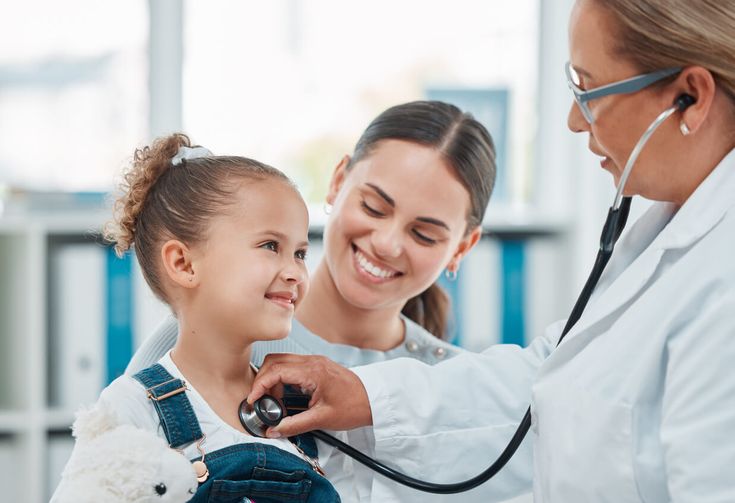
What Happens During a Pediatric Checkup

What Happens During a Pediatric Checkup

Regular pediatric checkups are an important part of supporting a child’s health and development. These visits allow healthcare professionals to monitor growth, assess developmental progress, discuss nutrition and lifestyle habits, provide preventive care, and identify potential concerns at an early stage.

Understanding What Happens During a Pediatric Checkup can help parents and children feel more prepared and comfortable before visiting a pediatric healthcare professional.

Reviewing the Child’s Medical History

A pediatric checkup generally begins with a review of the child’s medical history. Parents or caregivers may be asked about previous illnesses, allergies, medications, vaccinations, hospital visits, surgeries, and other relevant health information.

The healthcare professional may also ask about family medical history when it is relevant to the child’s care.

Providing accurate information can help the pediatric professional understand the child’s overall health and identify factors that may require additional attention.

Measuring Growth

Monitoring physical growth is a routine part of pediatric care.

Depending on the child’s age, the healthcare professional may measure height or length, weight, and head circumference. These measurements can be compared with appropriate growth charts over time.

Growth patterns are often more informative than a single measurement. Regular monitoring can help identify significant changes that may require further evaluation.

Checking Vital Signs

Vital signs may be assessed depending on the child’s age and the purpose of the visit.

These can include heart rate, breathing rate, temperature, and blood pressure when appropriate.

The healthcare professional considers these measurements alongside the child’s medical history, symptoms, age, and overall clinical condition.

Physical Examination

A physical examination allows the pediatric professional to assess different aspects of the child’s health.

The examination may include listening to the heart and lungs, examining the ears, nose, throat, skin, abdomen, and other areas, and assessing movement or physical development when appropriate.

The exact examination varies according to the child’s age, health history, symptoms, and reason for the appointment.

Developmental Assessment

Child development involves several areas, including movement, communication, learning, social interaction, and emotional development.

During a checkup, the healthcare professional may ask parents about milestones and observe the child’s behavior or abilities.

Questions may cover activities such as speaking, walking, interacting with others, following instructions, playing, and completing age-appropriate tasks.

Development varies between children, so assessments are used to identify possible concerns rather than simply compare one child with another.

Discussing Nutrition

Nutrition is an important part of childhood health. Parents may be asked about the child’s eating habits, appetite, food preferences, fluid intake, and general diet.

The pediatric professional may provide guidance about balanced nutrition, healthy snacks, hydration, and age-appropriate dietary habits.

If there are concerns about food allergies, restricted diets, poor appetite, growth, or nutritional deficiencies, additional evaluation may be recommended.

Reviewing Sleep Habits

Sleep supports physical growth, learning, mood, and overall well-being.

Parents may be asked about bedtime routines, sleep duration, nighttime waking, snoring, difficulty falling asleep, or other sleep-related concerns.

If persistent sleep problems are identified, the healthcare professional may recommend strategies or further assessment depending on the situation.

Discussing Physical Activity

Physical activity is an important part of healthy childhood development.

Parents may be asked about the child’s daily activity, outdoor play, sports participation, and time spent sitting or using digital devices.

Age-appropriate movement and active play can support physical development, coordination, strength, and overall health.

Reviewing Vaccinations

Vaccination status may be reviewed during pediatric visits to determine whether the child’s immunizations are up to date according to the applicable vaccination schedule.

If a vaccine is due, the healthcare professional can explain its purpose, timing, and any relevant considerations.

Parents should bring available vaccination records when attending a pediatric appointment, particularly when visiting a new healthcare provider.

Assessing Vision and Hearing

Vision and hearing are important for learning, communication, and development.

Depending on the child’s age and local recommendations, screening may be performed to identify possible difficulties.

Parents should also mention concerns such as difficulty seeing objects, frequent eye rubbing, trouble following instructions, unclear speech, or difficulty responding to sounds.

Early identification of hearing or vision concerns can allow appropriate assessment and support.

Discussing Oral Health

Oral health is another important part of childhood preventive care.

Parents may receive guidance about brushing, fluoride toothpaste, sugary foods and drinks, dental visits, and other oral hygiene habits.

If a child has tooth pain, sensitivity, dental trauma, or other concerns, a dental professional may be recommended for appropriate evaluation.

Discussing Emotional and Behavioral Health

Children’s emotional and behavioral well-being can change as they grow.

Parents may be asked about mood, behavior, school experiences, relationships, attention, anxiety, social interaction, or other concerns.

A pediatric checkup provides an opportunity to discuss changes that may not be visible during a brief examination.

Parents should feel comfortable mentioning concerns about behavior, emotions, learning, or social development.

Safety and Preventive Guidance

Pediatric checkups may also include age-appropriate safety discussions.

Topics can include car-seat use, bicycle and sports safety, water safety, home safety, sun protection, healthy digital habits, and other injury-prevention measures.

The guidance usually changes as children become more independent and participate in different activities.

Parents Can Ask Questions

A pediatric checkup is not only an examination. It is also an opportunity for parents to discuss concerns and ask questions.

Parents may want to ask about growth, nutrition, sleep, development, behavior, physical activity, vaccinations, or symptoms they have noticed.

Writing down questions before the appointment can help ensure important concerns are discussed.

When Additional Testing May Be Needed

Not every child needs extensive testing during a routine checkup.

If the healthcare professional identifies a concern based on symptoms, examination findings, medical history, or developmental assessment, additional tests or referrals may be recommended.

These may involve laboratory tests, imaging, specialist evaluation, or other assessments depending on the situation.

Dr. Nikil Sudarsan is a highly experienced Pediatrician in Dubai, dedicated to providing comprehensive healthcare for infants, children, and adolescents. With expertise in Pediatric Neurology, Child Development, Autism, ADHD, Epilepsy, Genetics, and Developmental Disorders, he offers personalized, evidence-based care tailored to each child’s unique needs. Using the latest medical advancements and a family-centered approach, Dr. Nikil Sudarsan focuses on promoting healthy growth, early diagnosis, effective treatment, and long-term well-being, ensuring the best possible outcomes for every child.