

Recognizing the signs of autism is an important step toward ensuring individuals receive the support they need to thrive. However, diagnosing autism is not always straightforward. Every individual experiences autism differently, and symptoms can vary significantly depending on age, communication abilities, and developmental history. This is why a 2 part autism assessment is necessary. Rather than relying on a single appointment or screening tool, a two-stage assessment provides a comprehensive understanding of an individual’s strengths, challenges, and developmental profile.
A thorough autism assessment reduces the risk of misdiagnosis and helps healthcare professionals create accurate recommendations for education, therapy, and long-term support. Whether the assessment is for a young child, teenager, or adult, a structured two-part process offers a more reliable path to diagnosis.
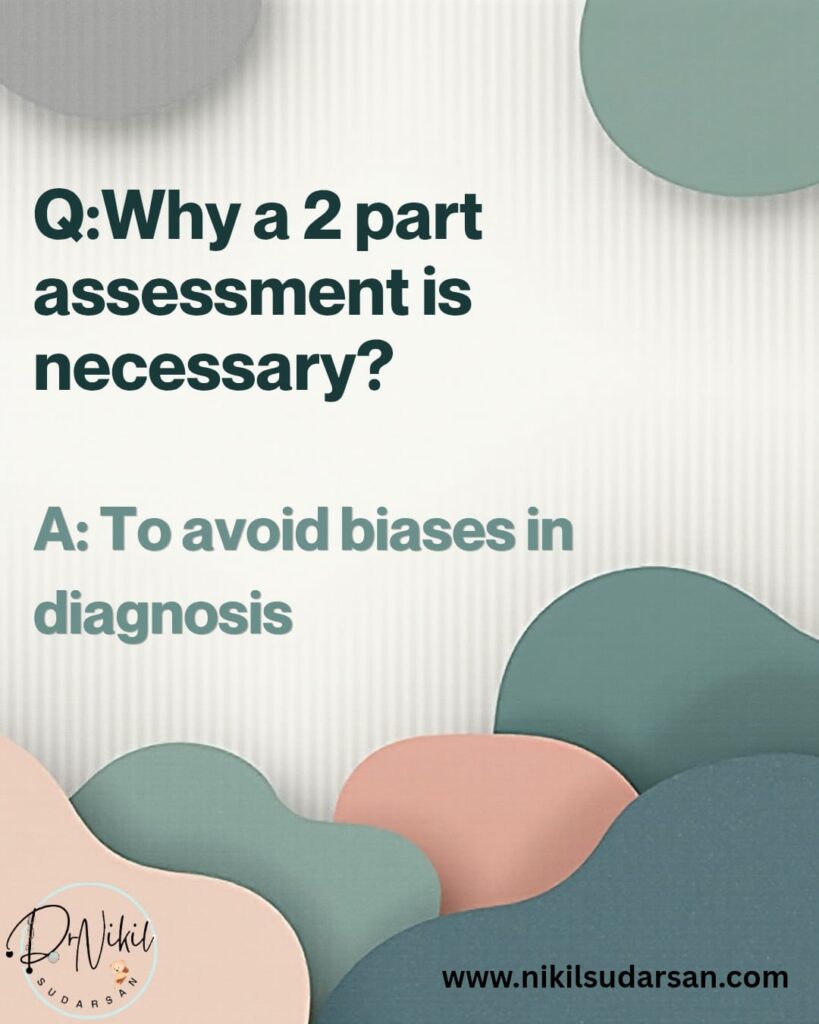
The Purpose of a Two-Part Autism Assessment
Understanding why a 2 part autism assessment is necessary begins with recognizing that autism spectrum disorder (ASD) affects communication, social interaction, behavior, and sensory processing in unique ways. No single test can accurately diagnose autism.
A two-part assessment combines multiple evaluation methods, allowing specialists to gather information from different sources before making a clinical diagnosis. This comprehensive approach ensures that important developmental details are not overlooked.
The first stage typically focuses on collecting background information and identifying developmental concerns, while the second stage involves detailed clinical observations and standardized diagnostic assessments.
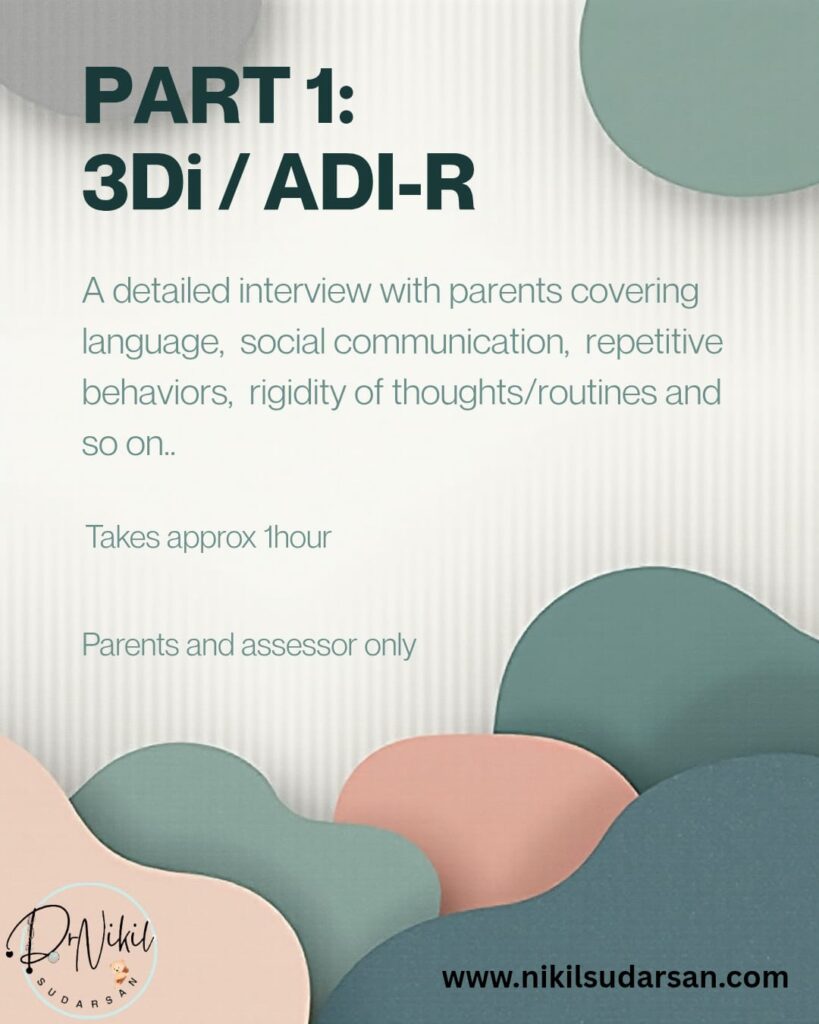
The First Part: Developmental History and Initial Evaluation
The first phase of the assessment is designed to understand the individual’s developmental journey. Healthcare professionals collect valuable information through interviews, questionnaires, and discussions with parents, caregivers, or the individual themselves.
During this stage, clinicians often explore:
- Early childhood development
- Speech and language milestones
- Social interaction patterns
- Behavioral concerns
- Learning abilities
- Family medical history
- Sensory sensitivities
- Emotional development
This information provides important context that cannot be observed during a single clinical appointment.
Parents often remember behaviors from infancy or toddlerhood that help clinicians identify developmental patterns associated with autism. For older children and adults, educational history, workplace experiences, and social relationships may also be discussed.
This detailed background helps specialists determine whether further diagnostic testing is appropriate.
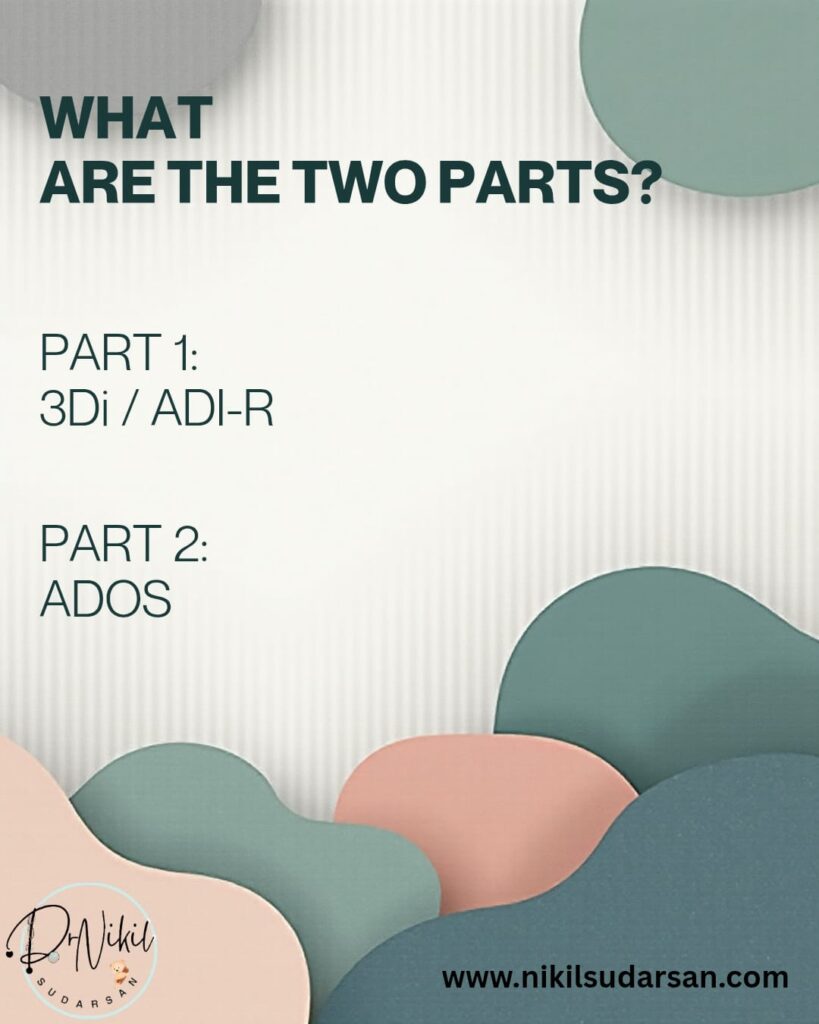
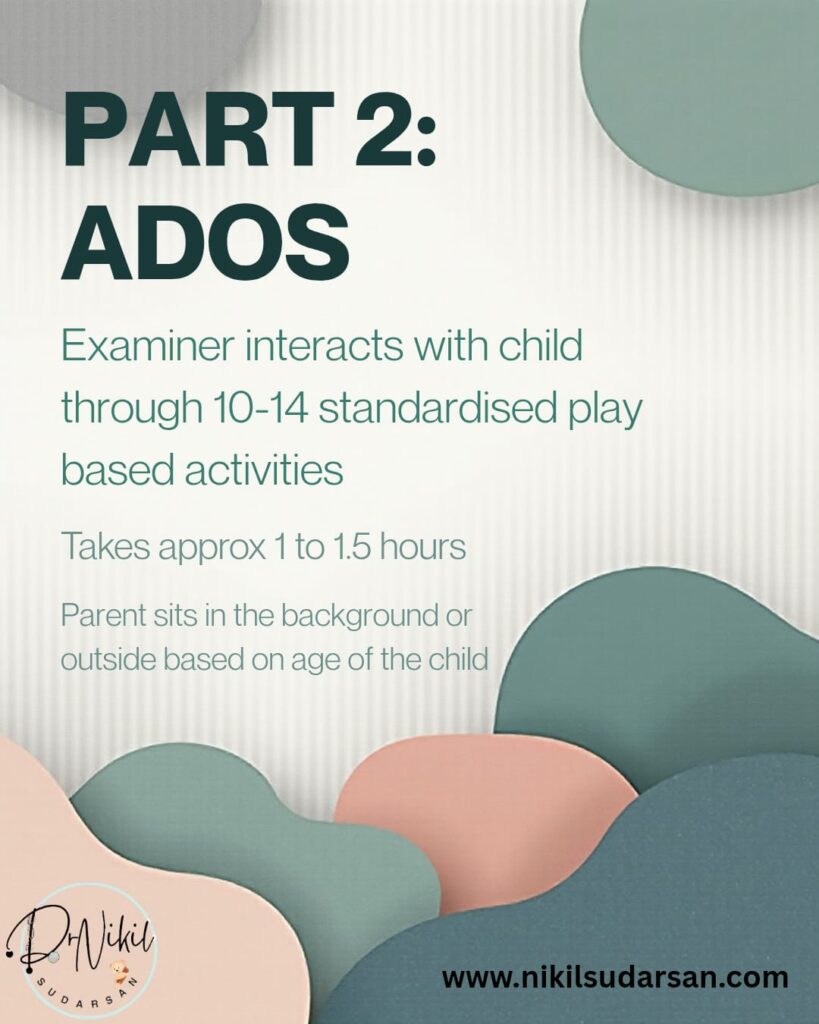
The Second Part: Comprehensive Diagnostic Assessment
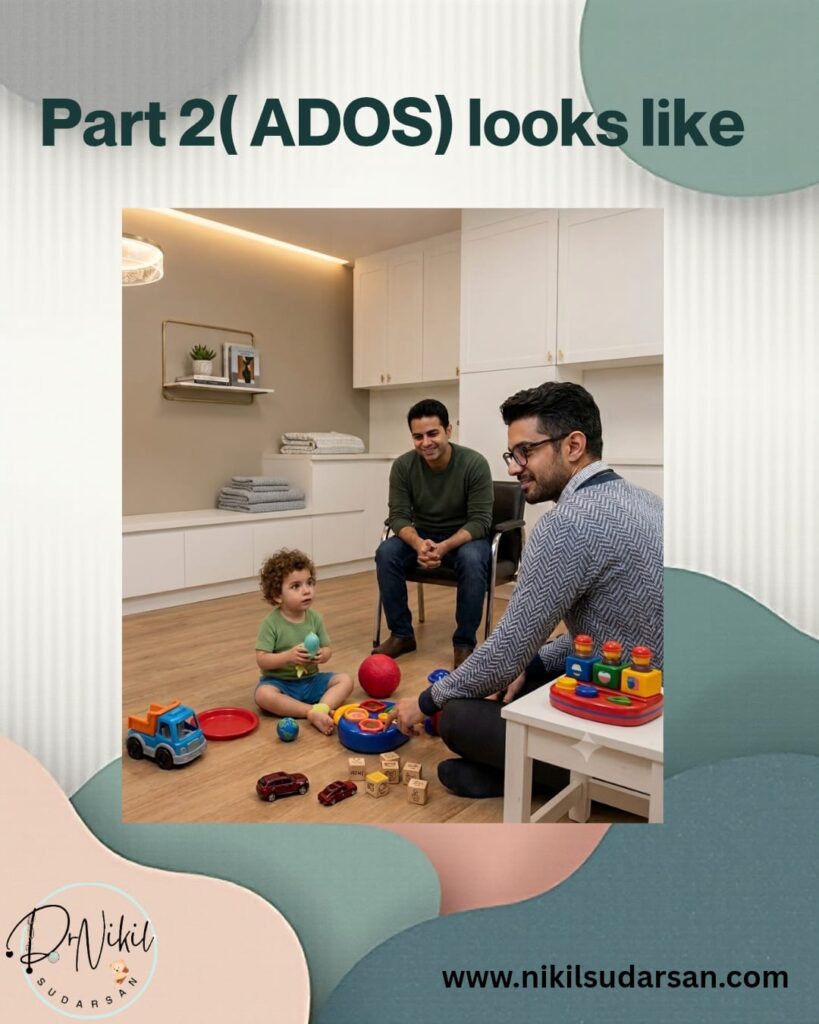
The second phase focuses on direct observation and standardized testing. This is one of the main reasons why a 2 part autism assessment is necessary.
During this stage, trained clinicians carefully observe communication skills, social interaction, play behaviors, emotional responses, and repetitive behaviors.
Depending on age and individual needs, assessments may include structured activities, conversations, problem-solving tasks, or standardized diagnostic tools specifically designed to evaluate autism spectrum disorder.
Professionals assess areas such as:
- Verbal and non-verbal communication
- Eye contact
- Social reciprocity
- Emotional understanding
- Imaginative play
- Restricted interests
- Repetitive behaviors
- Sensory responses
- Adaptive functioning
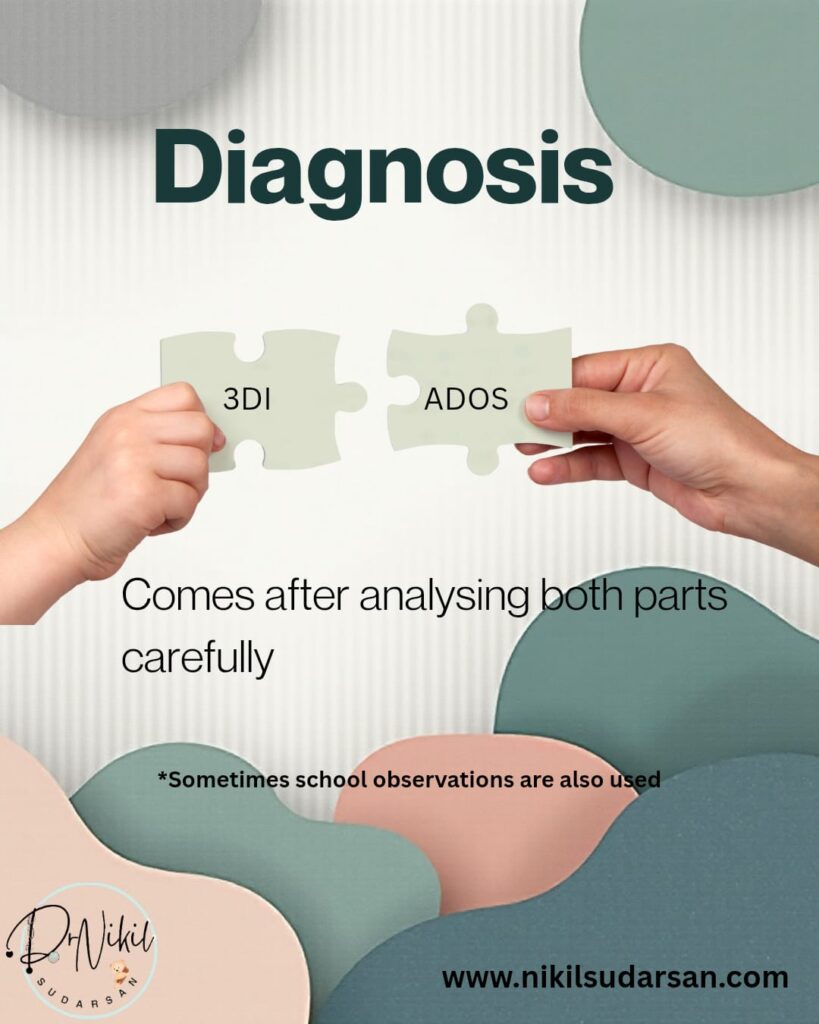
Rather than relying on one observation, clinicians combine findings from both assessment stages before making diagnostic decisions.
Improving Diagnostic Accuracy
One of the strongest reasons why a 2 part autism assessment is necessary is improved diagnostic accuracy.
Many developmental, psychological, and neurological conditions can share characteristics similar to autism. These may include:
- Language disorders
- Attention difficulties
- Anxiety disorders
- Learning disabilities
- Intellectual disabilities
- Social communication disorders
- Sensory processing differences
Without a comprehensive evaluation, these conditions may be confused with autism or may exist alongside autism.
A structured two-part assessment helps clinicians distinguish between these conditions while identifying co-occurring challenges that may require additional support.
Looking Beyond Surface Behaviors
Autism presents differently from one person to another.
Some individuals have obvious communication challenges from an early age, while others develop language typically but experience difficulties with social relationships later in life.
Girls and women, in particular, may mask autistic characteristics, making diagnosis more challenging.
This variation highlights why a 2 part autism assessment is necessary. A single appointment may not reveal subtle behaviors or coping strategies that individuals use in unfamiliar settings.
By combining developmental history with clinical observation, specialists gain a much more complete understanding of the individual’s experiences.
Supporting Children at the Right Time
Early identification allows children to receive support during critical stages of development.
When autism is accurately diagnosed, families can access interventions that help improve communication, emotional regulation, learning, and daily living skills.
A two-stage assessment reduces uncertainty and ensures that intervention plans are based on a complete understanding of the child’s strengths and needs.
Early support does not aim to change who a child is. Instead, it focuses on helping them build skills, confidence, independence, and meaningful participation in everyday life.

Why Adults Also Benefit from a Two-Part Assessment
Autism assessments are not limited to children.
Many adults seek evaluation after years of wondering why social situations, communication, or sensory experiences have always felt different.
Some individuals were never assessed during childhood because awareness of autism was more limited, especially for those with subtle presentations.
Adults often benefit greatly from a two-part assessment because it explores lifelong developmental patterns alongside current experiences.
A confirmed diagnosis can help individuals better understand themselves while opening access to workplace accommodations, educational support, mental health services, and community resources.
Considering the Whole Person
Another reason why a 2 part autism assessment is necessary is that it evaluates more than autism symptoms alone.
Clinicians also consider:
- Cognitive strengths
- Learning style
- Emotional wellbeing
- Mental health
- Daily functioning
- Communication preferences
- Sensory processing
- Social relationships
This broader understanding allows recommendations to be personalized rather than based solely on diagnostic criteria.
Every individual has unique abilities as well as challenges, and a comprehensive assessment helps identify both.
Helping Families Make Informed Decisions
Receiving an autism diagnosis can raise many questions for families.
A detailed two-part assessment provides clear explanations of findings, helping parents and caregivers understand the reasons behind the diagnosis.
Instead of receiving a simple diagnostic label, families gain insight into communication styles, behavioral patterns, learning needs, and practical strategies for everyday life.
This knowledge supports informed decisions about education, therapy, and long-term planning.
Reducing the Risk of Misdiagnosis
Misdiagnosis can delay appropriate support and lead to unnecessary stress.
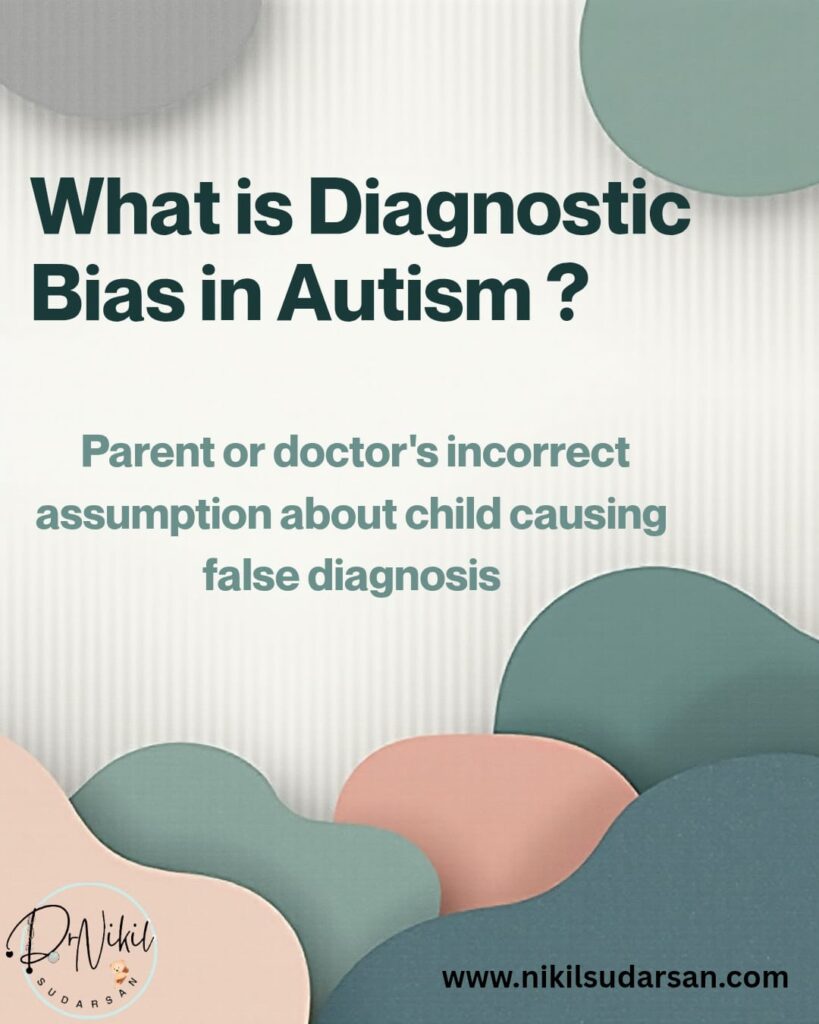
Some individuals may receive diagnoses for anxiety, behavioral disorders, or learning difficulties when autism is actually contributing to their challenges.
Others may be incorrectly diagnosed with autism when another developmental condition better explains their symptoms.
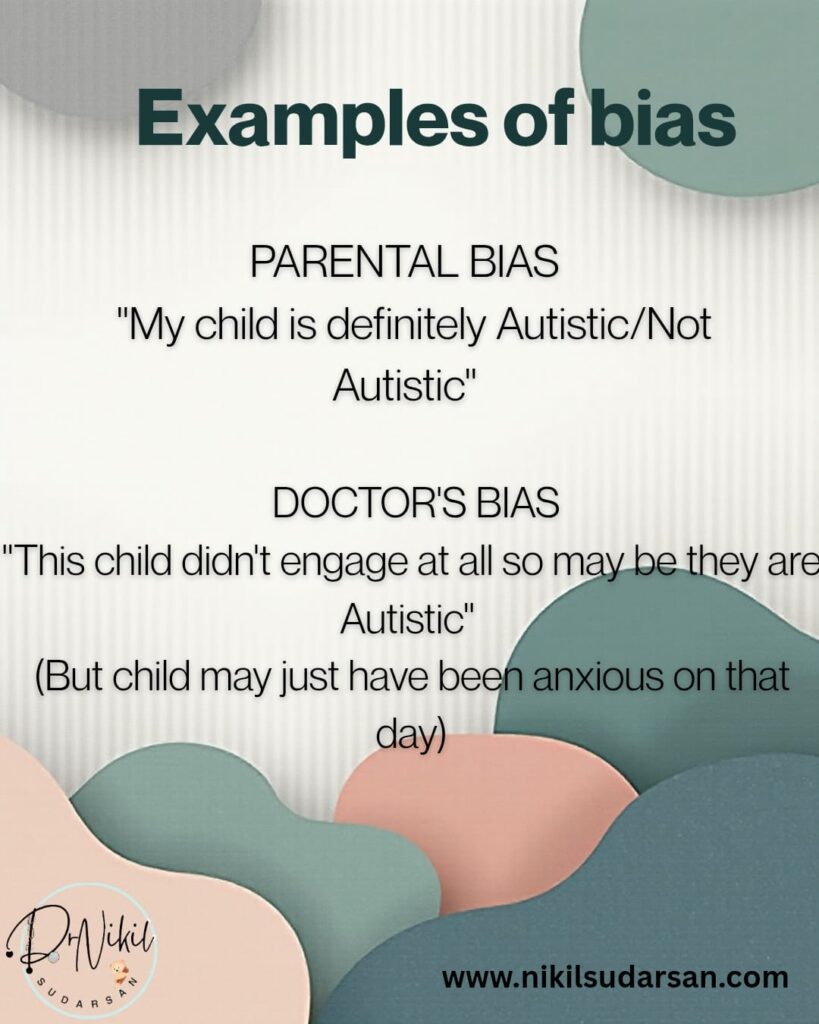
This is another important reason why a 2 part autism assessment is necessary. Multiple sources of information create a more balanced and evidence-based diagnostic process.
Building a Personalized Support Plan
The goal of an autism assessment extends beyond diagnosis.
The information gathered during both assessment stages helps create individualized recommendations that reflect each person’s unique profile.
Support plans may include:
- Speech and language therapy
- Occupational therapy
- Educational accommodations
- Social skills development
- Behavioral support
- Sensory strategies
- Family education
- Psychological support
These recommendations are more effective because they are based on comprehensive evaluation rather than limited observations.
Dr. Nikil Sudarsan is a highly experienced Pediatrician in Dubai, dedicated to providing comprehensive healthcare for infants, children, and adolescents. With expertise in Pediatric Neurology, Child Development, Autism, ADHD, Epilepsy, Genetics, and Developmental Disorders, he offers personalized, evidence-based care tailored to each child’s unique needs. Using the latest medical advancements and a family-centered approach, Dr. Nikil Sudarsan focuses on promoting healthy growth, early diagnosis, effective treatment, and long-term well-being, ensuring the best possible outcomes for every child.