
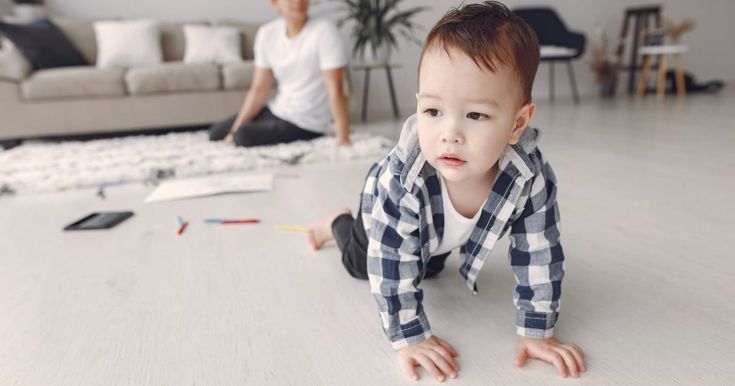
A safe home environment is essential for a child’s healthy growth and development. Children are naturally curious, active, and unaware of potential dangers around them, which makes accidental injuries one of the most common risks in households. From kitchen hazards to electrical outlets and sharp objects, everyday items can become unsafe without proper precautions.
Child Safety Tips for Every Home focuses on creating a secure living space where children can explore, learn, and play without unnecessary risk. With a few simple adjustments and consistent supervision, parents and caregivers can significantly reduce the chances of accidents and ensure a safer home environment.
Why Child Safety at Home Matters
Most childhood accidents occur inside the home rather than outside. Falls, burns, poisoning, and choking are among the most common incidents involving young children. Since children spend a large amount of time at home, it becomes the first and most important place for safety awareness.
Ensuring child safety at home helps:
- Prevent accidental injuries
- Promote safe exploration
- Reduce emergency situations
- Build safer habits from an early age
- Create peace of mind for parents
A proactive approach is always more effective than reacting to accidents after they happen.
Creating a Safe Living Environment
The first step in child safety is assessing the home environment from a child’s perspective. This means identifying potential hazards that may not be obvious to adults.
Key actions include:
- Removing sharp or breakable objects from low surfaces
- Securing heavy furniture to walls
- Keeping floors clear of clutter
- Installing safety gates near stairs
- Using corner protectors on sharp furniture edges
A child-safe environment reduces everyday risks significantly.
Kitchen Safety for Children
The kitchen is one of the most dangerous areas for children due to heat, sharp objects, and chemicals.
Important safety measures:
- Keep knives and sharp tools out of reach
- Turn pot handles inward while cooking
- Store cleaning chemicals in locked cabinets
- Avoid leaving hot food or drinks unattended on counters
- Use stove guards when possible
Children should never be left unsupervised in the kitchen, especially during cooking activities.
Electrical Safety Precautions
Electrical accidents can be serious and happen quickly if proper precautions are not taken.
Safety tips include:
- Cover all unused electrical sockets
- Keep electrical cords out of reach
- Avoid overloading power outlets
- Teach older children basic electrical safety rules
- Keep appliances unplugged when not in use
Regular inspection of wires and devices also helps prevent hidden hazards.
Preventing Falls at Home
Falls are one of the most common causes of injury in young children.
To reduce risk:
- Install safety gates on staircases
- Use non-slip mats in bathrooms
- Keep beds and furniture away from windows
- Ensure proper lighting in all rooms
- Avoid leaving toys on stairs or walkways
Supervision is especially important for toddlers who are learning to walk and climb.
Bathroom Safety Tips
Bathrooms contain multiple hazards including water, slippery floors, and cleaning products.
Safety measures:
- Never leave young children alone in the bathroom
- Use anti-slip mats in bathtubs and floors
- Store medicines and toiletries in locked cabinets
- Set safe water temperatures to prevent burns
- Keep toilet lids closed
Drowning risks can occur even in small amounts of water, so constant supervision is essential.
Safe Storage of Medicines and Chemicals
Household medicines and cleaning agents can be extremely dangerous if accessed by children.
Precautions include:
- Store all medicines in locked cabinets
- Keep cleaning products in original containers
- Never refer to medicine as “candy”
- Dispose of expired medications safely
- Keep emergency contact numbers accessible
Proper storage prevents accidental poisoning incidents.
Fire and Burn Prevention
Fire-related accidents can happen due to stoves, candles, or electrical faults.
Safety steps:
- Keep matches and lighters out of reach
- Do not leave candles unattended
- Install smoke detectors in key areas
- Teach children basic fire safety rules
- Keep fire extinguishers accessible
Parents should also have a clear emergency exit plan.
Safe Sleeping Environment
Safe sleep practices are essential for infants and young children.
Guidelines include:
- Use a firm mattress without loose bedding
- Avoid pillows and heavy blankets for infants
- Place babies on their back while sleeping
- Keep cribs free from toys and soft objects
- Ensure proper ventilation in the room
A safe sleep environment reduces health risks and improves comfort.
Supervision and Communication
No safety measure replaces proper supervision. Children require attention, especially in unfamiliar or potentially dangerous situations.
Best practices:
- Always supervise young children during play
- Teach simple safety rules early
- Encourage children to ask before touching objects
- Establish clear boundaries at home
- Stay alert during high-risk activities
Communication helps children understand safety in a positive way.
Outdoor and Balcony Safety
If the home includes balconies, terraces, or outdoor spaces, additional precautions are needed.
Safety tips:
- Install balcony railings with narrow gaps
- Never leave children unattended on balconies
- Secure windows with locks or grills
- Keep outdoor areas free of hazardous objects
- Supervise outdoor play at all times
Even a short moment of distraction can lead to accidents in elevated spaces.
Teaching Children About Safety
As children grow, they should be gradually taught about safety rules.
Important lessons include:
- Not touching electrical sockets
- Avoiding strangers and unsafe areas
- Not playing with fire or sharp objects
- Asking for help when needed
- Following household safety rules
Education builds awareness and reduces dependency on constant supervision.
Emergency Preparedness at Home
Being prepared for emergencies is an essential part of child safety.
Parents should:
- Keep emergency numbers visible
- Have a basic first aid kit at home
- Learn CPR and first aid basics
- Create an emergency evacuation plan
- Teach older children how to call for help
Preparedness helps reduce panic during unexpected situations.
Dr. Nikil Sudarsan is a highly experienced Pediatrician in Dubai, dedicated to providing comprehensive healthcare for infants, children, and adolescents. With expertise in Pediatric Neurology, Child Development, Autism, ADHD, Epilepsy, Genetics, and Developmental Disorders, he offers personalized, evidence-based care tailored to each child’s unique needs. Using the latest medical advancements and a family-centered approach, Dr. Nikil Sudarsan focuses on promoting healthy growth, early diagnosis, effective treatment, and long-term well-being, ensuring the best possible outcomes for every child.