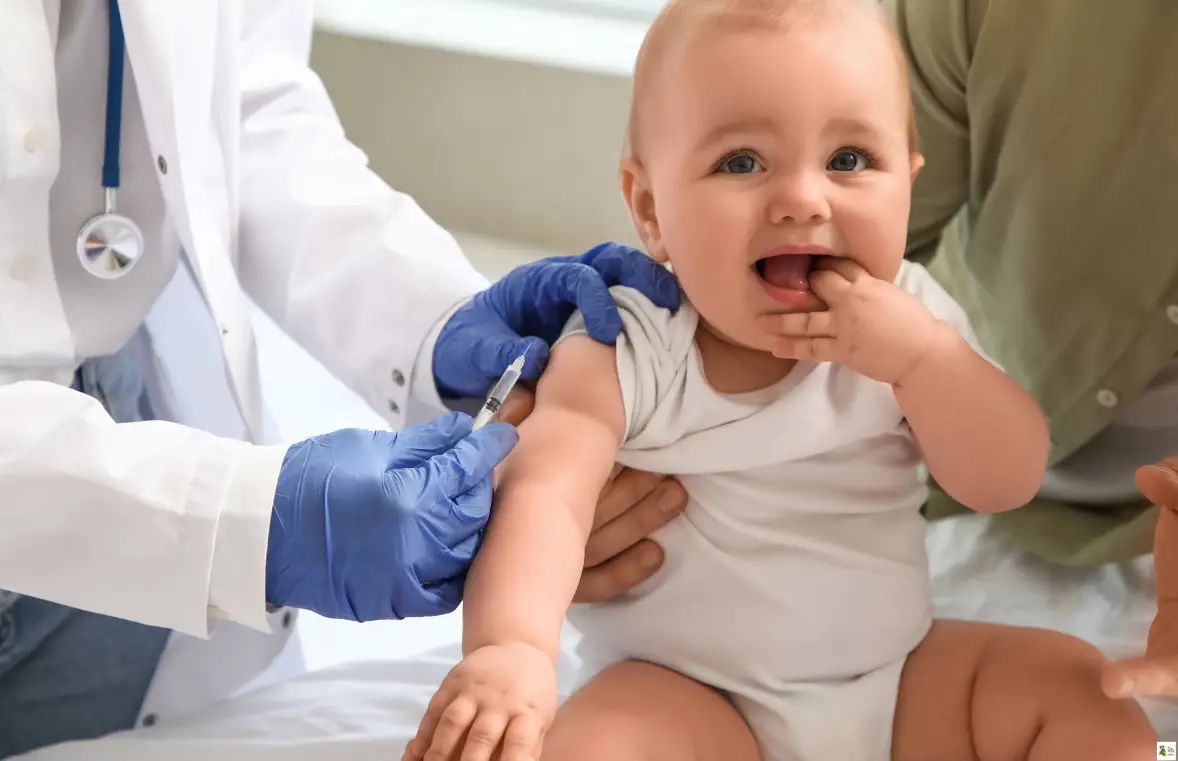
Childhood vaccinations are one of the most effective public health measures ever developed to protect children from serious and potentially life-threatening diseases. Vaccines help the body build immunity against infections before a child is exposed to them, significantly reducing the risk of illness, complications, and long-term health issues.
Understanding the Importance of Childhood Vaccinations is essential for parents, caregivers, and communities. Vaccination not only protects individual children but also helps prevent the spread of diseases within families, schools, and society at large.
What Are Childhood Vaccinations?
Vaccinations are medical preparations that help the immune system recognize and fight specific infections. They contain weakened or inactive parts of a virus or bacteria (or instructions to produce them) that stimulate the body’s natural defense system without causing the disease itself.
Once vaccinated, the immune system develops “memory,” allowing it to respond quickly and effectively if exposed to the real infection in the future.
Why Childhood Vaccinations Are Important
Vaccines play a crucial role in protecting children during their most vulnerable years.
Key benefits include:
- Protection from serious diseases
- Reduced risk of complications
- Prevention of disease outbreaks
- Stronger community immunity
- Lower healthcare burden
- Improved long-term health outcomes
By following recommended vaccination schedules, parents can ensure their children are protected during critical stages of development.
Protection Against Life-Threatening Diseases
One of the most significant aspects of the Importance of Childhood Vaccinations is protection against dangerous diseases that once caused widespread illness and death.
Vaccines help prevent diseases such as:
- Measles
- Polio
- Diphtheria
- Whooping cough (pertussis)
- Hepatitis B
- Tetanus
- Mumps
- Rubella
Many of these diseases can lead to severe complications, including long-term disability or death, especially in young children.
Strengthening the Immune System
Children’s immune systems are still developing, making them more vulnerable to infections. Vaccines help strengthen immune responses by training the body to recognize harmful pathogens.
Vaccination helps:
- Build long-term immunity
- Improve immune response speed
- Reduce severity of infections
- Support healthy immune development
This early protection is crucial for overall health and well-being.
Preventing Disease Outbreaks
Vaccination not only protects individuals but also helps control the spread of infectious diseases in communities.
When a large percentage of the population is vaccinated, it creates “herd immunity,” which:
- Reduces disease transmission
- Protects vulnerable individuals
- Prevents outbreaks in schools and communities
- Limits the spread of contagious illnesses
This is especially important for children who cannot be vaccinated due to medical reasons.
Protecting Newborns and Vulnerable Individuals
Infants, elderly individuals, and people with weakened immune systems are more susceptible to infections. Childhood vaccinations help reduce the spread of diseases, indirectly protecting these vulnerable groups.
Vaccination contributes to:
- Community-wide protection
- Reduced infection risk for infants
- Safer environments in schools and public spaces
This shared protection is a key benefit of widespread immunization.
Preventing Long-Term Complications
Some childhood diseases can cause serious long-term health issues if not prevented through vaccination.
Potential complications may include:
- Brain damage
- Hearing loss
- Respiratory problems
- Organ damage
- Chronic health conditions
Vaccines help prevent these outcomes by stopping infections before they occur.
Reducing Healthcare Costs and Burden
Preventing disease through vaccination is far more cost-effective than treating illnesses after they occur.
Benefits include:
- Fewer hospital visits
- Reduced medical expenses
- Lower burden on healthcare systems
- Less need for emergency care
Vaccination helps families and healthcare systems manage resources more efficiently.
Supporting Healthy Growth and Development
Healthy children are better able to grow, learn, and develop properly. Illnesses during early childhood can interfere with nutrition, schooling, and overall development.
Vaccinations support:
- Consistent school attendance
- Better physical development
- Improved cognitive growth
- Reduced risk of illness-related setbacks
This helps children reach their full developmental potential.
Following the Recommended Vaccination Schedule
Health authorities provide vaccination schedules designed to protect children at the right age and time.
A typical schedule ensures:
- Early protection in infancy
- Timely booster doses
- Long-term immunity maintenance
- Continuous protection during growth stages
Following the schedule is essential for maximum effectiveness.
Safety of Childhood Vaccines
Vaccines undergo extensive testing and monitoring before approval to ensure safety and effectiveness.
Common side effects are usually mild and temporary, such as:
- Low-grade fever
- Soreness at injection site
- Mild fatigue
Serious side effects are extremely rare, and the benefits of vaccination far outweigh the risks.
Addressing Common Concerns
Parents may have concerns or questions about vaccinations, which is natural. However, reliable medical evidence consistently supports vaccine safety and effectiveness.
Important facts include:
- Vaccines do not cause the diseases they prevent
- They are carefully tested before approval
- They are continuously monitored for safety
- They are essential for public health protection
Consulting qualified healthcare professionals can help address specific concerns.
The Role of Parents and Caregivers
Parents play a critical role in ensuring children receive timely vaccinations.
Responsibilities include:
- Following immunization schedules
- Keeping vaccination records updated
- Consulting healthcare providers
- Ensuring regular pediatric visits
Informed decisions help protect children’s health and future well-being.
Global Impact of Childhood Vaccinations
Vaccines have significantly reduced the prevalence of many once-common diseases worldwide. In some cases, vaccination efforts have led to the near elimination of certain infections in many regions.
Global benefits include:
- Reduced child mortality rates
- Improved life expectancy
- Control of infectious diseases
- Stronger public health systems
Vaccination programs remain a cornerstone of global health initiatives.
Dr. Nikil Sudarsan is a highly experienced Pediatrician in Dubai, dedicated to providing comprehensive healthcare for infants, children, and adolescents. With expertise in Pediatric Neurology, Child Development, Autism, ADHD, Epilepsy, Genetics, and Developmental Disorders, he offers personalized, evidence-based care tailored to each child’s unique needs. Using the latest medical advancements and a family-centered approach, Dr. Nikil Sudarsan focuses on promoting healthy growth, early diagnosis, effective treatment, and long-term well-being, ensuring the best possible outcomes for every child.