
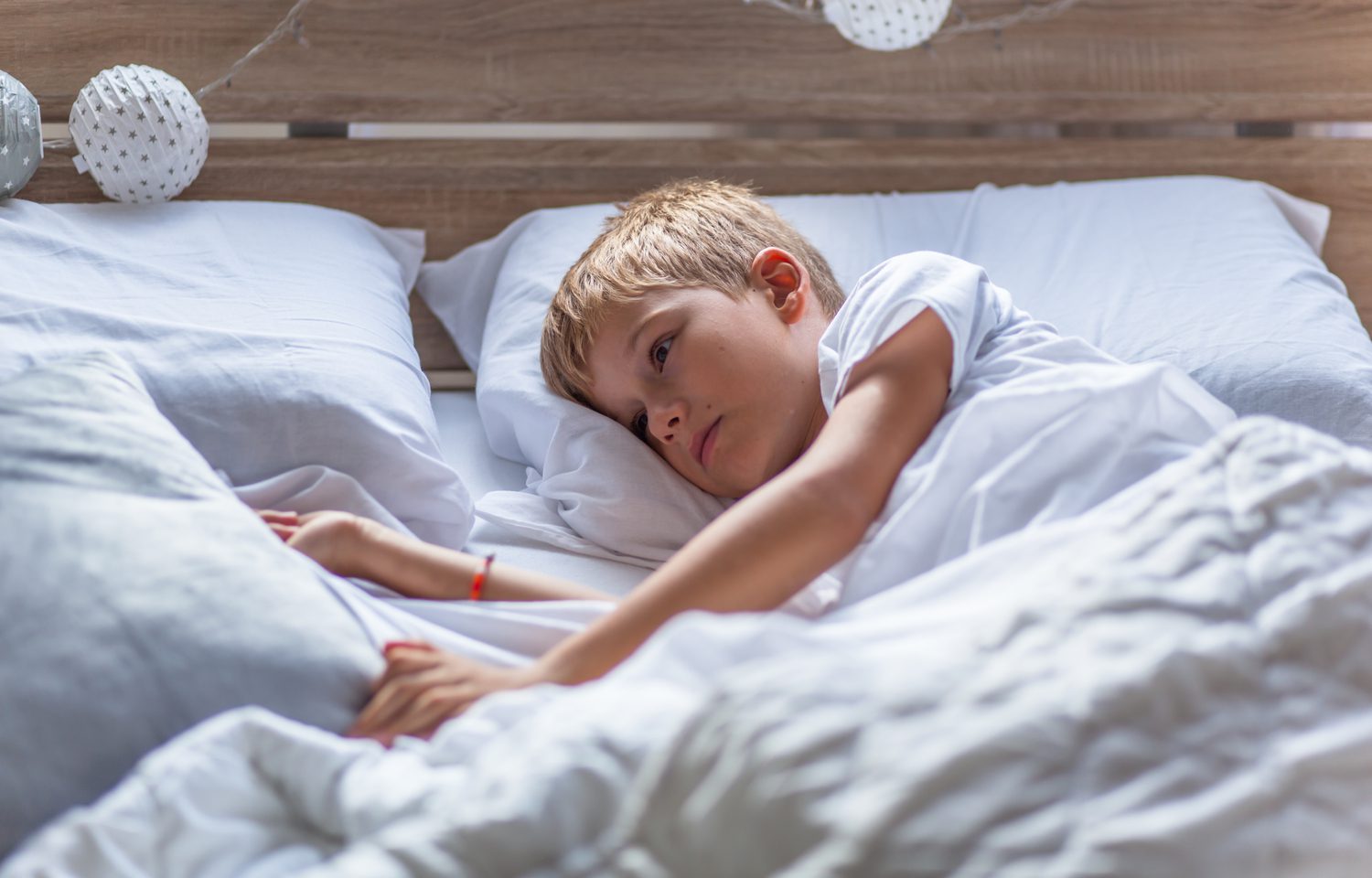
Sleep is essential for a child’s physical growth, brain development, emotional well-being, and overall health. Quality sleep supports learning, memory, behavior, and immune function. However, many children experience sleep difficulties at some stage of their development. Understanding the Common Causes of Sleep Problems in Children can help parents identify potential issues early and take steps to improve their child’s sleep habits.
While occasional sleep disturbances are normal, persistent problems may affect a child’s mood, concentration, school performance, and daily activities. In some cases, they may also indicate an underlying medical or developmental condition that requires professional evaluation.
Why Is Sleep Important for Children?
During sleep, a child’s body and brain perform essential functions, including:
- Supporting physical growth
- Strengthening the immune system
- Consolidating learning and memory
- Regulating emotions
- Improving attention and concentration
- Restoring energy for daily activities
Insufficient or poor-quality sleep can affect both short-term and long-term health.
Common Causes of Sleep Problems in Children
1. Poor Sleep Habits
One of the most common Common Causes of Sleep Problems in Children is an inconsistent bedtime routine.
Poor sleep habits may include:
- Irregular bedtimes
- Late-night screen use
- Skipping bedtime routines
- Sleeping in excessively on weekends
- Stimulating activities before bed
Establishing a consistent bedtime routine can help children fall asleep more easily.
Excessive Screen Time
Using smartphones, tablets, computers, or televisions before bedtime can interfere with sleep.
Blue light from screens may:
- Delay the release of melatonin (the sleep hormone)
- Make it harder to fall asleep
- Reduce sleep quality
- Increase bedtime resistance
Limiting screen use at least one hour before bedtime may improve sleep.
Anxiety and Stress
Emotional concerns can significantly affect sleep.
Children may have difficulty sleeping because of:
- School-related stress
- Family changes
- Fear of the dark
- Separation anxiety
- Social worries
- Upcoming exams or events
Providing reassurance and maintaining open communication can help children manage anxiety.
Nightmares and Night Terrors
Nightmares and night terrors are common childhood sleep disturbances.
Nightmares usually occur during dream sleep and may cause children to wake up frightened and remember the dream.
Night terrors often occur during deep sleep. Children may cry, scream, or appear frightened but usually do not remember the event the next morning.
Most children outgrow these sleep disturbances with time.
Medical Conditions
Certain health conditions can interfere with healthy sleep.
Examples include:
- Asthma
- Allergies
- Gastroesophageal reflux (acid reflux)
- Chronic pain
- Eczema
- Frequent ear infections
Treating the underlying condition often improves sleep quality.
Sleep Apnea
Obstructive sleep apnea occurs when breathing repeatedly stops and starts during sleep due to partial airway blockage.
Signs may include:
- Loud snoring
- Pauses in breathing
- Restless sleep
- Mouth breathing
- Daytime sleepiness
- Morning headaches
Children with suspected sleep apnea should be evaluated by a healthcare professional.
Restless Legs Syndrome
Some children experience uncomfortable sensations in their legs that make it difficult to fall asleep.
Symptoms may include:
- An urge to move the legs
- Tingling sensations
- Discomfort that worsens at night
- Difficulty staying asleep
Medical evaluation can help identify the cause and appropriate treatment.
Developmental and Neurological Conditions
Children with certain developmental or neurological conditions may experience more frequent sleep difficulties.
These conditions may include:
- Autism Spectrum Disorder (ASD)
- Attention-Deficit/Hyperactivity Disorder (ADHD)
- Cerebral palsy
- Epilepsy
- Other neurological disorders
Individualized sleep management strategies can often improve sleep quality.
Caffeine Consumption
Caffeine can interfere with a child’s ability to fall asleep.
Sources include:
- Soft drinks
- Energy drinks
- Tea
- Coffee
- Chocolate
Reducing caffeine intake, particularly in the afternoon and evening, can support better sleep.
Environmental Factors
The sleep environment plays an important role in sleep quality.
Factors that may disrupt sleep include:
- Excessive noise
- Bright lights
- An uncomfortable room temperature
- Uncomfortable bedding
- Sharing a room with distractions
A calm, quiet, and comfortable bedroom supports healthy sleep.
Inconsistent Daily Routine
Children thrive on routine. Frequent changes in daily schedules may disrupt their internal body clock.
Examples include:
- Late dinners
- Irregular nap schedules
- Frequent travel
- Weekend schedule changes
Maintaining consistent routines helps regulate healthy sleep patterns.
Signs of Sleep Problems in Children
Parents may notice:
- Difficulty falling asleep
- Frequent night waking
- Early morning waking
- Excessive daytime sleepiness
- Irritability
- Difficulty concentrating
- Hyperactivity
- Poor school performance
- Snoring or breathing pauses during sleep
Persistent symptoms should be discussed with a healthcare provider.
How Sleep Problems Affect Children
Ongoing sleep difficulties may lead to:
- Reduced attention and concentration
- Memory problems
- Behavioral challenges
- Emotional changes
- Lower academic performance
- Weakened immune function
- Slower physical growth
- Increased risk of accidents
Healthy sleep is essential for both physical and emotional development.
Tips for Improving Sleep
Parents can encourage better sleep by:
- Establishing a consistent bedtime routine.
- Keeping regular sleep and wake times.
- Limiting screen time before bed.
- Creating a quiet and comfortable sleep environment.
- Encouraging regular physical activity during the day.
- Avoiding caffeine in the evening.
- Providing a balanced diet.
- Helping children relax before bedtime with reading or calming activities.
Good sleep habits often improve sleep quality over time.
When Should Parents Seek Medical Advice?
Parents should consult a healthcare professional if a child:
- Snores loudly or has breathing pauses during sleep.
- Has persistent difficulty falling asleep.
- Frequently wakes during the night.
- Appears excessively sleepy during the day.
- Experiences frequent nightmares or night terrors.
- Shows changes in behavior or school performance related to poor sleep.
- Has sleep problems lasting several weeks despite healthy sleep routines.
A pediatrician or pediatric sleep specialist can evaluate the child and recommend appropriate treatment.
Dr. Nikil Sudarsan is a highly experienced Pediatrician in Dubai, dedicated to providing comprehensive healthcare for infants, children, and adolescents. With expertise in Pediatric Neurology, Child Development, Autism, ADHD, Epilepsy, Genetics, and Developmental Disorders, he offers personalized, evidence-based care tailored to each child’s unique needs. Using the latest medical advancements and a family-centered approach, Dr. Nikil Sudarsan focuses on promoting healthy growth, early diagnosis, effective treatment, and long-term well-being, ensuring the best possible outcomes for every child.