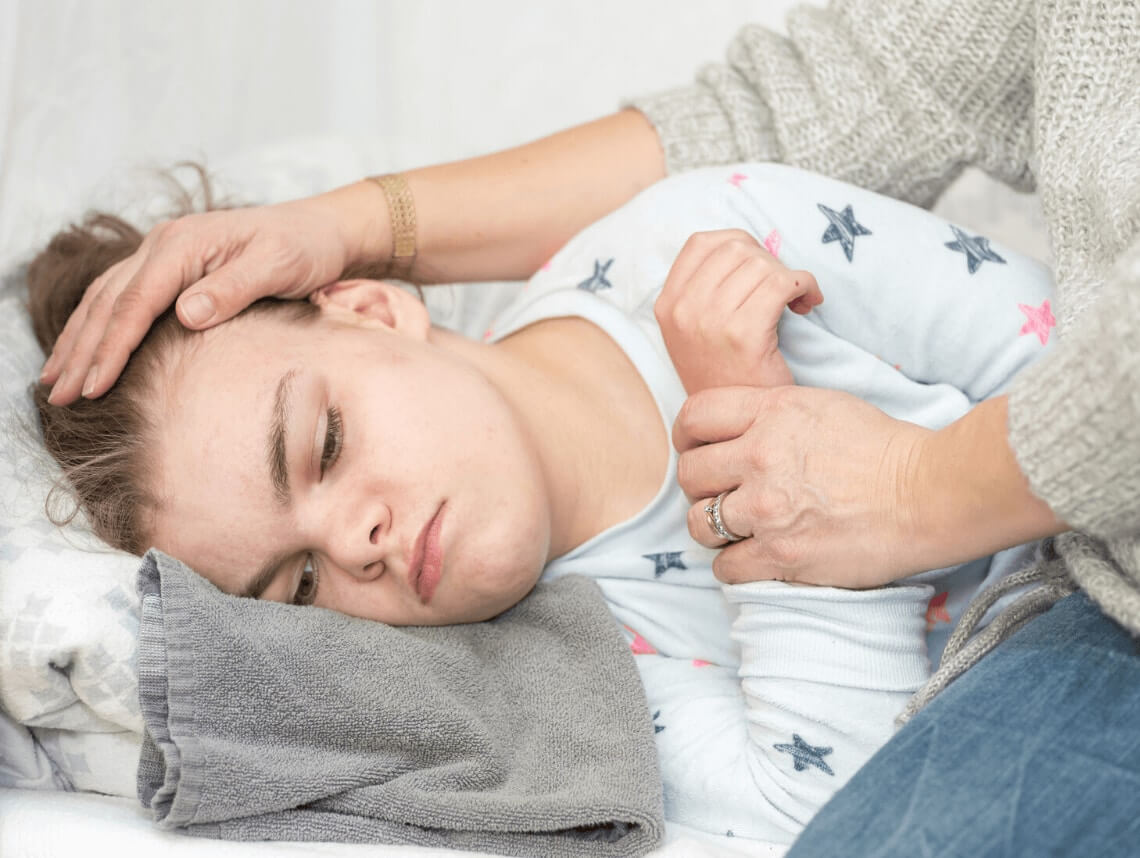
Seizures are among the most common neurological conditions affecting children. They occur when there is a sudden burst of abnormal electrical activity in the brain, leading to temporary changes in movement, behavior, awareness, or sensation. While witnessing a seizure can be frightening for parents, not all seizures are the same. Understanding the Common Types of Seizures in Children can help families recognize symptoms early, seek timely medical care, and ensure appropriate treatment.
A child may experience a single seizure due to fever or illness, while others may have recurrent seizures associated with epilepsy or other neurological conditions. Early diagnosis and proper management are essential for improving a child’s health and quality of life.
What Is a Seizure?
A seizure is a temporary disruption of normal brain activity caused by abnormal electrical signals. Depending on the area of the brain involved, seizures can affect consciousness, muscle movements, behavior, speech, emotions, or sensations.
Seizures can last from a few seconds to several minutes and vary greatly in severity.
What Causes Seizures in Children?
Several factors can trigger seizures in children, including:
- Epilepsy
- High fever (febrile seizures)
- Head injuries
- Brain infections such as meningitis or encephalitis
- Genetic neurological disorders
- Low blood sugar
- Electrolyte imbalances
- Lack of oxygen at birth
- Brain abnormalities
- Certain metabolic disorders
A healthcare provider will determine the underlying cause through a detailed evaluation.
Common Types of Seizures in Children
1. Generalized Tonic-Clonic Seizures
Generalized tonic-clonic seizures, previously known as grand mal seizures, affect both sides of the brain.
Common symptoms include:
- Sudden loss of consciousness
- Body stiffening (tonic phase)
- Rhythmic jerking of the arms and legs (clonic phase)
- Possible loss of bladder control
- Confusion or sleepiness after the seizure
These seizures usually last one to three minutes and require prompt medical evaluation.
Absence Seizures
Absence seizures are common in school-aged children and are often mistaken for daydreaming.
Signs include:
- Brief staring spells
- Sudden pause in activity
- Lip smacking or eyelid fluttering
- No response during the episode
- Immediate return to normal afterward
Each episode typically lasts only a few seconds but may occur multiple times a day.
Focal (Partial) Seizures
Focal seizures begin in one specific area of the brain.
They are divided into two main types:
Focal Aware Seizures
During these seizures, the child remains conscious but may experience:
- Tingling sensations
- Muscle twitching
- Visual disturbances
- Strange smells or tastes
- Sudden emotional changes
Focal Impaired Awareness Seizures
These seizures affect awareness and may include:
- Staring
- Repetitive movements
- Lip smacking
- Picking at clothing
- Confusion after the seizure
The child may not remember the event afterward.
Myoclonic Seizures
Myoclonic seizures cause sudden, brief muscle jerks.
Children may experience:
- Quick jerking movements of the arms
- Sudden shoulder movements
- Leg jerks
- Dropping objects unexpectedly
These seizures are usually very brief but may occur repeatedly throughout the day.
Atonic Seizures
Atonic seizures cause a sudden loss of muscle tone.
Symptoms include:
- Sudden collapse
- Head dropping forward
- Limp muscles
- Brief loss of consciousness
Because children may fall without warning, these seizures carry a higher risk of injury.
Tonic Seizures
Tonic seizures involve sudden muscle stiffening without rhythmic jerking.
Signs include:
- Rigid muscles
- Stiff arms or legs
- Sudden falls
- Brief loss of awareness
These seizures often occur during sleep.
Clonic Seizures
Clonic seizures are characterized by repeated rhythmic muscle jerking.
Symptoms include:
- Repetitive arm or leg movements
- Facial twitching
- Loss of awareness in some cases
They are less common than tonic-clonic seizures.
Febrile Seizures
Febrile seizures occur in young children during episodes of fever, usually between the ages of 6 months and 5 years.
Typical features include:
- Whole-body shaking
- Loss of consciousness
- Fever at the time of the seizure
- Recovery within a few minutes
Most febrile seizures are not associated with epilepsy, but medical evaluation is recommended after the first episode.
Infantile Spasms
Infantile spasms are a rare but serious type of seizure seen in infants, typically before one year of age.
Symptoms include:
- Sudden body stiffening
- Head bending forward
- Arm extension
- Clusters of brief spasms
Prompt diagnosis and treatment are important because infantile spasms can affect brain development.
Signs That Require Immediate Medical Attention
Seek emergency medical care if:
- A seizure lasts longer than five minutes.
- The child has difficulty breathing afterward.
- Multiple seizures occur without recovery in between.
- The seizure follows a serious head injury.
- The child experiences a seizure in water.
- It is the child’s first seizure.
- The child does not regain consciousness after the seizure.
Prompt medical attention is essential in these situations.
How Are Seizures Diagnosed?
A pediatric neurologist may recommend several tests to determine the cause of seizures, including:
- Medical history
- Neurological examination
- Electroencephalogram (EEG)
- Magnetic Resonance Imaging (MRI)
- Blood tests
- Genetic testing (when indicated)
- Metabolic screening
The diagnostic approach depends on the child’s symptoms and overall health.
Treatment Options
Treatment depends on the type and cause of the seizure.
Possible treatment options include:
- Anti-seizure medications
- Dietary therapy (such as ketogenic diets in selected cases)
- Vagus nerve stimulation (VNS) for some children
- Epilepsy surgery for carefully selected cases
- Physical, occupational, or speech therapy when needed
- Regular follow-up with a pediatric neurologist
Many children achieve good seizure control with appropriate treatment.
Tips for Parents
Parents can help manage seizures by:
- Giving medications exactly as prescribed.
- Keeping a record of seizure episodes.
- Identifying possible seizure triggers.
- Ensuring the child gets adequate sleep.
- Informing teachers and caregivers about seizure first aid.
- Attending regular follow-up appointments.
Being prepared helps families respond confidently if a seizure occurs.
Dr. Nikil Sudarsan is a highly experienced Pediatrician in Dubai, dedicated to providing comprehensive healthcare for infants, children, and adolescents. With expertise in Pediatric Neurology, Child Development, Autism, ADHD, Epilepsy, Genetics, and Developmental Disorders, he offers personalized, evidence-based care tailored to each child’s unique needs. Using the latest medical advancements and a family-centered approach, Dr. Nikil Sudarsan focuses on promoting healthy growth, early diagnosis, effective treatment, and long-term well-being, ensuring the best possible outcomes for every child.