
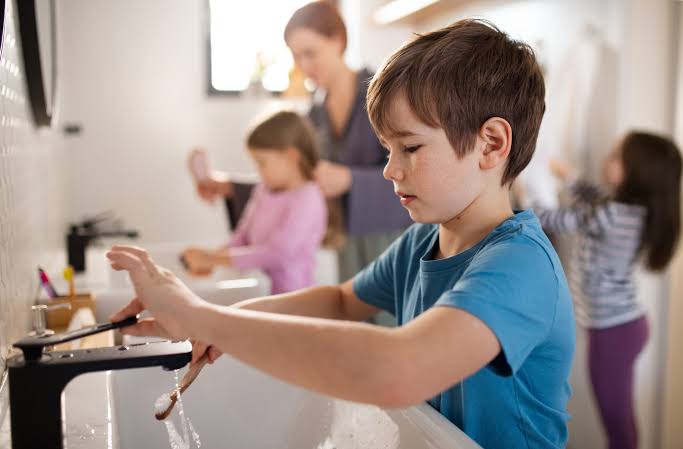
Children thrive on consistency, structure, and positive habits. Building healthy daily routines for children helps create a stable environment where they can grow physically, emotionally, socially, and academically. A well-planned routine not only makes daily life easier for parents but also teaches children responsibility, time management, and healthy lifestyle choices that can benefit them throughout their lives.
In this blog, we’ll explore why daily routines are important, the key elements of a healthy routine, and practical tips to help families establish lasting habits.
Why Daily Routines Matter
Daily routines provide children with a sense of security and predictability. Knowing what to expect each day helps reduce stress and anxiety while encouraging independence. Consistent routines also support healthy development by ensuring children get enough sleep, nutritious meals, physical activity, learning opportunities, and relaxation.
Benefits of healthy daily routines include:
- Better physical and mental health
- Improved sleep quality
- Stronger emotional regulation
- Better focus and academic performance
- Increased confidence and independence
- Reduced family stress and conflicts
Start the Day with a Healthy Morning Routine
A positive morning sets the tone for the entire day.
Encourage children to:
- Wake up at the same time every day.
- Brush their teeth and wash their face.
- Eat a nutritious breakfast.
- Get dressed independently when age-appropriate.
- Pack school essentials before leaving home.
Avoid rushing by preparing school bags, uniforms, and lunches the night before.
Prioritize Nutritious Meals
Healthy eating is an important part of building healthy daily routines for children.
Provide balanced meals that include:
- Fresh fruits and vegetables
- Whole grains
- Lean proteins
- Dairy or calcium-rich foods
- Plenty of water
Limit sugary drinks, processed snacks, and excessive fast food. Eating meals together as a family whenever possible also encourages healthy eating habits and strengthens family relationships.
Encourage Daily Physical Activity
Children need regular movement to support healthy growth and development.
Encourage activities such as:
- Outdoor play
- Cycling
- Swimming
- Dancing
- Walking
- Team sports
Aim for at least 60 minutes of physical activity each day. Exercise improves physical fitness, mood, concentration, and sleep quality.
Create Time for Learning
Learning doesn’t end when school finishes.
Support your child’s development by including:
- Reading books together
- Educational games
- Creative activities
- Homework time
- Problem-solving activities
A quiet, organized study space helps children stay focused and develop good learning habits.
Limit Screen Time
Too much screen time can interfere with sleep, learning, and physical activity.
Set healthy boundaries by:
- Creating screen-free meal times.
- Avoiding screens before bedtime.
- Encouraging outdoor activities.
- Monitoring age-appropriate content.
- Balancing digital learning with offline play.
Parents can model healthy technology habits by limiting their own screen use during family time.
Encourage Personal Hygiene
Daily hygiene routines help prevent illness and build lifelong healthy habits.
Teach children to:
- Brush teeth twice daily.
- Wash hands regularly.
- Bathe consistently.
- Wear clean clothes.
- Cover coughs and sneezes properly.
Positive reinforcement makes these habits easier to maintain.
Include Time for Free Play
Free play allows children to use their imagination, solve problems, and develop creativity.
Activities may include:
- Building with blocks
- Drawing and painting
- Pretend play
- Outdoor exploration
- Puzzles
- Music and crafts
Unstructured play supports emotional and social development.
Build Healthy Sleep Habits
Good sleep is essential when building healthy daily routines for children.
Create a calming bedtime routine that includes:
- Bath time
- Brushing teeth
- Reading a story
- Quiet conversation
- Turning off electronic devices at least one hour before bed
Maintain consistent bedtime and wake-up times, even on weekends, to support healthy sleep patterns.
Teach Responsibility Through Daily Tasks
Age-appropriate chores help children develop confidence and responsibility.
Examples include:
- Making their bed
- Putting toys away
- Feeding pets
- Watering plants
- Organizing school supplies
- Helping set the table
Praise effort rather than perfection to encourage continued participation.
Support Emotional Well-Being
Healthy routines should include opportunities to talk about emotions.
Parents can:
- Listen without judgment.
- Encourage children to express feelings.
- Practice gratitude together.
- Teach simple relaxation techniques.
- Spend quality family time every day.
Strong emotional connections build resilience and self-confidence.
Be Flexible When Needed
Life doesn’t always go according to plan. While routines provide structure, flexibility is equally important. Adjust schedules during holidays, illness, travel, or special occasions without creating unnecessary stress.
The goal is consistency, not perfection.
Tips for Successfully Building Healthy Daily Routines
- Start with small, manageable changes.
- Keep routines consistent every day.
- Use visual schedules for younger children.
- Set realistic expectations based on age.
- Celebrate progress and positive behavior.
- Be a positive role model.
- Involve children in planning their routines.
Consistency over time helps healthy habits become natural.
Dr. Nikil Sudarsan is a highly experienced Pediatrician in Dubai, dedicated to providing comprehensive healthcare for infants, children, and adolescents. With expertise in Pediatric Neurology, Child Development, Autism, ADHD, Epilepsy, Genetics, and Developmental Disorders, he offers personalized, evidence-based care tailored to each child’s unique needs. Using the latest medical advancements and a family-centered approach, Dr. Nikil Sudarsan focuses on promoting healthy growth, early diagnosis, effective treatment, and long-term well-being, ensuring the best possible outcomes for every child.