
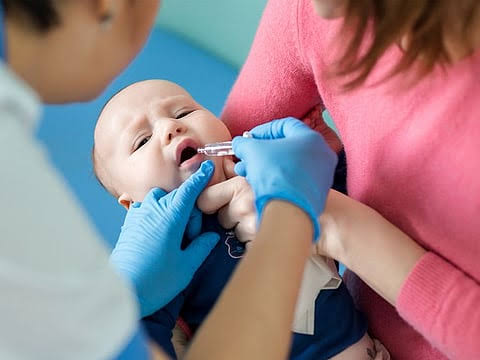
Understanding the Pediatric Vaccination Schedule helps parents keep track of the vaccines children need as they grow. Vaccination is an important part of preventive healthcare because vaccines prepare the immune system to recognize and respond to certain infections. Following the recommended schedule helps provide protection during the stages of childhood when children may be particularly vulnerable to specific diseases.
Vaccination schedules can vary depending on the country, public health recommendations, the child’s age, health history, previous vaccinations, and other individual factors. Parents should therefore follow the schedule recommended by their child’s pediatric healthcare professional and local health authorities.
Why Childhood Vaccination Is Important
Vaccines help the immune system develop protection against specific infectious diseases without requiring the child to experience the disease itself. Childhood vaccines can reduce the risk of serious illness and help protect communities by limiting the spread of preventable infections.
Some vaccine-preventable diseases can cause complications that may require hospitalization or long-term medical care. Keeping vaccinations up to date is therefore an important part of routine pediatric healthcare.
How the Vaccination Schedule Works
A pediatric vaccination schedule is organized according to the age at which particular vaccines are recommended. Some vaccines are given during infancy, while others are administered later in childhood or adolescence.
Certain vaccines require more than one dose to develop or maintain adequate protection. Booster doses may also be recommended because immunity can decrease over time.
The schedule is designed to provide protection at appropriate stages of development. Parents should maintain an accurate vaccination record so healthcare professionals can determine which doses have already been given and which may still be needed.
Vaccines During Infancy
Infancy is an important period for routine immunization. Babies may receive several vaccines during their first months of life, depending on the recommended national schedule.
These vaccinations help protect infants from infections that can sometimes cause serious complications. Because babies’ immune systems are still developing, timely vaccination can be especially important.
Parents should attend scheduled pediatric appointments and discuss any questions about vaccines before or during each visit.
Vaccines During Early Childhood
Vaccination continues beyond infancy. Young children may require additional doses or booster vaccinations to maintain protection against certain infections.
Preschool and early school years are also useful times to review a child’s vaccination record. If a dose was missed earlier, a healthcare professional can advise parents about an appropriate catch-up schedule.
Keeping vaccinations up to date can help children remain protected as they begin spending more time in schools, childcare settings, and other group environments.
Booster Doses and Catch-Up Vaccination
Some vaccines require booster doses because protection may decrease over time. Booster recommendations depend on the specific vaccine and the child’s age and vaccination history.
If a child misses a scheduled dose, parents should not assume that the entire vaccination series needs to be restarted. In many situations, healthcare professionals can recommend a catch-up schedule based on the doses already received.
Parents should bring the child’s vaccination record to appointments so the healthcare professional can accurately review previous immunizations.
Understanding Vaccine Side Effects
Mild reactions after vaccination can occur. Children may experience temporary soreness, redness, or swelling at the injection site. Some may develop a mild fever, tiredness, or irritability for a short period.
These reactions are generally temporary, but parents should monitor their child and follow the advice provided by their healthcare professional.
Serious reactions are uncommon, but parents should seek immediate medical attention if a child develops symptoms suggesting a severe allergic reaction or another serious problem after vaccination.
Keeping Accurate Vaccination Records
Maintaining vaccination records is an important part of Understanding the Pediatric Vaccination Schedule. A record can show which vaccines a child has received, the dates they were administered, and which doses may be due next.
Parents should keep vaccination information in a safe and accessible place. Digital records may also be available through local healthcare systems or vaccination programs.
Accurate records become particularly useful when changing healthcare providers, enrolling in school, traveling, or reviewing catch-up vaccination requirements.
When Children May Need Special Advice
Some children may require an individualized vaccination plan. Children with certain medical conditions, weakened immune systems, allergies, previous vaccine reactions, or other health considerations may need additional guidance from their healthcare professional.
Travel can also affect vaccination recommendations. Some destinations may have additional vaccine requirements or recommendations based on infectious disease risks.
Parents should discuss these circumstances with a pediatric healthcare professional before making vaccination decisions.
The Role of Pediatric Checkups
Routine pediatric visits provide an opportunity to review vaccination status alongside growth, development, nutrition, and general health. Healthcare professionals can check the child’s immunization record and explain which vaccines may be due.
These visits also give parents an opportunity to discuss concerns about previous vaccine reactions, side effects, missed doses, or questions about upcoming vaccinations.
Regular monitoring makes it easier to identify gaps in vaccination and maintain appropriate protection.
Helping Children Feel Comfortable
Some children feel nervous about injections. Parents can help by remaining calm and explaining what will happen in simple, age-appropriate language.
Distraction through conversation, toys, books, or breathing exercises may help reduce anxiety. After vaccination, offering reassurance and comfort can make the experience easier for the child.
Avoiding frightening descriptions and focusing on the importance of staying healthy can help children develop a more positive attitude toward routine healthcare.
Dr. Nikil Sudarsan is a highly experienced Pediatrician in Dubai, dedicated to providing comprehensive healthcare for infants, children, and adolescents. With expertise in Pediatric Neurology, Child Development, Autism, ADHD, Epilepsy, Genetics, and Developmental Disorders, he offers personalized, evidence-based care tailored to each child’s unique needs. Using the latest medical advancements and a family-centered approach, Dr. Nikil Sudarsan focuses on promoting healthy growth, early diagnosis, effective treatment, and long-term well-being, ensuring the best possible outcomes for every child.