
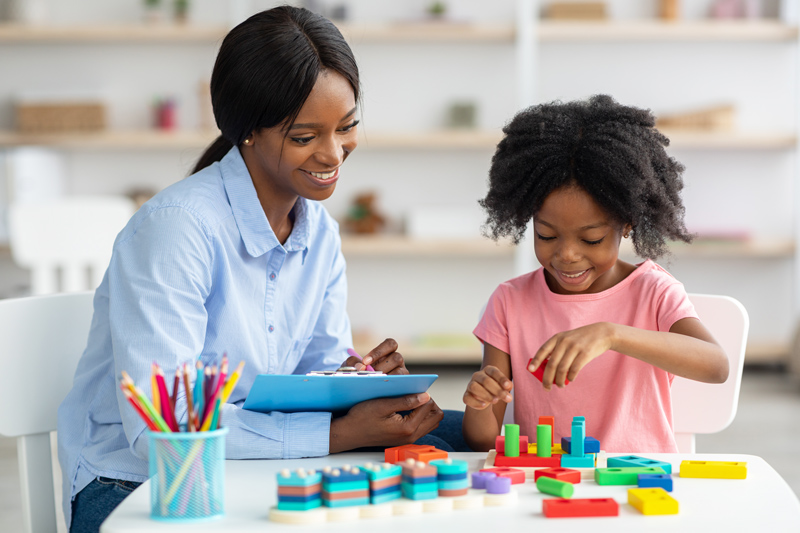
Children go through many physical, emotional, and social changes as they grow. Changes in behavior are a natural part of childhood development, but sudden or ongoing differences in mood, actions, or responses may sometimes indicate that a child needs additional support.
Understanding Childhood Behavioral Changes helps parents recognize normal developmental patterns, identify possible concerns, and provide the right guidance. Every child develops differently, and behavior can be influenced by emotions, environment, experiences, health, and daily routines.
Why Do Childhood Behavioral Changes Occur?
Behavior is one of the main ways children communicate their thoughts and feelings. Since young children may not always have the words to express emotions, changes in behavior can reflect what they are experiencing internally.
Common reasons for behavioral changes include:
- Developmental growth
- Changes in family or school environments
- Emotional experiences
- Stress or anxiety
- Social challenges
- Changes in routine
- Physical health concerns
Understanding the reason behind a behavior change helps parents respond with patience and support.
Normal Behavioral Changes During Childhood Development
Many behaviors are part of normal childhood growth. As children develop new skills and become more independent, their emotions and reactions may change.
Common developmental changes include:
- Wanting more independence
- Testing boundaries
- Developing personal preferences
- Expressing stronger emotions
- Seeking more social interaction
These changes are often part of learning and growing.
Common Types of Childhood Behavioral Changes
Behavioral changes can appear in different ways depending on a child’s age, personality, and circumstances.
Some common changes include:
- Increased irritability
- Mood swings
- Changes in social behavior
- Difficulty following instructions
- Changes in sleeping habits
- Reduced interest in activities
- Increased emotional reactions
Recognizing these patterns can help parents understand their child’s needs.
Emotional Changes in Children
Children experience a wide range of emotions as they learn to understand themselves and the world around them. Emotional changes are often connected to developmental stages and life experiences.
Children may show:
- Increased sensitivity
- Frustration
- Fear or worry
- Difficulty managing emotions
- Strong reactions to situations
Teaching children how to identify and express emotions helps them develop better emotional skills.
Behavioral Changes Related to Stress
Children can experience stress from many sources, including school responsibilities, friendships, family changes, or new environments.
Stress may appear through:
- Changes in mood
- Trouble concentrating
- Withdrawal
- Increased anger
- Changes in eating or sleeping patterns
Providing emotional support and open communication can help children manage stressful situations.
The Role of Family Environment
A child’s surroundings can significantly influence behavior. A stable and supportive environment helps children feel secure and confident.
Positive family support includes:
- Consistent routines
- Open communication
- Emotional encouragement
- Clear expectations
- Quality family time
A nurturing environment helps children develop healthy emotional responses.
How School and Social Experiences Affect Behavior
School and friendships are important parts of childhood development. New experiences in these areas can influence emotions and behavior.
Children may experience changes due to:
- Academic pressure
- Friendship difficulties
- Social adjustments
- New responsibilities
- Changes in learning environments
Understanding these influences helps parents provide appropriate support.
Importance of Open Communication
Communication helps parents understand what children are experiencing. Creating a comfortable space for conversation encourages children to share their thoughts and feelings.
Parents can improve communication by:
- Listening carefully
- Asking supportive questions
- Avoiding immediate criticism
- Acknowledging feelings
- Encouraging honesty
Children are more likely to express concerns when they feel heard.
Positive Ways Parents Can Respond
How parents respond to behavioral changes can influence how children learn to manage emotions and challenges.
Helpful approaches include:
- Staying calm
- Showing empathy
- Setting clear boundaries
- Encouraging positive behavior
- Spending quality time together
Supportive responses help children feel understood and guided.
The Importance of Consistent Routines
Children often feel more secure when they have predictable daily routines. Consistency helps them understand expectations and manage emotions.
Healthy routines may include:
- Regular sleep schedules
- Balanced meal times
- Study periods
- Playtime
- Family activities
Structure provides children with a sense of stability.
Encouraging Healthy Emotional Expression
Children need safe ways to express feelings. Teaching emotional skills helps them handle challenges more effectively.
Parents can encourage:
- Talking about emotions
- Creative activities
- Physical play
- Relaxation techniques
- Problem-solving discussions
Healthy expression supports emotional development.
When Behavioral Changes May Need Attention
Some behavioral changes are temporary, while others may require closer attention. Parents should consider seeking guidance if changes are persistent, severe, or interfere with daily life.
Signs that may need additional support include:
- Long-lasting sadness or worry
- Extreme mood changes
- Significant changes in sleep or eating
- Difficulty managing daily activities
- Problems with relationships or learning
Early support can help children receive appropriate guidance.
Supporting Children Through Transitions
Changes such as moving, starting school, welcoming a new family member, or changes in routine can affect children’s behavior.
Parents can help by:
- Preparing children for changes
- Explaining situations clearly
- Offering reassurance
- Maintaining familiar routines
- Encouraging questions
Support during transitions helps children adapt more easily.
The Role of Healthy Lifestyle Habits
Physical and emotional health are closely connected. Healthy habits can positively influence mood, behavior, and overall development.
Important habits include:
- Adequate sleep
- Nutritious meals
- Regular physical activity
- Limited excessive screen time
- Time for relaxation
A balanced lifestyle supports emotional stability.
Building Strong Parent-Child Relationships
A strong relationship between parents and children creates a foundation of trust and emotional security.
Parents can strengthen connections by:
- Spending meaningful time together
- Showing affection
- Celebrating achievements
- Listening without judgment
- Providing encouragement
Strong relationships help children feel supported during challenges.
Dr. Nikil Sudarsan is a highly experienced Pediatrician in Dubai, dedicated to providing comprehensive healthcare for infants, children, and adolescents. With expertise in Pediatric Neurology, Child Development, Autism, ADHD, Epilepsy, Genetics, and Developmental Disorders, he offers personalized, evidence-based care tailored to each child’s unique needs. Using the latest medical advancements and a family-centered approach, Dr. Nikil Sudarsan focuses on promoting healthy growth, early diagnosis, effective treatment, and long-term well-being, ensuring the best possible outcomes for every child.