
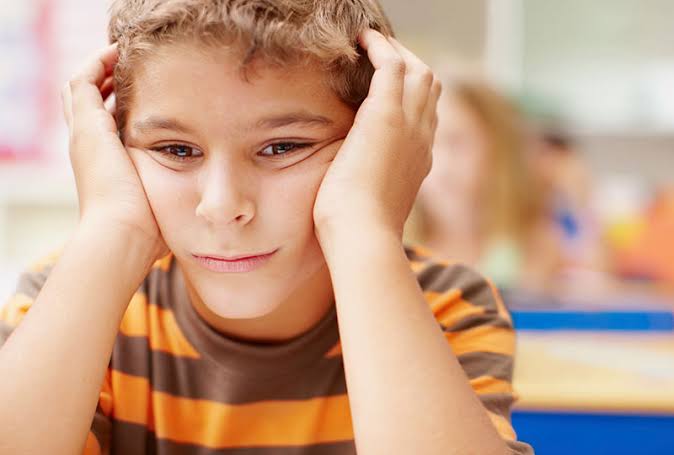
Children experience many emotions as they grow, including happiness, excitement, frustration, and fear. Occasional worries are a normal part of childhood development, but when fear or worry becomes frequent, intense, or affects daily activities, it may be a sign of childhood anxiety.
Understanding Childhood Anxiety helps parents recognize emotional changes, provide appropriate support, and create a safe environment where children can learn healthy ways to manage their feelings. Early awareness and support can help children develop confidence, resilience, and better emotional skills.
What Is Childhood Anxiety?
Childhood anxiety refers to excessive worry, fear, or nervousness that goes beyond typical childhood concerns. It can affect how children think, feel, behave, and respond to everyday situations.
Children with anxiety may experience concerns related to:
- School activities
- Social situations
- Separation from parents
- New experiences
- Health or safety worries
- Everyday challenges
Anxiety can appear differently in each child, making awareness important.
Why Do Children Experience Anxiety?
Many factors can contribute to anxiety during childhood. Emotional development, personal experiences, and environmental factors can all influence how children respond to stress.
Possible factors include:
- Major life changes
- Family transitions
- Academic pressure
- Social difficulties
- Personality traits
- Fear of unfamiliar situations
- Stressful experiences
Understanding these influences helps parents provide better emotional support.
Common Signs of Childhood Anxiety
Children may not always express anxiety through words. Instead, they may show changes in behavior, emotions, or physical responses.
Common signs may include:
- Excessive worrying
- Difficulty separating from parents
- Avoiding certain activities
- Increased irritability
- Trouble concentrating
- Changes in sleep patterns
- Frequent reassurance seeking
Recognizing these signs early allows parents to respond with understanding.
Physical Signs of Anxiety in Children
Anxiety can affect the body as well as emotions. Some children may experience physical symptoms when they feel worried or overwhelmed.
Physical signs may include:
- Stomach discomfort
- Headaches
- Increased tiredness
- Changes in appetite
- Restlessness
- Muscle tension
These symptoms can sometimes be difficult for children to explain, so parents should pay attention to patterns.
Different Types of Childhood Anxiety
Childhood anxiety can appear in different forms depending on the child’s concerns and experiences.
Common types include:
Separation Anxiety
Some children experience intense worry when separated from parents or caregivers. This can affect school attendance, social activities, or daily routines.
Social Anxiety
Social anxiety involves fear or discomfort in social situations, such as meeting new people, speaking in groups, or participating in activities.
Generalized Anxiety
Some children may worry about many areas of life, including school, family, health, or future events.
Specific Fears
Some children develop strong fears related to specific situations, objects, or experiences.
Understanding the type of anxiety can help determine the most appropriate support approach.
How Parents Can Support a Child With Anxiety
Parents play an important role in helping children understand and manage anxiety. A supportive response can help children feel safe and confident.
Helpful strategies include:
- Listening calmly
- Acknowledging feelings
- Offering reassurance
- Encouraging communication
- Teaching coping skills
- Supporting gradual confidence-building
Children benefit from knowing that their feelings are understood.
Encourage Open Communication
Creating opportunities for honest conversations helps children express worries before they become overwhelming.
Parents can encourage communication by:
- Asking about feelings regularly
- Listening without judgment
- Avoiding dismissing concerns
- Helping children describe emotions
- Showing patience
A trusting relationship makes it easier for children to share their experiences.
Teaching Healthy Coping Strategies
Children can learn skills that help them manage anxious feelings. These techniques provide tools for handling stressful situations.
Helpful coping methods include:
- Deep breathing exercises
- Relaxation activities
- Positive thinking
- Creative activities
- Physical movement
- Talking about emotions
Learning coping skills helps children feel more in control.
Maintaining Healthy Daily Routines
Predictable routines can provide children with a sense of security. Regular habits help reduce uncertainty and create emotional stability.
Healthy routines include:
- Consistent sleep schedules
- Balanced meals
- Regular physical activity
- Time for play and relaxation
- Organized daily activities
A stable routine supports emotional well-being.
Helping Children Build Confidence
Confidence can help children face challenges more effectively. Parents can encourage confidence by supporting independence and celebrating effort.
Ways to build confidence include:
- Encouraging problem-solving
- Praising progress
- Allowing age-appropriate responsibilities
- Supporting new experiences
- Recognizing strengths
Confidence grows when children learn they can handle difficulties.
The Importance of Avoiding Excessive Reassurance
While reassurance can comfort children, repeatedly providing reassurance may sometimes strengthen anxiety. Instead, parents can help children develop confidence in managing situations.
Supportive approaches include:
- Encouraging coping skills
- Helping children face manageable challenges
- Focusing on solutions
- Building independence
The goal is to help children feel capable.
How Schools Can Support Children With Anxiety
Schools play an important role in children’s emotional development. Teachers and caregivers can help create supportive learning environments.
School support may include:
- Encouraging positive friendships
- Providing a safe classroom environment
- Recognizing emotional challenges
- Supporting learning needs
A collaborative approach benefits children.
When to Seek Additional Support
Some anxiety is a normal part of childhood, but additional guidance may be helpful when anxiety significantly affects daily life.
Parents may consider seeking support if a child experiences:
- Persistent fear or worry
- Difficulty attending school
- Avoidance of normal activities
- Ongoing sleep problems
- Significant changes in behavior
Early support can help children develop effective emotional skills.
Supporting Long-Term Emotional Health
Helping children manage anxiety contributes to long-term emotional development. Learning how to understand feelings, solve problems, and handle challenges builds resilience.
Long-term support includes:
- Encouraging emotional awareness
- Maintaining positive relationships
- Teaching coping strategies
- Providing consistent guidance
These skills help children navigate future challenges.
Dr. Nikil Sudarsan is a highly experienced Pediatrician in Dubai, dedicated to providing comprehensive healthcare for infants, children, and adolescents. With expertise in Pediatric Neurology, Child Development, Autism, ADHD, Epilepsy, Genetics, and Developmental Disorders, he offers personalized, evidence-based care tailored to each child’s unique needs. Using the latest medical advancements and a family-centered approach, Dr. Nikil Sudarsan focuses on promoting healthy growth, early diagnosis, effective treatment, and long-term well-being, ensuring the best possible outcomes for every child.