
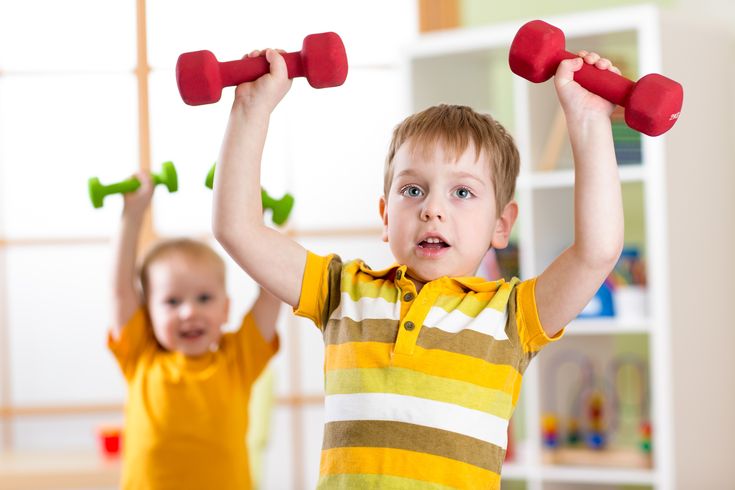
Physical activity is one of the most important factors in a child’s overall growth and development. Regular exercise supports not only physical strength but also mental, emotional, and social well-being. In today’s digital age, where screen time is increasing, encouraging children to stay active has become more important than ever.
The Role of Exercise in Child Health focuses on how movement and physical activity contribute to healthy development and how parents can help children build lifelong fitness habits.
Why Exercise Is Important for Children
Exercise plays a vital role in shaping a child’s overall health. It supports:
- Healthy physical growth
- Strong bones and muscles
- Better coordination and balance
- Improved immunity
- Healthy weight management
Active children are generally healthier and more energetic.
Physical Benefits of Exercise
Regular physical activity provides several important physical health benefits:
Strong Bones and Muscles
Weight-bearing activities help build strong bones and muscles, reducing the risk of future injuries and bone-related issues.
Healthy Weight Control
Exercise helps balance calorie intake and prevents childhood obesity.
Improved Heart Health
Activities like running, swimming, and cycling strengthen the heart and improve circulation.
Better Motor Skills
Exercise enhances coordination, agility, and overall physical performance.
Mental Health Benefits
Exercise is not only good for the body but also for the mind.
Reduced Stress and Anxiety
Physical activity releases endorphins, which help improve mood and reduce stress.
Improved Concentration
Active children often show better focus and academic performance.
Better Sleep
Regular exercise supports healthier sleep patterns and deeper rest.
Emotional and Social Benefits
Exercise also supports emotional balance and social development.
Builds Confidence
Achieving physical goals improves self-esteem.
Encourages Teamwork
Group sports teach cooperation, sharing, and communication.
Emotional Regulation
Physical activity helps children manage emotions more effectively.
Types of Exercises for Children
Children benefit from a variety of physical activities:
Outdoor Play
- Running
- Jumping
- Climbing
- Playing tag
Sports Activities
- Football
- Cricket
- Basketball
- Swimming
Structured Exercise
- Yoga for kids
- Stretching routines
- Dance classes
Everyday Activities
- Walking to school
- Cycling
- Playing in the park
Recommended Exercise Duration
Health experts suggest:
- At least 60 minutes of physical activity daily for children
- A mix of moderate and vigorous activities
- Regular movement throughout the day
Consistency is more important than intensity.
How Exercise Supports Growth and Development
Exercise contributes directly to healthy development:
- Supports bone growth during childhood
- Improves muscle development
- Enhances brain function
- Promotes hormonal balance
Active children tend to develop stronger physical and cognitive abilities.
Role of Exercise in Preventing Health Issues
Regular physical activity helps reduce the risk of:
- Childhood obesity
- Type 2 diabetes
- Weak immunity
- Poor posture
- Cardiovascular issues later in life
Prevention through activity is more effective than treatment later.
Encouraging Children to Exercise
Parents play a key role in building active habits.
Helpful strategies include:
- Making exercise fun and enjoyable
- Encouraging outdoor play daily
- Limiting screen time
- Participating in activities together as a family
- Enrolling children in sports or dance classes
Positive reinforcement works better than pressure.
Reducing Screen Time
Excess screen time often leads to inactivity.
Tips:
- Set daily screen limits
- Encourage outdoor games instead
- Create tech-free play zones
- Replace screen time with physical activities
Balance is key for healthy development.
Exercise and Nutrition Connection
Physical activity works best when combined with proper nutrition.
Healthy habits include:
- Eating balanced meals
- Staying hydrated
- Avoiding junk food
- Eating energy-rich foods before activity
Nutrition fuels performance and recovery.
Safety Tips for Children During Exercise
Safety is essential during physical activities:
- Use proper footwear and equipment
- Warm up before exercise
- Stay hydrated
- Avoid overexertion
- Supervise younger children
Safe exercise ensures long-term benefits.
Age-Appropriate Exercise
Different ages require different types of activity:
Toddlers (1–3 years)
- Simple play activities
- Walking and running
Preschoolers (3–5 years)
- Active play and games
- Basic coordination activities
School-age children (6–12 years)
- Sports and structured exercise
- Team activities
When to Be Concerned
Parents should consult a doctor if:
- Child avoids physical activity completely
- Shows fatigue or pain during movement
- Has difficulty with coordination
- Experiences frequent injuries
Early evaluation ensures proper development.
Dr. Nikil Sudarsan is a highly experienced Pediatrician in Dubai, dedicated to providing comprehensive healthcare for infants, children, and adolescents. With expertise in Pediatric Neurology, Child Development, Autism, ADHD, Epilepsy, Genetics, and Developmental Disorders, he offers personalized, evidence-based care tailored to each child’s unique needs. Using the latest medical advancements and a family-centered approach, Dr. Nikil Sudarsan focuses on promoting healthy growth, early diagnosis, effective treatment, and long-term well-being, ensuring the best possible outcomes for every child.