
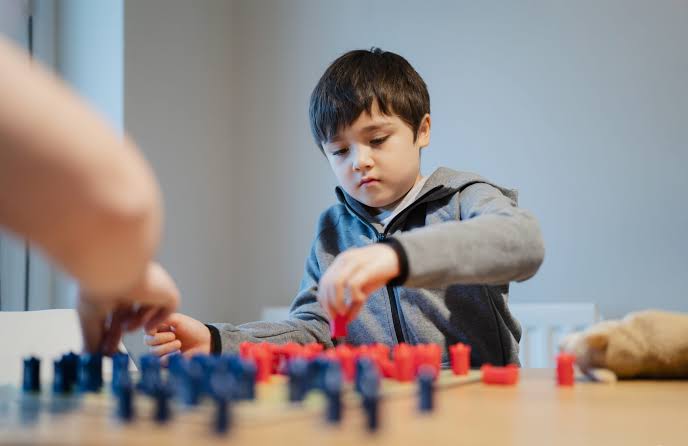
A child’s mental health is just as important as their physical health. It influences how they think, feel, behave, learn, and interact with others. In today’s fast-paced and highly demanding world, children can experience stress, anxiety, peer pressure, academic challenges, and emotional changes that affect their well-being. Understanding How to Support a Child’s Mental Health is essential for parents, caregivers, and educators to help children grow into emotionally healthy and confident individuals.
Early emotional support builds resilience, improves behavior, and creates a strong foundation for lifelong mental wellness.
Why Child Mental Health Matters
Mental health affects every aspect of a child’s development, including learning ability, relationships, and self-esteem.
Good mental health helps children:
- Develop confidence and self-esteem
- Build healthy relationships
- Manage stress effectively
- Perform better academically
- Express emotions in a healthy way
Poor mental health, on the other hand, can lead to anxiety, depression, behavioral issues, and social difficulties.
Common Mental Health Challenges in Children
Children may experience different emotional and psychological challenges depending on their environment and personality.
Common issues include:
- Anxiety and excessive worry
- Depression or sadness
- Attention difficulties (ADHD)
- Behavioral problems
- Social withdrawal
- Low self-esteem
Recognizing early signs is the first step toward support.
Signs a Child May Need Mental Health Support
Parents should watch for changes in behavior or emotions.
Warning signs include:
- Sudden changes in mood or behavior
- Difficulty concentrating
- Withdrawal from friends and family
- Changes in sleep patterns
- Loss of interest in activities
- Frequent anger or irritability
- Decline in academic performance
Early identification helps prevent long-term issues.
Create a Safe and Supportive Environment
A child’s home environment plays a major role in mental well-being.
To create emotional safety:
- Encourage open communication
- Avoid harsh criticism or punishment
- Show unconditional love and support
- Maintain a stable routine
- Provide a calm and positive atmosphere
Children feel more secure when they know they are supported and understood.
Encourage Open Communication
Talking openly helps children express their feelings without fear.
Tips for better communication:
- Listen without interrupting
- Ask open-ended questions
- Validate their feelings
- Avoid judgment or blame
- Be patient and understanding
When children feel heard, they are more likely to share their emotions.
Teach Emotional Awareness
Helping children understand their emotions is essential for mental development.
Teach them to:
- Identify different emotions (happy, sad, angry, anxious)
- Express feelings using words
- Understand that all emotions are normal
- Manage reactions in healthy ways
Emotional awareness builds self-control and resilience.
Encourage Healthy Routines
Daily routines provide stability and reduce stress.
Healthy habits include:
- Regular sleep schedules
- Balanced meals
- Physical activity
- Limited screen time
- Time for play and relaxation
A structured routine helps children feel secure and balanced.
Promote Physical Activity
Exercise is closely linked to mental well-being.
Physical activity helps:
- Reduce stress and anxiety
- Improve mood
- Increase energy levels
- Boost self-confidence
Encourage activities like sports, cycling, dancing, or outdoor play.
Limit Stress and Pressure
Excessive academic or social pressure can negatively affect mental health.
Parents should:
- Avoid unrealistic expectations
- Focus on effort rather than perfection
- Support learning at the child’s pace
- Encourage breaks and relaxation
Balanced expectations help reduce anxiety and stress.
Build Self-Esteem and Confidence
Children with strong self-esteem are more emotionally resilient.
Ways to build confidence:
- Praise effort, not just results
- Encourage independence
- Celebrate achievements
- Support hobbies and interests
- Avoid comparisons with others
Positive reinforcement helps children feel valued.
Encourage Social Interaction
Healthy relationships support emotional development.
Encourage children to:
- Play with peers
- Join group activities or clubs
- Build friendships
- Learn teamwork skills
Social interaction improves communication and emotional stability.
Teach Problem-Solving Skills
Children need guidance to handle challenges effectively.
Help them:
- Break problems into smaller steps
- Explore solutions together
- Learn from mistakes
- Develop decision-making skills
Problem-solving builds independence and confidence.
Manage Screen Time
Excessive screen use can affect mood and behavior.
Tips to manage screen time:
- Set daily limits
- Encourage offline activities
- Avoid screens before bedtime
- Monitor content exposure
Balanced screen time supports better mental health.
Encourage Mindfulness and Relaxation
Simple relaxation techniques can help reduce stress.
Techniques include:
- Deep breathing exercises
- Meditation for kids
- Drawing or creative activities
- Listening to calming music
These activities help children manage emotions better.
Be a Positive Role Model
Children learn by observing adults.
Parents should:
- Manage their own stress healthily
- Communicate calmly
- Show emotional control
- Demonstrate positive behavior
A positive role model strengthens healthy habits in children.
When to Seek Professional Help
Sometimes children need expert support.
Seek help if a child:
- Shows persistent sadness or anxiety
- Has extreme behavioral changes
- Talks about self-harm or hopelessness
- Struggles significantly at school or home
Mental health professionals can provide therapy and guidance.
Importance of Early Intervention
Early support can prevent long-term emotional issues.
Benefits include:
- Faster recovery
- Better emotional development
- Improved social skills
- Stronger coping abilities
Early action leads to better long-term outcomes.
Role of Parents and Caregivers
Parents play the most important role in supporting mental health.
They should:
- Provide emotional support
- Maintain a stable environment
- Encourage healthy habits
- Stay involved in the child’s life
- Communicate regularly
Consistent care builds emotional security.
Dr. Nikil Sudarsan is a highly experienced Pediatrician in Dubai, dedicated to providing comprehensive healthcare for infants, children, and adolescents. With expertise in Pediatric Neurology, Child Development, Autism, ADHD, Epilepsy, Genetics, and Developmental Disorders, he offers personalized, evidence-based care tailored to each child’s unique needs. Using the latest medical advancements and a family-centered approach, Dr. Nikil Sudarsan focuses on promoting healthy growth, early diagnosis, effective treatment, and long-term well-being, ensuring the best possible outcomes for every child.