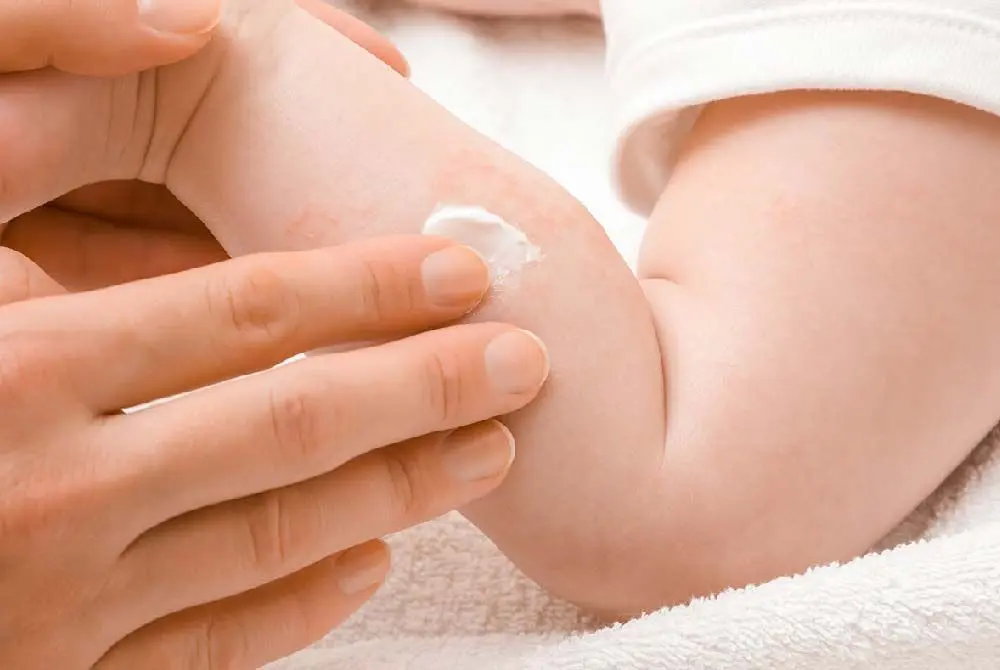
Newborn skin is extremely delicate and still adapting to life outside the womb. Because of this transition, it is very common for babies to develop temporary skin changes during the first days, weeks, and months after birth. While these conditions can look concerning to new parents, most are harmless and resolve on their own with simple care.
Understanding common newborn skin conditions helps parents stay calm, provide appropriate care, and recognize when medical attention is needed. Below is a detailed guide to the most frequently seen skin conditions in newborns, their causes, symptoms, and management.
Baby Acne (Neonatal Acne)
Baby acne is one of the most common skin conditions seen in newborns. It usually appears between 2 to 6 weeks after birth and affects the face, especially the cheeks, nose, and forehead.
This condition is thought to be triggered by maternal hormones that remain in the baby’s system after birth. These hormones can stimulate the baby’s oil glands, leading to small pimples.
Symptoms include:
- Small red or white bumps on the face
- Occasionally mild inflammation
- No pain or itching in most cases
Baby acne is temporary and does not cause scarring. It typically clears within a few weeks to a couple of months.
Care advice:
Parents should keep the baby’s face clean using lukewarm water and avoid harsh soaps, oils, or lotions. It is important not to squeeze or rub the pimples, as this may irritate the skin further. In most cases, no medical treatment is needed.
Cradle Cap (Seborrheic Dermatitis)
Cradle cap is a common condition that affects the scalp of newborns. It appears as greasy, yellowish, or white scaly patches on the head and sometimes spreads to the eyebrows, eyelids, or behind the ears.
Although the exact cause is not fully known, it is believed to be related to overactive oil glands and the buildup of skin oils and dead skin cells.
Symptoms include:
- Flaky or crusty scalp patches
- Yellow or white scales
- Mild redness in some cases
- Usually no discomfort or itching
Cradle cap is not contagious and does not indicate poor hygiene.
Care advice:
Parents can gently wash the baby’s scalp with a mild baby shampoo and use a soft brush to loosen flakes after bathing. In some cases, a doctor may recommend a gentle oil treatment before washing. Cradle cap usually clears on its own within a few weeks or months.
Heat Rash (Miliaria)
Heat rash occurs when sweat becomes trapped under the skin due to blocked sweat glands. Newborns are especially prone to this condition because their sweat glands are still developing.
It is more common in hot and humid environments and can appear when babies are overdressed.
Symptoms include:
- Small red bumps or tiny blisters
- Common in neck, chest, back, and diaper area
- Mild irritation in some cases
Heat rash is not serious and usually resolves quickly once the skin is cooled and kept dry.
Care advice:
Dress the baby in lightweight, breathable cotton clothing and avoid overheating. Keep the room temperature comfortable and give regular air exposure to the skin. Most cases improve within a few days without treatment.
Erythema Toxicum Neonatorum
Despite its complex name, this is a harmless and very common rash in newborns. It typically appears within the first 2 to 5 days after birth.
Symptoms include:
- Red patches with small white or yellow bumps in the center
- Appears on the face, trunk, arms, and legs
- Rash may come and go
The exact cause is unknown, but it is considered a normal response of the newborn’s immune system adapting to the outside environment.
No treatment is required, and the rash usually disappears within one to two weeks.
Dry Skin and Peeling
Many newborns experience dry or peeling skin, especially if they are born after full term. This happens because the outer layer of skin adjusts from a fluid-rich environment in the womb to dry air after birth.
Symptoms include:
- Flaky skin on hands, feet, and ankles
- Peeling on palms or soles
- Mild dryness across the body
This condition is normal and temporary.
Care advice:
Parents should use mild, fragrance-free moisturizers and avoid harsh soaps. Short baths with lukewarm water are recommended. The skin naturally improves within a few days to weeks.
Diaper Rash
Diaper rash is one of the most common irritations in newborns. It occurs due to prolonged contact with wet diapers, friction, or sensitivity to diaper materials or wipes.
Symptoms include:
- Redness in the diaper area
- Mild swelling or irritation
- Baby discomfort during diaper changes
In more severe cases, the skin may become raw or develop small bumps.
Care advice:
Frequent diaper changes are essential. Keeping the area clean and dry helps prevent irritation. Using barrier creams containing zinc oxide can protect the skin. Allowing short diaper-free periods also helps healing. Most diaper rashes improve within a few days.
When to Seek Medical Advice
While most newborn skin conditions are harmless, parents should consult a doctor if they notice:
- Persistent or worsening rash
- Fever along with skin symptoms
- Blisters, pus, or signs of infection
- Severe redness or swelling
- Baby appears unusually irritable or unwell
Early evaluation ensures proper diagnosis and treatment if required.
Dr. Nikil Sudarsan is a highly experienced Pediatrician in Dubai, dedicated to providing comprehensive healthcare for infants, children, and adolescents. With expertise in Pediatric Neurology, Child Development, Autism, ADHD, Epilepsy, Genetics, and Developmental Disorders, he offers personalized, evidence-based care tailored to each child’s unique needs. Using the latest medical advancements and a family-centered approach, Dr. Nikil Sudarsan focuses on promoting healthy growth, early diagnosis, effective treatment, and long-term well-being, ensuring the best possible outcomes for every child.