
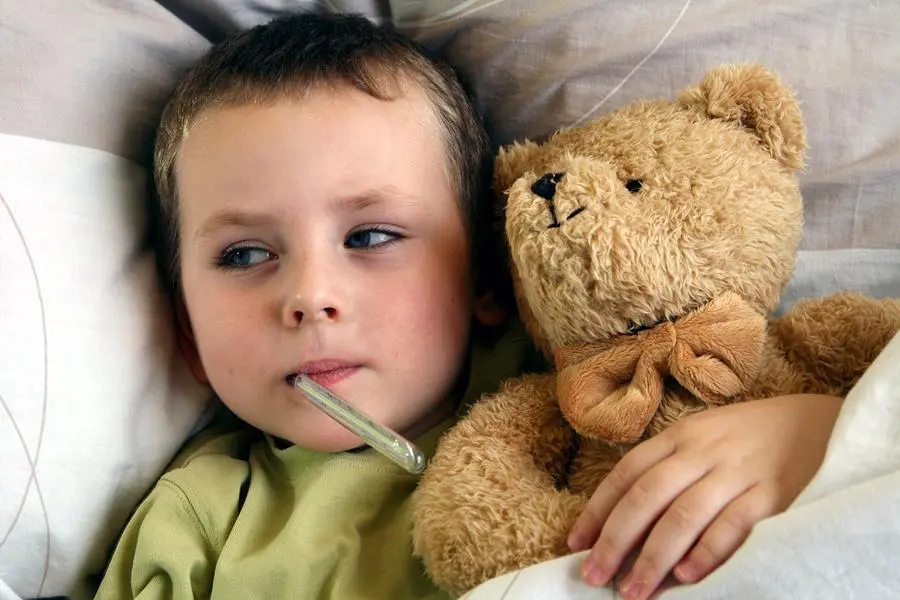
A healthy immune system is one of the body’s most important defenses against illness and infection. During childhood, the immune system undergoes significant development as it learns to recognize and respond to a wide variety of viruses, bacteria, and other harmful substances. Because children’s immune systems are still maturing, understanding how immunity works can help parents make informed decisions that support their child’s health and well-being.
This guide to Understanding Childhood Immune Health explores how the immune system develops, factors that influence immunity, and practical ways to help children maintain strong immune health.
What Is the Immune System?
The immune system is a complex network of cells, tissues, organs, and proteins that work together to protect the body from harmful germs and infections.
Its primary functions include:
- Identifying harmful invaders
- Fighting infections
- Removing damaged cells
- Creating immune memory for future protection
A healthy immune system helps children recover from illnesses and reduces the risk of serious infections.
How the Immune System Develops in Childhood
Children are not born with fully developed immune systems. Instead, immunity develops gradually over time.
Before Birth
During pregnancy, mothers pass protective antibodies to their babies through the placenta. These antibodies provide temporary protection during the early months of life.
After Birth
Once babies are born, their immune systems begin learning how to respond to new germs and environmental exposures.
As children grow, their immune systems become stronger through:
- Everyday exposure to common germs
- Vaccinations
- Healthy lifestyle habits
- Nutritional support
This gradual learning process helps build long-term immunity.
Why Children Get Sick Frequently
Many parents worry when their children seem to catch frequent colds or infections. In most cases, this is a normal part of immune system development.
Children commonly encounter germs through:
- School
- Daycare
- Playgrounds
- Sports activities
- Social interactions
Each exposure provides an opportunity for the immune system to learn and build defenses against future infections.
Frequent minor illnesses often contribute to the development of stronger immunity over time.
Key Components of the Immune System
Several parts of the body work together to protect children from illness.
White Blood Cells
White blood cells help identify and destroy harmful germs.
Antibodies
Antibodies are proteins that recognize specific infections and help the body fight them more effectively.
Lymphatic System
The lymphatic system transports immune cells and helps remove waste products from the body.
Bone Marrow
Bone marrow produces many of the cells involved in immune function.
Spleen and Thymus
These organs play important roles in immune cell development and response.
Together, these components form a coordinated defense system.
The Role of Nutrition in Immune Health
Proper nutrition is essential for a healthy immune system.
Children need a balanced diet that includes:
Fruits and Vegetables
These foods provide vitamins, minerals, and antioxidants that support immune function.
Protein
Protein helps build and repair tissues and supports the production of immune cells.
Sources include:
- Lean meats
- Fish
- Eggs
- Beans
- Nuts
Healthy Fats
Healthy fats contribute to normal immune responses and overall health.
Whole Grains
Whole grains provide nutrients and energy needed for healthy growth and immune support.
A varied and nutritious diet helps ensure children receive the nutrients necessary for optimal immune function.
Importance of Adequate Sleep
Sleep plays a critical role in immune health.
During sleep, the body:
- Repairs tissues
- Produces important immune proteins
- Supports healthy brain function
- Restores energy
Children who consistently get enough sleep may be better equipped to fight infections and recover from illness.
Establishing regular sleep routines can support both physical and immune health.
Physical Activity and Immunity
Regular physical activity benefits many aspects of health, including immune function.
Exercise can help:
- Improve circulation
- Reduce stress
- Support healthy weight management
- Promote overall well-being
Encouraging active play and age-appropriate physical activities helps children maintain healthy lifestyles.
The Importance of Vaccinations
Vaccinations are one of the most effective ways to support childhood immune health.
Vaccines help the immune system learn how to recognize and fight specific diseases without causing the illness itself.
Benefits include protection against:
- Measles
- Polio
- Whooping cough
- Hepatitis
- Influenza
- Many other infectious diseases
Following recommended immunization schedules helps provide essential protection during childhood.
Managing Stress in Children
Although stress is often associated with adults, children can also experience emotional stress.
Sources of stress may include:
- School challenges
- Family changes
- Social pressures
- Major life events
Chronic stress may affect overall health and immune function.
Parents can support emotional well-being by:
- Encouraging open communication
- Providing reassurance
- Maintaining routines
- Creating a supportive home environment
Healthy emotional development contributes to overall wellness.
Hygiene and Infection Prevention
Good hygiene practices help reduce exposure to harmful germs.
Important habits include:
- Washing hands regularly
- Covering coughs and sneezes
- Avoiding sharing personal items
- Maintaining oral hygiene
Teaching these habits early helps protect children from common infections and supports public health.
Recognizing Signs of a Healthy Immune System
A healthy immune system does not mean a child never gets sick.
Signs of healthy immune function may include:
- Normal growth and development
- Recovery from common illnesses
- Good energy levels
- Healthy appetite
- Appropriate response to vaccinations
Children naturally encounter infections as part of growing up, and occasional illness is often normal.
When Should Parents Seek Medical Advice?
Parents should consult a healthcare provider if a child experiences:
- Frequent severe infections
- Unusual or prolonged illnesses
- Poor growth
- Persistent fatigue
- Recurrent pneumonia or serious infections
Healthcare professionals can evaluate whether additional testing or support is needed.
Building Lifelong Immune Health Habits
Healthy habits established during childhood often continue into adulthood.
Parents can support long-term immune health by encouraging:
- Balanced nutrition
- Regular physical activity
- Adequate sleep
- Proper hygiene
- Routine healthcare visits
- Vaccination adherence
These habits create a strong foundation for overall health and wellness.
Dr. Nikil Sudarsan is a highly experienced Pediatrician in Dubai, dedicated to providing comprehensive healthcare for infants, children, and adolescents. With expertise in Pediatric Neurology, Child Development, Autism, ADHD, Epilepsy, Genetics, and Developmental Disorders, he offers personalized, evidence-based care tailored to each child’s unique needs. Using the latest medical advancements and a family-centered approach, Dr. Nikil Sudarsan focuses on promoting healthy growth, early diagnosis, effective treatment, and long-term well-being, ensuring the best possible outcomes for every child.