
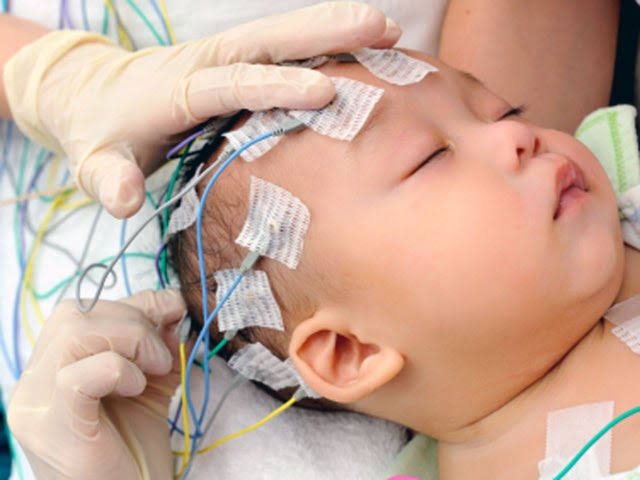
Children may need different medical tests for many reasons, especially when doctors want to understand how the brain is functioning. One of the most common and important tests used in pediatric neurology is an electroencephalogram, also known as an EEG. Understanding EEG Testing in Children helps parents feel more prepared, less anxious, and better informed about why the test is recommended and what it can reveal.
An EEG is a safe and painless test that measures the electrical activity in the brain. It is often used to evaluate symptoms such as seizures, fainting episodes, unusual movements, sleep problems, developmental concerns, or changes in behavior. Although the test may sound intimidating at first, it is a routine procedure that provides valuable information to doctors.
What Is an EEG?
An EEG, or electroencephalogram, records the brain’s electrical signals using small sensors placed on the scalp. These signals show how the brain is working in real time. The test does not use radiation and does not cause pain.
In children, EEG testing may be used to:
- Check for seizure activity
- Evaluate epilepsy
- Investigate unusual staring spells
- Study sleep-related issues
- Assess developmental or neurological concerns
- Help doctors understand abnormal brain activity
The information from an EEG helps doctors decide whether further testing or treatment is needed.
Why Children May Need an EEG
Doctors may recommend an EEG if a child shows signs that suggest the brain may not be functioning normally. Some symptoms can be subtle, while others are more obvious.
A child may need an EEG if they experience:
- Seizures or convulsions
- Repeated staring spells
- Sudden loss of awareness
- Unexplained jerking movements
- Frequent sleep disturbances
- Unusual behavior changes
- Developmental delays
- Head injuries in some cases
An EEG can help determine whether these symptoms are linked to abnormal electrical activity in the brain.
How EEG Testing Works
Understanding the process can help reduce fear and anxiety for both children and parents. During the test, the child lies or sits comfortably while a technician places small electrodes on the scalp. These electrodes are connected to a machine that records brain activity.
The procedure usually involves:
- Cleaning the scalp
- Placing small sensors on the head
- Recording brain waves while the child rests
- Sometimes asking the child to open and close their eyes
- In some cases, using lights, deep breathing, or sleep to observe brain activity
The test is painless, and the child does not feel the electrical signals being recorded. The electrodes only detect activity; they do not send electricity into the body.
Types of EEG Testing in Children
There are different types of EEG tests depending on the child’s symptoms and the doctor’s concerns.
Routine EEG
This is the most common type. It usually lasts between 20 and 60 minutes and records brain activity while the child is awake or sleepy.
Sleep EEG
Some brain activity is easier to detect during sleep, so doctors may recommend this type if they need more detailed information.
Ambulatory EEG
This test records brain activity over a longer period while the child goes home and continues normal daily activities.
Video EEG
A video EEG records both brain activity and the child’s movements at the same time. This is especially useful when doctors want to study seizures or unusual behaviors in detail.
Preparing a Child for an EEG
Preparation depends on the child’s age and the type of EEG being done. Parents can help by explaining the test in simple, reassuring language.
Helpful preparation tips include:
- Explain that the test does not hurt
- Tell the child they may need to sit still for a while
- Wash the child’s hair before the appointment
- Avoid using oils, gels, or sprays on the hair
- Follow the doctor’s instructions about sleep or eating
- Bring comfort items such as a toy or blanket if allowed
When children know what to expect, they are usually calmer and more cooperative during the procedure.
What Happens After the EEG?
After the test, the electrodes are removed and the scalp is cleaned. The child can usually return to normal activities unless the doctor gives special instructions.
A neurologist or specialist will review the EEG results. The results may show:
- Normal brain activity
- Signs of seizure tendency
- Abnormal brain waves
- Patterns related to sleep or other neurological concerns
The EEG results are only one part of the diagnosis. Doctors combine the EEG findings with the child’s medical history, symptoms, and physical examination to understand the full picture.
Is EEG Testing Safe for Children?
EEG testing is considered very safe. It is non-invasive, painless, and does not involve surgery or radiation. Most children tolerate the test well, especially when parents help them stay calm and prepared.
In rare cases, children may feel slightly uncomfortable because they need to stay still for some time. However, the procedure itself does not cause harm.
How Parents Can Support Their Child
Children may feel nervous before medical tests, especially if they do not understand what is happening. Parents can make the experience easier by staying calm and positive.
You can help by:
- Reassuring the child that the test is safe
- Using simple explanations
- Answering questions honestly
- Bringing comfort items if permitted
- Praising the child for cooperation
A calm parent often helps a child feel more secure during the process.
Why EEG Testing Matters
An EEG plays an important role in diagnosing and managing neurological conditions in children. It helps doctors detect abnormal brain activity and make informed decisions about treatment. Early identification of neurological concerns can lead to faster support, better monitoring, and improved outcomes.
For children with seizures or unexplained episodes, EEG testing can be an important step toward understanding the cause and finding the right care plan.
Dr. Nikil Sudarsan is a highly experienced Pediatrician in Dubai, dedicated to providing comprehensive healthcare for infants, children, and adolescents. With expertise in Pediatric Neurology, Child Development, Autism, ADHD, Epilepsy, Genetics, and Developmental Disorders, he offers personalized, evidence-based care tailored to each child’s unique needs. Using the latest medical advancements and a family-centered approach, Dr. Nikil Sudarsan focuses on promoting healthy growth, early diagnosis, effective treatment, and long-term well-being, ensuring the best possible outcomes for every child.