
Language is one of the most important tools children use to communicate, learn, and build relationships. Every child develops language skills at their own pace, but significant delays in speech or language may indicate the need for professional evaluation and support. Understanding Language Delay and Child Development helps parents recognize early signs, identify possible causes, and seek timely intervention to support their child’s growth.
In this article, we’ll explore what language delay is, its impact on child development, common warning signs, and how parents can encourage healthy communication skills.
What Is Language Delay?
Language delay occurs when a child develops speech and language skills more slowly than expected for their age. It may affect a child’s ability to understand language (receptive language), express thoughts through words (expressive language), or both.
Some children simply develop language later than others, while others may have underlying medical, developmental, or hearing-related conditions that require professional attention.
Early identification is important because language plays a vital role in learning, social interaction, and emotional development.
Understanding the Connection Between Language Delay and Child Development
The relationship between Language Delay and Child Development is significant because communication influences many areas of a child’s life. Language helps children express their needs, understand instructions, develop friendships, and succeed in school.
When language development is delayed, children may also experience challenges with:
- Social interaction
- Emotional expression
- Learning and academic performance
- Problem-solving skills
- Confidence and self-esteem
Early support can greatly improve communication skills and long-term developmental outcomes.
Common Causes of Language Delay
Language delay can occur for many reasons, including:
Hearing Problems
Children learn language by listening. Hearing loss or frequent ear infections may affect a child’s ability to hear sounds clearly, leading to delayed speech and language development.
Developmental Disorders
Conditions such as autism spectrum disorder (ASD), intellectual disabilities, or global developmental delay can affect language development.
Neurological Conditions
Certain neurological disorders may interfere with the brain’s ability to process or produce language.
Limited Language Exposure
Children develop language through regular interaction. Limited opportunities for conversation, reading, or play may slow language development.
Oral or Motor Difficulties
Problems affecting the tongue, lips, or muscles involved in speech can make it difficult for children to pronounce words clearly.
Sometimes no specific cause is identified, and children simply require extra support to catch up.
Signs of Language Delay
Recognizing early warning signs allows parents to seek help promptly.
Some signs may include:
- Limited babbling during infancy
- Not saying simple words by around 12 to 18 months
- Difficulty following simple instructions
- Small vocabulary compared to children of the same age
- Trouble combining words into short sentences
- Difficulty understanding spoken language
- Speech that is difficult for others to understand
- Frustration when trying to communicate
If your child consistently misses developmental milestones, consult your pediatrician or a speech-language pathologist for an evaluation.
How Language Delay Affects Child Development
Understanding Language Delay and Child Development involves recognizing how communication influences many aspects of growth.
Social Development
Children with language delays may find it difficult to participate in conversations, make friends, or engage in group activities.
Emotional Development
When children cannot express their feelings or needs clearly, they may become frustrated, anxious, or withdrawn.
Learning and Academic Skills
Language is essential for reading, writing, listening, and classroom participation. Delayed language development can affect school readiness and academic progress.
Cognitive Development
Communication supports thinking, reasoning, and problem-solving. Strengthening language skills also promotes cognitive development.
How Language Delay Is Diagnosed
If a language delay is suspected, healthcare professionals may recommend:
- Developmental screening
- Hearing evaluation
- Speech and language assessment
- Medical examination
- Observation of communication skills during play
Early assessment helps determine whether additional support or therapy is needed.
Treatment and Early Intervention
Early intervention is often highly effective in improving communication skills.
Treatment may include:
Speech and Language Therapy
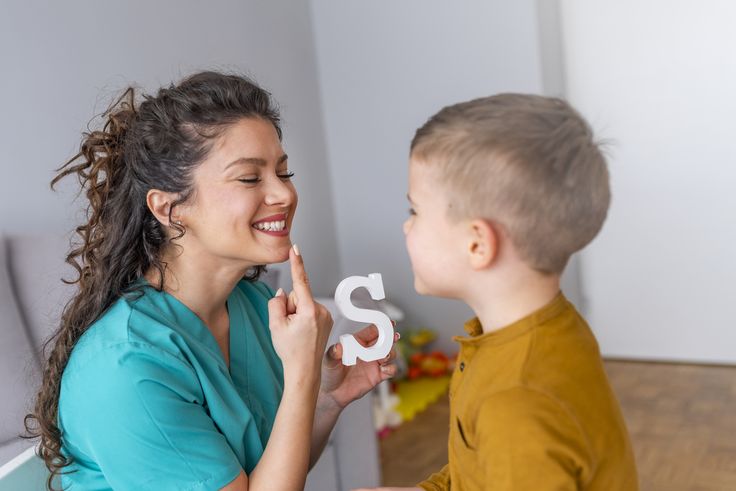
Speech-language pathologists use play-based activities, exercises, and communication strategies to help children develop vocabulary, pronunciation, comprehension, and conversation skills.
Parent Involvement
Parents play an essential role in language development by practicing communication activities at home.
Hearing Treatment
If hearing problems contribute to language delay, appropriate medical treatment or hearing devices may be recommended.
Developmental Support
Children with underlying developmental conditions may benefit from multidisciplinary care involving pediatricians, therapists, educators, and other specialists.
How Parents Can Encourage Language Development
Parents can support healthy communication every day through simple activities.
Talk Frequently
Describe daily routines, ask questions, and encourage conversations throughout the day.
Read Together
Reading books aloud introduces new vocabulary and helps children understand sentence structure and storytelling.
Sing Songs and Nursery Rhymes
Music encourages listening, memory, pronunciation, and language rhythm.
Limit Screen Time
Face-to-face interaction provides much greater language-learning opportunities than passive screen viewing.
Encourage Play
Pretend play, storytelling, puzzles, and interactive games naturally build communication skills.
Listen Patiently
Give your child time to express themselves without interrupting or finishing their sentences.
When Should You Seek Professional Help?
Consult your pediatrician or a speech-language pathologist if your child:
- Is not meeting expected language milestones
- Rarely responds to sounds or voices
- Has difficulty understanding simple instructions
- Uses very few words compared to peers
- Shows little interest in communicating
- Suddenly loses previously developed language skills
Early evaluation allows intervention to begin during the years when language development is most responsive to therapy.
Dr. Nikil Sudarsan is a highly experienced Pediatrician in Dubai, dedicated to providing comprehensive healthcare for infants, children, and adolescents. With expertise in Pediatric Neurology, Child Development, Autism, ADHD, Epilepsy, Genetics, and Developmental Disorders, he offers personalized, evidence-based care tailored to each child’s unique needs. Using the latest medical advancements and a family-centered approach, Dr. Nikil Sudarsan focuses on promoting healthy growth, early diagnosis, effective treatment, and long-term well-being, ensuring the best possible outcomes for every child.