
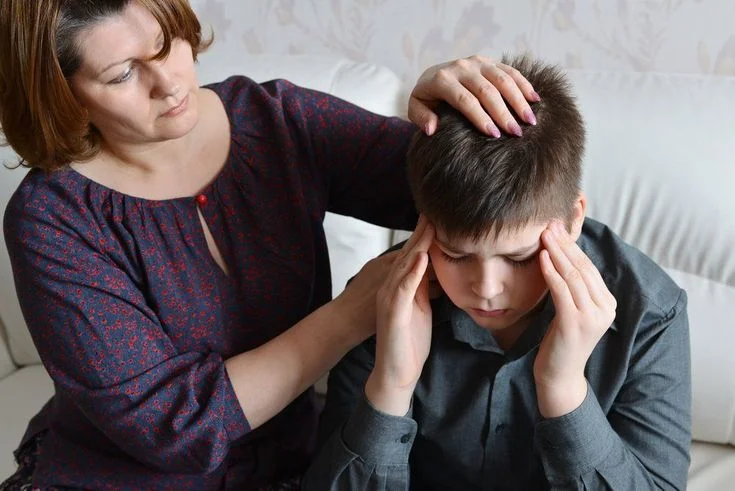
Headaches are not just an adult problem—they are also common in children. While most childhood headaches are temporary and not serious, recurring or severe headaches should never be ignored. Understanding childhood headaches: common causes can help parents recognize possible triggers, provide appropriate care, and know when to seek medical attention. Identifying the underlying cause is the first step toward helping children feel better and return to their normal daily activities.
Are Headaches Common in Children?
Yes. Children of all ages can experience headaches, although they become more common as children grow older. A headache may occur occasionally due to minor factors such as dehydration or fatigue, while some children may experience headaches more frequently.
Most headaches improve with rest, hydration, and addressing the underlying cause. However, persistent or worsening headaches should be evaluated by a healthcare professional.
Common Causes of Childhood Headaches
Several factors can contribute to headaches in children. In many cases, the cause is temporary and manageable.
Dehydration
Not drinking enough water is one of the most common reasons children develop headaches.
Signs of dehydration may include:
- Dry mouth
- Fatigue
- Dizziness
- Dark-colored urine
- Reduced urination
Encouraging children to drink water throughout the day can help prevent dehydration-related headaches.
Lack of Sleep
Children need adequate sleep for healthy growth and development. Insufficient or poor-quality sleep can trigger headaches.
Healthy sleep habits include:
- Maintaining a consistent bedtime
- Limiting screen time before bed
- Creating a comfortable sleeping environment
Good sleep supports both physical and mental well-being.
Stress and Anxiety
Schoolwork, exams, family changes, or social situations may contribute to stress-related headaches.
Children experiencing stress may also show:
- Irritability
- Difficulty concentrating
- Changes in appetite
- Trouble sleeping
Open communication and healthy coping strategies can help reduce stress.
Eye Strain
Spending long periods reading, using computers, tablets, or smartphones may lead to eye strain and headaches.
To reduce eye strain:
- Encourage regular screen breaks.
- Ensure proper lighting.
- Schedule routine eye examinations if vision concerns arise.
Hunger or Skipping Meals
Children who skip meals or go long periods without eating may experience headaches due to low energy levels.
Providing balanced meals and healthy snacks at regular intervals can help maintain stable energy throughout the day.
Minor Illnesses
Common infections such as colds, flu, sinus infections, or fever often cause temporary headaches.
As the illness improves, the headache usually resolves as well.
Types of Headaches in Children
Children can experience different types of headaches.
Tension-Type Headaches
These are among the most common childhood headaches.
Children may describe:
- Mild to moderate pain
- Pressure or tightness around the head
- Pain on both sides of the head
Stress, fatigue, or muscle tension often contribute to this type of headache.
Migraine
Some children experience migraines, which may cause:
- Moderate to severe head pain
- Sensitivity to light or sound
- Nausea or vomiting
- Pain on one or both sides of the head
Migraines may run in families and should be evaluated by a healthcare professional.
Lifestyle Factors That May Contribute
Healthy daily habits can reduce the likelihood of headaches.
Encourage your child to:
- Drink enough water
- Eat regular meals
- Get sufficient sleep
- Stay physically active
- Limit excessive screen time
- Manage stress
These habits support overall health and may help prevent certain headaches.
When Should Parents Seek Medical Advice?
While many headaches are harmless, medical evaluation is recommended if a child experiences:
- Frequent headaches
- Severe headaches
- Headaches that wake them from sleep
- Headaches after a head injury
- Headaches with fever and a stiff neck
- Vision changes
- Persistent vomiting
- Weakness or difficulty walking
- Changes in behavior or alertness
Prompt medical assessment helps identify any underlying conditions that require treatment.
Helping a Child with a Headache
If your child develops a mild headache, you can often help by:
- Encouraging rest in a quiet room
- Offering water if dehydration may be a factor
- Providing a healthy snack if they have not eaten
- Limiting screen time
- Following your healthcare provider’s advice regarding appropriate pain relief when necessary
Avoid giving medications without guidance from a healthcare professional.
Preventing Childhood Headaches
Many headaches can be reduced by encouraging healthy routines.
Helpful preventive habits include:
- Maintaining regular sleep schedules
- Eating balanced meals
- Drinking plenty of water
- Encouraging outdoor play and physical activity
- Managing stress
- Limiting excessive screen use
Keeping a headache diary may also help identify patterns or triggers if headaches occur frequently.
The Importance of Professional Evaluation
Recurring headaches should always be discussed with your child’s healthcare provider. A medical evaluation may include questions about:
- Frequency of headaches
- Duration
- Pain location
- Possible triggers
- Family history
- Associated symptoms
This information helps guide diagnosis and treatment recommendations.
Dr. Nikil Sudarsan is a highly experienced Pediatrician in Dubai, dedicated to providing comprehensive healthcare for infants, children, and adolescents. With expertise in Pediatric Neurology, Child Development, Autism, ADHD, Epilepsy, Genetics, and Developmental Disorders, he offers personalized, evidence-based care tailored to each child’s unique needs. Using the latest medical advancements and a family-centered approach, Dr. Nikil Sudarsan focuses on promoting healthy growth, early diagnosis, effective treatment, and long-term well-being, ensuring the best possible outcomes for every child.