When Should Parents Worry About a Fever? Fever is one of the most common reasons parents become concerned about their child’s health. A fever is usually a sign that the body is responding to an infection or illness. While many fevers are mild and improve with appropriate care, some situations require prompt medical attention. Understanding temperature levels, accompanying symptoms, and changes in a child’s behavior can help parents decide when professional medical advice is needed.
Understanding Fever in Children
Fever is generally considered a temporary increase in body temperature that occurs when the immune system responds to an infection or another condition. Common causes include viral infections, bacterial infections, and other illnesses.
The temperature alone does not always indicate how serious an illness is. A child with a relatively mild fever may sometimes need medical assessment, while another child with a higher temperature may remain comfortable and active. Parents should therefore consider the child’s age, behavior, symptoms, and overall condition.
Fever in Newborns and Young Infants
Parents should be particularly cautious when a very young baby develops a fever. Babies in the first few months of life have developing immune systems, and certain infections can become serious quickly.
A rectal temperature of 100.4°F (38°C) or higher in an infant younger than three months generally requires prompt medical evaluation. Parents should contact a healthcare professional rather than relying only on home treatment.
Very young babies may not always show obvious symptoms of illness. Changes in feeding, alertness, breathing, or behavior can be important signs to discuss with a healthcare professional.
When a Fever May Need Medical Attention
Parents should seek medical advice when a fever is accompanied by concerning symptoms. These may include difficulty breathing, unusual sleepiness, confusion, persistent vomiting, severe pain, a stiff neck, seizures, or a rash that appears unusual or concerning.
A child who is difficult to wake, extremely weak, or not responding normally should receive urgent medical attention.
Dehydration is another concern. Signs can include a dry mouth, significantly reduced urination, absence of tears when crying, or unusual tiredness. Children with fever may need additional fluids depending on their age and condition.
Pay Attention to the Child’s Behavior
A child’s behavior can provide useful information about how they are coping with an illness. A child who has a fever but continues to drink fluids, interact normally, and have periods of normal activity may be less concerning than a child who becomes unusually lethargic or difficult to comfort.
Parents should observe changes rather than focusing only on the number shown on a thermometer.
If a child appears significantly different from their usual behavior, professional medical advice can help determine whether further evaluation is appropriate.
Fever and Dehydration
Fever can increase fluid loss, especially when accompanied by sweating, vomiting, or diarrhea. Maintaining adequate hydration is therefore important.
Parents can offer age-appropriate fluids frequently. For babies, feeding may need to continue more frequently depending on their needs and healthcare guidance.
If a child cannot keep fluids down, is urinating much less than usual, or shows signs of significant dehydration, medical attention may be necessary.
How Parents Can Monitor a Fever
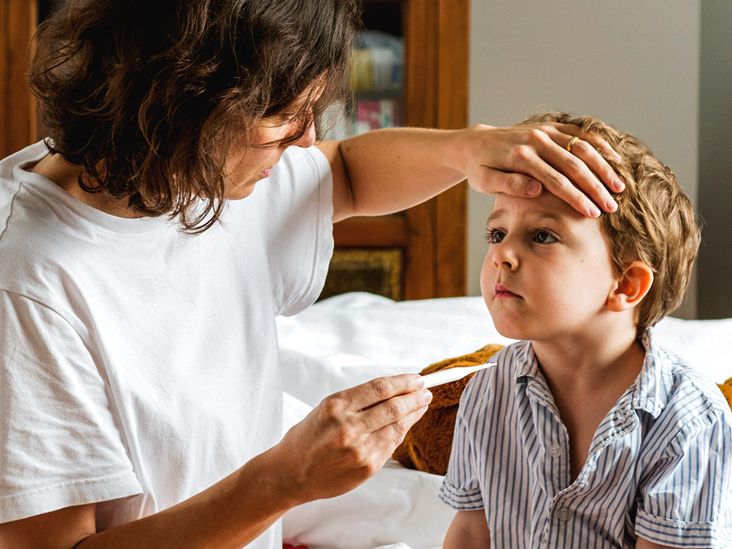
Using a reliable thermometer can help parents monitor temperature accurately. Different thermometer types and measurement methods can produce slightly different readings, so parents should follow the manufacturer’s instructions.
It can be useful to record the child’s temperature along with the time it was measured and any other symptoms. This information can help healthcare professionals understand how the illness is progressing.
Parents should avoid repeatedly checking the temperature without considering the child’s overall condition. Comfort, hydration, breathing, alertness, and behavior are also important.
Providing Comfort at Home
Many children with uncomplicated viral illnesses can be cared for at home while they recover. Rest and adequate fluids are important.
Parents can dress the child in comfortable clothing and keep the room at a pleasant temperature. Excessive layers or attempts to cool the child rapidly are generally unnecessary.
Medication for fever should only be given according to age-appropriate guidance and the correct dose. Parents should never give aspirin to children unless specifically instructed by a healthcare professional.
When Fever Lasts Longer
The duration of a fever can also influence whether medical advice is appropriate. A fever that continues for several days, repeatedly returns, or is associated with worsening symptoms should be discussed with a healthcare professional.
Parents should also seek advice if the child’s condition is not improving as expected or if new symptoms appear.
The appropriate response can depend on the child’s age, medical history, underlying conditions, and the suspected cause of the fever.
Fever With Other Warning Signs
Certain symptoms alongside fever should receive particular attention. Difficulty breathing, bluish or grayish skin, severe headache, stiff neck, seizures, persistent vomiting, significant dehydration, or a rapidly spreading or concerning rash can indicate a need for urgent assessment.
A child who becomes difficult to wake or does not respond normally should be assessed urgently.
Parents should trust their instincts when something seems significantly different from the child’s normal behavior. Seeking professional advice can provide reassurance or ensure that serious illness is identified promptly.
Avoid Common Fever Mistakes
Parents sometimes try to reduce fever by using very cold baths, ice, excessive clothing, or multiple medications. These approaches may cause discomfort or create unnecessary risks.
Instead, parents should focus on keeping the child comfortable, encouraging appropriate fluid intake, monitoring symptoms, and following professional guidance regarding medication.
It is also important not to give medications intended for adults to children unless specifically advised by a healthcare professional.
Dr. Nikil Sudarsan is a highly experienced Pediatrician in Dubai, dedicated to providing comprehensive healthcare for infants, children, and adolescents. With expertise in Pediatric Neurology, Child Development, Autism, ADHD, Epilepsy, Genetics, and Developmental Disorders, he offers personalized, evidence-based care tailored to each child’s unique needs. Using the latest medical advancements and a family-centered approach, Dr. Nikil Sudarsan focuses on promoting healthy growth, early diagnosis, effective treatment, and long-term well-being, ensuring the best possible outcomes for every child.