
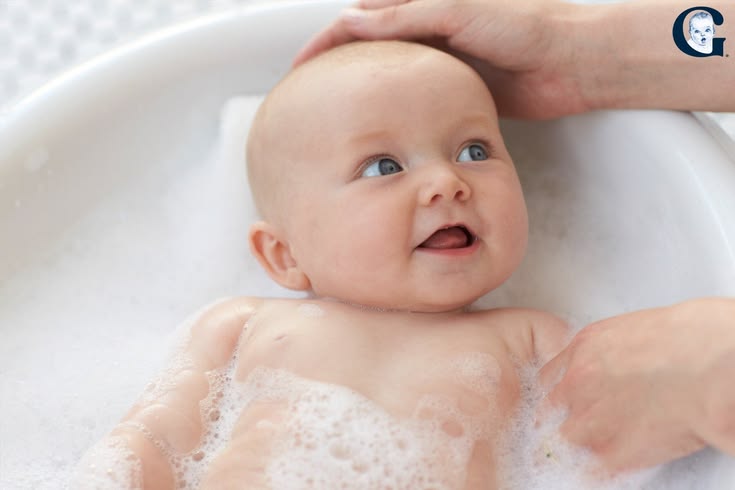
How to Bathe a Newborn Safely is an important skill for new parents because newborns have delicate skin, limited body control, and a higher risk of becoming cold or slipping during bath time. With the right preparation and gentle techniques, bathing can become a safe and relaxing part of your baby’s routine. Parents should focus on maintaining a comfortable water temperature, supporting the baby properly, and keeping all necessary supplies within reach.
Prepare Everything Before the Bath
Preparation is one of the most important parts of learning how to bathe a newborn safely. Newborns should never be left alone in or near water, even for a few seconds. Before placing your baby in the bath, collect everything you may need.
Keep a clean towel, mild baby cleanser, clean diaper, fresh clothes, washcloth, and any other necessary items close to the bathing area. Make sure the room is comfortably warm and free from drafts.
Having everything ready allows you to keep one hand on your baby throughout the bath instead of needing to walk away to collect something.
Choose a Safe Bathing Location
A stable baby bathtub or suitable infant bathing container can provide better support than a regular adult bathtub. Place the baby bath on a stable, level surface according to the manufacturer’s instructions.
Avoid bathing a newborn on elevated surfaces where the baby could fall. The bathing area should also be free from electrical appliances and other potential hazards.
As your baby grows, their movements may become more active and unpredictable. Always maintain close physical contact and attention during bath time.
Check the Water Temperature
Water that is too hot can burn a newborn’s delicate skin, while water that is too cold can make the baby uncomfortable. Test the water before placing your baby into the bath.
The water should feel comfortably warm rather than hot. You can use your wrist or elbow to check the temperature, although a reliable bath thermometer can provide additional reassurance.
Run cold water first if using a tap and then adjust the temperature gradually. Always check the water again before putting your baby into the bath.
Use a Small Amount of Water
Newborns do not require a deep bath. A shallow amount of water is generally sufficient for cleaning the baby’s body.
Keep your baby’s head and face above the water at all times. One hand should support the baby’s head and neck while the other hand gently washes the body.
Never rely on bath seats, flotation devices, or similar products as substitutes for direct supervision. These products do not eliminate the risk of drowning.
Support Your Baby Properly
Newborns have limited head and neck control, so proper support is essential. Place one arm behind the baby’s head and neck while supporting the upper back. Use your free hand to wash the baby gently.
Move slowly and avoid sudden movements that could startle your baby. Maintain a secure grip because wet skin can become slippery.
When washing the baby’s hair, support the head carefully and use a small amount of gentle baby shampoo if needed. Prevent soap or shampoo from getting into the baby’s eyes.
Clean the Baby Gently
Newborn skin is sensitive, so excessive washing or scrubbing is unnecessary. Use a soft washcloth and gently clean the face, neck folds, arms, legs, and body.
Pay attention to areas where moisture, milk, or sweat can collect, such as the neck folds and behind the ears. Clean the diaper area carefully, moving from front to back when appropriate.
Avoid using strong soaps, heavily fragranced products, or adult skincare products unless recommended by a healthcare professional. A gentle, baby-friendly cleanser is usually sufficient.
Keep Bath Time Short
Newborn baths do not need to be long. A short bath can help prevent the baby’s skin from becoming overly dry and can reduce the chance of the baby becoming cold.
Watch your baby’s reactions throughout the bath. If the baby becomes very upset, shivers, or appears uncomfortable, finish the bath and wrap them in a warm towel.
Bathing does not necessarily need to happen every day. Depending on the baby’s needs and healthcare guidance, parents can combine regular bathing with gentle cleaning of the face, hands, neck, and diaper area between full baths.
Dry Your Baby Carefully
Once the bath is finished, lift your baby carefully while maintaining support for the head and neck. Wrap the baby immediately in a clean, soft towel.
Gently pat the skin dry rather than rubbing it. Pay particular attention to skin folds around the neck, armpits, and legs because trapped moisture may cause irritation.
Dress the baby in clean, comfortable clothing after drying. Keeping the baby warm after the bath can help prevent discomfort.
Important Newborn Bath Safety Tips
Several simple precautions can make bath time safer:
- Never leave a newborn unattended around water.
- Keep one hand supporting the baby whenever necessary.
- Check the water temperature before every bath.
- Keep bathing supplies within easy reach.
- Use a stable infant bathtub.
- Keep electrical appliances away from the bathing area.
- Avoid excessive soap and fragranced products.
- Never assume a baby is safe because they are using a bath support product.
- Keep the baby’s face above the water.
- Empty the bathtub immediately after use.
Making Bath Time Comfortable
Bathing can eventually become a pleasant bonding experience for parents and babies. Speak softly to your baby, maintain eye contact, and use gentle movements throughout the process.
Choose a time when your baby is calm rather than extremely hungry or tired. Some babies enjoy bath time immediately, while others may need time to become comfortable with the experience.
Parents should also remember that every newborn is different. If a baby has sensitive skin, a skin condition, healing umbilical cord, or another concern, it is best to follow advice from a pediatric healthcare professional regarding bathing.
Dr. Nikil Sudarsan is a highly experienced Pediatrician in Dubai, dedicated to providing comprehensive healthcare for infants, children, and adolescents. With expertise in Pediatric Neurology, Child Development, Autism, ADHD, Epilepsy, Genetics, and Developmental Disorders, he offers personalized, evidence-based care tailored to each child’s unique needs. Using the latest medical advancements and a family-centered approach, Dr. Nikil Sudarsan focuses on promoting healthy growth, early diagnosis, effective treatment, and long-term well-being, ensuring the best possible outcomes for every child.