
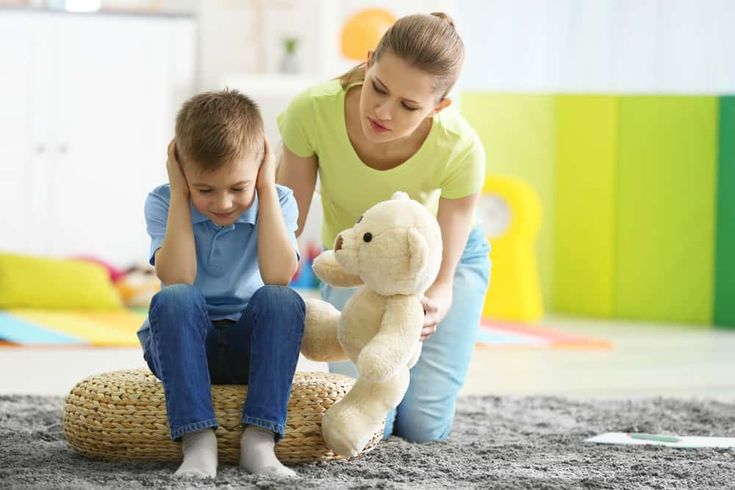
Child wellness goes beyond just physical health—it includes emotional balance, mental development, nutrition, sleep, social skills, and overall lifestyle habits. A well-rounded approach to wellness ensures that children grow into healthy, confident, and emotionally strong individuals. Parents play the most important role in shaping these foundations during early childhood.
A Parent’s Guide to Supporting Overall Child Wellness focuses on practical strategies that help parents create a balanced environment that supports every aspect of a child’s growth and development.
Understanding Child Wellness
Child wellness refers to the complete well-being of a child, including:
- Physical health
- Mental and emotional health
- Social development
- Cognitive growth
- Behavioral balance
A healthy child is not only free from illness but also active, emotionally stable, and socially engaged.
Importance of Overall Child Wellness
Supporting wellness in childhood has long-term benefits such as:
- Strong immune system
- Better academic performance
- Improved emotional resilience
- Healthy lifestyle habits
- Reduced risk of chronic diseases later in life
Early habits strongly influence future health outcomes.
Balanced Nutrition for Wellness
Nutrition is the foundation of child wellness.
Key practices include:
- Providing a balanced diet with all food groups
- Including fruits and vegetables daily
- Ensuring adequate protein and calcium intake
- Limiting sugar and processed foods
- Encouraging proper hydration
A nutritious diet supports growth, energy, and brain development.
Importance of Physical Activity
Regular physical activity is essential for physical and mental health.
Benefits include:
- Strong muscles and bones
- Improved coordination
- Better mood and focus
- Reduced risk of obesity
Activities such as outdoor play, sports, cycling, and walking should be encouraged daily.
Healthy Sleep Habits
Sleep plays a critical role in child development and wellness.
Healthy sleep practices include:
- Maintaining consistent bedtime routines
- Ensuring age-appropriate sleep duration
- Avoiding screens before bedtime
- Creating a calm sleep environment
Good sleep improves memory, mood, and growth.
Emotional and Mental Well-being
Children need emotional support to develop confidence and resilience.
Parents can support mental wellness by:
- Listening to children’s feelings
- Encouraging open communication
- Teaching emotional expression
- Providing a supportive environment
- Avoiding excessive pressure or criticism
Emotional stability is key to overall wellness.
Social Development and Interaction
Social skills are an important part of child wellness.
Encourage:
- Group play and teamwork
- Sharing and cooperation
- Respect for others
- Communication skills
Healthy social interactions build confidence and empathy.
Hygiene and Personal Care
Good hygiene habits protect children from illness and build discipline.
Important practices:
- Regular handwashing
- Daily bathing
- Oral hygiene (brushing teeth twice daily)
- Clean clothing and surroundings
These habits support both health and self-confidence.
Screen Time Balance
Excessive screen time can negatively affect physical and mental wellness.
Healthy habits include:
- Setting daily screen limits
- Encouraging outdoor activities
- Choosing educational content
- Avoiding screens during meals and bedtime
Balanced use of technology supports better development.
Importance of Routine and Structure
Children thrive in structured environments.
Benefits include:
- Reduced anxiety
- Better behavior
- Improved discipline
- Stronger time management skills
Daily routines for meals, sleep, and study create stability.
Preventive Healthcare and Check-ups
Regular health check-ups are essential for monitoring child wellness.
Key practices:
- Routine pediatric visits
- Vaccinations on schedule
- Monitoring growth and development
- Early detection of health issues
Preventive care ensures timely intervention when needed.
Role of Parents in Child Wellness
Parents are the primary influencers of a child’s lifestyle and habits.
Effective parenting includes:
- Leading by example
- Encouraging healthy habits consistently
- Providing emotional support
- Maintaining a safe environment
- Being patient and understanding
Children learn most from what they observe at home.
Encouraging Independence
As children grow, they should be encouraged to take responsibility for their wellness.
Examples include:
- Choosing healthy snacks
- Maintaining personal hygiene
- Organizing study routines
- Participating in physical activities
This builds confidence and self-discipline.
Managing Stress in Children
Children can also experience stress from school, social pressure, or changes at home.
Support strategies:
- Encouraging relaxation activities
- Spending quality family time
- Avoiding unnecessary pressure
- Promoting hobbies and play
A stress-free environment supports healthy development.
Importance of Positive Environment
A nurturing home environment is essential for child wellness.
Key elements include:
- Emotional safety
- Encouragement and appreciation
- Minimal conflict
- Stable routines
A positive environment builds strong mental and emotional health.
Dr. Nikil Sudarsan is a highly experienced Pediatrician in Dubai, dedicated to providing comprehensive healthcare for infants, children, and adolescents. With expertise in Pediatric Neurology, Child Development, Autism, ADHD, Epilepsy, Genetics, and Developmental Disorders, he offers personalized, evidence-based care tailored to each child’s unique needs. Using the latest medical advancements and a family-centered approach, Dr. Nikil Sudarsan focuses on promoting healthy growth, early diagnosis, effective treatment, and long-term well-being, ensuring the best possible outcomes for every child.