
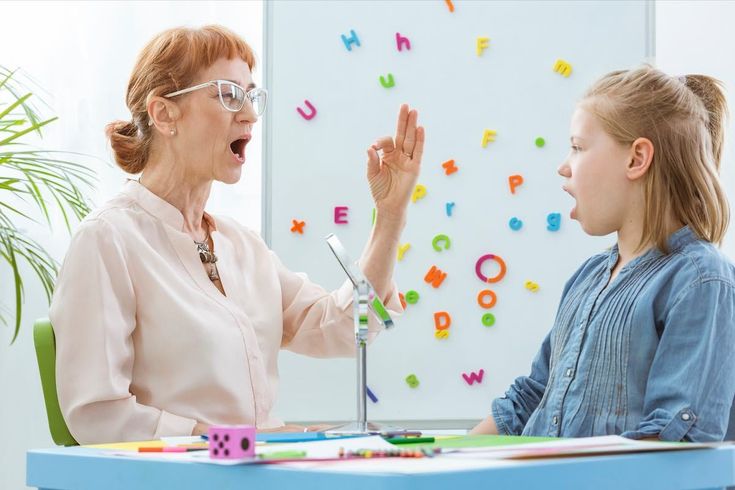
Speech and language development is a key part of early childhood growth that shapes how children communicate, express emotions, and interact with the world around them. From the first cry at birth to forming complete sentences in early childhood, communication skills evolve gradually through different stages.
Understanding Speech and Language Development helps parents recognize how children acquire language, what milestones to expect, and how to support healthy communication skills at every stage. Early attention to speech and language development plays an important role in learning, social interaction, and emotional well-being.
What Is Speech and Language Development?
Speech refers to how words are produced using sounds, articulation, and voice. Language refers to understanding and using words, sentences, and gestures to communicate meaning.
Both skills develop together and include:
- Listening and understanding (receptive language)
- Speaking and expressing thoughts (expressive language)
- Non-verbal communication (gestures and facial expressions)
Strong speech and language skills are essential for learning, reading, and social interaction.
Early Stages of Language Development (0–12 Months)
In the first year of life, babies begin to recognize sounds and respond to voices.
Key milestones include:
- Responding to familiar voices
- Cooing and babbling
- Making different sounds to express needs
- Recognizing their name
- Showing interest in speech and facial expressions
During this stage, communication is mostly non-verbal but highly responsive.
Toddler Speech Development (1–3 Years)
Toddlers begin to use words and simple sentences to communicate.
Key milestones include:
- Saying first meaningful words
- Using 2–3 word sentences
- Following simple instructions
- Naming familiar objects and people
- Expanding vocabulary rapidly
At this stage, children begin to connect words with meanings and actions.
Preschool Language Development (3–5 Years)
Preschool years show significant growth in communication skills.
Key milestones include:
- Speaking in complete sentences
- Asking questions frequently
- Telling simple stories
- Understanding basic grammar rules
- Following multi-step instructions
Children become more confident in expressing thoughts and emotions.
School-Age Language Development (5+ Years)
As children enter school, language becomes more structured and complex.
Key milestones include:
- Using correct grammar
- Reading and writing development
- Understanding abstract ideas
- Engaging in conversations
- Expanding vocabulary significantly
Language skills at this stage strongly influence academic success.
Factors That Influence Speech and Language Development
Several factors affect how children develop communication skills:
- Genetics and family history
- Hearing ability
- Exposure to language
- Environmental stimulation
- Emotional support
- Screen time exposure
A rich communication environment supports better language development.
Importance of Early Communication
Early speech and language skills are important because they:
- Support learning and education
- Improve social interaction
- Build emotional expression
- Enhance cognitive development
- Reduce communication delays
Early intervention can greatly improve outcomes if delays are identified.
Signs of Speech or Language Delay
Some children may experience delays in communication development.
Possible signs include:
- Not speaking words by expected age
- Difficulty understanding simple instructions
- Limited vocabulary for age
- Poor sentence formation
- Lack of social interaction through speech
If concerns arise, early professional evaluation is recommended.
How Parents Can Support Speech Development
Parents play a major role in developing a child’s communication skills.
Helpful strategies include:
- Talking to the child regularly
- Reading books together daily
- Naming objects during daily activities
- Encouraging questions and conversations
- Singing songs and storytelling
Consistent interaction helps strengthen language learning.
The Role of Play in Language Development
Play is a powerful tool for learning communication skills.
Examples include:
- Pretend play (role-playing)
- Interactive games
- Story-based activities
- Group play with other children
Play encourages natural expression and vocabulary growth.
Impact of Screen Time on Language Skills
Excessive screen time can limit real-life communication opportunities.
Guidelines:
- Limit passive screen exposure
- Encourage interactive learning content
- Prioritize face-to-face communication
- Engage in shared activities instead of solo viewing
Real conversations are essential for language development.
Encouraging Multilingual Development
Children can learn multiple languages naturally when exposed early.
Benefits include:
- Improved cognitive flexibility
- Better communication skills
- Enhanced memory and learning ability
Consistency in exposure is key for multilingual development.
When to Seek Professional Help
Parents should consider consulting a specialist if:
- Speech is significantly delayed
- Child has difficulty understanding language
- Limited progress in communication skills
- Concerns persist over time
Early assessment helps identify underlying causes and supports timely intervention.
Dr. Nikil Sudarsan is a highly experienced Pediatrician in Dubai, dedicated to providing comprehensive healthcare for infants, children, and adolescents. With expertise in Pediatric Neurology, Child Development, Autism, ADHD, Epilepsy, Genetics, and Developmental Disorders, he offers personalized, evidence-based care tailored to each child’s unique needs. Using the latest medical advancements and a family-centered approach, Dr. Nikil Sudarsan focuses on promoting healthy growth, early diagnosis, effective treatment, and long-term well-being, ensuring the best possible outcomes for every child.